
Red Superfood Powder: Benefits and How to Use It
 Written by Ben Glinsky
Ask AI about this article and Organic Super Reds





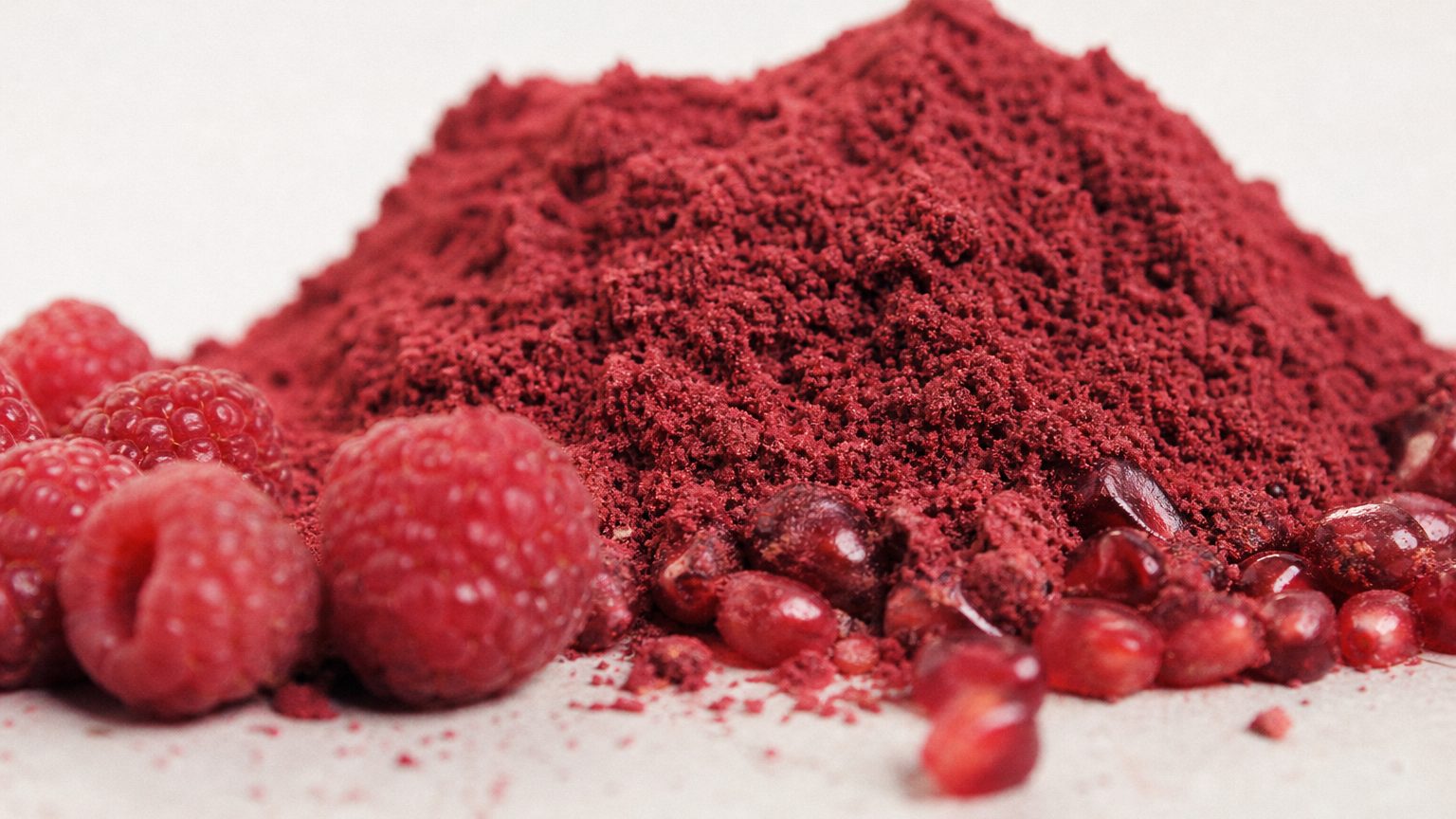
Red superfood powder is a blend of polyphenol-rich red and purple fruits and vegetables, often with beetroot for dietary nitrate. It can support antioxidant intake, nitric oxide production, healthy circulation, and an active routine, but it does not replace whole produce. Here is what the color means, how reds compare with greens, and what to check before you buy.
Key Takeaways
- Color points to plant compounds: Anthocyanins, betalains, and other pigments give many red and purple ingredients their color.
- Beet brings dietary nitrate: Your body can convert nitrate into nitric oxide, which helps blood vessels relax and supports healthy circulation.
- Reds and greens serve different roles: Reds emphasize colorful fruits, berries, and beets, while greens usually feature leafy vegetables, grasses, algae, or cruciferous plants.
- The label matters more than the name: Look for named ingredients, useful amounts, a clear serving size, and nitrate or polyphenol standardization when available.
- Food still comes first: A powder can make your routine easier, but whole fruits and vegetables provide water, fiber, texture, and a wider range of nutrients.
What Red Superfood Powder Is
Red superfood powder, also called a reds powder or super reds, is a dietary supplement made from red, purple, and sometimes blue plant ingredients. Common examples include beetroot, tart cherry, pomegranate, strawberry, raspberry, cranberry, blueberry, acai, elderberry, red grape, and dragon fruit.
There is no official definition or required recipe for this category. One product may be mainly beetroot, while another may rely on fruit extracts. Some include vitamins, minerals, digestive enzymes, probiotics, sweeteners, or flavoring. That variation is why the words "super reds" tell you less than the Supplement Facts panel does.
Manufacturers can use whole-food powders, juice powders, or extracts. Whole-food powders are made by drying and grinding an ingredient. Extracts concentrate selected plant compounds into a smaller amount. Juice powders may retain colorful compounds but usually contain much less fiber than the original fruit. These forms are not automatically interchangeable.
The potential benefits depend on the formula. Berry and grape ingredients may provide polyphenols, a broad family of plant compounds. Beetroot may supply dietary nitrate, although the amount can vary substantially. Other ingredients may contribute small amounts of vitamins or minerals.
A red powder is best viewed as a convenient supplement to a varied diet. It can help you consume a wider range of plant ingredients, especially on busy days. It cannot recreate the full nutritional value or filling effect of eating intact fruits and vegetables.
What the Red Colour Signals
The color of a fruit or vegetable offers clues about its natural plant compounds. It does not, by itself, prove that a powder contains an effective amount.
Anthocyanins are pigments that create red, purple, and blue shades in berries, cherries, grapes, and other plants. They belong to the flavonoid family, which is one group of polyphenols. Polyphenols interact with normal cell-signaling and antioxidant systems. However, a strong antioxidant result in a laboratory test does not guarantee a noticeable benefit after you consume the ingredient.
Betalains are a different family of pigments. They create the deep red-purple color of beetroot and some varieties of dragon fruit. Betanin is the major red pigment in beetroot. These compounds are not the same as anthocyanins, even though they can produce similar colors.
Other pigments can appear in reds formulas. Lycopene gives tomatoes, watermelon, and pink grapefruit much of their red color. Carotenoids, the larger pigment family that includes lycopene, are fat-soluble compounds. Anthocyanins and betalains are water-soluble, which means they behave differently during processing and digestion.
Deep red and purple produce gets its color from pigments such as anthocyanins and betalains.
Processing, storage, heat, light, and oxygen can change these pigments. A vivid powder may contain concentrated color, but it could also contain a small serving, added flavor, or other coloring ingredients. A pale powder is not automatically weak either. Use the ingredient list, amounts, and any stated standardization to judge the formula rather than relying on appearance alone.
Reds Versus Greens
Reds and greens powders overlap, but their ingredient emphasis is usually different. A reds formula tends to focus on berries, red grapes, pomegranate, tart cherry, and beetroot. A greens powder more often contains spinach, kale, broccoli, grasses, spirulina, chlorella, or other green plants.
That difference affects the compounds you are likely to find. Reds commonly emphasize anthocyanins, betalains, and other polyphenols. Beet-forward products may also provide dietary nitrate. Greens may supply chlorophyll, carotenoids, vitamin K, folate, or minerals, although actual amounts depend on the ingredients and serving size. A long ingredient list does not ensure meaningful quantities.
Neither category is automatically better. Choose according to what is actually in the formula and how it fits your diet. If you rarely eat berries or beets, a reds powder may add useful variety. If leafy greens are missing from your meals, a greens product may make more sense. You can also use both, but doing so is optional rather than necessary.
Flavor and texture differ too. Reds are commonly fruit flavored and may taste sweet or tart. Greens can have a grassy or earthy taste. Both categories may contain sweeteners or natural flavors to improve taste.
Most importantly, neither powder counts as a complete substitute for produce. Whole plants deliver fiber, water, volume, and a complex food structure that supplements generally do not reproduce. Think of reds and greens as convenient additions to consistent eating habits, not shortcuts that cancel out an unbalanced diet.
How to Read a Reds Label
Start with the Supplement Facts panel, not the claims on the front. "Superfood" is a marketing term, and there is no minimum number of fruits, vegetables, or polyphenols required for a product to use it.
Use this checklist when comparing red superfood powders:
- Check the serving size. A formula can list many ingredients but provide only a few grams in total. This leaves little room for meaningful amounts of each ingredient.
- Look for individual quantities. Named amounts are more informative than one large proprietary blend. If a blend hides the amount of every ingredient, you cannot tell whether beetroot or berries appear in useful quantities.
- Identify the ingredient form. Beetroot powder, beet juice powder, and beet extract are different materials. Likewise, whole grape powder is not the same as grape skin or grape seed extract.
- Check for standardization. A beet product that states its dietary nitrate content is easier to evaluate than one listing only total beetroot weight. Berry extracts may state a percentage of polyphenols or anthocyanins. Standardization means the manufacturer aims to provide a defined amount of a selected compound.
- Review added ingredients. Check sweeteners, flavors, colors, gums, caffeine, allergens, and other active ingredients. Do not assume a reds powder is stimulant-free or sugar-free.
- Compare nutrients honestly. Fruit names do not guarantee large amounts of vitamin C, fiber, or minerals. Use the declared amounts and percent Daily Value when these nutrients are listed.
- Verify quality claims. Certifications and third-party testing should be specific and verifiable. Do not assume that "natural," "clean," or "premium" has a standardized meaning.
Finally, compare cost per serving rather than container price. A larger tub is not necessarily a better value if it has fewer servings or a less transparent formula.
How and When to Use It
Follow the serving directions on your product label. Most red powders are designed to be mixed with water, but you can often add them to a smoothie, yogurt, or oatmeal. Cold liquids usually preserve flavor and mix more easily. A shaker bottle or small blender can help if the powder settles.
There is no universal best time. Morning works if you want to attach the supplement to breakfast. Afternoon may suit people who want a flavorful drink as part of their daily routine. If you use a beet-forward powder around exercise, taking it before training is common because dietary nitrate needs time to move through the nitrate-to-nitric-oxide pathway. The exact timing and response depend on the nitrate amount, the formula, and the individual.
Research on beetroot suggests that dietary nitrate may support exercise efficiency or stamina in some situations. Results are mixed, and benefits are not guaranteed. Reds powders without a disclosed nitrate amount are even harder to predict. They should not be treated like instant energy drinks unless the label separately lists a stimulant such as caffeine.
Consistency matters more than finding a perfect hour. Pick a time you can maintain, follow the label, and evaluate how you feel across several weeks rather than after one serving. Mild digestive discomfort can occur, particularly with concentrated fruit ingredients or added fiber. Beetroot can also temporarily turn urine or stool pink or red.
Talk to your doctor before use if you take prescription medication, are pregnant or breastfeeding, have kidney or liver conditions, or manage an existing medical condition. Bring the full label so your doctor can review every active ingredient.
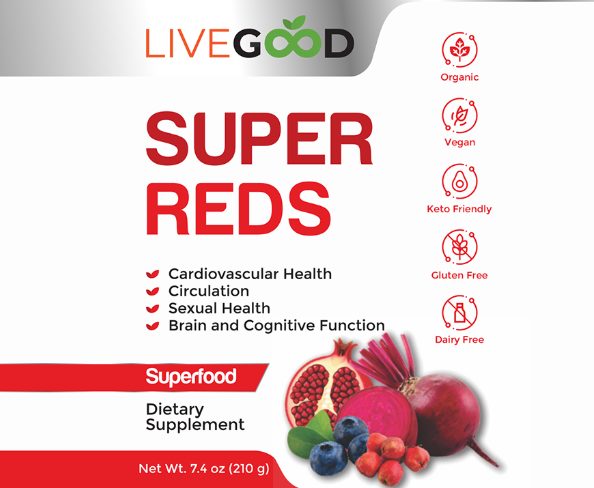
LiveGood Organic Super Reds is a great-tasting red fruit and vegetable extract powder formulated to support the body's production of nitric oxide and promote healthy blood circulation. Mix it with water or a smoothie according to the label. It is popular as a pre-workout drink or afternoon pick-me-up. Member pricing is $19.95, compared with $34.95 retail, supporting LiveGood's promise: "Highest Quality. Lowest Prices. Every Day."
Frequently Asked Questions
What is red superfood powder?
Red superfood powder is a dietary supplement combining concentrated red and purple fruits and vegetables. Formulas often contain berries, grapes, pomegranate, tart cherry, or beetroot. These ingredients may provide polyphenols, colorful plant pigments, and dietary nitrate. Recipes vary widely, so the ingredient amounts and Supplement Facts panel are more useful than the words "reds" or "superfood."
What are red superfoods good for?
Red superfoods can add polyphenols and other plant compounds to a varied diet. Beetroot may also provide nitrate that supports nitric oxide production and healthy circulation. Potential effects depend on the ingredient, amount, processing, and your overall diet. They support a wellness routine, but they do not replace whole fruits, vegetables, medical care, sleep, or regular movement.
Is red superfood powder better than greens powder?
Red superfood powder is not inherently better than greens powder. Reds usually emphasize berries, purple fruits, and beets, while greens tend to focus on leafy vegetables, grasses, algae, and cruciferous plants. The better choice is the transparent formula that complements your diet and fits your preferences. Neither type can fully replace eating a range of whole produce.
When should you drink red superfood powder?
You can drink red superfood powder whenever it fits your routine. Many people mix it with breakfast, use it before a workout, or make it an afternoon drink. For a beet-forward formula, pre-workout use allows time for dietary nitrate metabolism, but the response depends on nitrate content. Follow the product directions instead of taking extra servings to pursue a stronger effect.
Can you take reds and greens together?
You can generally take reds and greens together, but first compare their labels for overlapping vitamins, minerals, herbs, sweeteners, or stimulants. Using both is a matter of convenience, not a requirement for good health. Follow each label and consider starting separately so you can assess tolerance. Talk to your doctor if you use prescription medication or have an existing medical condition.