
The Strongest Natural Anti-Inflammatory Options
 Written by Nauder Khazan
Ask AI about this article and Factor4 - Advanced Inflammation Management





There is no scientifically established strongest natural anti-inflammatory. Omega-3s, curcumin, ginger, and polyphenols are among the best-studied options, but they have been tested in different people, for different goals, and against different measurements. Here is what the evidence can actually tell you.
Key Takeaways
- There is no universal winner: Studies do not provide a fair head-to-head ranking of every natural option.
- Inflammation has a purpose: A healthy inflammatory response helps your body respond to injury, exercise, and infection.
- Several compounds stand out: Omega-3s, curcumin, ginger, and plant polyphenols have meaningful research behind them.
- The label matters: Ingredient amounts, standardization, serving size, and testing tell you more than marketing language.
- Persistent symptoms need medical care: Supplements should not be used to self-treat chronic inflammation or unexplained pain.
Why There Is No Single Strongest Option
Calling one natural substance the strongest sounds useful, but research does not support that kind of ranking. Studies on omega-3s, turmeric, ginger, and other compounds rarely use the same dose, formulation, population, timeline, or outcome. Comparing them directly is like ranking walking shoes, hiking boots, and running spikes without asking where you plan to wear them.
Researchers may measure C-reactive protein, often shortened to CRP, which is a general blood marker associated with inflammation. Other studies measure signaling proteins made by immune cells, joint comfort, muscle soreness, or recovery after exercise. A compound that changes one laboratory marker is not automatically better for pain, mobility, or overall health.
Results also depend on who participates. Findings in healthy athletes may not apply to older adults or people with diagnosed medical conditions. Small studies can produce promising results that larger trials do not confirm. Formulation matters too. Curcumin is not absorbed well on its own, while fish oil products can contain very different amounts of EPA and DHA, the two main omega-3 fats studied in supplements.
The most honest answer is therefore goal-specific. Omega-3s have broad research on fatty-acid status and inflammatory signaling. Curcumin has been studied for inflammatory markers and joint-related outcomes. Ginger appears in research on exercise soreness and joint comfort. Polyphenols are studied as part of foods, drinks, and concentrated extracts. None has earned the title of strongest for everyone.
Inflammation Is Not Always the Enemy
Inflammation is part of your immune system's normal response. When you cut a finger, catch an infection, or challenge a muscle during exercise, immune cells release chemical signals. Those signals help direct blood flow, repair tissue, and coordinate the body's defenses. Redness, warmth, and temporary swelling can be visible parts of that process.
This short-term response is called acute inflammation. It generally starts quickly and settles as the trigger resolves. Trying to eliminate every inflammatory signal would not be healthy. Your body needs a balanced response, not an inactive one.
Chronic inflammation is different. It refers to immune activity that remains elevated or poorly regulated over time. It can be associated with infection, autoimmune disease, metabolic conditions, smoking, ongoing tissue injury, and other medical issues. You cannot determine whether you have chronic inflammation based on fatigue, stiffness, or an online symptom list. Those symptoms have many possible causes.
This distinction changes how you should approach natural anti-inflammatory options. Food and supplements may support a healthy inflammatory response, but they are not substitutes for diagnosing the reason behind ongoing symptoms. Pain relief is also not proof that an underlying inflammatory process has changed. Likewise, a shift in a blood marker does not guarantee that you will feel different.
Start with the basics that support overall immune balance: regular movement, adequate sleep, nutritious meals, stress management, and avoiding tobacco. A dietary pattern rich in vegetables, fruit, beans, whole grains, nuts, olive oil, and fish offers more than any single ingredient. Harvard Health provides a practical overview of this food-first approach.
The Best Studied Compounds
Several natural compounds deserve attention because they have been studied repeatedly. That does not make their effects guaranteed or interchangeable.
| Option | What research examines | What to know |
|---|---|---|
| Omega-3s | EPA and DHA levels, inflammatory signaling, and markers such as CRP | Evidence varies by population and formulation. The EPA and DHA amounts matter more than the total fish oil number. |
| Curcumin | Inflammatory markers, antioxidant activity, and joint-related comfort or function | Curcumin is only one part of turmeric. Absorption differs greatly among formulations. |
| Ginger | Exercise-related soreness, joint comfort, digestion, and immune signaling | Trials use different extracts and preparations, so ordinary ginger tea cannot be assumed to match a concentrated study product. |
| Polyphenols | Antioxidant defenses, blood markers, and dietary patterns associated with long-term health | This is a large family, not one ingredient. Food sources and concentrated extracts can behave differently. |
Omega-3 fats come from fatty fish, algae, and some plant foods. EPA and DHA are the forms most often examined in fish oil and algae oil research. Plant-based ALA must be converted by the body, and that conversion is limited.
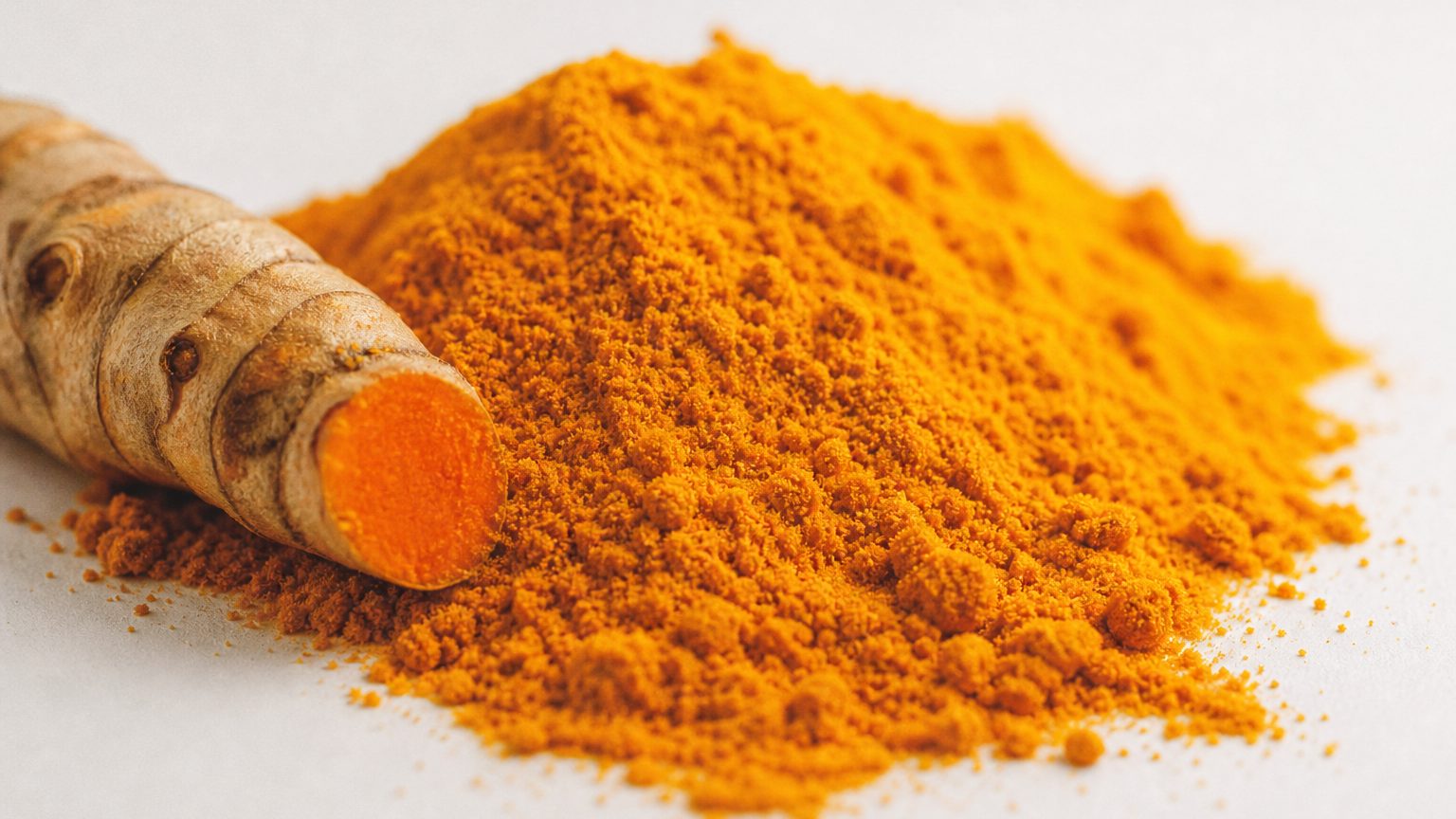
Curcumin is a group of yellow compounds found in turmeric. A systematic review indexed by PubMed reported changes in several inflammatory markers across curcumin and turmeric trials. However, the studies varied substantially, and a marker-level result does not establish curcumin as the strongest option or a treatment for disease.
Ginger contains compounds called gingerols and shogaols. Research is promising for certain measures of soreness and comfort, but results are mixed and product forms differ. Polyphenols include compounds in berries, cocoa, tea, grapes, olives, and many colorful plants. Their strongest practical case may be as part of a varied, plant-rich diet rather than as one isolated capsule.
How to Judge a Supplement Label
A good label helps you understand what you are taking. A flashy front panel often does not. Turn the bottle around and start with the Supplement Facts box.
First, identify the active form and amount per serving. For fish oil, look for separate EPA and DHA amounts. A label may advertise 1,000 mg of fish oil while providing a much smaller combined amount of those omega-3s. For turmeric, check whether the label lists turmeric root, curcumin, curcuminoids, or a standardized extract. Standardized means the manufacturer aims to provide a consistent concentration of named compounds.
For ginger, look for the amount of root or extract and any disclosed gingerol standardization. Polyphenol products should identify the plant source and the actual extract amount. Be cautious with proprietary blends that hide individual quantities behind one combined number. You cannot compare a product with research if you do not know how much of each ingredient it contains.
Next, check the serving size and directions. One serving may require several capsules. Follow the label rather than increasing the amount to imitate a study. Research doses are chosen for a particular trial and may not be appropriate for you.
Also review allergens, added ingredients, expiration information, and storage instructions. Look for credible independent testing when the manufacturer provides it, but remember that quality testing confirms identity or purity, not that a product will produce a particular result.
Finally, consider the whole formula. Absorption-enhancing ingredients can also affect medication handling. More ingredients do not automatically mean a stronger supplement. A transparent formula that fits your routine is generally more useful than an impressive blend you cannot evaluate or take consistently.
Factor4 - Advanced Inflammation Management, LiveGood's number two seller, is formulated by one of the world's top immunologists to support a healthy inflammatory response. It is LiveGood's first and only inflammation management supplement combining fish oil, turmeric, Coenzyme Q10, and garlic, described as four of the world's most powerful anti-inflammatory ingredients in one bottle. It costs $19.95 for members versus $29.95 retail, supporting LiveGood's mission to "Provide the highest quality supplements in the world, at the lowest prices possible."
When to See a Doctor Instead
Talk to your doctor when pain, swelling, stiffness, fever, digestive changes, skin symptoms, or fatigue are persistent, severe, unexplained, or getting worse. These symptoms do not confirm chronic inflammation. They can come from injuries, infections, autoimmune conditions, medication effects, nutritional deficiencies, and many other causes that require different care.
Seek urgent medical help for trouble breathing, facial or throat swelling, chest pain, confusion, a high fever with severe symptoms, sudden weakness, a hot and very swollen joint, or swelling after a serious injury. A supplement is not an appropriate response to an emergency.
You should also talk to your doctor before using concentrated supplements if you take prescription medications. Fish oil, curcumin, ginger, and garlic may be relevant to bleeding risk or medication interactions, particularly around surgery or when combined with medicines that affect blood clotting. Curcumin and ginger can also cause digestive discomfort in some people.
Professional guidance is especially important during pregnancy or breastfeeding, and for anyone with kidney disease, liver disease, gallbladder concerns, a bleeding disorder, an upcoming procedure, or another existing medical condition. Children should receive supplements only with guidance from an appropriate healthcare professional.
If your doctor orders CRP or another inflammatory marker, let that clinician interpret it in context. One result cannot identify the cause by itself. Your history, symptoms, examination, and other tests matter. Natural products may have a place in a broader wellness routine, but chronic inflammation belongs in a medical conversation, not a self-directed supplement experiment.
Frequently Asked Questions
What is the strongest natural anti-inflammatory?
There is no proven strongest natural anti-inflammatory for every person or goal. Omega-3s, curcumin, ginger, and polyphenols are among the most studied, but trials measure different markers and symptoms in different populations. Your diet, health status, medications, and the exact formulation all affect what may be appropriate. Treat any universal number-one claim with caution.
What is the fastest way to reduce inflammation naturally?
No natural supplement reliably resolves an underlying inflammatory problem immediately. Sleep, balanced meals, gentle movement when appropriate, and avoiding smoking support healthy immune function over time, but they are not instant treatments. Sudden or severe pain, redness, heat, or swelling may signal an injury, infection, or another condition, so seek medical advice rather than trying to suppress it yourself.
Is turmeric or fish oil better for inflammation?
Neither turmeric nor fish oil is universally better for supporting a healthy inflammatory response. Curcumin research often examines inflammatory markers and joint-related outcomes, while EPA and DHA research covers fatty-acid status and several forms of immune signaling. Their evidence, absorption, safety considerations, and study populations differ. Choose according to your needs with help from your doctor, not from a simple ranking.
How long does it take for anti-inflammatory supplements to work?
Anti-inflammatory supplements do not have one reliable timeline, and some people notice no clear change. Studies often assess ingredient-related markers or comfort over several weeks rather than hours. Timing varies with the compound, formulation, goal, and individual. Follow label directions, track meaningful changes consistently, and do not keep increasing the serving when results are not immediate.
Can you take several anti-inflammatory supplements together?
Several supplements can sometimes be combined, but doing so may increase side effects or interaction risks. Fish oil, curcumin, ginger, and garlic may each be relevant if you use blood-thinning medication or have surgery planned. Ask your doctor or pharmacist to review the complete ingredient list, especially during pregnancy, while breastfeeding, or if you have kidney, liver, or other medical conditions.