
Turmeric and Anti-Aging: What the Research Supports
 Written by Nauder Khazan
Ask AI about this article and Factor4 - Advanced Inflammation Management





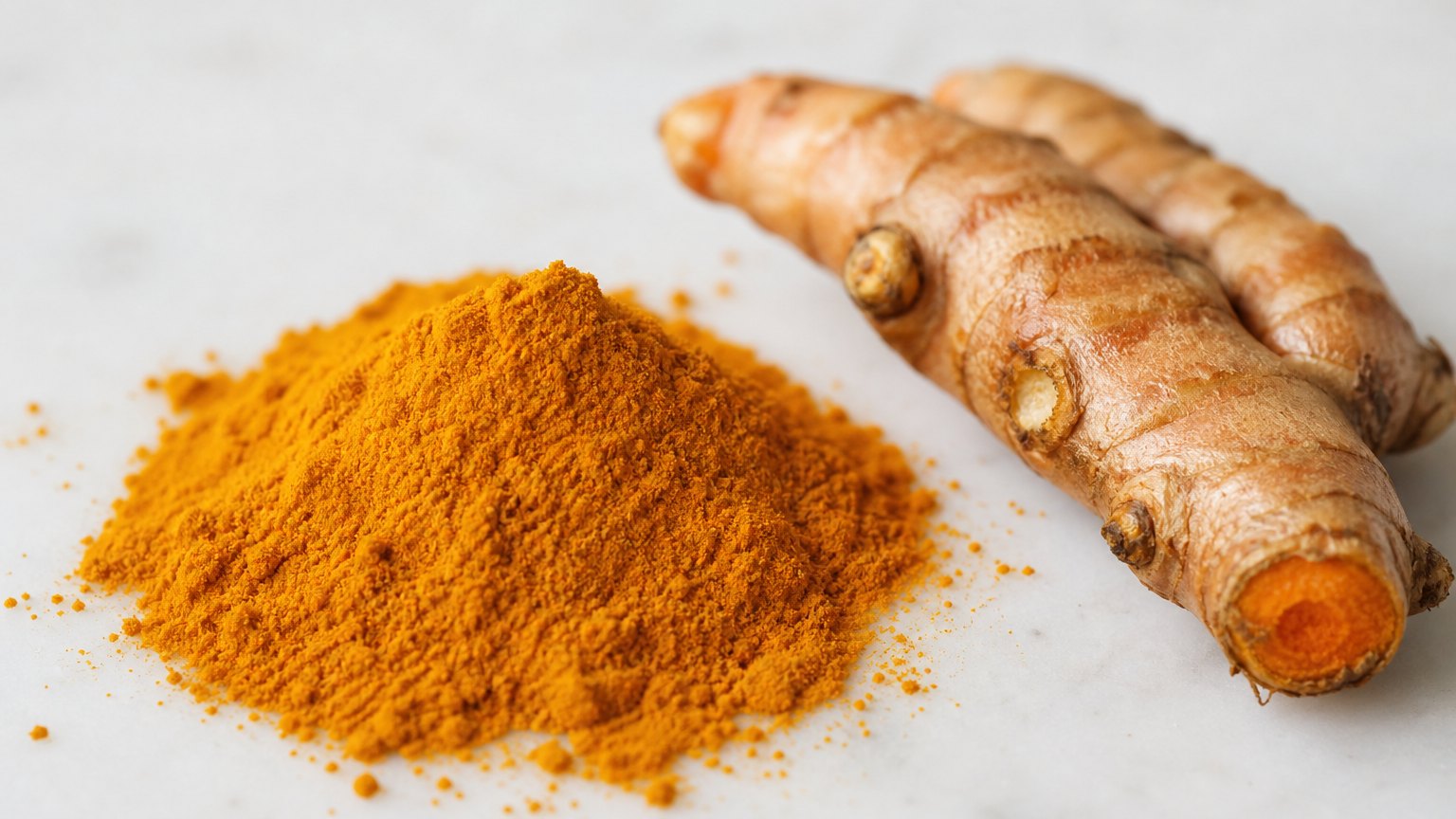
Turmeric is not proven to slow aging or extend human lifespan. Its main compound, curcumin, shows interesting effects in laboratory research, but human studies are short and usually measure indirect signs such as oxidative stress. Here is what those findings mean, why absorption matters, and how to set realistic expectations.
Key Takeaways
- Human evidence is limited: Most curcumin longevity research comes from cells and animals, not long-term human studies.
- Markers are not lifespan: A change in an antioxidant or inflammatory marker does not prove slower aging.
- Absorption is a major obstacle: Standard curcumin is poorly absorbed and is removed from the body relatively quickly.
- Formulation makes a difference: Piperine, phospholipid complexes, and other delivery systems may increase curcumin exposure.
- Consistency matters more than hype: Turmeric can complement a healthy routine, but it cannot replace sleep, nutrition, movement, or medical care.
What Curcumin Is and Why Absorption Limits It
Turmeric is the golden-yellow spice made from the root of Curcuma longa. It contains a family of plant compounds called curcuminoids. Curcumin is the best known of these compounds and the one used in most turmeric research.
Turmeric powder and curcumin extract are not interchangeable. Culinary turmeric contains only a modest percentage of curcuminoids, while supplements may use concentrated extracts. Two products with the same total milligram amount can therefore provide very different amounts of curcumin.
The central problem is bioavailability. This term describes how much of a substance reaches your bloodstream in a form your body can use. Curcumin does not dissolve well in water, crosses the digestive tract inefficiently, and is rapidly changed and cleared by the intestines and liver. As a result, swallowing a large amount does not necessarily produce high blood levels.
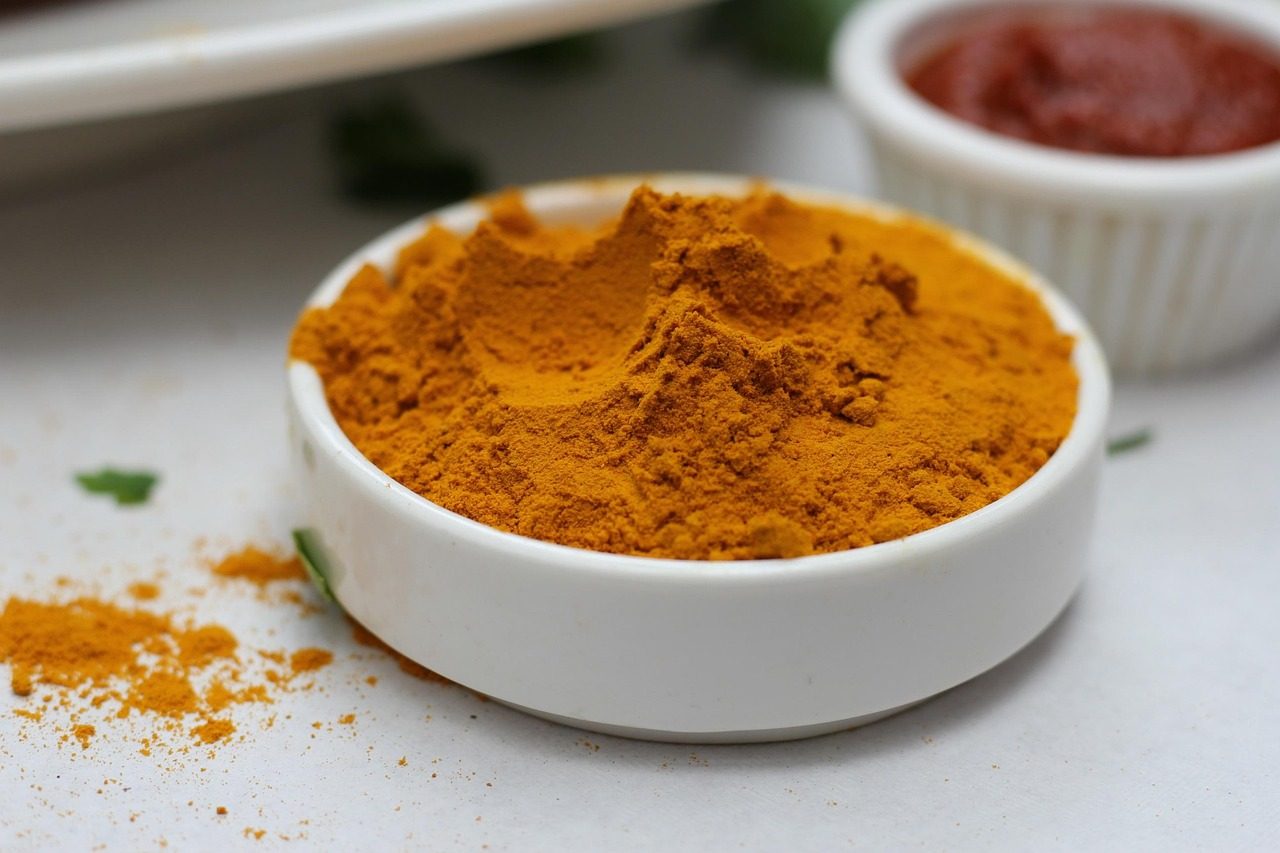
Turmeric spice contains curcumin, but concentrated extracts can provide very different amounts.
This limitation matters when reading anti-aging claims. Researchers can expose cells directly to curcumin in a laboratory dish, often at concentrations that would be difficult to reach through ordinary oral use. An effect seen under those conditions may be biologically interesting without being practical in the human body.
Food still has value. Turmeric adds flavor and plant compounds to soups, curries, vegetables, eggs, and rice. But using it as a spice is different from taking a standardized extract designed to increase curcumin exposure. Neither form has been shown to slow human aging.
Cell and Animal Findings vs Human Evidence
Much of the excitement around curcumin and anti-aging comes from cell and animal experiments. In these models, researchers have studied pathways involved in oxidative stress, cellular cleanup, energy regulation, and the body's inflammatory response. You may see names such as AMPK, mTOR, sirtuins, NF-kB, and autophagy in discussions of this research.
These terms sound complicated, but the basic idea is simple. Cells have systems that manage energy, respond to stress, repair damage, and remove worn-out components. Some laboratory findings suggest curcumin can interact with those systems. Certain experiments in worms, flies, or other animals have also reported changes related to lifespan or age-associated function.
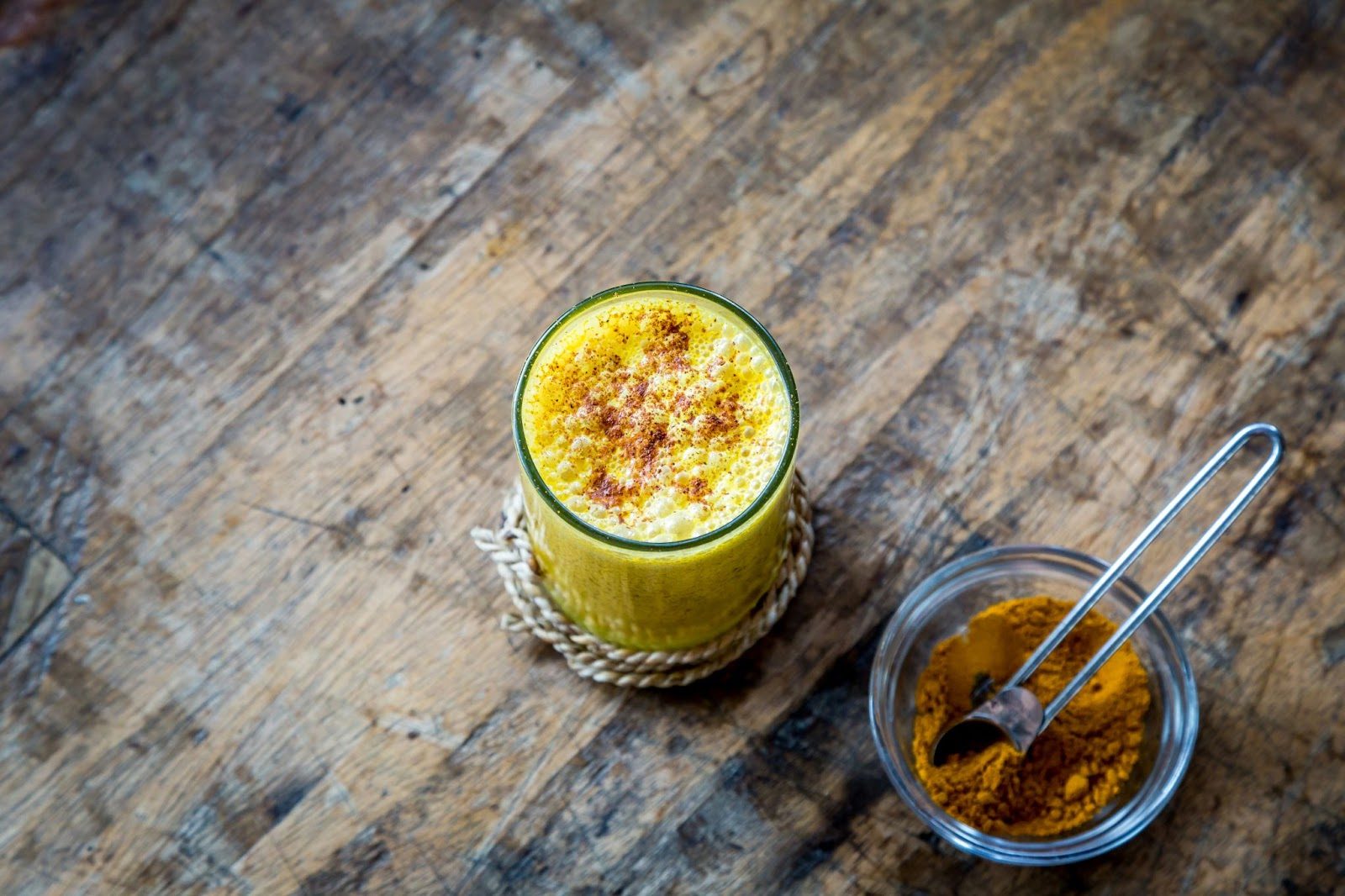
Laboratory findings can guide human research, but they do not prove that curcumin changes human aging.
That does not mean the same result will occur in people. Animal species process compounds differently, and laboratory doses may not match realistic human exposure. Aging also unfolds over decades in humans. A study lasting a few weeks or months cannot directly establish whether an ingredient changes that process.
Human trials of curcumin do exist, but they generally investigate short-term outcomes. These may include blood markers, physical comfort, exercise recovery, memory tests, blood vessel function, or self-reported quality of life. Results are mixed, and studies use different doses, formulations, populations, and endpoints.
The honest conclusion is that curcumin is scientifically interesting, not a demonstrated longevity intervention. There are no robust long-term trials showing that turmeric or curcumin extends human lifespan, reverses aging, or keeps someone biologically younger. Laboratory research can help generate questions, but human trials must answer them.
Surrogate Markers Are Not Ageing
A surrogate marker is an indirect measurement used in place of a result that takes much longer to observe. Researchers use these markers because studying human aging or lifespan directly would require large groups of people and many years of follow-up.
For example, a curcumin trial might measure C-reactive protein, antioxidant enzyme activity, lipid oxidation, blood vessel behavior, or a molecule associated with cellular stress. These measurements can help researchers understand what may be happening in the body. They do not, by themselves, show that someone is aging more slowly.
This distinction is easy to lose in headlines. If a study reports a change in an oxidative stress marker, the result may be described online as an anti-aging effect. That is a much larger conclusion than the study supports. The marker could change without producing a meaningful improvement in health, function, appearance, or lifespan.
Short studies create another challenge. A result after four, eight, or twelve weeks tells us little about years of use. It may not reveal rare side effects, whether the effect continues, or whether the measured change matters over time. Differences in formulation also make it hard to apply one trial to every turmeric product.
A useful way to evaluate a claim is to ask three questions: Was the research performed in humans? What did the study actually measure? How long did it last? If the answer involves cells, animals, or a short-term blood marker, treat any longevity promise with caution.
Skin and Oxidative Stress Research
Skin is often part of the turmeric anti-aging conversation because it visibly changes with time. Sun exposure, smoking, sleep, genetics, nutrition, and normal aging all affect skin texture, color, moisture, and elasticity. Oxidative stress is one piece of that picture.
Oxidative stress happens when reactive molecules, often called free radicals, exceed the body's ability to manage them. These molecules are normal byproducts of metabolism and environmental exposure. The goal is not to eliminate them completely. Your body uses its own antioxidant systems to maintain balance.
Laboratory research suggests curcumin can interact with oxidative pathways. Small human studies have also examined oral or topical turmeric preparations for measures such as skin moisture, redness, pigmentation, or signs of photoaging. However, the evidence is limited. Studies often use different extracts, creams, doses, and treatment periods, so their findings cannot support a broad claim that turmeric reduces wrinkles.
Healthy-looking skin depends on daily sun protection and gentle care, not one ingredient alone.
Be cautious with homemade turmeric masks. Turmeric can temporarily stain skin, clothing, towels, and countertops. Concentrated mixtures may also irritate sensitive skin, especially when combined with acidic ingredients or essential oils. Patch-test a topical product on a small area and stop if you develop burning, itching, swelling, or persistent redness.
Daily sunscreen, avoiding tobacco, eating a varied diet, sleeping consistently, and using a gentle moisturizer have stronger practical roles in supporting healthy-looking skin. Turmeric may be an optional addition, but it should not replace those basics or dermatologist-recommended care.
Formulations and Piperine
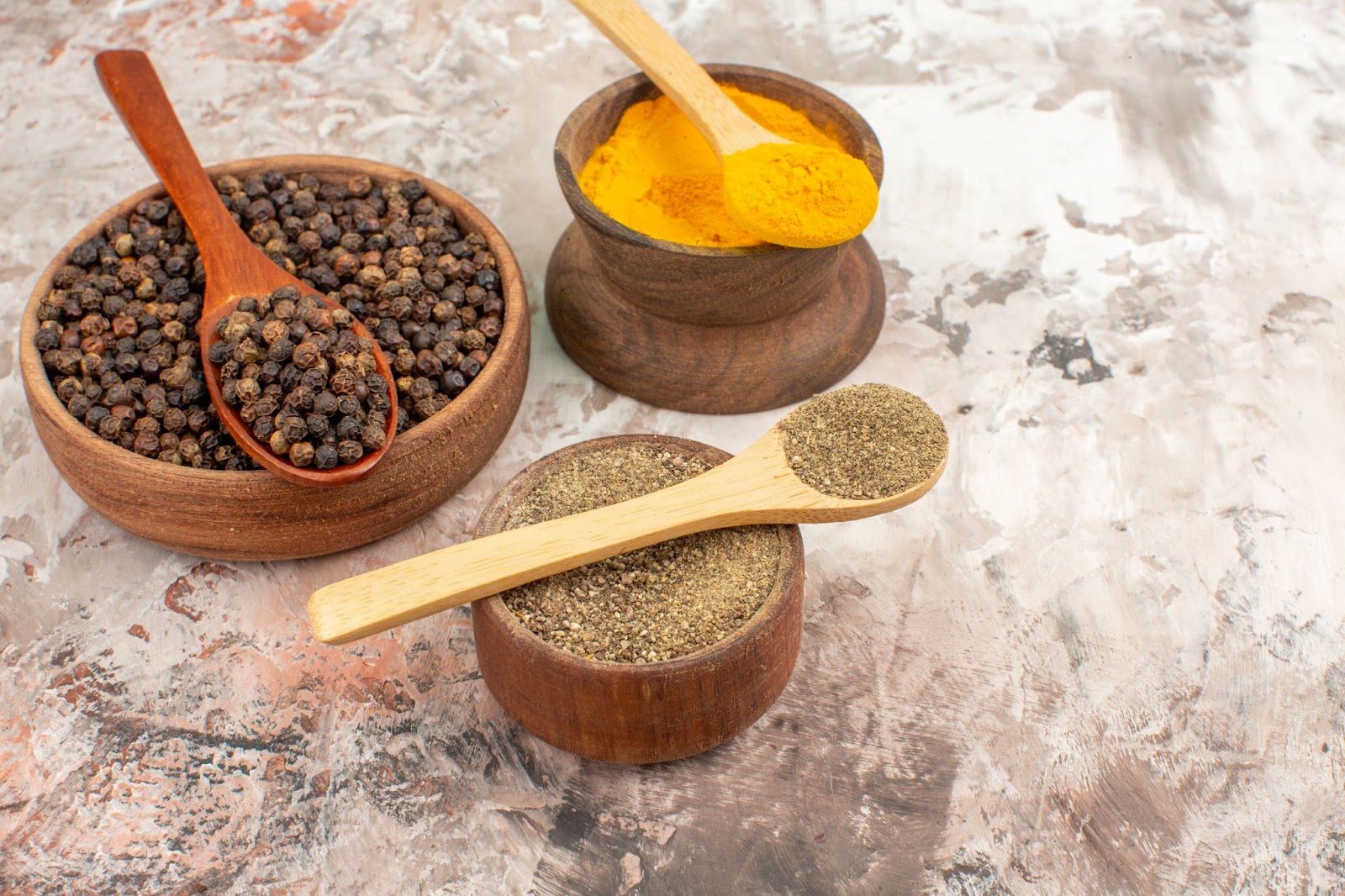
Because ordinary curcumin is poorly absorbed, manufacturers use several delivery approaches. The most familiar is piperine, a compound in black pepper. Piperine can slow some of the processes that break down curcumin, increasing the amount available to the body.
One small pharmacokinetic study, meaning a study of how the body handles a substance, found much greater curcumin exposure when a large curcumin dose was paired with piperine. That result is often simplified into a claim that black pepper increases absorption by 2,000 percent. It should not be treated as a guarantee for every dose, product, or person.
Piperine also deserves caution because it can affect enzymes and transporters involved in processing medications. That creates the possibility of changing medication levels. If you take a prescription medicine, ask your doctor or pharmacist before using a concentrated supplement containing piperine.
Other formulations attach curcumin to phospholipids, which are fat-like components of cell membranes. You may also see micelles, emulsions, nanoparticles, or branded curcumin complexes. These systems aim to improve dispersal, protect curcumin during digestion, or help it cross the intestinal wall. Better absorption does not automatically mean a better anti-aging result. It only means the formulation may deliver more curcumin or keep it in circulation longer.
Curcumin formulations use different delivery systems to address the compound's naturally poor absorption.
When comparing products, check the amount of curcuminoids, the delivery system, the serving size, and the label directions. Do not compare products using total turmeric weight alone. Taking turmeric with a meal containing fat may help with dispersal, but it does not solve every absorption issue.
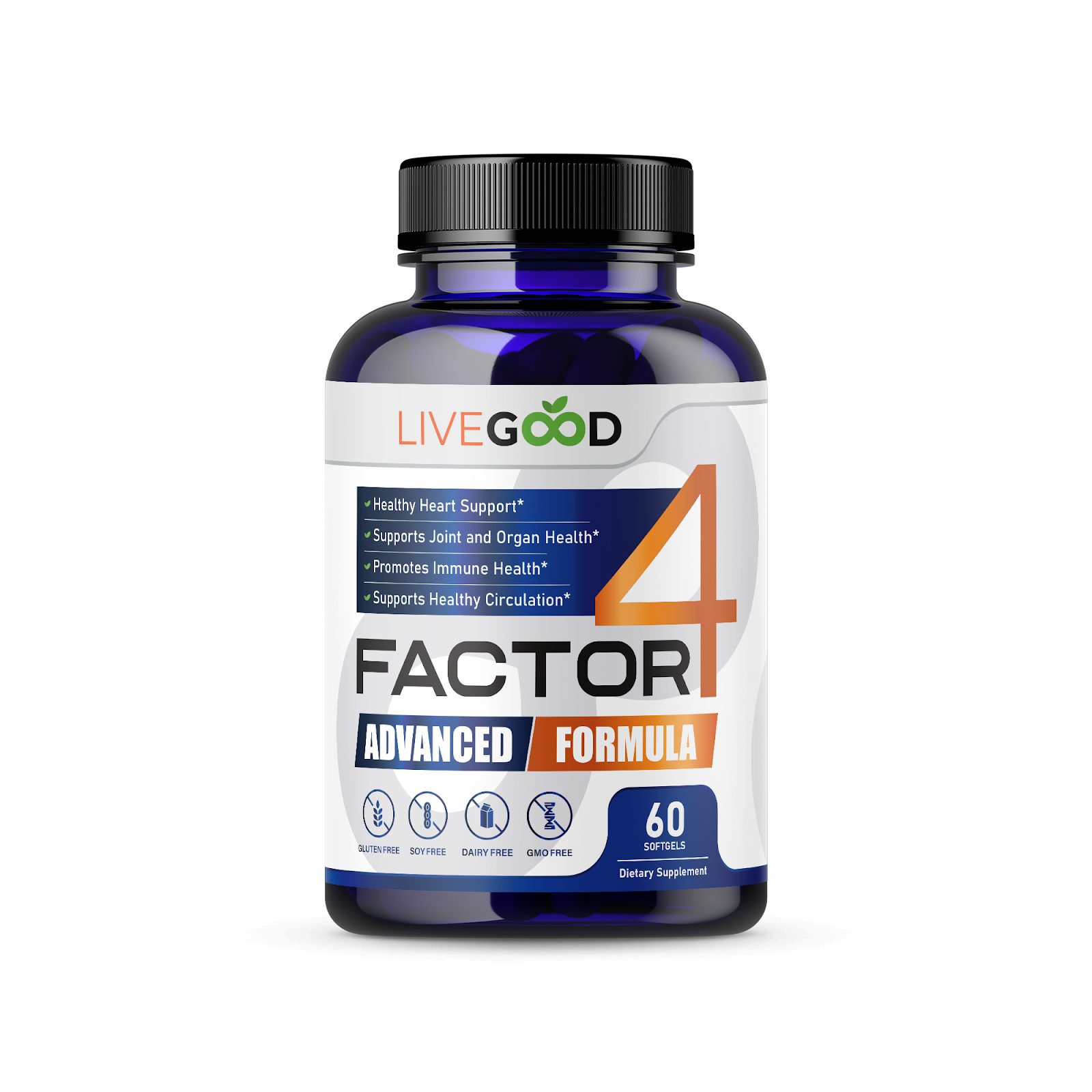
Once you have checked the label and your medication list, Factor4 - Advanced Inflammation Management is a convenient option combining fish oil, turmeric, Coenzyme Q10, and garlic in one bottle. LiveGood's number two seller was formulated by one of the world's top immunologists and is the first and only inflammation management supplement combining these four widely studied ingredients. It is designed to support a healthy inflammatory response. Follow label directions. Members pay $19.95 versus $29.95 retail.
Realistic Expectations
If your goal is healthy aging, think of turmeric as an optional part of a much larger routine. Current research does not give us a dependable timeline for anti-aging effects because those effects have not been demonstrated in humans. You may never feel a clear difference, even if curcumin is interacting with biological pathways.
Start with the basics that have stronger evidence. Move regularly, include resistance and aerobic exercise, eat enough protein and fiber, protect your skin from excessive sun exposure, avoid tobacco, maintain social connections, and give sleep a consistent place in your schedule. Keep up with preventive care recommended by your healthcare team.
If you choose a supplement, follow its label rather than increasing the serving to match a study. Research products can differ greatly from retail formulas, especially in curcuminoid concentration and absorption technology. More is not automatically better. Concentrated turmeric may cause digestive discomfort, and safety data for high-dose, long-term use are limited.
Turmeric and curcumin can also require extra caution. Talk to your doctor before using a concentrated product if you take anticoagulants or other prescription medications, have gallbladder disease, or have a kidney or liver condition. Turmeric may increase bleeding risk when combined with anticoagulants. It may also reduce iron absorption, which matters if you have low iron or take an iron supplement. Ask your doctor during pregnancy or breastfeeding as well.
Honest education means separating an interesting mechanism from a proven human outcome. That approach reflects LiveGood's mission: "Provide the highest quality supplements in the world, at the lowest prices possible." Consistency and informed choices matter more than quick-fix longevity promises.
Frequently Asked Questions
Does turmeric help with anti-aging?
Turmeric has not been shown to slow aging or extend lifespan in humans. Curcumin affects several cellular pathways in laboratory and animal research, but human trials are generally short and measure indirect markers. Turmeric can be part of a balanced diet, yet it should not be treated as a proven anti-aging intervention.
How do you use curcumin for best absorption?
Choose a formulation designed for improved absorption and follow its label directions. Piperine, phospholipid complexes, micelles, and other delivery systems may increase curcumin exposure. Taking curcumin with a meal containing fat may also help with dispersal. Ask your doctor or pharmacist before using piperine if you take prescription medication.
How much turmeric per day?
There is no established daily turmeric dose for anti-aging. Culinary turmeric can be used in food according to taste, while concentrated supplements vary widely in curcuminoid content and formulation. Follow the product label instead of copying a research dose. Talk to your doctor before use if you have a medical condition, take medication, or are pregnant or breastfeeding.
Is turmeric good for skin?
Turmeric may support antioxidant activity, but evidence for visible skin benefits is limited. Small studies have tested different oral and topical preparations, making the results difficult to compare. Turmeric has not been proven to remove wrinkles. Topical products may stain or irritate skin, so patch-test them and continue using sunscreen and gentle skin care.
Who should avoid turmeric?
People with gallbladder disease or a bleeding risk should ask their doctor before taking concentrated turmeric. The same applies if you use anticoagulants, take prescription medication, have kidney or liver conditions, or are pregnant or breastfeeding. Turmeric may also reduce iron absorption, so discuss it with your doctor if you have low iron or use iron supplements.