
Turmeric and Cardiovascular Research: What Is Known
 Written by Ben Glinsky
Ask AI about this article and Factor4 - Advanced Inflammation Management





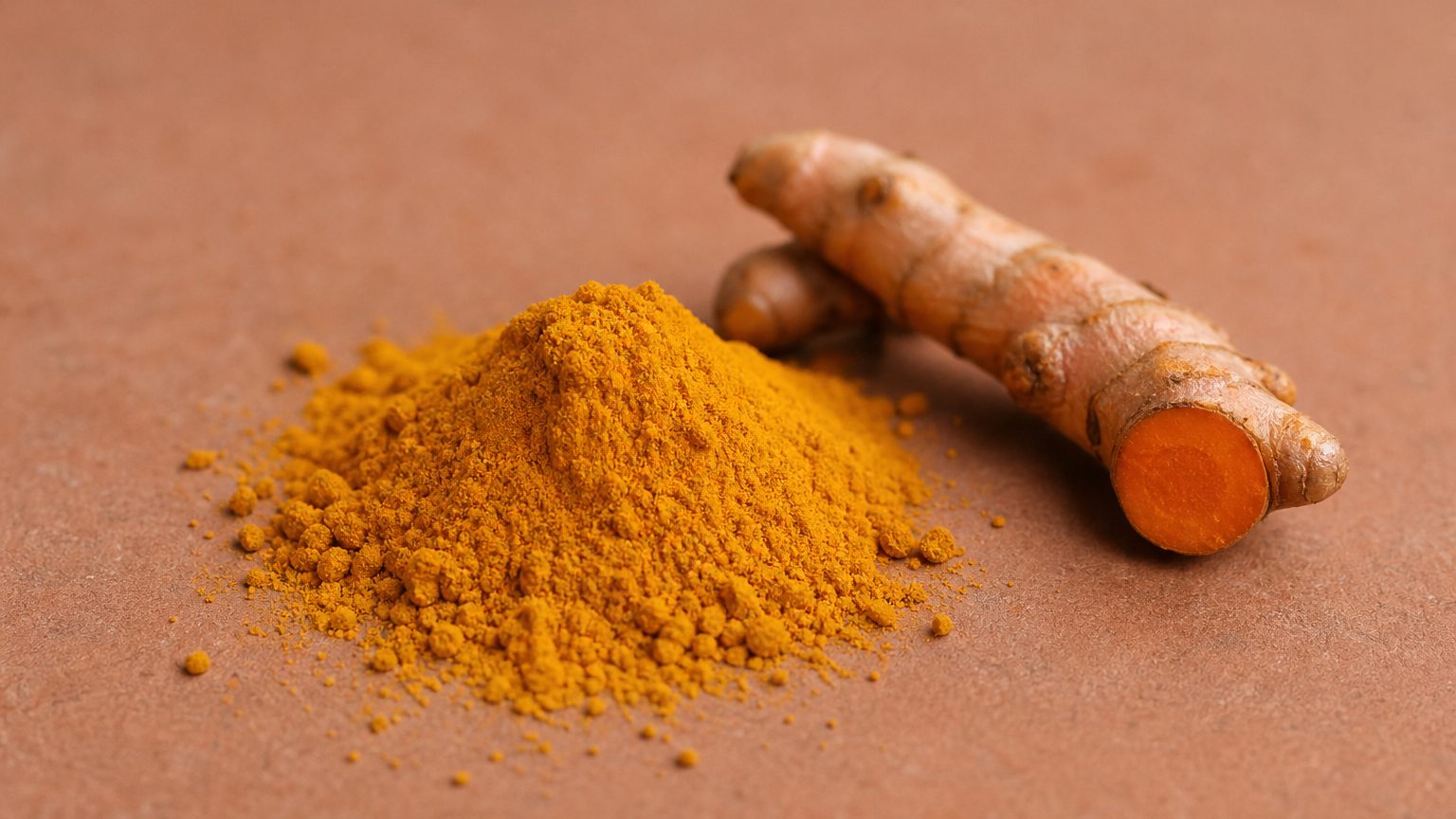
Turmeric for heart health is promising in theory, but the clinical evidence is not strong enough to show that it prevents heart attacks, strokes, or cardiovascular deaths. Most curcumin studies are small and short, and they measure indirect markers rather than major health outcomes. If you take heart medication, especially a blood thinner, talk to your doctor before using a turmeric or curcumin supplement.
Key Takeaways
- Evidence is still limited: Most trials examine cholesterol measures, blood vessel function, blood pressure, or inflammation-related markers rather than heart attacks or deaths.
- Turmeric and curcumin differ: Curcumin generally makes up only about 2-5 percent of turmeric, so food and concentrated extracts deliver very different amounts.
- Absorption is a major hurdle: Standard curcumin is poorly absorbed and quickly processed by the body, making products and studies difficult to compare.
- Medication interactions matter: Concentrated curcumin may increase bleeding risk, especially with anticoagulant or antiplatelet medication.
- Supplements are not replacements: Turmeric cannot replace prescribed medication, medical care, exercise, sleep, or a heart-supportive eating pattern.
What the Cardiovascular Studies Measured
Research on curcumin has examined several measurements connected with cardiovascular health. These include blood lipids, such as LDL cholesterol and triglycerides, blood pressure, blood vessel function, and laboratory signs related to oxidative stress or inflammatory activity. Oxidative stress means an imbalance between unstable molecules and the body's ability to manage them.
One common measure is endothelial function. The endothelium is the thin layer of cells lining your blood vessels. It helps vessels widen and narrow in response to changing blood flow. Researchers may assess it with flow-mediated dilation, an ultrasound test that measures how much an artery widens after blood flow temporarily changes.
Some small trials report improvements in endothelial function or selected lipid measurements after curcumin supplementation. Others show little difference or inconsistent results. Participants also vary widely. A study may involve healthy older adults, people with metabolic concerns, or patients receiving medical care. Findings in one group do not automatically apply to another.
Trial length is another limitation. Many studies last only several weeks or a few months. Cardiovascular disease develops over years, so a short change in a laboratory value cannot tell us whether someone will avoid a heart attack later.

Cardiovascular studies on curcumin usually measure short-term markers rather than heart attacks, strokes, or cardiovascular deaths.
The overall pattern is cautiously interesting, not conclusive. Researchers have identified possible biological effects worth studying, but there is no solid clinical basis for calling turmeric a heart disease treatment or prevention strategy.
Surrogate Markers Are Not Outcomes
A surrogate marker is a measurement used as a stand-in for a health outcome. LDL cholesterol, blood pressure, C-reactive protein, and endothelial function can all provide useful information. However, they are not the same as having fewer heart attacks, strokes, hospitalizations, or cardiovascular deaths.
This distinction matters because supplements often sound more proven than they are. If a small trial finds a modest change in one cholesterol measure, that does not establish that curcumin protects the heart. It also does not show that curcumin removes arterial plaque or "unclogs" arteries. No turmeric supplement should be presented as a substitute for evidence-based cardiovascular treatment.
Surrogate markers can still help researchers decide what to study next. A consistent improvement across several well-designed trials might justify a larger and longer trial. That larger trial would need enough participants and enough time to track meaningful clinical events. Turmeric research has not yet reached that level of certainty.
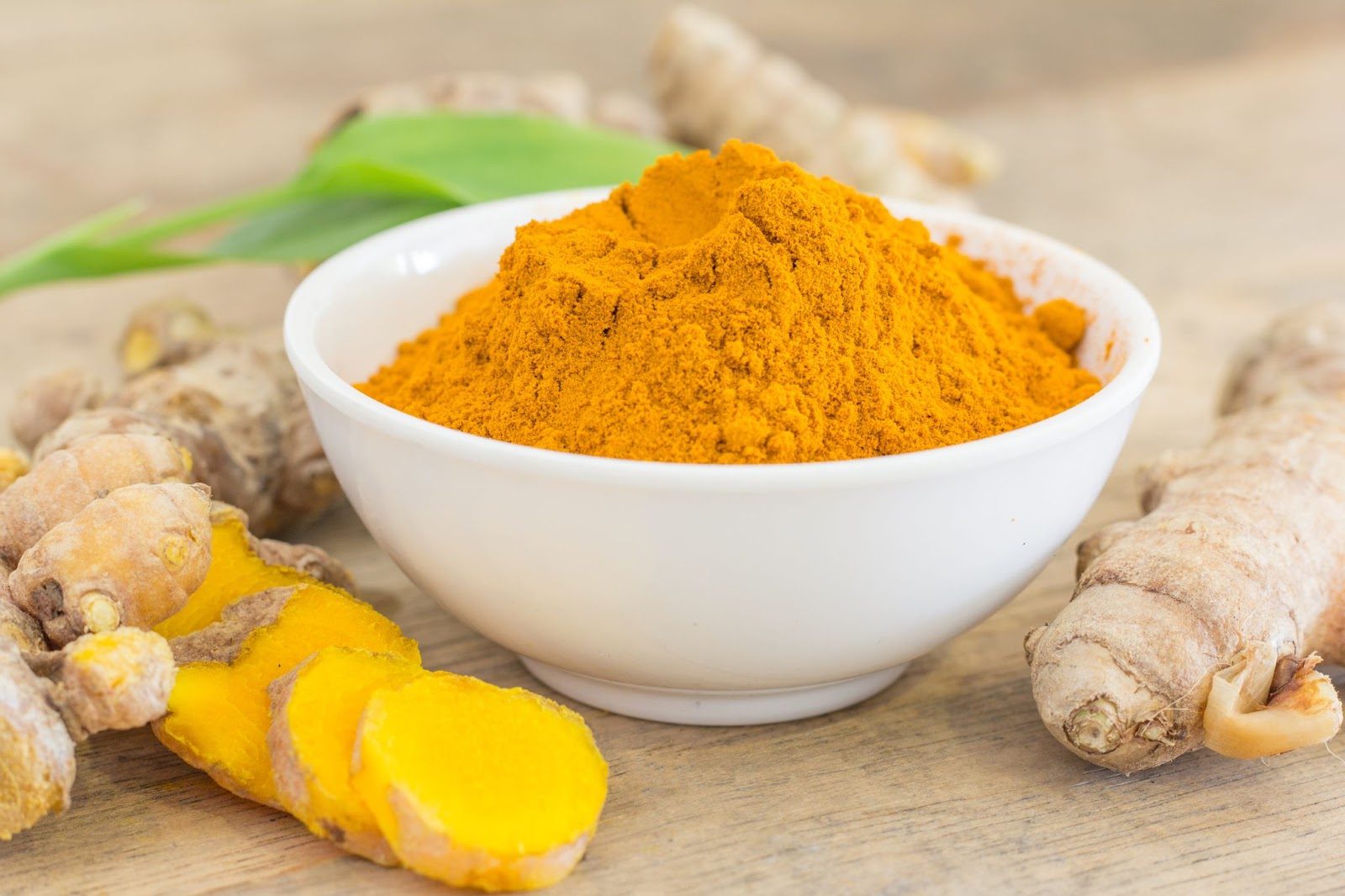
Blood vessel and laboratory measurements can guide research, but they cannot establish that turmeric prevents cardiovascular events.
You should also consider the full body of evidence rather than one positive study. Curcumin trials use different extracts, doses, absorption technologies, participant groups, and endpoints. Small sample sizes make chance findings more likely. Publication bias may also matter, since positive studies are more likely to attract attention.
For proven cardiovascular risk reduction, focus on the plan you build with your healthcare team. That may include prescribed medication, regular movement, adequate sleep, not smoking, and an eating pattern rich in vegetables, fruit, legumes, whole grains, and appropriate protein sources. A supplement can support a routine, but it is not a quick fix.
The Absorption Problem Again
Turmeric and curcumin are often discussed as though they are interchangeable. They are not. Turmeric is the whole spice or root, while curcumin is one group of naturally occurring compounds within it. Curcumin typically accounts for roughly 2-5 percent of turmeric by weight, although the amount varies.
That means 1,000 mg of turmeric powder does not provide 1,000 mg of curcumin. It may provide only a small fraction of that amount. Concentrated extracts can contain much more, which is why safety information for food seasoning cannot automatically be applied to high-dose capsules.
Curcumin also has low bioavailability. Bioavailability means the portion that reaches the bloodstream in a form the body can use. Standard curcumin dissolves poorly, passes through the digestive system with limited absorption, and is processed rapidly after absorption.
Manufacturers may pair it with piperine, a compound from black pepper, or use phospholipids, micelles, nanoparticles, or other delivery systems. These approaches may increase absorption, but they create a comparison problem. A smaller amount of an enhanced formula may produce greater exposure than a larger amount of ordinary curcumin.
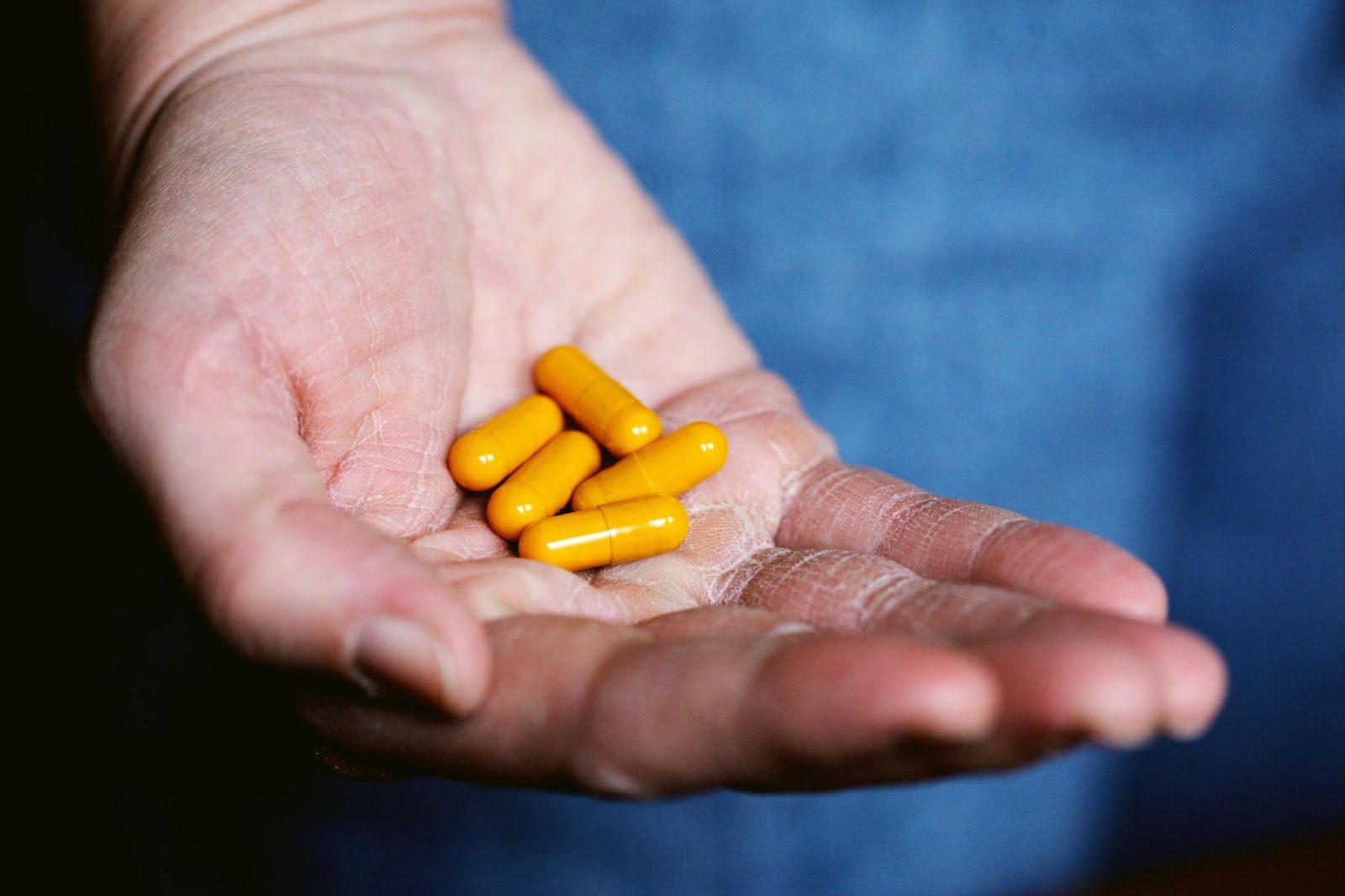
Turmeric contains only a small percentage of curcumin, and standard curcumin is poorly absorbed by the body.
Better absorption is not automatically better for every person. Increasing exposure may also increase side effects or interaction potential. Piperine can affect enzymes and transporters involved in processing medications. If you use prescription drugs, do not assume a high-bioavailability formula is harmless because its ingredients are natural. Ask your doctor or pharmacist to review the complete label first.
Doses Used in Research
Published trials have used a wide range of turmeric and curcumin amounts. Curcumin studies commonly test several hundred milligrams per day, while some have used totals approaching 1,000-2,000 mg daily. These figures describe research protocols, not a recommended dose for heart health.
The form matters as much as the number on the label. A trial may use a standardized extract that identifies its curcuminoid content. Another may use a specialized delivery system intended to increase absorption. A capsule labeled "turmeric 1,000 mg" may therefore be very different from 1,000 mg of a concentrated or enhanced curcumin extract.
Researchers may divide the study amount across the day or give it with meals. That does not mean you should copy the schedule. Participants in clinical trials are screened, monitored, and sometimes excluded because of medication use or existing conditions. Your own risk can be different.
Food-level turmeric is typically less concentrated. You can use it to add color and flavor to soups, vegetables, grains, eggs, and curries. Using spices in place of some salt can also fit a heart-conscious eating pattern. A turmeric latte or tea is not automatically healthy, however. Added sugar, saturated fat, and serving size still count.
Research doses vary by extract and delivery system, so supplement labels cannot be compared by milligrams alone.
For a supplement, follow the label rather than increasing the serving to match a study. Speak with your doctor first if you have cardiovascular disease, take medication, are preparing for surgery, or have liver, kidney, gallbladder, or bleeding concerns. Consistency and safety matter more than chasing the largest amount used in a short trial.
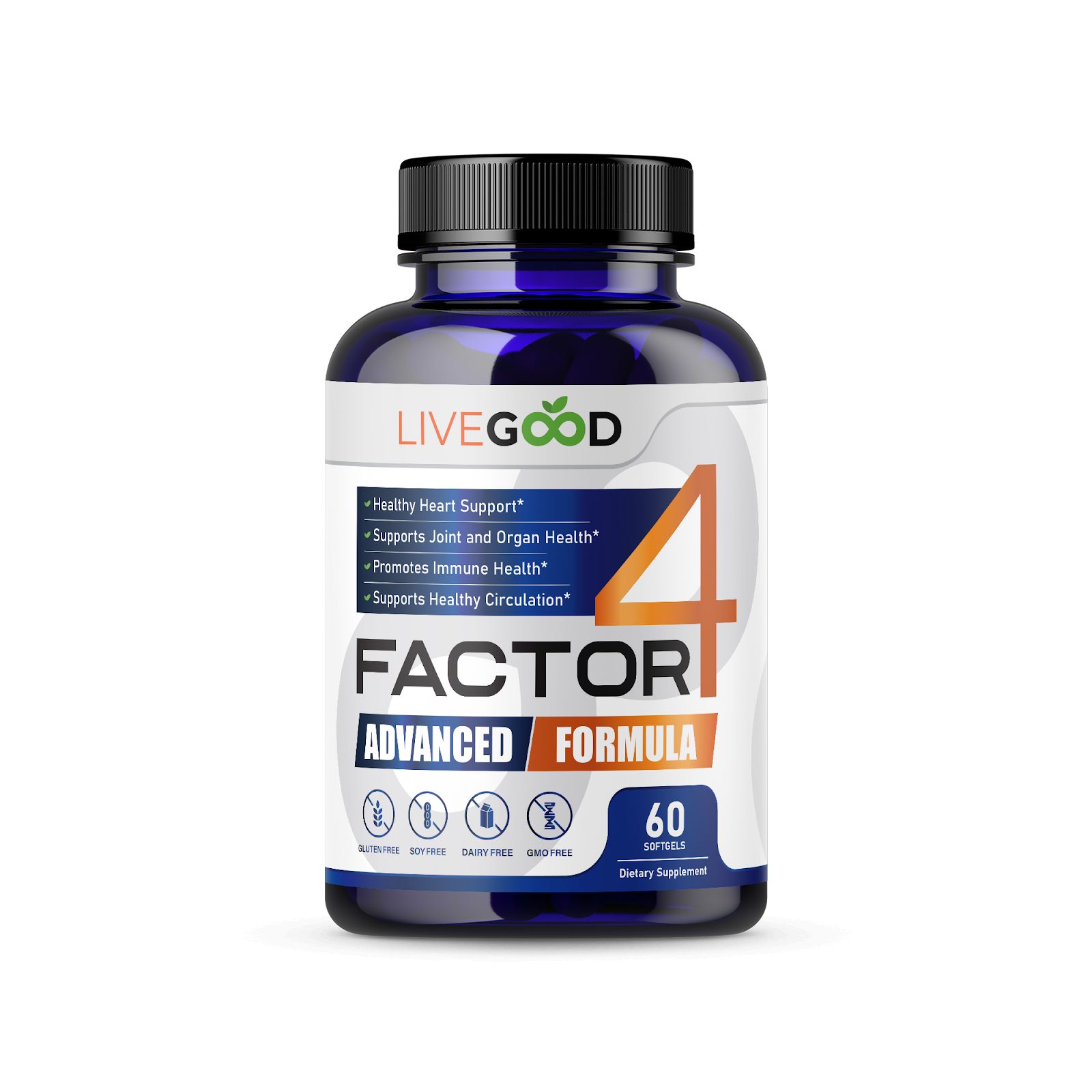
For a convenient combination, Factor4 - Advanced Inflammation Management is LiveGood's number two seller and was formulated by one of the world's top immunologists. LiveGood describes it as the first and only inflammation management supplement combining fish oil, turmeric, Coenzyme Q10, and garlic, four of the world's most powerful anti-inflammatory ingredients, to support a healthy inflammatory response. It is $19.95 for members versus $29.95 retail. Follow its label, and ask your doctor about the full formula if you take medication.
Interactions That Matter for Heart Patients
The most pressing concern is bleeding. Concentrated turmeric or curcumin may affect platelet activity and blood clotting. It is not accurate to call turmeric a natural version of aspirin, but combining a supplement with medication that already reduces clotting could increase bruising or bleeding risk.
This concern includes anticoagulants, often called blood thinners, such as warfarin, apixaban, rivaroxaban, and dabigatran. It also includes antiplatelet drugs such as aspirin and clopidogrel. Do not stop or adjust any of these medications on your own. Ask the prescribing doctor or a pharmacist before adding turmeric, curcumin, piperine, fish oil, garlic, or a combination formula.
Curcumin supplements may also interact with medicines used for blood sugar, and enhanced-absorption ingredients can change how the body processes some drugs. People taking several prescriptions should have the complete ingredient list reviewed rather than asking about turmeric alone.
High-dose turmeric and curcumin extracts have also been linked to documented cases of liver injury. Stop the supplement and seek medical advice if you develop yellow skin or eyes, dark urine, unusual fatigue, persistent nausea, or pain in the upper right abdomen. People with liver disease should talk to their doctor before use.
Extra caution is appropriate if you have a bleeding disorder, gallstones, bile duct problems, kidney disease, or an upcoming procedure. Ask your doctor during pregnancy or breastfeeding as well. If you experience new palpitations, chest pressure, fainting, shortness of breath, or signs of serious bleeding, seek prompt medical care rather than trying to manage the symptom with turmeric.
Frequently Asked Questions
Is turmeric good for your heart?
Turmeric has not been proven to prevent or treat heart disease. Small curcumin trials have reported changes in markers such as endothelial function, triglycerides, or LDL cholesterol, but results are mixed and do not show fewer heart attacks or deaths. Culinary turmeric can fit a balanced diet. Concentrated supplements require more caution, especially if you take heart medication.
How much turmeric is used in studies?
Studies use widely different amounts, often several hundred milligrams of curcumin daily and sometimes up to about 1,000-2,000 mg. That is research context, not a personal dosing recommendation. Turmeric powder, standardized curcumin, and enhanced-absorption extracts are not equivalent. Follow the product label and ask your doctor before supplementing, particularly if you have a medical condition or take prescriptions.
Does turmeric lower cholesterol?
Turmeric should not be expected to lower cholesterol. Some trials and pooled research report modest changes in LDL cholesterol or triglycerides, while others find little or no effect. The studies differ in formulation, dose, duration, and participant health. Do not replace a statin or another prescribed treatment with turmeric, and discuss any supplement with the clinician managing your cholesterol.
Can you take turmeric with heart medication?
You should ask your doctor or pharmacist before combining turmeric supplements with heart medication. Curcumin may increase bleeding risk when used with anticoagulants or antiplatelet drugs, including warfarin, apixaban, rivaroxaban, aspirin, and clopidogrel. Piperine and other absorption enhancers may affect medication processing too. Never stop or change prescribed medicine without guidance from your healthcare professional.
Who should avoid turmeric supplements?
People using blood thinners or antiplatelet drugs should avoid starting turmeric supplements until a clinician approves the combination. Medical guidance is also needed for bleeding disorders, liver or kidney conditions, gallstones, bile duct problems, pregnancy, breastfeeding, and planned surgery. High-dose extracts have been associated with liver injury. Turmeric used as a normal food seasoning usually involves much lower exposure.