
Vegan Amino Acids: Which Ones Are Hardest to Get
 Written by Nauder Khazan
Ask AI about this article and Essential Aminos





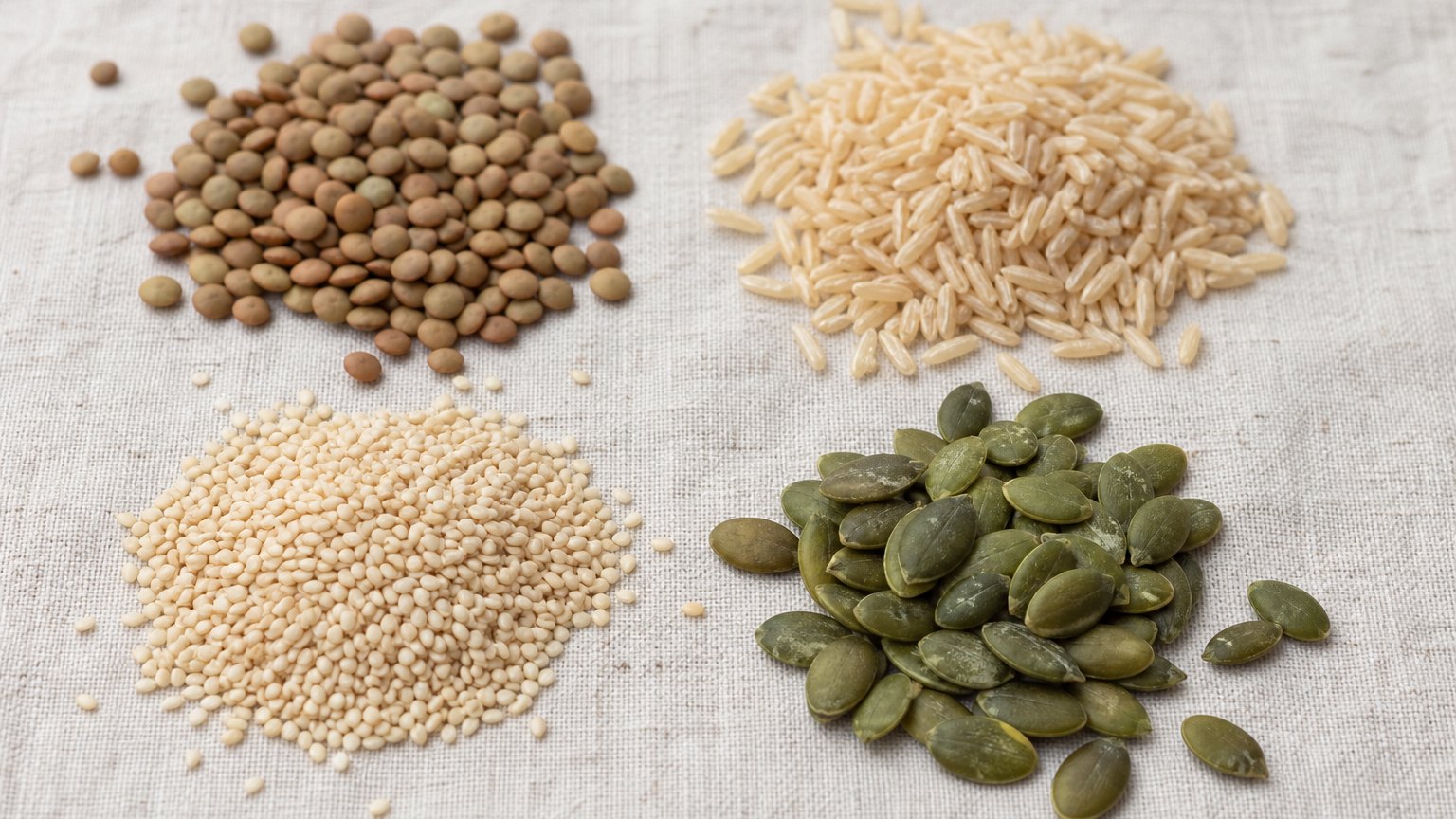
A varied vegan diet can supply all nine essential amino acids. The practical challenge is getting enough total protein and spreading protein-rich foods through the day, with lysine, methionine, and leucine density deserving the closest attention.
Key Takeaways
- Plants provide all nine: Most plant proteins contain every essential amino acid, but the amounts and proportions vary.
- Lysine needs attention: Beans, lentils, peas, tofu, tempeh, and other soy foods are the most practical vegan sources.
- Methionine comes from variety: Grains, seeds, and nuts complement the amino acid pattern of legumes across the day.
- Leucine density matters: Larger or more protein-focused meals may be needed to support muscle protein building.
- Supplements are optional: They can add convenience, but they do not replace a varied diet or adequate total protein.
The 'Incomplete Protein' Myth
Your body uses 20 standard amino acids to build proteins. Nine are considered essential because your body cannot make enough of them on its own. They are histidine, isoleucine, leucine, lysine, methionine, phenylalanine, threonine, tryptophan, and valine. The other 11 can generally be made by the body, although needs can change in certain circumstances.
Calling a plant food an "incomplete protein" can be misleading. Most plant proteins contain all nine essential amino acids. The difference is that one or more may be present in a lower proportion relative to human needs. That amino acid is sometimes called the limiting amino acid.
For example, wheat contains lysine, but not much compared with its total protein. Lentils contain methionine, but their proportion is lower than it is in many grains and seeds. Neither amino acid is truly absent.

A varied selection of plant foods can provide all nine essential amino acids across the day.
You also do not need to combine complementary proteins at every meal. Your body maintains an amino acid pool from the foods you eat, so variety across the day matters more than pairing rice and beans on the same plate. Traditional combinations are still nutritious and convenient, but they are not a biological requirement at each meal.
Soy foods, quinoa, buckwheat, and a few other plants have especially balanced essential amino acid profiles. Even so, a food does not need the "complete protein" label to contribute meaningfully. Fruits may contain all nine amino acids in very small amounts, but most fruit is not concentrated enough in protein to serve as a primary amino acid source.
Lysine: The Usual Limiting One
Lysine is usually the main amino acid to watch on a vegan diet, especially when most protein comes from bread, pasta, rice, or other grains. These foods contribute useful protein, but they tend to provide less lysine per gram of protein than legumes.
The simplest solution is to make legumes a regular part of your routine. Useful options include lentils, chickpeas, black beans, kidney beans, split peas, edamame, tofu, tempeh, and soy milk. Pea-based foods can also contribute. You do not need a different lysine source at every meal, but having a legume or soy food once or twice during the day makes a grain-heavy diet more balanced.
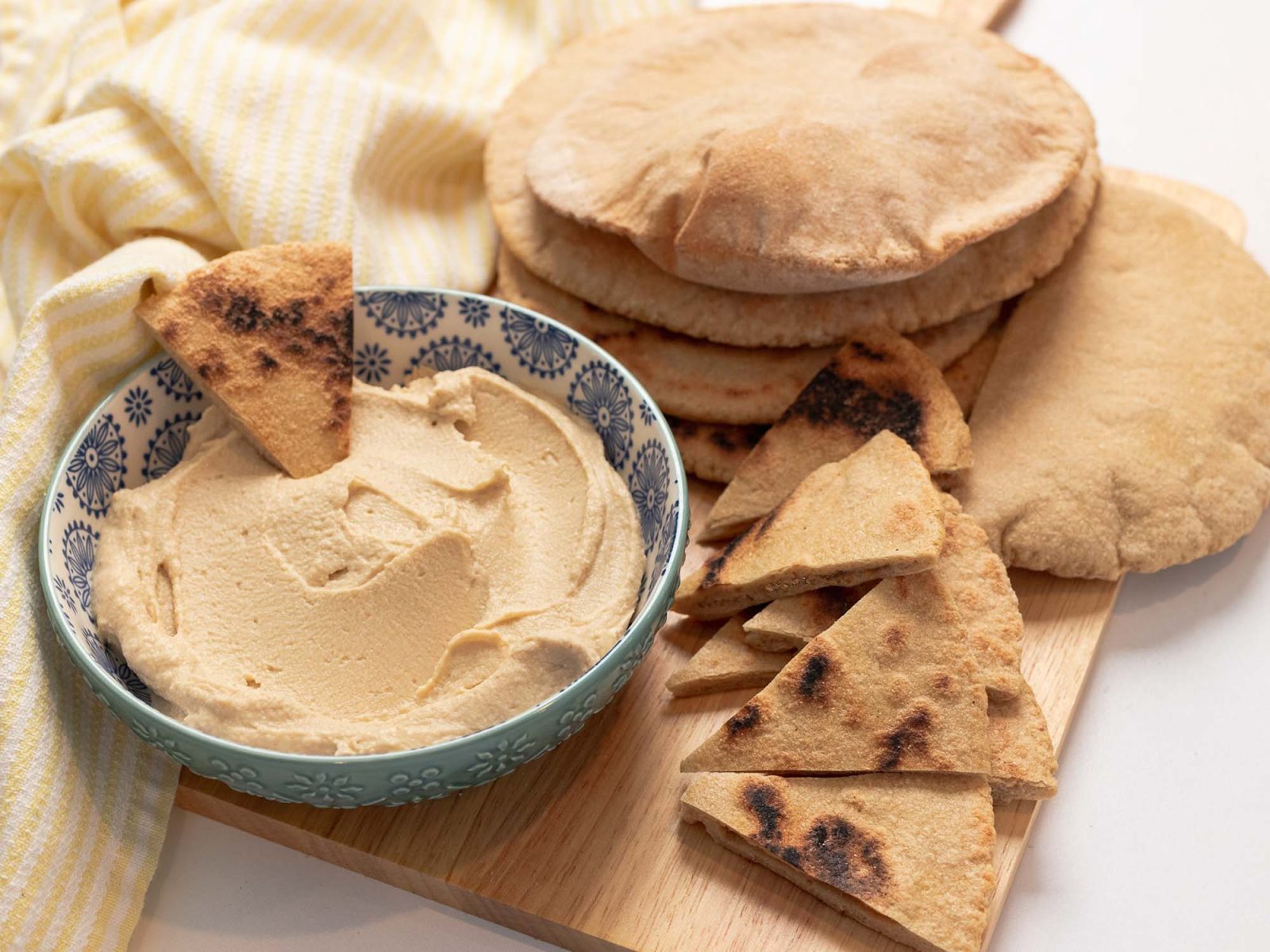
Beans, lentils, peas, tofu, and tempeh are practical lysine-rich choices for vegan meals.
Try adding lentils to soup, blending white beans into a sauce, using tofu in a stir-fry, or choosing a bean filling for tacos. A soy milk smoothie can add protein at breakfast, while roasted chickpeas or edamame work as snacks. These small choices are often easier to maintain than tracking individual amino acids.
Protein quantity still matters. A spoonful of hummus contributes some lysine, but it may not provide enough protein to anchor an entire meal. Look at the whole plate. A substantial serving of beans, lentils, tofu, or tempeh will contribute more than a small garnish.
If your vegan diet already includes legumes, soy foods, varied whole grains, nuts, and seeds, isolated lysine is rarely the first thing to add. Start by checking whether each main meal contains a recognizable protein source.
Methionine and Grain-Legume Pairing
Methionine is an essential sulfur-containing amino acid. "Sulfur-containing" simply describes part of its chemical structure. Your body uses methionine when making proteins and other compounds, but more is not automatically better.
Legumes are rich in lysine yet relatively lower in methionine. Grains, nuts, and seeds generally reverse that pattern. Rice, oats, whole wheat, sesame seeds, sunflower seeds, pumpkin seeds, Brazil nuts, and hemp seeds can all contribute methionine alongside other nutrients.
This is why grain-legume combinations work so well. Beans and rice, lentil soup with whole-grain bread, peanut butter on whole-wheat toast, and hummus with pita provide complementary amino acid patterns. The foods fill each other's relative gaps.
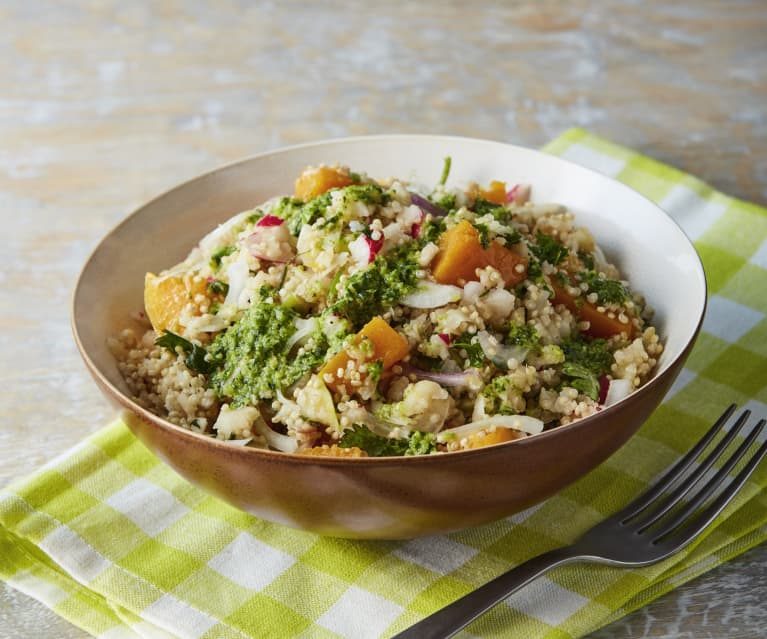
Grains and legumes complement each other's amino acid patterns without needing to be eaten at the same meal.
However, they do not have to meet in the same bowl. You might eat oatmeal with seeds at breakfast, lentils at lunch, and tofu with rice at dinner. Your total intake over the day is the more useful measure. This corrects the older advice that every vegan meal must contain a carefully matched protein pair.
Seeds and nuts are helpful, but portions can be modest because they are energy dense. They also should not displace legumes if lysine intake is already low. Think of legumes as the lysine anchor and grains or seeds as complementary foods.
There is usually no reason to chase isolated methionine when you eat a varied vegan diet with enough calories and protein. Concentrated single-amino-acid supplements can create an imbalance, so use them only with guidance from an appropriate health professional.
Leucine Density and Muscle
Leucine is one of the three branched-chain amino acids, or BCAAs. The other two are isoleucine and valine. Leucine helps signal the process of muscle protein synthesis, which is how your body builds and repairs muscle protein after meals and activity.
Vegan diets can provide leucine, but many plant foods contain less leucine and total protein per serving than meat, dairy, or eggs. That makes density more relevant than simple presence. Spinach contains amino acids, for example, but you would need an impractically large amount for it to function as a major protein source.
Soy foods, lentils, beans, peas, seitan, peanuts, and higher-protein grains are more useful. Pea, soy, and blended plant protein powders can provide a concentrated option. Seitan is high in total protein and leucine but low in lysine, so pairing it somewhere in the day with legumes or soy is sensible.
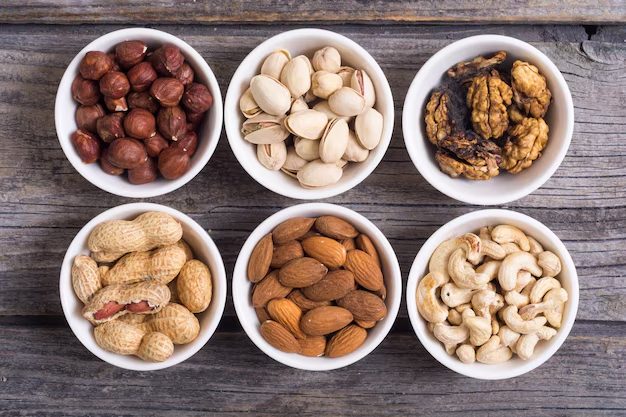
Protein-rich plant foods provide leucine along with the other amino acids needed to build muscle protein.
Research on muscle protein building often uses meals containing roughly 2 to 3 grams of leucine, but this is not a rigid target for every person or meal. Body size, age, activity, meal size, and total daily protein all affect needs and response. Eating more leucine cannot compensate for a diet that is short on calories or the other essential amino acids.
A practical strategy is to distribute meaningful protein servings across breakfast, lunch, and dinner rather than saving nearly all your protein for one evening meal. Older adults and people doing resistance training may find this especially useful for maintaining lean muscle.
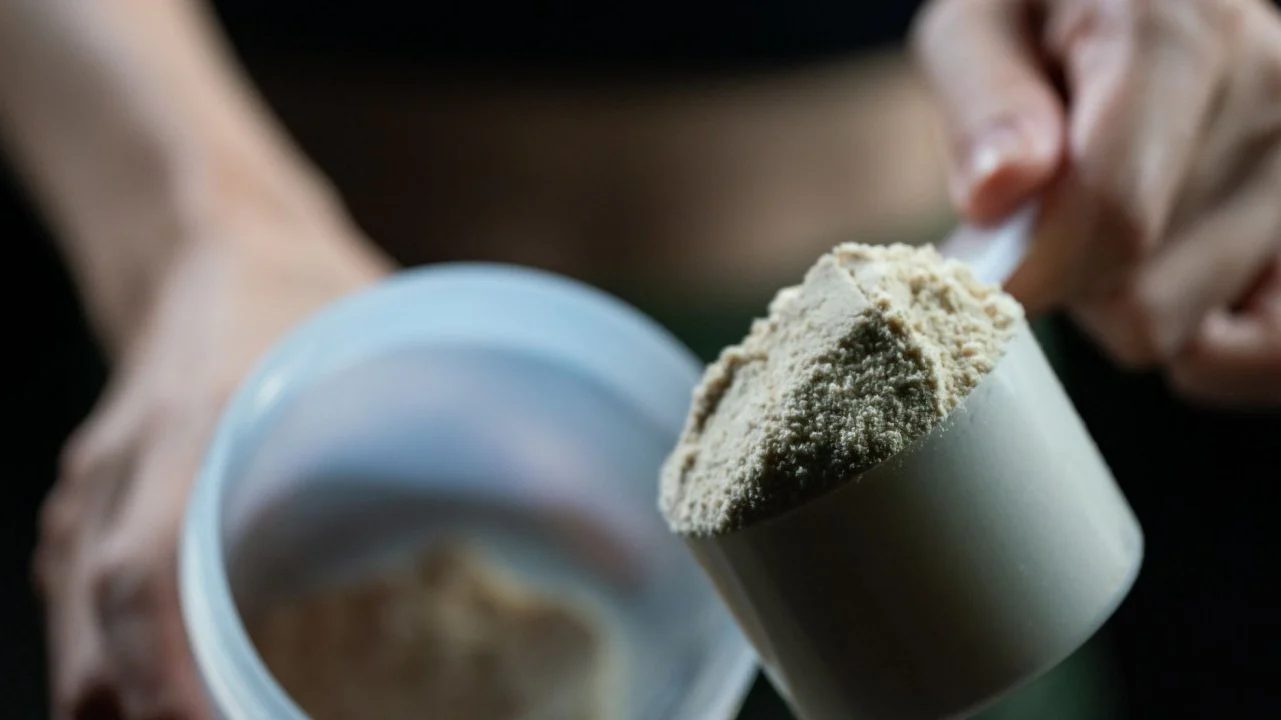
Spreading substantial protein servings through the day can support an active, muscle-focused routine.
Start with food. Add tofu to breakfast, use lentils or beans at lunch, and build dinner around tempeh, seitan with legumes, or another substantial protein. Regular resistance exercise remains a major part of supporting muscle. Amino acids supply building materials, but training provides the reason to use them.
Where Supplements Make Sense
Most vegans do not automatically need an amino acid supplement. Food can cover essential amino acid needs when the diet provides enough calories, total protein, legumes, grains, nuts, seeds, and varied meals. Supplements are a convenience tool, not proof that plant protein is inadequate.
They may make sense when eating enough protein is difficult. Examples include a low appetite, a busy travel schedule, limited food access, multiple food allergies, intense training, or a preference for small meals. Older adults may also value a compact source of essential amino acids when large protein-rich meals are unappealing.
Choose the form that fits the actual gap. A plant protein powder provides protein and calories and may make a light meal more substantial. An essential amino acid formula provides the nine amino acids your body must obtain from the diet in a compact serving. A BCAA-only formula contains just leucine, isoleucine, and valine, so it does not supply all the building blocks required to make new protein. For that reason, BCAAs alone are not equivalent to complete protein or all nine essential amino acids.
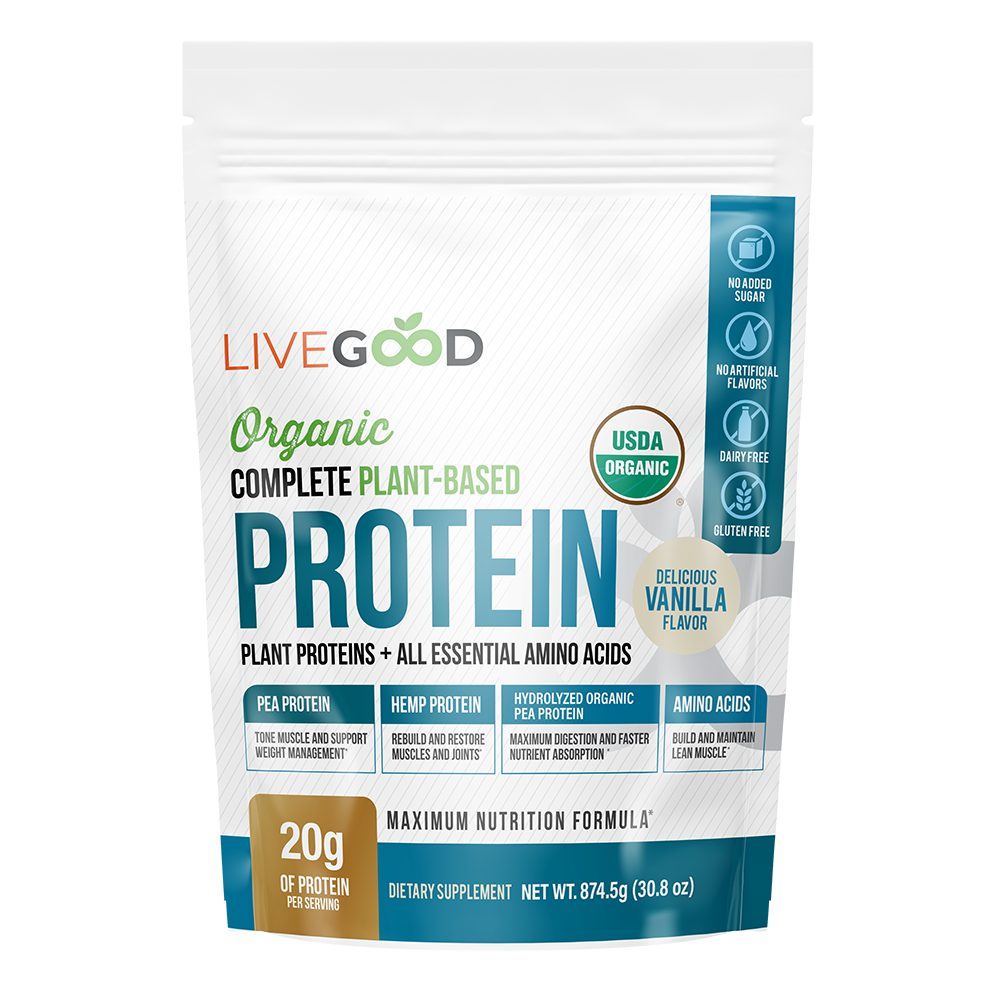
A vegan essential amino acid supplement can offer convenience when food alone is difficult to fit into the day.
Check whether a product is vegan, since amino acids can be produced through fermentation or sourced from animal materials. Review the serving directions, added sweeteners, caffeine, allergens, and electrolyte content. More is not always more useful. Follow the label rather than stacking several amino acid products without a clear reason.
If you take prescription medication, are pregnant or breastfeeding, have kidney or liver concerns, or manage an existing medical condition, talk to your doctor before using an amino acid supplement. Consistency with meals and exercise matters more than quick fixes, and supplements should support that routine rather than replace it.
For a convenient option, Essential Aminos provides an optimized ratio of all essential amino acids, including BCAAs, plus electrolytes to support hydration and help maintain lean muscle as you age. It is vegan, gluten free, non-GMO, and has no sugar or caffeine, in Fruit Punch or Lemon Lime. Members pay $21.95 versus $34.95 retail, supporting LiveGood's mission to "Provide the highest quality supplements in the world, at the lowest prices possible." Follow label directions.
Frequently Asked Questions
Which amino acids do vegans lack?
Vegans do not inherently lack any essential amino acid. Most plant proteins contain all nine, though some provide relatively small amounts of particular amino acids. Lysine is the most common concern in grain-heavy diets, methionine can be relatively low in legume-heavy patterns, and leucine may require larger protein servings. Legumes, grains, seeds, soy foods, and adequate total protein usually cover these needs.
Do vegans need amino acid supplements?
Most vegans do not need amino acid supplements if they eat enough total protein from varied foods. A supplement may be convenient for people with low appetite, demanding training, food restrictions, or difficulty preparing protein-rich meals. It should complement food rather than replace balanced meals. Follow the label and talk to your doctor when medications, pregnancy, breastfeeding, or medical conditions are involved.
Is glycine vegan?
Glycine itself is a single amino acid, so whether a supplement is vegan depends on its source. The body can make glycine, and foods also provide it. Supplemental glycine may come from synthetic production, fermentation, gelatin, or animal collagen. Look for an explicit vegan statement and contact the manufacturer if the source is unclear. Collagen and gelatin-derived glycine are not vegan.
Do you need to combine proteins at every meal?
No, you do not need to combine complementary plant proteins at every meal. Your body can draw from amino acids supplied by different foods throughout the day. Rice and beans or hummus and pita are useful combinations, but eating the foods at separate meals also works. Focus on daily variety, adequate calories, and substantial protein sources rather than perfect pairing at every sitting.
How much protein do vegans need?
Most healthy adults need at least 0.8 grams of protein per kilogram of body weight daily, though individual needs vary. Vegans may benefit from a modestly higher intake because some plant proteins are less digestible. Older adults and active people often need more than the baseline. A registered dietitian or doctor can help personalize intake for your body size, activity, health, and goals.