
Vitamins vs Herbal Supplements: What Is the Difference?
 Written by Nauder Khazan
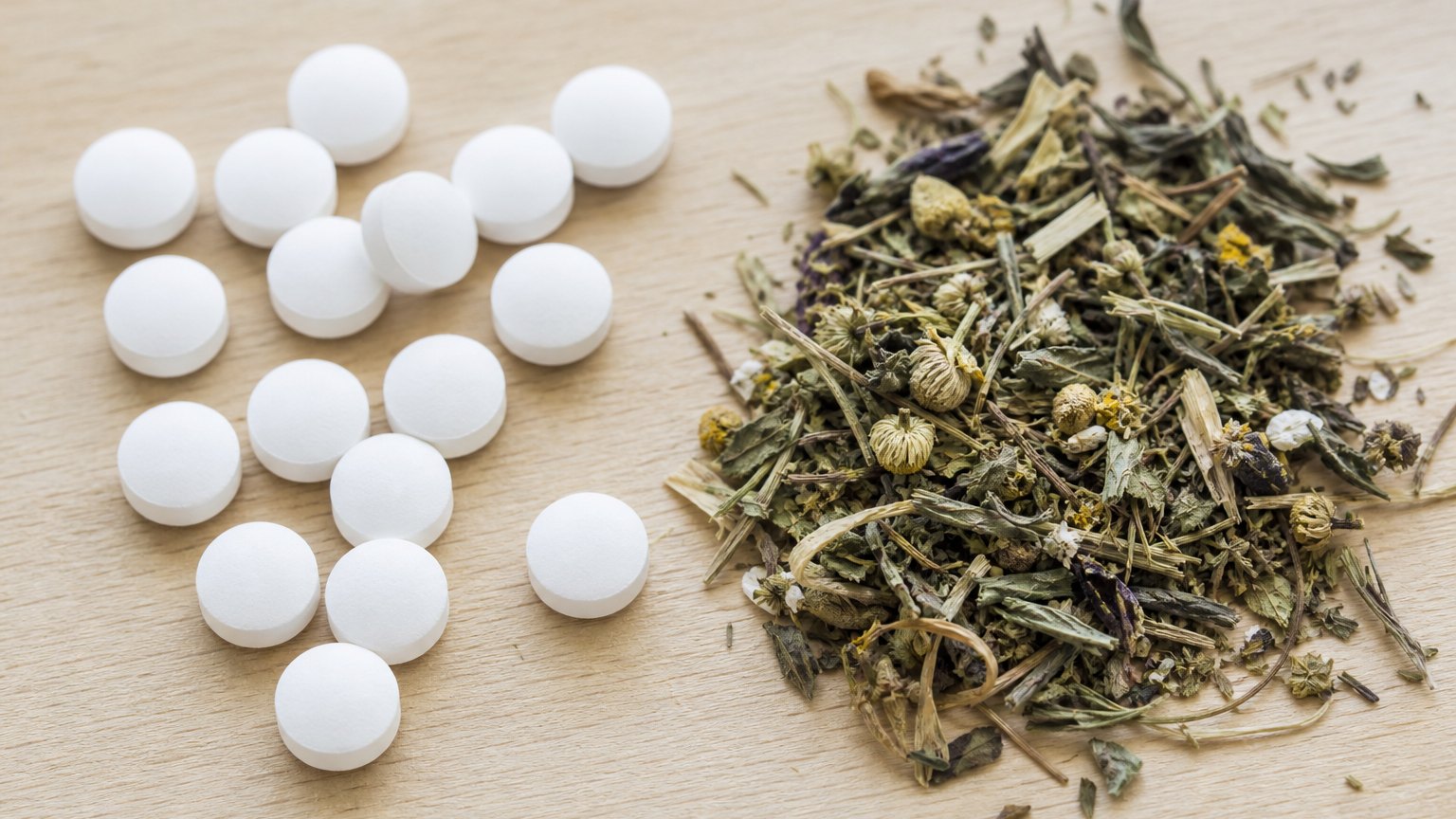
Vitamins are specific nutrients your body needs, while herbal supplements are plant preparations that may contain dozens or hundreds of active compounds. That difference affects dosing, product consistency, evidence, and especially the risk of medication interactions.
Key Takeaways
- Defined nutrients: Vitamins have known chemical identities and established daily intake targets.
- Complex plant mixtures: Herbal supplements contain multiple compounds that can vary by species, plant part, harvest, and processing.
- No herbal RDA: Herbs do not have Recommended Dietary Allowances or nutritional requirements.
- Standardisation has limits: A standardized extract controls one or more markers, but does not guarantee effectiveness or complete consistency.
- Interactions matter most: Herbs generally require more caution around medications, although vitamins can also cause important interactions.
What a Vitamin Is
A vitamin is a defined organic nutrient that your body needs in small amounts for normal function. Vitamin C, vitamin D, folate, and vitamin B12 are examples. Each has a known chemical identity and a recognized role in human nutrition.
Health authorities establish intake targets for vitamins. A Recommended Dietary Allowance, or RDA, is the daily amount expected to meet the needs of nearly all healthy people in a specific age and sex group. When there is not enough evidence for an RDA, an Adequate Intake, or AI, may be used instead. Many vitamins also have a Tolerable Upper Intake Level, or UL. This is the highest average daily intake unlikely to cause harm for most people. Not every vitamin has a UL, and the absence of one does not prove that unlimited intake is safe.
Vitamins can come from food, fermentation, extraction, or laboratory production. Their source does not change the basic category. Vitamin D remains a vitamin whether it comes from fish, lichen, or another manufacturing source. It is not an herbal supplement simply because a plant-based source was used.
Vitamins are usually discussed in measured amounts, such as micrograms or milligrams. Labels may also show a percent Daily Value, which helps you compare the serving with general nutrition recommendations. These reference points make vitamin intake easier to assess than most herbal use, but they do not make high doses automatically beneficial or safe.
What an Herbal Supplement Is
An herbal supplement is made from a plant or plant part used for a purpose beyond basic nutrition. It may contain roots, leaves, flowers, bark, seeds, fruit, or a combination of these. Common forms include dried powders, teas, tinctures, capsules, oils, and concentrated extracts.
Unlike a vitamin, an herb is not one defined nutrient. A single plant may naturally contain many chemical compounds, including oils, pigments, polyphenols, alkaloids, and other plant substances. Some may have biological effects, while others may be inactive or have not been studied. The amount and combination can change from one preparation to another.
Herbs also do not have RDAs because your body does not require a daily amount of echinacea, turmeric, ginseng, or St John's wort to prevent a nutritional deficiency. Traditional use may offer useful context, but it is not the same as proof from well-designed human research. Evidence varies widely by herb, preparation, dose, and intended use.
The word "natural" does not tell you whether an herbal product is safe. Plants can cause side effects, allergic reactions, medication interactions, and toxicity. Concentrated extracts may expose you to much more of a plant compound than you would receive from food or tea.
Some dietary supplements combine vitamins and herbs in one formula. That does not turn the vitamins into herbs. It means the finished product contains ingredients from more than one supplement category, each with its own benefits, uncertainties, and safety considerations.
Why Herbs Vary So Much Between Products
Two bottles with the same herb name may not be chemically equivalent. The first source of variation is plant identity. Related plant species can contain different compounds, even when their common names sound similar. A label should provide the botanical name when possible because that identifies the genus and species more precisely.
The plant part matters too. A root extract may not have the same composition as a leaf powder or seed oil from the same plant. Growing location, soil, rainfall, temperature, harvest time, and storage can further change the final material. Plants naturally respond to their environment, so their chemical profiles are not fixed.
Processing adds another layer. A whole-herb powder is dried plant material ground into particles. An extract uses water, alcohol, or another solvent to pull selected compounds from the plant. Different solvents collect different substances. Extraction time, temperature, and concentration also affect what ends up in the bottle.
Quality problems can create additional differences. These include contamination with microbes, pesticides, heavy metals, or undeclared ingredients. An herb may also be substituted with a cheaper species or diluted with filler material. These issues are not present in every product, but visual inspection alone cannot rule them out.
When comparing herbal labels, check the botanical name, plant part, form, amount per serving, and any extraction details. Independent testing can help verify identity, potency, and contaminants, although a testing seal does not establish that an herb works for a particular goal. Product-specific details matter more than the herb name on the front label.
Standardisation and What It Means
Standardisation is an effort to make an herbal extract more consistent. A manufacturer may adjust or blend batches so they contain a stated amount of a particular compound or group of compounds. These are often called marker compounds because they help identify or measure the extract.
For example, a label might state that an extract is standardized to a certain percentage of a named plant compound. If a 500 mg extract is standardized to 5 percent of that marker, the serving should provide about 25 mg of the marker. That is more informative than seeing only the total weight of the plant material.
However, standardisation does not mean every naturally occurring compound is identical between batches. It may control one marker while dozens of other compounds still vary. A marker can also be chosen because it is easy to measure, not because researchers have confirmed that it produces the desired effect.
Standardized does not mean FDA approved, clinically proven, or safe for everyone. It also does not allow you to assume that two extracts with different processing methods are interchangeable. Research conducted on one specific extract may not apply to every product made from the same plant.
You may also see extraction ratios such as 10:1. This generally describes how much starting plant material was used relative to the finished extract. It does not directly reveal the amount of an active compound, and ratios from different manufacturers may not be comparable.
Use standardisation as one quality clue, not a complete verdict. Look for clear ingredient amounts, the botanical species, plant part, extraction details, and testing for identity and contaminants. Evidence-grounded supplement education should explain both what these label details show and what they cannot prove.
Interaction Risk Is the Real Difference
The most practical difference between vitamins and herbal supplements is often interaction risk. Herbs contain many compounds, and more than one may affect drug absorption, metabolism, transport, or activity. Because herbal products vary, the strength of an interaction can also be difficult to predict.
St John's wort is a clear example. It can increase the activity of certain enzymes and transport proteins that help the body process medicines. As a result, the body may clear some medications too quickly, reducing their effects. It can interact with many prescriptions, including certain antidepressants, hormonal contraceptives, transplant medicines, blood thinners, seizure medicines, and some treatments for serious medical conditions. This is not a complete list.
Vitamins can interact too. Vitamin K can reduce the effect of warfarin, an anticoagulant used to slow blood clotting. People taking warfarin are generally advised to keep vitamin K intake consistent and follow the plan provided by their clinician. They should not remove vitamin K foods or change supplement use without medical guidance.
Other problems can come from additive effects. Multiple supplements that cause drowsiness, affect bleeding, or influence the same body pathway may have a stronger combined effect. An herb can also change laboratory results or create concerns before surgery.
Do not rely only on whether two bottles can be taken at the same time. A meaningful interaction may happen even when they are separated by several hours. Keep a complete list of your supplements, teas, medicines, and doses. Ask your doctor or pharmacist to review it before starting an herb, especially if you take prescription medication.
You should also seek medical guidance during pregnancy or breastfeeding, before surgery, or if you have kidney disease, liver disease, or another existing medical condition. A pharmacist is often an especially practical resource for checking medication interactions.
How Both Are Regulated
In the United States, vitamins and herbs sold as dietary supplements fall under the same broad legal framework. The Dietary Supplement Health and Education Act of 1994, commonly called DSHEA, treats dietary supplements as a category of food rather than as prescription or over-the-counter drugs.
Neither vitamin supplements nor herbal supplements are approved by the FDA for safety or effectiveness before they are sold. Manufacturers are responsible for making sure their products are safe, properly labeled, and produced according to applicable manufacturing requirements. The FDA generally monitors the market and can take action against products that are adulterated, unsafe, or misbranded.
Supplement labels can describe support for normal body structure or function, such as helping maintain normal nutrient status. They cannot legally claim that a supplement diagnoses, treats, cures, or prevents a disease unless the product has gone through the drug approval process. Marketing language should not be mistaken for the level of evidence required for an approved medicine.
The shared legal category does not make vitamins and herbs scientifically identical. Vitamin requirements can be evaluated against established intake standards, blood tests in some situations, and known deficiency conditions. Herbal products usually lack nutritional reference values, and the evidence often applies only to a particular extract or preparation.
Good manufacturing practices can reduce production problems, but they do not prove clinical effectiveness. Likewise, third-party testing may confirm identity, label accuracy, or contaminant limits without showing that a product will deliver a health result.
Follow label directions rather than assuming more is better. If you use prescription medication, are pregnant or breastfeeding, have an existing condition, or are considering a concentrated herbal extract, discuss it with your doctor or pharmacist first.
Frequently Asked Questions
What is the difference between vitamins and herbal supplements?
Vitamins are individual nutrients required for normal body functions, while herbal supplements are plant preparations containing many natural compounds. Vitamins have established intake targets, such as RDAs or AIs, and many have upper limits. Herbs do not have nutritional requirements or RDAs. Herbal products also tend to vary more between brands and may present more complicated medication interaction concerns.
Are vitamins considered herbal supplements?
No, vitamins are not considered herbal supplements. A vitamin remains a defined nutrient even when it is obtained from a plant or produced through fermentation. Vitamin D, vitamin C, and other vitamins belong to the vitamin category. A finished dietary supplement can contain both vitamins and herbs, but those ingredients retain their separate identities and safety considerations.
Are herbal supplements regulated?
Yes, herbal supplements are regulated as dietary supplements in the United States, but they are not approved by the FDA for safety or effectiveness before sale. Manufacturers must follow applicable labeling and manufacturing requirements. The FDA can act against unsafe, adulterated, or misbranded products after they enter the market. Regulation does not guarantee that every product is effective or identical.
Which is safer?
Vitamins are generally easier to evaluate because their identities, nutritional requirements, and safe intake ranges are better defined, but they are not risk-free. High doses can cause side effects or interactions. Herbs often require greater caution because they contain multiple compounds and vary between preparations. Safety ultimately depends on the ingredient, amount, product quality, medications, and your health.
Can you take both together?
Yes, vitamins and herbal supplements can sometimes be taken together, but the combination should be checked for overlapping ingredients and interactions. Separating doses does not prevent every interaction. Ask your doctor or pharmacist to review the full list if you take prescription medicine, are pregnant or breastfeeding, have kidney or liver disease, have another medical condition, or are preparing for surgery.