
What Happens When You Take Colostrum?
 Written by Ben Glinsky
Ask AI about this article and Whey Protein Isolate - With Colostrum





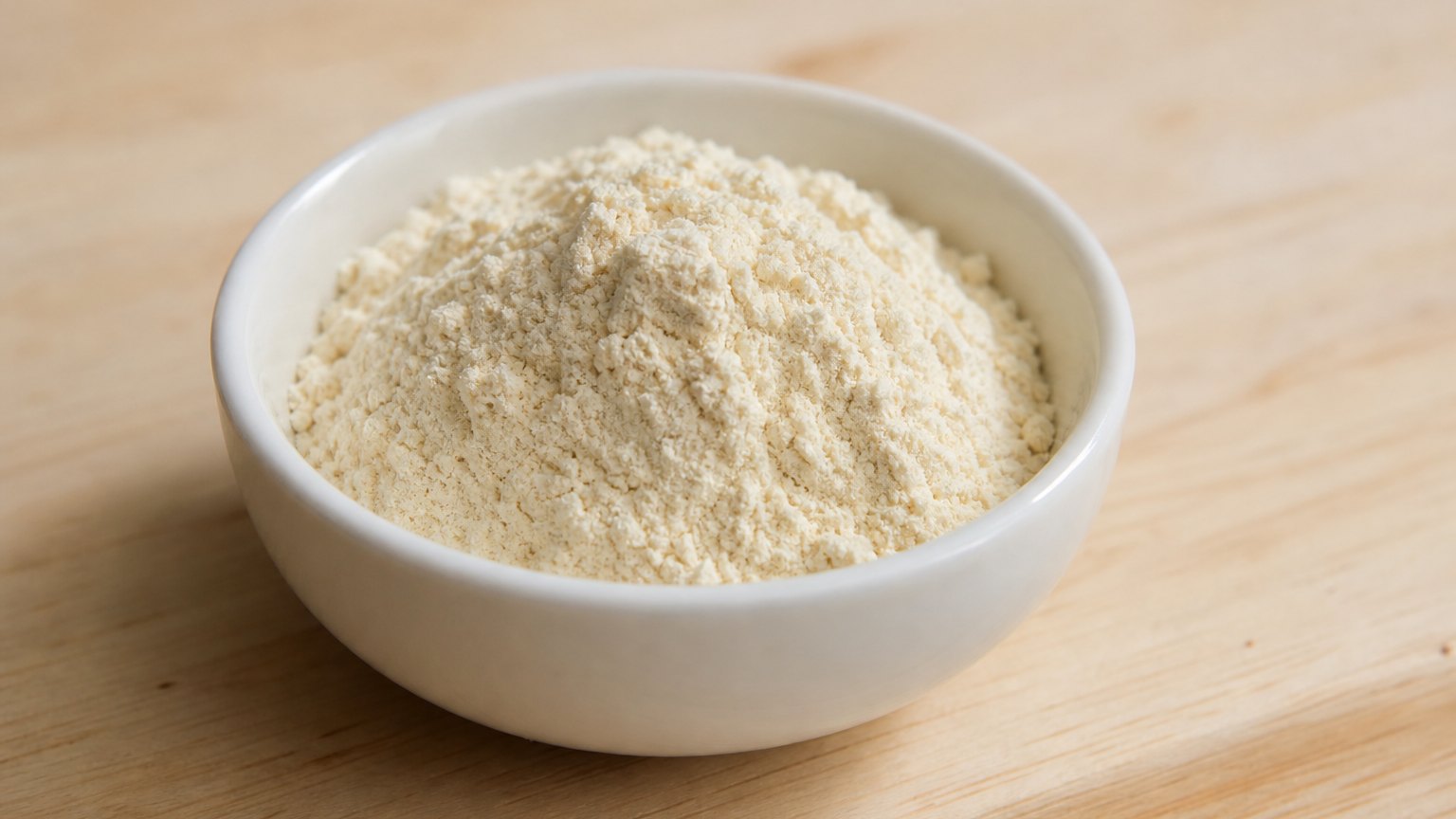
Bovine colostrum gives you proteins and other compounds involved in immune function, nourishment, and tissue growth in newborn calves. In adults, its most credible potential benefit is support for the intestinal barrier, especially during strenuous exercise, but the evidence is still limited. Here is what colostrum contains, what may survive digestion, and what you might realistically notice.
Key Takeaways
- Gut support has the strongest case: Small studies suggest bovine colostrum may help maintain the intestinal barrier during exercise-related stress.
- Digestion is the open question: It is unclear how much of its immunoglobulins, lactoferrin, and growth factors remain intact after passing through the adult digestive system.
- Do not expect an instant feeling: Colostrum is not a stimulant, and many people notice no obvious change during the first few weeks.
- Detox symptoms are not supported: Headaches, diarrhea, or fatigue are not evidence that colostrum is removing toxins.
- Milk allergy requires caution: Anyone with an allergy to cow's milk proteins should avoid bovine colostrum unless a doctor specifically advises otherwise.
What Bovine Colostrum Contains
Colostrum is the first milk a mammal produces after giving birth. Bovine colostrum comes from cows, usually within the first few days after calving. It is dried into a powder for use in dietary supplements and nutrition products. Its natural purpose is to nourish a newborn calf while supporting its developing digestive and immune systems.
Compared with regular milk, bovine colostrum is concentrated in protein and biologically active compounds. These include immunoglobulins, also called antibodies. Antibodies are proteins that recognize particular biological targets. Colostrum is especially rich in immunoglobulin G, or IgG, because calves depend on colostrum to receive early immune protection from their mothers.
Other components include lactoferrin, a protein that binds iron, and growth factors such as insulin-like growth factor 1 and transforming growth factors. Growth factors are signaling proteins involved in normal cell growth, repair, and communication. Colostrum also supplies amino acids, fats, carbohydrates, vitamins, minerals, and smaller peptides, which are short chains of amino acids.

Bovine colostrum naturally contains protein, immunoglobulins, lactoferrin, growth factors, and other nutrients.
This list can sound impressive, but presence is not the same as proven benefit. The role of colostrum in a newborn calf does not tell us what a processed supplement will do in an adult human. As MD Anderson explains, early research is promising in a few areas, but stronger human evidence is needed before broad conclusions can be made.
The Digestion Question
The central question in colostrum research is simple: how much of these compounds survives adult digestion in a useful form? Proteins normally encounter stomach acid and digestive enzymes that break them into smaller peptides and amino acids. That process is essential for nutrition, but it may reduce the activity of antibodies, lactoferrin, and growth factors before they reach the small intestine.
Some colostrum proteins may remain partly intact, especially when a product has been processed gently or when the surrounding food matrix offers temporary protection. Laboratory tests can measure resistance to digestion, but those results do not automatically show that a compound has a meaningful effect inside a living person. Processing temperature, storage, serving size, timing, and individual digestion can all change the result.

Adult digestion may break down some of colostrum's biologically active proteins before they reach the intestine.
Even when an antibody does survive, it is not expected to enter an adult's bloodstream in large amounts. An adult intestinal barrier is very different from the barrier of a newborn calf. The more plausible site of action is inside the gut, where surviving proteins may interact with microbes, food components, or the cells lining the digestive tract.
This distinction matters. Taking bovine colostrum does not simply transfer a cow's immune system into your body. It also does not mean its growth factors will automatically build muscle or accelerate whole-body repair. Digested proteins still provide amino acids, but the special effects attributed to intact colostrum compounds remain uncertain. Better studies are needed to measure survival, local activity, and meaningful outcomes in adults.
Gut Barrier Research
The intestinal barrier is the layer of cells that separates the contents of your digestive tract from the rest of your body. These cells are joined closely together and covered by mucus. The barrier allows water and nutrients through while helping keep larger unwanted substances inside the intestine. Researchers use the term intestinal permeability to describe how easily certain substances cross this lining.
Strenuous exercise, heat, reduced blood flow to the digestive tract, and some medications can temporarily increase intestinal permeability. This has made athletes a major focus of bovine colostrum research. Several small studies have tested whether taking colostrum before a period of demanding exercise helps maintain barrier function. Some reported favorable changes in laboratory markers or sugar-based permeability tests. Other studies found little difference, and methods varied widely.

Early research focuses on whether bovine colostrum helps maintain the intestinal barrier during strenuous exercise.
Taken together, the findings suggest a possible benefit, not a settled conclusion. Many trials have included small groups, lasted only days or weeks, or used doses and products that are difficult to compare. A change in a laboratory marker also does not guarantee that you will feel better, recover faster, or avoid digestive discomfort.
You may hear intestinal permeability described online as "leaky gut." That phrase is often used to explain a wide range of unrelated symptoms, but it is not an accepted stand-alone medical diagnosis. Colostrum has not been proven to treat a gut condition. The most accurate statement is that early research suggests bovine colostrum may help maintain intestinal barrier integrity under certain forms of physical stress. Larger, independent human trials are still needed.
What People Report in the First Weeks
Many people feel nothing obvious when they begin taking colostrum. That is normal. Colostrum is not caffeine, and it should not produce a quick energy rush. If it supports the intestinal barrier or immune function, those changes may be subtle and may not create a sensation you can identify from day to day.
Some users report steadier digestion, less discomfort during demanding training, or easier recovery. Those experiences can be genuine, but they do not prove that colostrum caused the change. Training load, sleep, hydration, food choices, stress, and expectations can all affect how you feel. Research on exercise performance and recovery is mixed, so faster recovery should not be treated as a guaranteed result.
Colostrum is not a stimulant, so many people notice no immediate change after adding it to their routine.
Digestive side effects can also occur. You might notice gas, nausea, bloating, loose stool, or a different stool pattern, particularly after adding a new powder or increasing protein intake. Check the full ingredient list because sweeteners, flavors, enzymes, and other added ingredients may be responsible rather than the colostrum itself.
There is no evidence for a "colostrum detox reaction." Headaches, fatigue, diarrhea, rashes, or flu-like feelings do not show that toxins are leaving your body. They may reflect an intolerance, an allergy, an unrelated illness, or another ingredient. Stop using the product and seek medical guidance if symptoms are persistent, severe, or suggest an allergic reaction. Daily use does not guarantee that benefits will build indefinitely, so evaluate your routine by realistic goals rather than dramatic promises.
Who Should Avoid It
Bovine colostrum contains cow's milk proteins. If you have a diagnosed milk protein allergy, avoiding it is the safest course unless your doctor has specifically recommended otherwise. An allergic reaction can involve hives, swelling, wheezing, vomiting, or difficulty breathing. Trouble breathing or swelling of the face, mouth, or throat requires urgent medical care.
Lactose intolerance is different from a milk allergy. Lactose intolerance happens when you have difficulty digesting lactose, the natural sugar in milk. Some colostrum powders contain little lactose, while others may contain enough to cause gas, cramping, or diarrhea. A low-lactose label does not make a product safe for someone with a milk protein allergy.
Children should not be given a bovine colostrum supplement simply because human colostrum is valuable to babies. They are different substances used in different circumstances. Ask a pediatrician before giving any dietary supplement to a child. If you are pregnant or breastfeeding, talk to your doctor before use because adult supplement safety data during these stages are limited.
You should also talk to your doctor if you take prescription medication or have kidney disease, liver disease, cancer, an immune-related condition, or another existing medical condition. A clinician can consider the complete formula, not just the featured ingredient. Choose products from transparent sources and avoid raw, unpasteurized colostrum. Because processing affects both safety and protein activity, manufacturing quality matters as much as the amount listed on the label.
Timing and Dose
There is no established best time to take bovine colostrum for every adult. Some brands recommend an empty stomach based on the idea that fewer foods and enzymes may interfere with its proteins. However, there is not strong evidence that empty-stomach use produces better real-world results. Taking it with food may be more comfortable if you are prone to nausea or digestive upset.
Follow the serving directions on your product rather than trying to copy a research dose. Studies have used very different amounts, forms, and schedules. A dose tested in one study may not apply to another product because immunoglobulin content, processing, and added ingredients vary. Do not increase your serving simply because you did not feel an immediate effect.
For exercise, consistency may matter more than taking it at a precise minute before training. Studies examining the gut barrier often use daily supplementation over a set period rather than treating colostrum like a fast-acting pre-workout. If your product also contains protein, taking it around a workout or with a meal may fit naturally into your existing nutrition routine.
Give yourself a consistent trial while tracking a specific outcome, such as digestive comfort during long workouts. Change only one part of your routine when possible. If nothing meaningful changes, there is no reason to assume that taking more will help. Supplements should support a balanced diet, sleep, hydration, and sensible training, not replace them. Ask your doctor about timing and dose if you take prescription medication, are pregnant or breastfeeding, or live with a kidney, liver, or other medical condition.
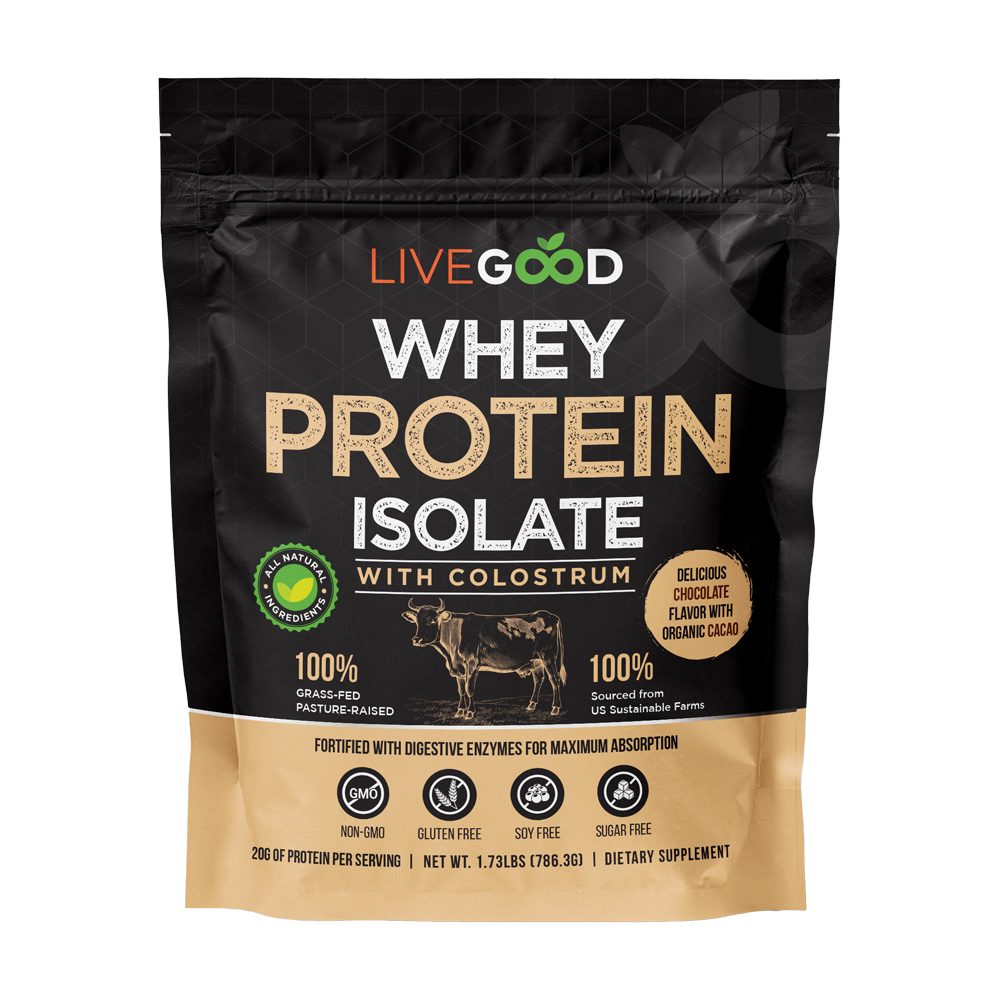
For a convenient protein routine, LiveGood Whey Protein Isolate - With Colostrum combines chocolate whey protein isolate made with organic cacao, colostrum, and digestive enzymes to support absorption, gut health, and immune function. Each serving provides 20 grams of clean protein with all nine essential amino acids. It is 100% grass-fed, pasture-raised, and sourced from sustainable US farms. Members pay $39.95 versus $49.95 retail, helping make daily wellness more accessible through LiveGood's membership model.
Frequently Asked Questions
What happens when you take colostrum?
When you take colostrum, its proteins enter your digestive system, where some are broken into amino acids and others may remain partly intact. Surviving immunoglobulins, lactoferrin, and growth factors may act locally in the gut. You may notice no immediate feeling. Research suggests possible intestinal barrier support, particularly during strenuous exercise, but adult evidence remains limited.
What does colostrum do for you?
Colostrum may help maintain the intestinal barrier and provide protein, amino acids, immunoglobulins, lactoferrin, and growth factors. Its clearest area of adult research involves gut barrier changes associated with intense exercise. Claims about major energy, weight loss, muscle growth, detoxification, or broad immune protection go beyond what current human evidence can establish.
When is the best time to take colostrum?
The best time to take colostrum is whenever you can follow the label consistently and tolerate it comfortably. Empty-stomach use is often promoted, but it has not been clearly shown to work better. If your formula also contains protein, taking it with breakfast, after exercise, or alongside another meal can make it easier to maintain as part of your routine.
Does colostrum give you energy?
Colostrum does not usually provide a noticeable energy boost because it is not a stimulant. A product containing colostrum may supply calories, protein, or other ingredients that support normal nutrition, but that is different from an immediate surge. Reports of greater stamina or recovery are inconsistent, and sleep, meals, hydration, and training have a much larger influence on daily energy.
Are there side effects of colostrum?
Colostrum can cause gas, bloating, nausea, loose stool, or other digestive discomfort in some people. Anyone allergic to cow's milk proteins should avoid it unless directed by a doctor. Symptoms are not evidence of a detox reaction. Stop taking it and seek medical advice for persistent problems, and get urgent help for breathing difficulty, facial swelling, or another severe allergic response.