
Whey Protein Before or After a Workout: Does It Matter?
 Written by Ben Glinsky
Ask AI about this article and Whey Protein Isolate - With Colostrum





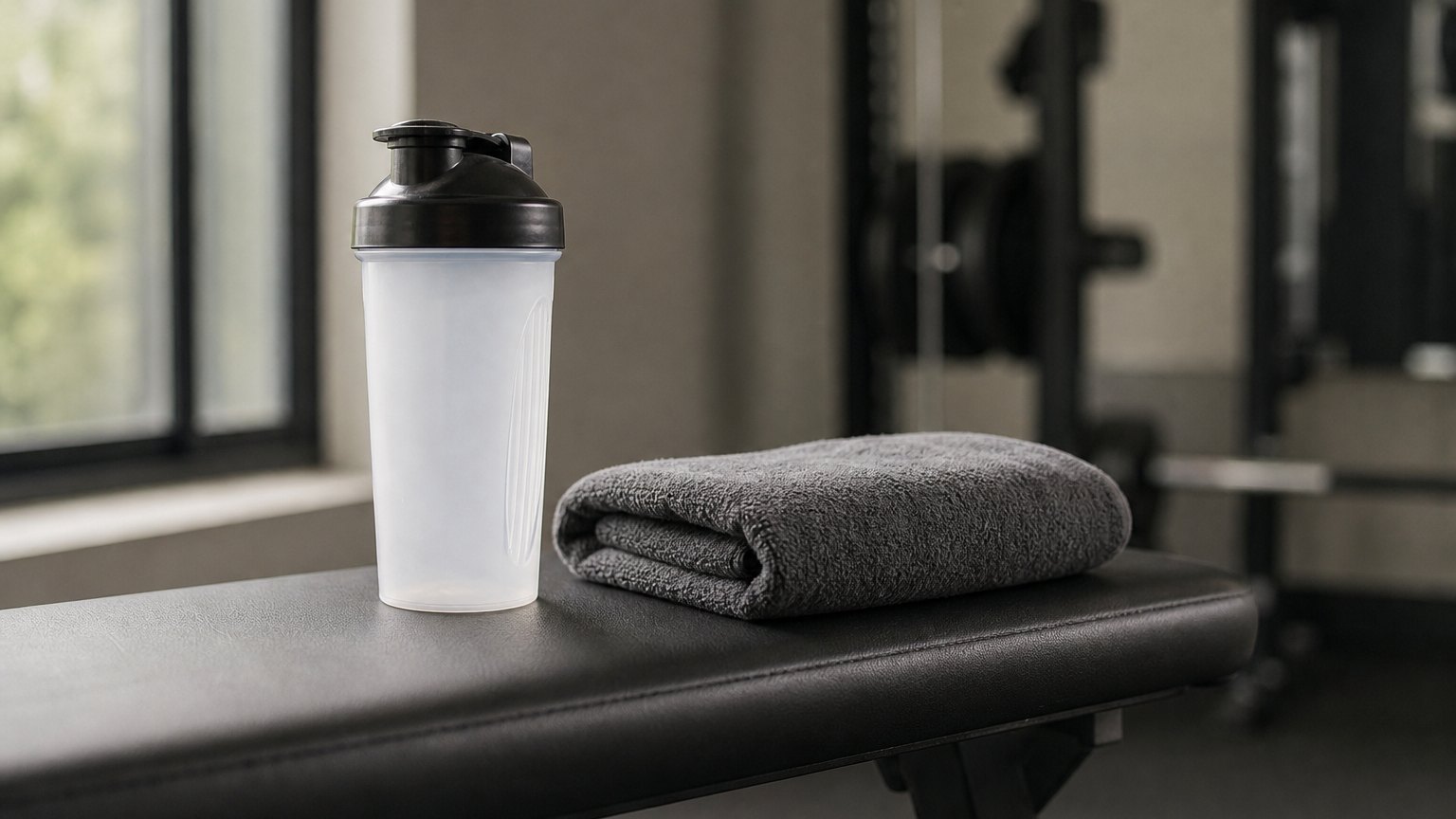
You can take whey protein before a workout, but doing so is not clearly better than taking it afterward. Your total daily protein intake, training routine, and digestive comfort matter much more than hitting a narrow timing window. Here is how to choose a schedule that works without overthinking your shake.
Key Takeaways
- Prioritize your daily total: Getting enough protein across the day matters more than drinking whey at an exact minute.
- Choose the comfortable time: A pre-workout shake is useful only if it sits well while you train.
- Skip the window anxiety: The post-workout opportunity for protein lasts much longer than 30 minutes.
- Do not expect stimulation: Whey provides protein, not the caffeine-like energy associated with many pre-workout products.
- Build a repeatable routine: Before or after can both work, so choose the option you can follow consistently.
Whey Is Not a Pre-Workout Stimulant
Whey protein can be consumed before exercise, but it is not a pre-workout in the usual supplement sense. Most products labeled as pre-workouts are designed to create an immediate feeling or support training performance. They may contain caffeine, beta-alanine, or other ingredients. Caffeine stimulates the central nervous system. Beta-alanine may cause a harmless tingling sensation in some people.
Whey works differently. It is a milk-derived protein that supplies amino acids, the small building blocks your body uses to make and repair proteins. Whey contains all nine essential amino acids. These are called essential because your body cannot produce them on its own, so you must get them through food.

Whey supplies protein and essential amino acids, but it does not act like a stimulant-based pre-workout.
Drinking whey before lifting does not usually create a burst of energy, sharper focus, or an immediate strength increase. It also should not replace carbohydrates when you need readily available workout fuel. Carbohydrates are generally more useful for supporting demanding or longer training sessions, particularly when you have not eaten recently.
Think of whey as a convenient food supplement rather than a performance switch. It can help you reach your daily protein target when a full meal is inconvenient. That benefit applies whether you drink it before training, after training, or at another time during the day. If you want a stimulant effect, whey alone is unlikely to provide it.
The Anabolic Window Was Overstated
The anabolic window is the idea that you must consume protein within roughly 30 minutes after exercise or miss your chance to support muscle recovery. This claim became popular because resistance training increases muscle protein synthesis, the process your body uses to build new muscle proteins. Protein supplies the amino acids needed for that process.
The basic biology is real, but the deadline was exaggerated. Your muscles remain responsive to protein for hours after a workout. Research reviews have found that the timing question depends partly on when you last ate, how much protein you consume overall, and whether your training creates a reason to eat soon afterward.
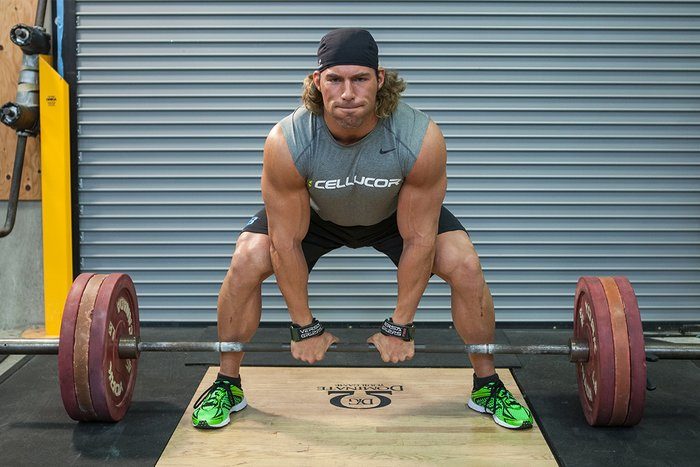
The opportunity to consume protein around exercise lasts longer than a strict 30-minute window.
A peer-reviewed review of nutrient timing concluded that sufficient daily protein and sensible distribution are more important than a rigid pre-workout or post-workout deadline. In practical terms, a meal containing protein a few hours before training still contributes amino acids during and after your session. You do not suddenly become empty when the workout ends.
This does not mean timing is completely irrelevant. It means the window is broad enough to fit real life. If you ate a protein-rich lunch and trained in the afternoon, there is no need to race toward a shaker bottle after your final repetition. If you trained before breakfast or went many hours without eating, having protein afterward is a reasonable priority. The larger pattern matters more than the stopwatch.
Why Total Daily Protein Matters More
Your body responds to the protein you eat throughout the full day, not just the serving closest to your workout. A shake cannot make up for a consistently low-protein diet. In the same way, taking whey at a less-than-perfect time will not erase the value of an otherwise adequate intake.
Protein needs vary with body size, age, activity, diet, and goals. Research guidance commonly discussed for healthy, regularly exercising adults falls around 1.4 to 2.0 grams of protein per kilogram of body weight per day. That equals about 0.64 to 0.91 grams per pound. This is research context, not a personalized prescription, and more is not automatically better.

Protein from meals and supplements both count toward your total daily intake.
You also do not need to get your entire target from whey. Count protein from poultry, fish, eggs, dairy, soy foods, beans, lentils, nuts, seeds, and other foods you eat. Whey is simply a convenient way to fill a gap. Check the nutrition label because protein amounts differ among powders.
Spreading protein across several meals is a practical approach. For example, you might include protein at breakfast, lunch, dinner, and one snack or shake. This tends to be easier than trying to catch up with one very large serving at night. It also gives your body several opportunities to use amino acids during the day.
Start by estimating what you already eat for several typical days. Then use food or a shake to cover genuine gaps. If you are pregnant, breastfeeding, taking prescription medication, or living with a kidney, liver, or other medical condition, talk to your doctor before making a major protein change or starting a supplement.
Digestive Comfort Before Training
Digestive comfort is the strongest practical reason to choose whey before or after exercise. Some people can drink a shake 30 minutes before training and feel fine. Others experience fullness, nausea, gas, cramping, or an uncomfortable liquid feeling during running, jumping, or heavy lifting.
If you want whey before a workout, test it during a normal training day rather than before a race or especially difficult session. A smaller shake mixed with water will usually feel lighter than a large smoothie containing milk, fruit, oats, and nut butter. That larger drink may be nutritious, but it also takes longer to leave the stomach.

A smaller shake mixed with water may feel more comfortable before training than a large smoothie.
Whey concentrate contains varying amounts of lactose, the natural sugar in milk. Whey isolate is filtered more extensively and generally contains less lactose, but it may not be completely lactose-free. People with lactose intolerance should read the label carefully. A milk allergy is different from lactose intolerance, and whey is not appropriate for someone who must avoid milk proteins.
Your exercise type matters too. A shake that feels comfortable before strength training may feel heavy before sprints or a long run. Give yourself more digestion time when needed. If you are eating only 30 minutes before the gym and want quick energy, an easy-to-digest carbohydrate such as a banana or toast may be more useful than protein alone.
There is no prize for forcing down whey before training. If it makes the session uncomfortable, drink it afterward or at another meal. The best timing is the one that supports your overall intake without distracting from your workout.
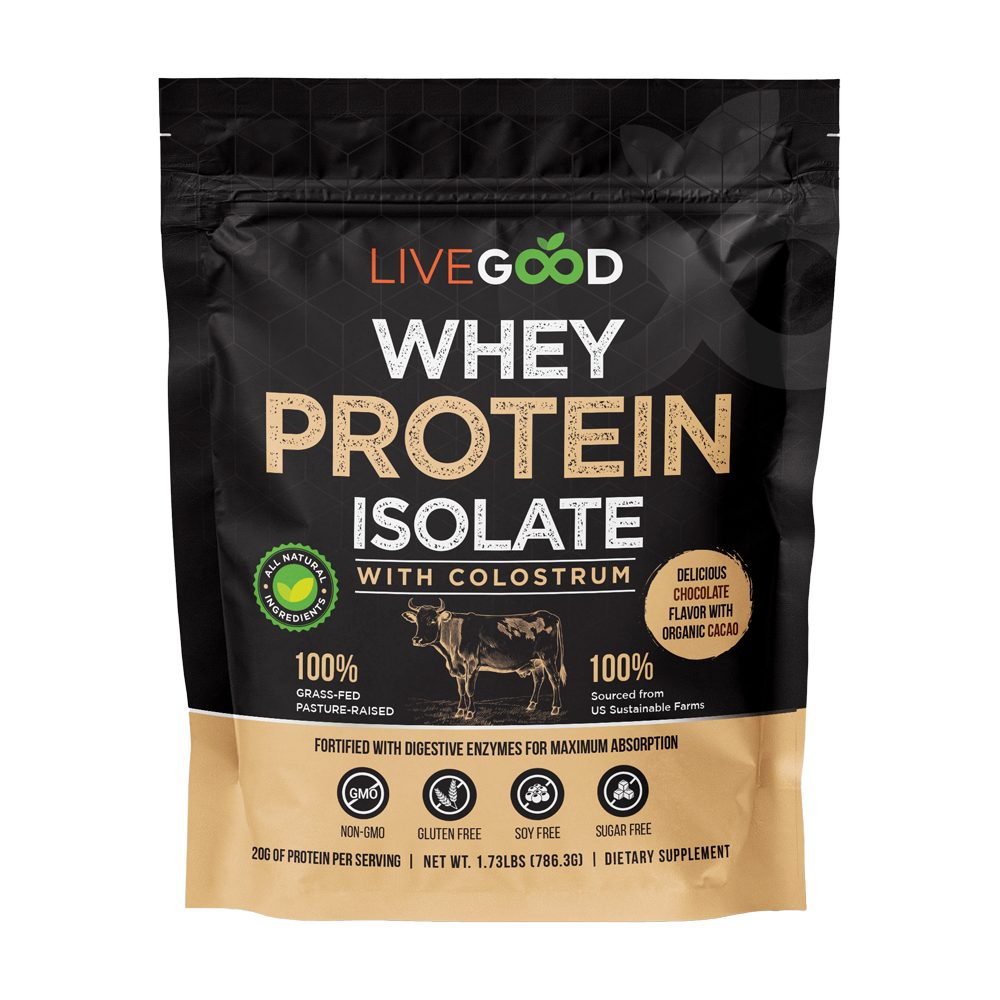
If a shake fits your routine, LiveGood Whey Protein Isolate - With Colostrum is a practical option before or after training. Its chocolate formula uses organic cacao and provides 20 grams of clean protein with all nine essential amino acids. It also contains colostrum and digestive enzymes formulated to support absorption, gut health, and immune function. The whey is 100% grass-fed, pasture-raised, and sourced from sustainable US farms. Members pay $39.95 versus $49.95 retail, helping make a consistent protein routine more accessible.
When Timing Does Matter a Little
Protein timing becomes more useful when it solves a specific problem. If you train early in the morning without breakfast, taking whey before or soon after exercise can help you avoid going much longer without protein. The same applies if your previous meal was many hours earlier.
After training may be the easier choice when pre-workout food bothers your stomach. It can also help when your workout falls between meals and dinner is still several hours away. A post-workout shake is convenient, portable, and quick to prepare, but those qualities should not be confused with a narrow biological deadline.
Your schedule, appetite, and digestive comfort can determine whether whey fits better before or after exercise.
Before training may make sense when you know you will not be able to eat afterward. It can also fit naturally as part of a meal consumed a few hours before exercise. You do not need to drink whey immediately before starting. Protein from that earlier meal is still being digested and absorbed while you train.
Timing may deserve more attention during two-a-day sessions, long endurance events, or demanding training blocks with short recovery periods. Even then, carbohydrates, fluids, electrolytes, sleep, and total calories may be just as important. Competitive athletes can benefit from individualized guidance from a sports dietitian.
For most recreational exercisers, use a simple rule. Eat a protein-containing meal within a few hours before or after training, then continue with your normal protein plan for the day. If both options are available, let appetite, convenience, and digestive comfort decide. Consistency over weeks and months will matter more than whether your shake came 30 minutes before or 30 minutes after one workout.
Frequently Asked Questions
Should you take whey protein before a workout?
You can take whey protein before a workout if it helps you meet your daily protein needs and feels comfortable in your stomach. It is not required for a productive training session. If you recently ate a protein-containing meal, an immediate shake may add little practical benefit. Move it after training if drinking it beforehand causes fullness, nausea, or cramping.
Is whey protein a pre-workout?
No, whey protein is not a pre-workout stimulant. It supplies amino acids that support normal muscle protein repair, but it does not typically deliver the immediate alertness associated with caffeine-based products. Whey can be part of a pre-exercise meal or snack. However, carbohydrates are usually a more direct fuel source for intense or prolonged activity.
Is it better to take whey before or after training?
Neither time is clearly better for most healthy adults who consume enough protein across the day. Choose before training if you have not eaten for several hours or will be unable to eat afterward. Choose after training if that is more convenient or comfortable. Your regular daily intake and resistance-training routine have a much larger influence than minor timing differences.
Does the anabolic window really exist?
Yes, but the anabolic window is much wider than the often-repeated 30-minute deadline. Exercise makes muscle tissue more responsive to protein for an extended period, and a meal eaten before training can still provide amino acids afterward. There is usually no need to rush. Eating protein within a few hours on either side of your session is a practical approach.
How much protein should you have per day?
Your ideal protein intake depends on your body size, activity, age, diet, and health. Research guidance for healthy adults who exercise regularly often discusses about 1.4 to 2.0 grams per kilogram of body weight daily. Count food and supplements together. Talk to your doctor before significantly increasing protein if you have a kidney, liver, or other medical condition, or if you are pregnant or breastfeeding.