
Whey Protein Isolate and Weight Loss: What It Can and Cannot Do
 Written by Nauder Khazan
Ask AI about this article and Whey Protein Isolate - With Colostrum





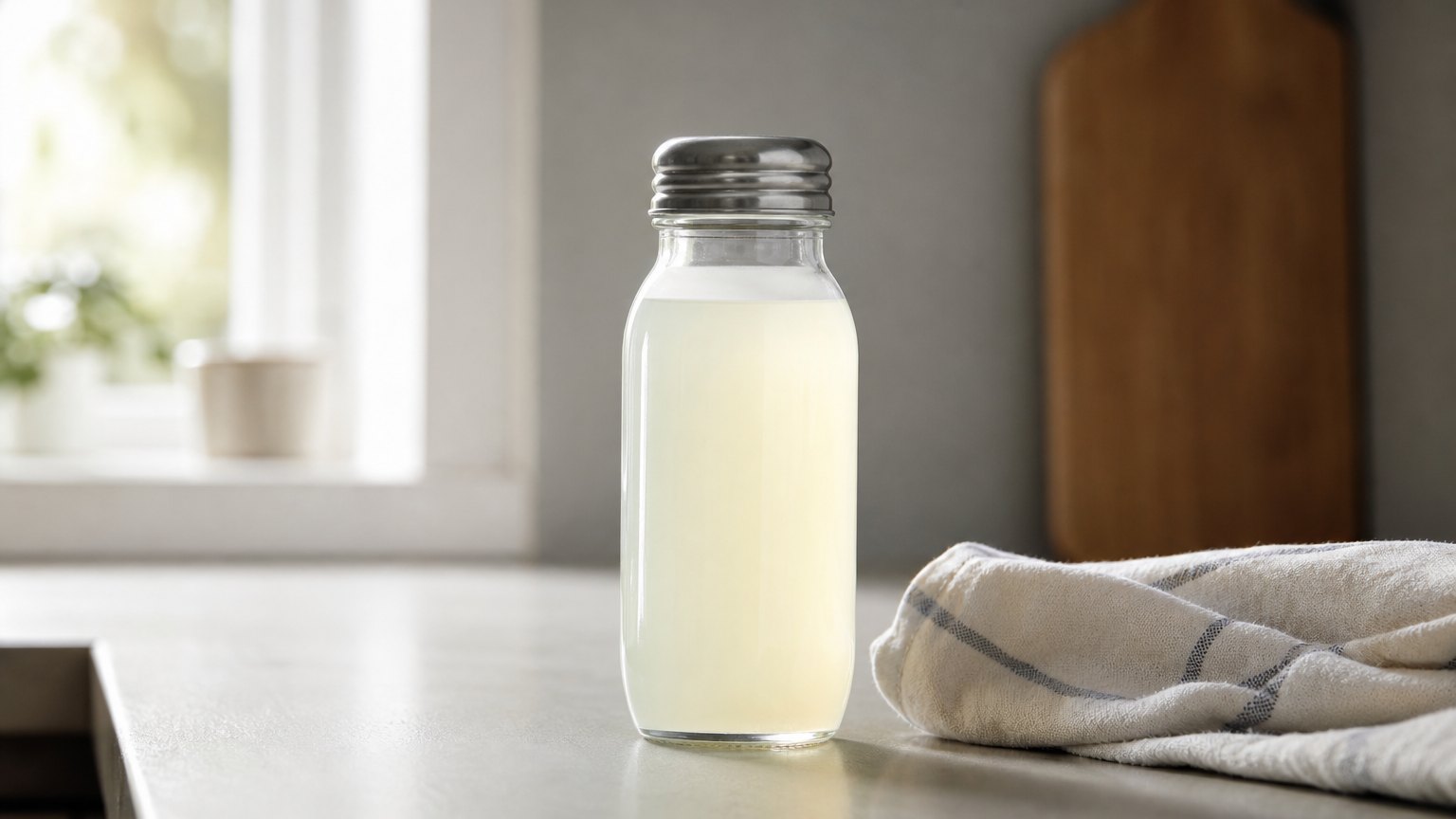
Whey protein isolate can support weight loss by helping you feel full and preserve lean mass while eating fewer calories. It is not a fat burner, and adding it without accounting for its calories can work against your goal. Here is what isolate does, how it compares with concentrate, and how to fit it into a realistic routine.
Key Takeaways
- A deficit drives weight loss: Whey isolate only helps when your total calorie intake stays below what your body uses.
- Protein may improve fullness: A protein-rich shake or snack can make it easier to manage hunger between meals.
- Lean mass deserves protection: Adequate protein and resistance training help maintain muscle while you lose weight.
- Isolate offers more protein per calorie: Extra filtration removes much of the lactose, carbohydrate, and fat found in whey concentrate.
- Consistency matters most: Choose a serving and schedule that fit your calorie budget, food preferences, and daily routine.
What Isolate Actually Is
Whey is one of the main proteins in cow's milk. It begins as the liquid separated from curds during cheesemaking. That liquid is filtered, dried, and turned into the whey powders used in shakes and other foods.
Whey protein isolate goes through additional filtration. This removes much of the lactose, which is the natural sugar in milk, along with some fat and other non-protein components. The result is a powder with a high percentage of protein by weight. Exact amounts vary, so the nutrition label matters more than the word isolate on the front.
Whey is also a complete protein. That means it supplies all nine essential amino acids, the protein building blocks your body cannot make on its own. It is particularly rich in leucine, an amino acid involved in signaling muscle protein synthesis. Muscle protein synthesis is simply the process your body uses to build and repair muscle tissue.
None of this makes isolate a weight-loss ingredient by itself. Its practical advantage is nutritional efficiency. You can get a meaningful amount of protein with relatively little carbohydrate and fat. That can be helpful when calories are limited, but it does not make those calories disappear.
Extra filtration gives whey isolate a high proportion of protein while removing much of the lactose, fat, and carbohydrate.
Because whey comes from milk, it is not appropriate for someone with a milk allergy. Isolate contains less lactose than concentrate, but it may not be completely lactose-free. If you are highly sensitive, check the label and begin only as directed.
Protein, Fullness and Appetite
Protein generally takes more work to digest than carbohydrate or fat and can influence signals involved in fullness. In everyday terms, a protein-rich meal or snack may help you feel satisfied for longer. That can make a calorie deficit easier to maintain, especially if low-protein meals leave you hungry soon afterward.
Research on whey and appetite is promising but not perfectly consistent. Some studies find that whey reduces short-term hunger or food intake. Others find little difference once total calories and protein are matched. Individual responses also vary. Sleep, stress, meal size, fiber intake, and how aggressively you cut calories can all affect hunger.
Form matters too. Liquids are sometimes less filling than solid foods because they are consumed quickly and require little chewing. A whey shake may be useful when it replaces a less satisfying snack, but it may not keep you as full as a meal containing chicken, beans, eggs, vegetables, or another combination of protein and fiber.

Pairing whey isolate with fiber-rich food can make a snack or meal more satisfying.
For better staying power, pair isolate with foods that add volume and fiber. You might blend it with frozen berries, add it to oatmeal, or have a shake beside a piece of fruit. Water makes the lowest-calorie shake, while milk, nut butter, juice, and sweetened mix-ins increase the total. Those additions are not automatically bad, but they need to fit your plan.
The honest goal is not to eliminate hunger. It is to build meals and snacks that make a moderate calorie deficit feel manageable enough to maintain.
Preserving Lean Mass in a Deficit
When you lose weight, the change can include both body fat and lean mass. Lean mass includes muscle and other non-fat tissue. Losing some lean mass during a calorie deficit is common, but adequate protein and resistance exercise can help limit how much muscle you lose.
That is where whey protein isolate may be useful. It provides essential amino acids in a convenient form, making it easier to reach your daily protein target when you are eating less food. Convenience matters if breakfast is rushed, appetite is low after training, or your usual meals do not contain much protein.
Whey does not preserve muscle on its own. Resistance training provides the physical signal telling your body that muscle is still needed. Protein provides the amino acids used to maintain and repair that tissue. A sensible calorie deficit completes the picture. Removing any one of those pieces can make the plan less effective.
Try to spread protein across the day rather than saving nearly all of it for dinner. A balanced pattern might include protein at breakfast, lunch, dinner, and one snack. Whey can fill one of those spots, but whole foods should still provide much of your nutrition because they bring vitamins, minerals, fiber, and different textures.
Preserving muscle is valuable for strength, mobility, exercise performance, and how well you function during weight loss. It should not be confused with a claim that whey directly burns body fat or increases metabolism enough to cause weight loss. The calorie deficit remains the driver.
Where the Calories Still Come From
Protein powder is food in powdered form, and food contains calories. Protein provides about four calories per gram. A serving that supplies 20 grams of protein therefore contains at least 80 calories from protein before flavors, sweeteners, or other ingredients are counted.
Those calories can fit comfortably into a weight-loss plan. Problems arise when a shake is added on top of an already sufficient day of eating without replacing anything or helping you eat less later. A daily calorie surplus, meaning you consume more energy than your body uses, can lead to weight gain regardless of whether the extra calories come from protein, carbohydrate, or fat.

Every shake contains calories, including calories from the powder and anything mixed with it.
Pay attention to the entire shake rather than the powder alone. A scoop mixed with water may be modest in calories. Add a large banana, two spoonfuls of nut butter, whole milk, oats, and honey, and it can become a substantial meal. That may be appropriate for an athlete with high energy needs, but it may not match a calorie-conscious snack.
You do not need to fear every addition. Fruit can provide fiber and nutrients, and milk can contribute more protein. The point is to choose ingredients deliberately. If the shake replaces breakfast, it should be more complete than powder and water. If it is a bridge between lunch and dinner, a simpler mixture may make more sense.
Also watch serving size. Scoops are not standardized across brands, and a heaping scoop may exceed the amount listed on the label. Follow label directions and use the serving information to understand what you are actually consuming.
Isolate vs Concentrate for This Goal
Whey isolate and whey concentrate come from the same milk protein. The main difference is how extensively they are filtered. Concentrate retains more lactose, carbohydrate, fat, and other milk components. Isolate removes more of them, giving it a higher proportion of protein.
| Consideration | Whey isolate | Whey concentrate |
|---|---|---|
| Protein proportion | Usually higher | Usually lower |
| Lactose | Less, but not always zero | More |
| Fat and carbohydrate | Usually lower | Usually higher |
| Calories per protein gram | Often slightly lower | Often slightly higher |
| Texture and flavor | Lighter for many products | Often creamier |
| Cost | Usually higher | Usually lower |
For weight loss, isolate can be a convenient choice when you want more protein per calorie or need to limit lactose. The calorie difference between comparable servings is often small, however. Concentrate can work just as well if you digest it comfortably and its calories fit your day.
Isolate and concentrate can both fit a weight-management routine, with digestion and nutrition labels guiding the choice.
Neither form has a special ability to burn fat. Claims that isolate is automatically superior often exaggerate a modest nutritional difference. Your total calorie intake, daily protein, activity, sleep, and ability to maintain the routine matter much more than the filtration category.
Concentrate may offer better value and a creamier texture. Isolate may suit people who prefer a leaner nutrition profile or experience discomfort with higher-lactose powders. People with a milk allergy must avoid both. Anyone with kidney or liver conditions, another existing medical condition, or concerns during pregnancy or breastfeeding should talk to a doctor before using a protein supplement. The same applies if you take prescription medication and are considering a formula with added ingredients.
How People Fit It Into a Day
There is no special time when whey isolate suddenly causes weight loss. The best time is the one that helps you meet your protein needs, manage hunger, and stay within your calorie target. You do not need to drink it within 30 minutes of exercise for it to be useful.
Here are several practical approaches:
- At breakfast: Stir it into oatmeal or blend it with fruit when your usual breakfast is low in protein.
- Between meals: Mix it with water or milk when a planned protein-rich snack helps prevent unstructured grazing.
- After exercise: Use it as a convenient recovery option when a regular meal will not be available for a while.
- In a smoothie: Add fruit and another fiber source when the drink is meant to function as a more substantial meal.
- In food: Mix it into plain yogurt or another suitable food if you find liquids less filling.
Start by looking at your current meals. If they already provide enough protein, adding a shake may offer little benefit. If lunch regularly lacks protein or an afternoon snack leaves you hungry, isolate may fill a clear gap. Replacing something is often more useful than simply adding more.
A common research range for active adults eating in a deficit is roughly 1.2 to 1.6 grams of protein per kilogram of body weight per day, although needs vary. That equals about 82 to 109 grams for someone weighing 150 pounds. Larger amounts are not automatically better, and food preferences, training, age, and health history all matter. A registered dietitian can help set an individualized target.
Keep the routine simple. Follow the product label, track how the serving affects hunger and digestion, and adjust the rest of the meal rather than expecting the powder to do the work. Consistency over quick fixes is the more reliable approach.
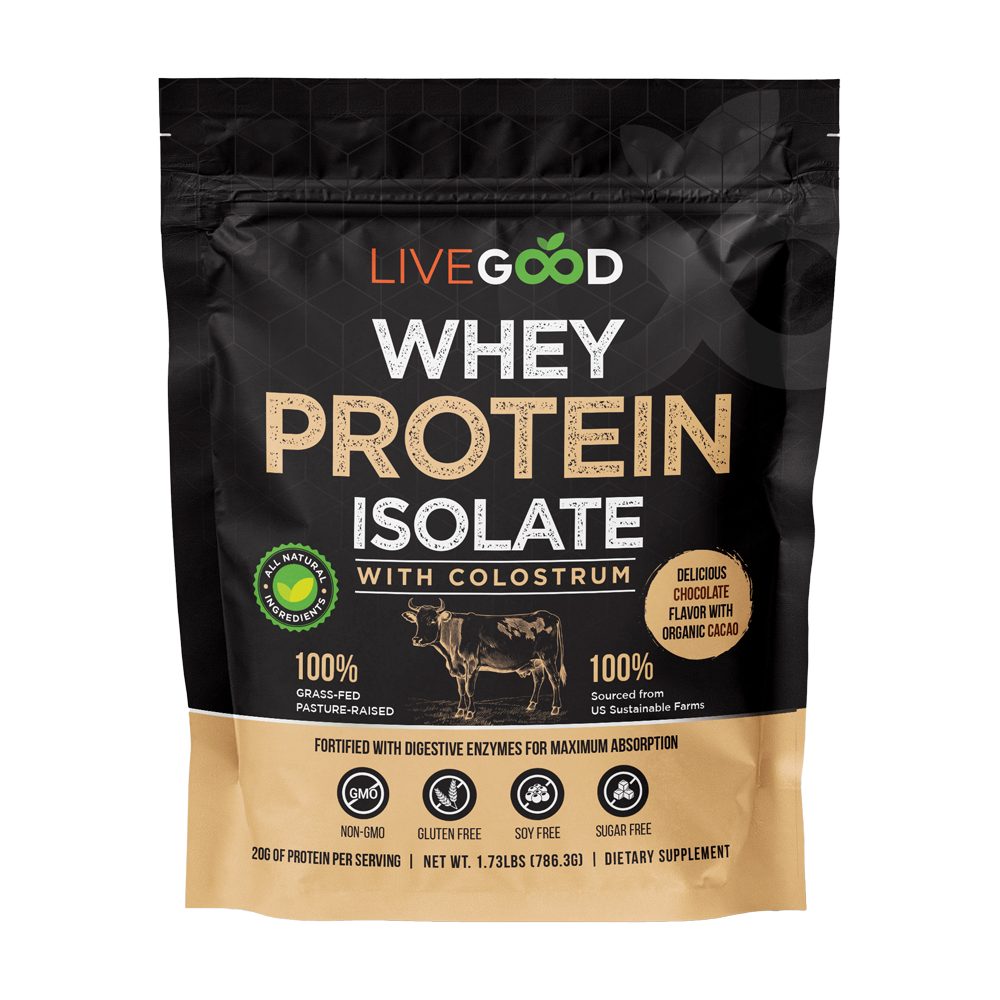
LiveGood Whey Protein Isolate - With Colostrum is a chocolate isolate made with organic cacao, providing 20 grams of clean protein and all nine essential amino acids per serving. It also contains colostrum and digestive enzymes to support digestion, gut health, and immune function. The whey is 100% grass-fed, pasture-raised, and sourced from sustainable US farms. It is $39.95 for members and $49.95 retail, helping make a consistent routine more accessible.
Frequently Asked Questions
Does whey protein isolate help with weight loss?
Whey protein isolate may support weight loss when it helps you stay full, meet your protein needs, and preserve lean mass within a calorie deficit. It does not burn fat or produce weight loss by itself. Its main advantage is convenience, since it provides substantial protein with relatively little lactose, fat, and carbohydrate.
Is isolate better than concentrate for weight loss?
Isolate is not automatically better than concentrate for weight loss, but it often provides slightly more protein per calorie and less lactose. Concentrate can be equally useful if you tolerate it and account for its calories. Choose based on the nutrition label, digestion, taste, price, and how easily the product fits your routine.
When should you drink a protein shake to lose weight?
Drink a protein shake when it helps fill a protein gap or replaces a less satisfying food choice. Breakfast, between meals, and after exercise can all work. There is no special fat-burning window. Your total calorie and protein intake across the entire day matters more than the exact time you drink it.
Can protein powder cause weight gain?
Yes, protein powder can contribute to weight gain if it adds enough calories to create a consistent calorie surplus. The powder itself is not uniquely fattening, but its calories still count. Check the serving size and include milk, fruit, nut butter, and other shake ingredients when estimating the drink's total energy.
How much protein do you need in a deficit?
Many active adults in a calorie deficit use roughly 1.2 to 1.6 grams of protein per kilogram of body weight per day, but individual needs vary. Training, age, body size, food intake, and medical history can change the target. If you have kidney or liver concerns, are pregnant or breastfeeding, or have another medical condition, talk to your doctor.