
Whey vs Soy Protein: Pros and Cons of Each
 Written by Ben Glinsky
Ask AI about this article and Whey Protein Isolate - With Colostrum





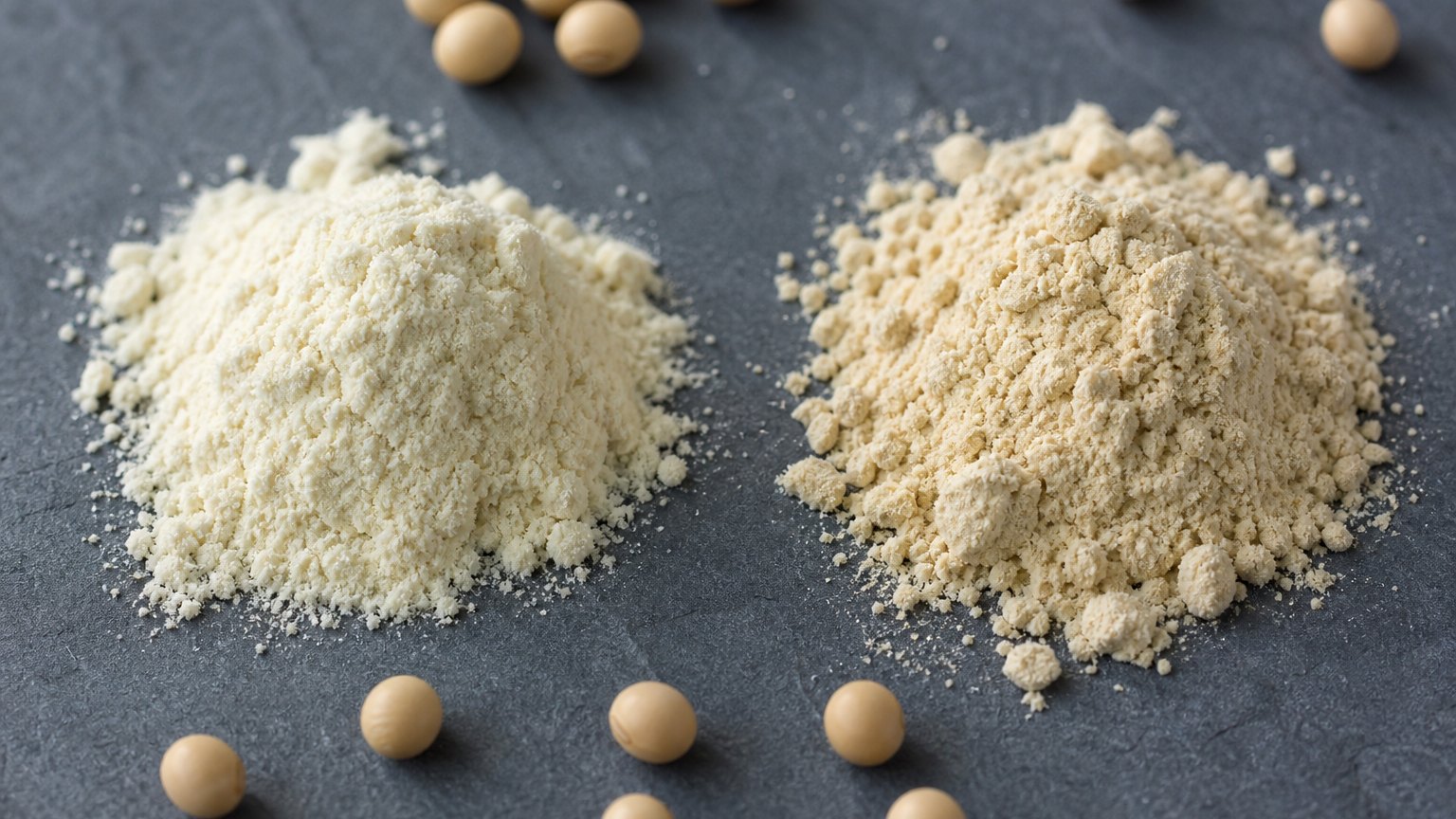
Whey and soy are both complete proteins, but they suit different needs. Whey generally provides more leucine and is absorbed faster, while soy is dairy-free, plant-based, and still capable of supporting muscle growth. Here is how soy protein vs whey protein compares on nutrition, hormones, digestion, cost, and everyday use.
Key Takeaways
- Both are complete proteins: Whey and soy provide all nine essential amino acids your body cannot make on its own.
- Whey has more leucine: Its amino acid profile and rapid digestion give whey an advantage for stimulating muscle protein production.
- Soy remains effective: Soy can support strength and muscle growth when you consume enough total protein and train consistently.
- Hormone fears are overstated: Meta-analyses in men have not found meaningful testosterone or estrogen changes from normal soy or isoflavone intake.
- Your needs decide: Diet preferences, allergies, digestion, price, and sustainability may matter more than a small nutritional advantage.
Both Are Complete Proteins
A complete protein contains all nine essential amino acids. These are protein building blocks that your body needs from food because it cannot produce them by itself. Whey and soy both meet this definition, although they provide the individual amino acids in different proportions.
Whey comes from milk. It is separated during cheesemaking and processed into whey concentrate or whey isolate. Concentrate retains more lactose, fat, and other milk components. Isolate goes through additional filtration, so it usually contains a higher percentage of protein and less lactose and fat.
Soy protein comes from soybeans. Soy flour is the least concentrated form, soy concentrate removes some carbohydrate and fat, and soy isolate contains the highest proportion of protein. When comparing powders, soy isolate is generally the closest match to whey isolate because both deliver concentrated protein with relatively few carbohydrates and fats.
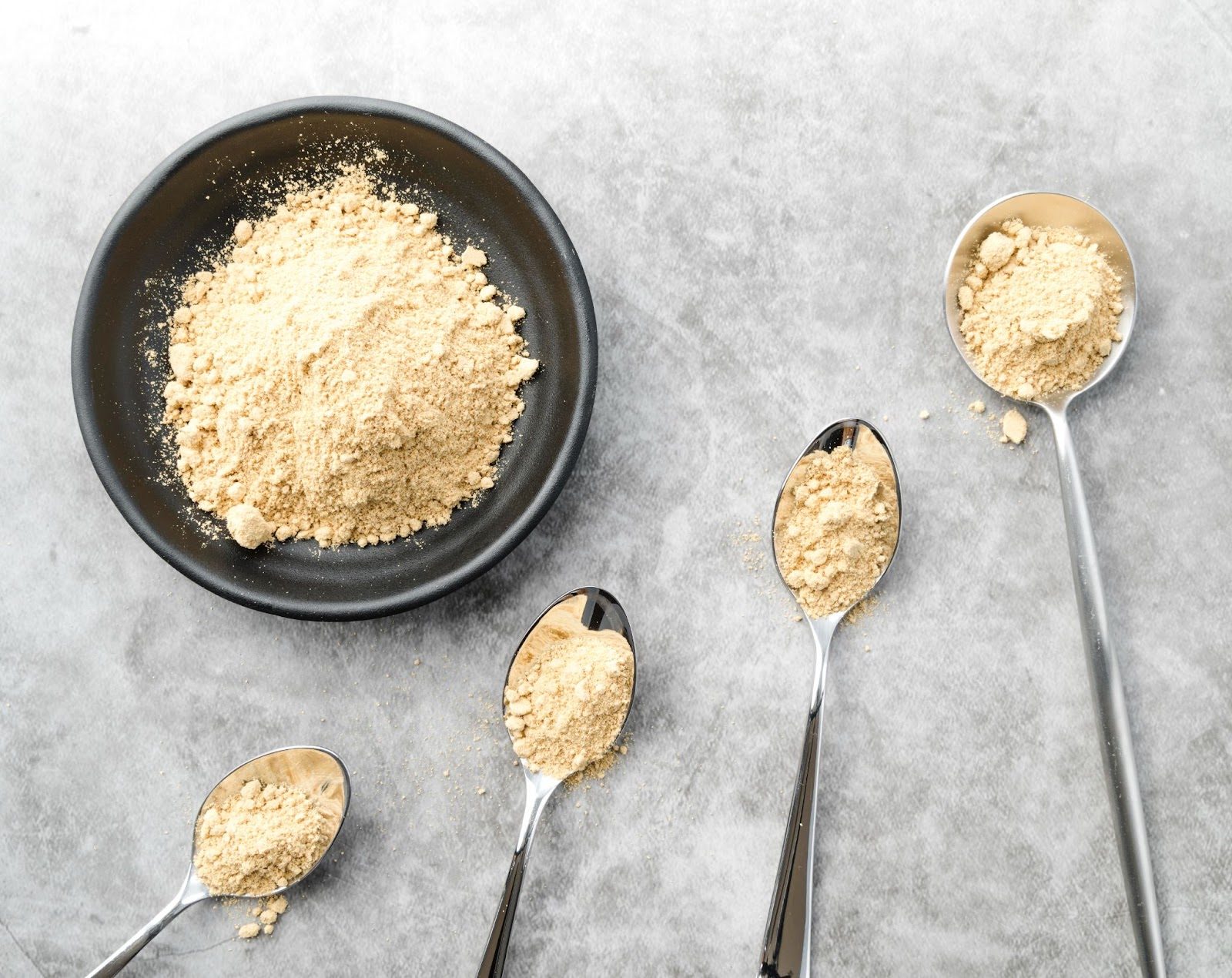
Whey and soy both contain all nine essential amino acids, although the amounts of individual amino acids differ.
Being complete does not mean the two proteins are nutritionally identical. Soy is relatively lower in methionine, an essential amino acid, while whey contains more branched-chain amino acids. Branched-chain amino acids, often shortened to BCAAs, include leucine, isoleucine, and valine. They are involved in muscle repair and production.
For most people, this difference is not a reason to avoid soy. Your full diet supplies amino acids across the day. Grains, seeds, beans, dairy, eggs, meat, and other foods can complement one another. Total protein intake, resistance training, and consistency usually matter more than finding a theoretically perfect powder.
Leucine and Absorption Speed
Leucine is an essential amino acid that acts partly like a signal. When enough leucine reaches your bloodstream after a meal, it helps switch on muscle protein synthesis, the process your body uses to build and repair muscle proteins.
Whey naturally contains more leucine per gram of protein than soy. It also dissolves and digests quickly, causing amino acids to enter the bloodstream rapidly. That combination makes whey especially useful after resistance training or when you want a convenient serving of high-quality protein.
Soy is also considered a relatively fast-digesting protein. It should not be confused with very slow proteins such as casein, another milk protein. However, soy generally produces a smaller leucine rise than an equal amount of whey. This is one reason short-term studies measuring muscle protein synthesis often favor whey.
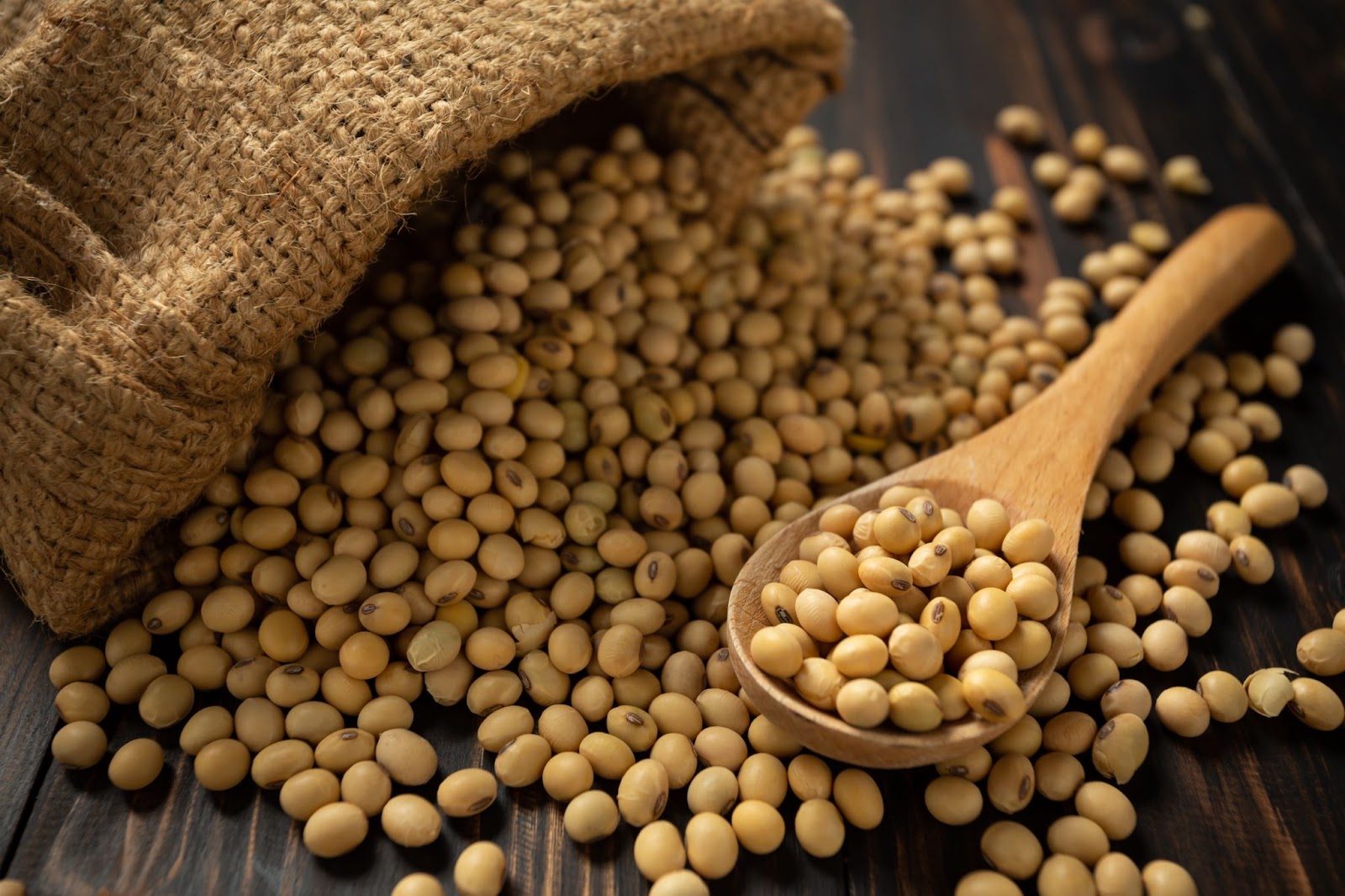
Whey provides more leucine per gram and is typically absorbed faster than soy protein.
That laboratory advantage does not guarantee dramatically different real-world results. Longer training studies often find that both proteins can support improvements in strength and lean mass when people perform resistance exercise and consume enough protein. Whey may stimulate the muscle-building process more strongly per serving, but soy can still contribute effectively to your daily total.
Timing also matters less than many advertisements suggest. You do not need to drink a shake the moment your workout ends. Having protein in a meal or shake within a few hours of training is practical for most people. Spread protein across the day, follow your product's label directions, and treat powder as a convenient food supplement rather than a replacement for balanced meals.
The Phytoestrogen Question
Soy contains isoflavones, plant compounds classified as phytoestrogens. The word sounds concerning because these compounds can interact with estrogen receptors in the body. However, phytoestrogens are not the same as human estrogen, and their effects can vary by receptor, tissue, amount, and individual biology.
The common claim that normal soy intake lowers testosterone or feminizes men is not supported by the overall human evidence. Meta-analyses combining results from multiple clinical studies in men have not found meaningful changes in total testosterone, free testosterone, or estrogen levels from soy foods, soy protein, or isoflavone supplements at typical studied intakes.
This does not mean every imaginable amount has been proven harmless. Case reports have described hormonal symptoms in people consuming unusually large quantities of soy for extended periods. Case reports involve one person or a few people, so they cannot show what usually happens. They also do not represent a normal serving of soy protein within a varied diet.

Human research in men does not support meaningful hormone changes from normal soy protein intake.
For most adults, hormone fears alone are not a strong evidence-based reason to reject soy. If you prefer plant-based protein, soy remains one of the most nutritionally complete options available. It also has a long history of use in foods such as tofu, tempeh, edamame, and soy milk.
If you have an existing medical condition, are pregnant or breastfeeding, or take prescription medication, talk to your doctor before making major dietary changes or using a new supplement. That is especially sensible if you have been given individualized advice about soy intake.
Digestion and Allergies
Your digestive response may make the decision easier than any amino acid chart. Whey is made from milk, so it is unsuitable for anyone with a milk protein allergy. A milk allergy involves an immune reaction and is different from lactose intolerance, which means your body has difficulty digesting lactose, the natural sugar in milk.
Whey concentrate can retain enough lactose to cause gas, bloating, or loose stools in sensitive people. Whey isolate contains much less lactose because of additional filtration, so some people with lactose intolerance tolerate it better. It is not guaranteed to be completely lactose-free, and it remains a dairy protein. Anyone with a diagnosed milk allergy should avoid it unless a qualified clinician says otherwise.
Soy contains no dairy or lactose, making it useful for vegans and people avoiding milk. However, soy is also a major food allergen. Anyone with a soy allergy needs a different protein source, such as pea, rice, egg, or an appropriate dairy-based powder.
Digestive discomfort can also come from ingredients surrounding the protein. Sugar alcohols, gums, large servings, added fiber, and certain sweeteners can cause symptoms even when the protein itself is tolerated. Compare labels rather than assuming every whey or soy powder will feel the same.
Start with the label serving and see how your body responds. Taking a shake more slowly or alongside food may feel more comfortable. If symptoms are persistent, severe, or accompanied by swelling, hives, wheezing, or trouble breathing, stop using the product and seek appropriate medical care.
Cost and Sustainability
Soy protein powder is often less expensive than whey, but prices vary widely by brand, processing method, flavor, serving size, and ingredient quality. Whey isolate usually costs more than whey concentrate because it undergoes additional filtration. Soy isolate may cost more than less concentrated soy products for the same reason.
Compare cost per gram of protein, not simply the container price. One tub may look less expensive but provide fewer servings or less protein in each scoop. Also consider whether you value organic ingredients, sourcing details, added digestive enzymes, flavor, or a shorter ingredient list. These features may affect price without changing the basic role of protein.
From an environmental perspective, soy generally requires fewer resources and produces fewer greenhouse gas emissions than dairy protein. Exact comparisons are complicated, though. Whey is produced alongside cheese, so researchers must decide how to divide dairy farming's environmental impact between those products. Farm practices, transportation, processing, packaging, and where the soy was grown also influence the final footprint.
Cost and environmental impact vary with the protein source, processing method, farm practices, and packaging.
Choosing soy can be a practical way to reduce your reliance on animal products. Choosing whey can also make sense if you tolerate dairy and prioritize leucine content, rapid digestion, or taste. Sustainability is not an all-or-nothing label.
Wellness should not be a luxury. LiveGood's mission is to "Provide the highest quality supplements in the world, at the lowest prices possible." Its membership model is designed to improve access by reducing traditional retail markups, while retail purchasing remains available for people who do not want a membership.
Which Suits Which Goal
Choose whey if your main priority is maximizing the muscle-building signal from each serving. Its higher leucine content, rapid absorption, and strong research base make it a practical option after resistance training. Whey isolate may be preferable to concentrate if you want more protein with less lactose and fat, although individual tolerance still varies.
Choose soy if you follow a vegan diet, avoid dairy, or want a protein with a generally lower environmental footprint. It provides all nine essential amino acids and can support muscle growth when paired with progressive resistance training. Progressive training means gradually asking your muscles to do more through added weight, repetitions, or difficulty.
For weight management, neither protein automatically causes fat loss. Both may help meals feel more satisfying and can help you maintain protein intake while eating fewer calories. Results still depend on your overall food intake, activity, sleep, and habits. Do not expect changing powders by itself to transform your weight.
For general nutrition, use whichever option helps you consistently meet your needs. Taste matters because an unfinished tub offers no benefit. So do dietary values, price, label transparency, and how you feel after drinking it. LiveGood also sells a plant-based protein for people who prefer to avoid dairy, so the choice does not need to be framed as plant protein versus the brand's whey.
If you have kidney or liver disease, another existing medical condition, or have been told to limit protein, talk to your doctor before adding a protein supplement. Otherwise, begin with your normal meals. Use powder to fill a genuine gap, follow label directions, and remember that regular training and a balanced diet do more than a small difference between two quality proteins.
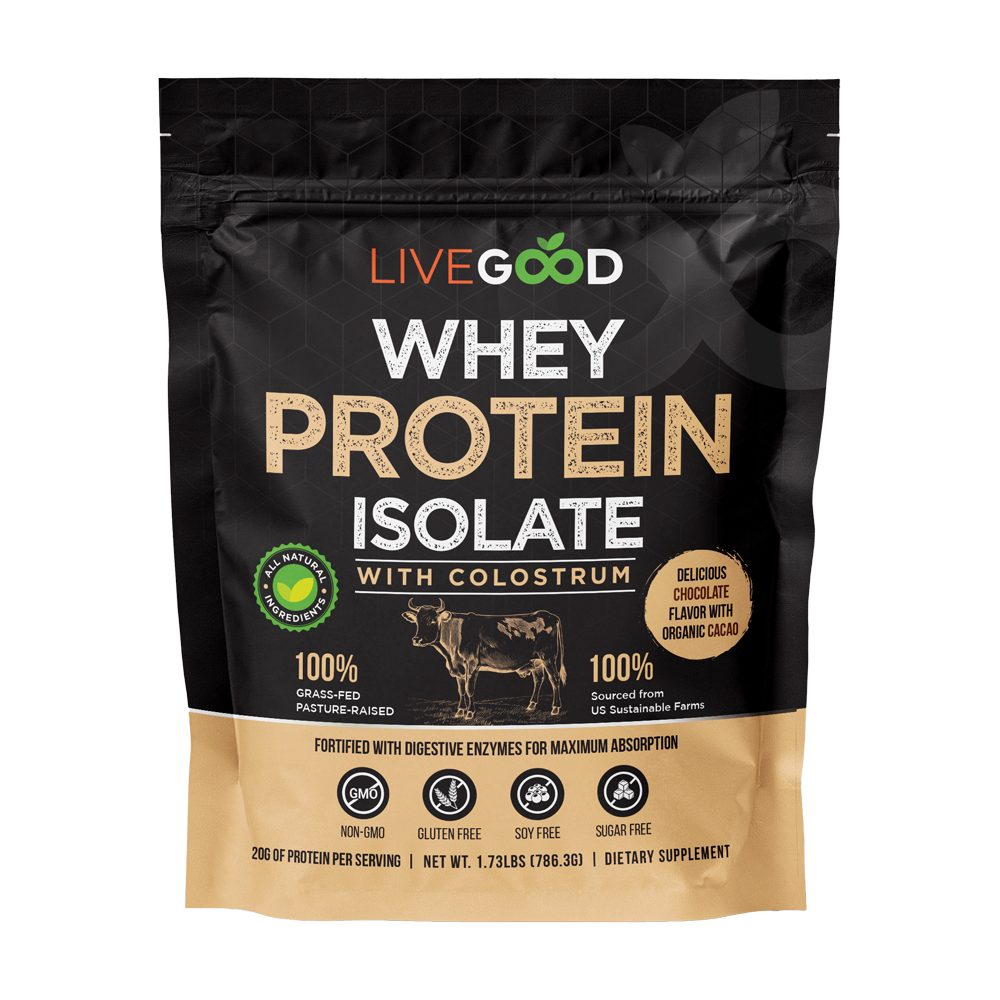
For a dairy-based post-workout option, LiveGood Whey Protein Isolate - With Colostrum provides 20 grams of protein and all nine essential amino acids per serving. The chocolate formula uses organic cacao, plus colostrum and digestive enzymes to support digestion, nutrient absorption, gut health, and immune function. It is made from 100% grass-fed, pasture-raised whey sourced from sustainable US farms. Members pay $39.95, compared with $49.95 retail.
Frequently Asked Questions
Is whey or soy protein better?
Whey is generally better for delivering more leucine and a rapid rise in amino acids, while soy is better suited to vegan and dairy-free diets. Both are complete proteins and can support muscle growth. Your ideal choice depends on allergies, digestion, dietary values, budget, and whether a modest advantage in muscle protein synthesis matters to your goals.
Does soy protein affect testosterone?
Normal soy protein intake has not been shown to meaningfully reduce testosterone in men. Meta-analyses of clinical studies have found no significant effects on total testosterone, free testosterone, or estrogen measures at typical studied intakes. Extremely high intake is less well studied, so follow label directions and avoid treating unusually large servings as better.
Is soy protein complete?
Yes, soy is a complete protein containing all nine essential amino acids. Its amino acid profile differs from whey, with less leucine and relatively less methionine, but that does not make it incomplete. Soy isolate can provide a concentrated protein source for vegans, dairy-free eaters, and anyone who enjoys it as part of a varied diet.
Which is better for building muscle?
Whey has a modest advantage for stimulating muscle protein synthesis because it contains more leucine and is absorbed quickly. Soy can still build muscle when your total protein intake and resistance training are sufficient. In practice, consistent workouts, adequate daily protein, enough calories, and recovery habits usually influence progress more than choosing whey over soy.
What are the pros and cons of each?
Whey offers more leucine, fast absorption, and strong support for post-workout muscle protein synthesis, but it is not vegan and may bother people sensitive or allergic to dairy. Soy is complete, plant-based, dairy-free, and often less expensive, but it contains less leucine and is unsuitable for people with a soy allergy. Both can fit a healthy routine.