
How Zinc Supports the Immune System
 Written by Nauder Khazan
Ask AI about this article and Bio-Active Complete Multi-Vitamin For Men





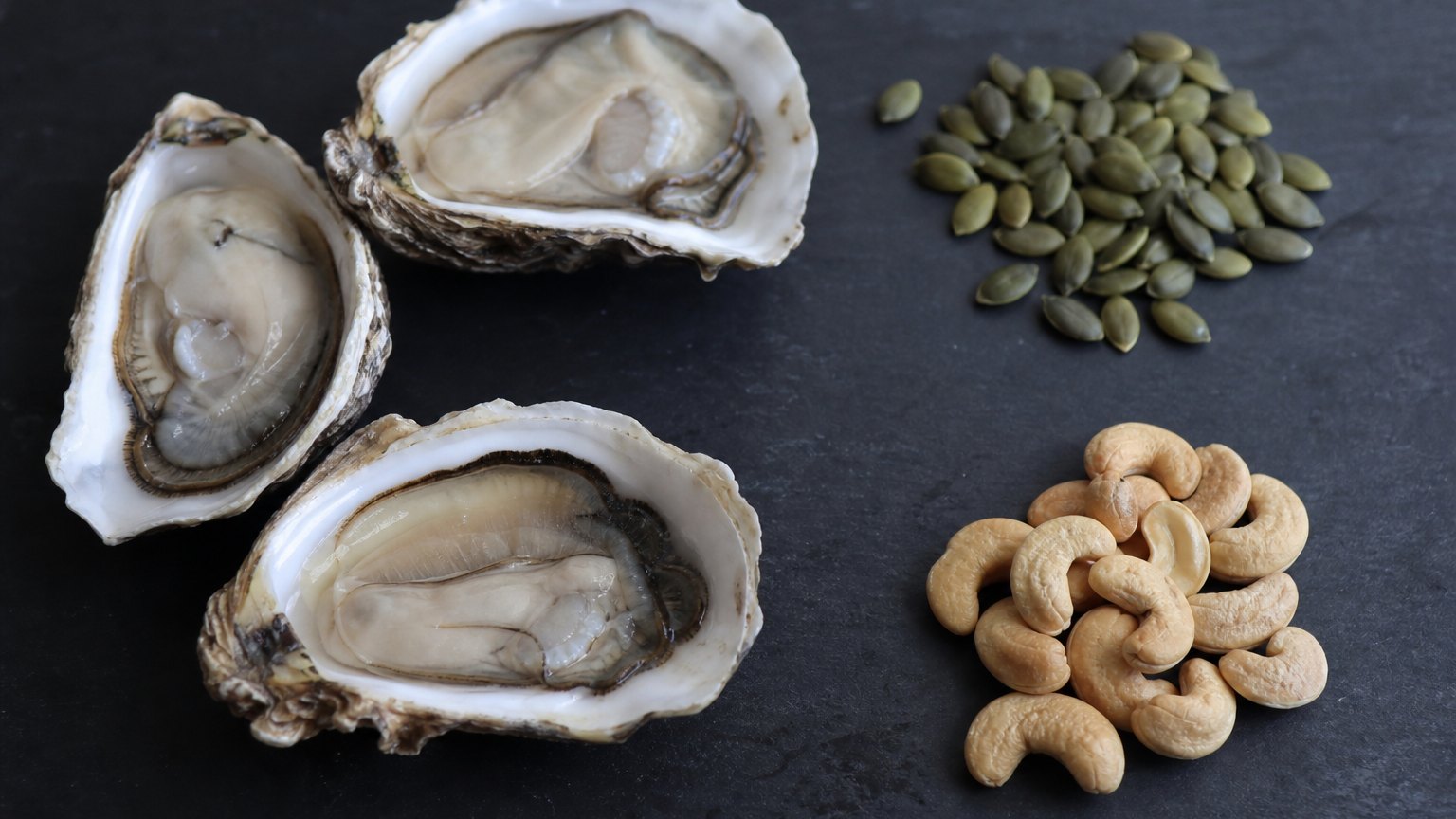
Zinc helps the immune system by supporting the development and function of neutrophils, natural killer cells, and T lymphocytes. It also helps hundreds of enzymes carry out reactions involved in cell growth, communication, and repair. The key distinction is simple: correcting low zinc can restore normal immune function, but extra zinc beyond an adequate intake has not been shown to add more protection.
Key Takeaways
- Supports several immune cell types: Zinc is required for the normal development and activity of neutrophils, natural killer cells, and T lymphocytes.
- Enables essential cell reactions: The mineral acts as a cofactor, or helper, for hundreds of enzymes involved in cell growth, signaling, and repair.
- Corrects shortfalls, not adequacy: Getting enough zinc supports normal immunity, but more zinc does not keep making the immune system stronger.
- Food can usually cover your needs: Meat, shellfish, dairy foods, beans, seeds, and fortified cereals can all contribute zinc.
- High doses carry real risks: Adults should generally stay below 40 mg per day from all sources unless a healthcare professional directs otherwise.
What Zinc Does in Immune Cells
Zinc is an essential mineral, meaning your body needs it but cannot make it. Immune cells use zinc throughout their life cycle, from early development to communication and normal activity.
Your first line of defense includes neutrophils and natural killer cells. Neutrophils are white blood cells that quickly respond when tissue is damaged or unfamiliar microbes are detected. Natural killer cells identify and remove certain abnormal cells. Adequate zinc helps these cells develop and perform their normal functions.
Zinc also supports T lymphocytes, usually called T cells. These cells are part of adaptive immunity, the more specialized side of the immune system. T cells coordinate responses, communicate with other immune cells, and help the body remember previously encountered threats. The thymus, where many T cells mature, is particularly sensitive to zinc status.
Zinc also acts as a cofactor for hundreds of enzymes. A cofactor is a substance that helps an enzyme complete a chemical reaction. Those reactions include making DNA and proteins, dividing cells, repairing tissue, and sending signals between cells. Because immune cells may need to multiply and communicate quickly, these basic processes matter.
Finally, zinc helps maintain physical barriers such as skin and the tissues lining the respiratory and digestive tracts. These barriers are part of normal immune defense, even though you may not think of them as immune organs.

Adequate zinc supports the normal development, signaling, and activity of several immune cell types.
Why Deficiency Impairs Immune Function
When zinc intake or absorption is too low, immune cells may not develop, divide, or communicate normally. T-cell activity can decline, and the normal function of neutrophils and natural killer cells may also be affected. This is why zinc deficiency is associated with impaired immune function.
The effect is not limited to immune cells. Low zinc can interfere with wound healing, growth, appetite, and the senses of taste and smell. Severe deficiency may also cause skin changes or hair loss. These signs are not specific to zinc, however. Fatigue, slow healing, or changes in taste can have many causes, so symptoms alone cannot confirm a deficiency.
Zinc status can also be difficult to measure. Most zinc is located inside cells and tissues rather than circulating freely in the blood. A healthcare professional may consider your diet, symptoms, medical history, medications, and laboratory results together rather than relying on one number.
The clearest benefit of increasing zinc intake occurs when a person is not getting or absorbing enough. Restoring an adequate supply gives immune cells the material they need for normal development and activity. That is different from pushing zinc intake higher when the body already has enough.
Consistency matters more than an occasional large dose. A varied diet, followed by an appropriately formulated supplement when needed, is a more sensible approach than reacting to every seasonal concern with high-dose zinc.

A zinc shortfall can disrupt normal immune cell function, but symptoms alone cannot confirm a deficiency.
More Is Not Better
Zinc supports normal immune function, but it does not work like a volume control that keeps turning immunity higher. Once your needs are met, additional zinc has not been established as a way to create stronger immunity. The immune system also needs balance. An excessively active response is not automatically healthier.
This distinction matters because zinc is often marketed around colds and other infections. Research involving zinc lozenges examines a specific delivery format, timing, formulation, and dose. Results have been inconsistent, and findings about one lozenge cannot be applied to every zinc tablet, gummy, food, or multivitamin. Zinc should not be viewed as a product that prevents, treats, or reliably changes the course of an infection.
There is also no standard recommendation to take extra zinc simply because you feel sick. High-dose products can exceed the adult upper limit, sometimes in a single daily serving. They may cause nausea, vomiting, stomach pain, diarrhea, headache, or a metallic taste.
Avoid intranasal zinc products, which are placed inside the nose. This route has been associated with serious and potentially lasting loss of smell. Oral zinc and nasal zinc are not interchangeable.
If you already meet your zinc needs, focus on the larger pattern that supports everyday wellness. That includes adequate food, sleep, movement, and management of health conditions. Supplements can help fill a genuine nutritional gap, but they do not replace those habits or provide a quick fix.
Food Sources and Absorption
Animal foods tend to provide zinc in forms the body absorbs well. Oysters are especially concentrated, while beef, poultry, crab, other seafood, eggs, and dairy foods also contribute. You do not need to eat oysters to meet your needs. Regular portions of several zinc-containing foods can add up across the day.
Plant sources include beans, chickpeas, lentils, pumpkin seeds, cashews, oats, whole grains, and fortified breakfast cereals. These foods can support zinc intake, but many also contain phytates. Phytates are natural plant compounds that bind minerals and can reduce zinc absorption.
That does not make plant foods unhealthy. Soaking dried beans, sprouting legumes or grains, and eating leavened breads can reduce some phytate and improve mineral availability. Variety also helps. If you follow a vegetarian or vegan diet, pay attention to zinc-rich foods rather than assuming one serving of seeds covers the day.
According to the NIH Office of Dietary Supplements, adult men generally need 11 mg of zinc per day and adult women generally need 8 mg. Needs rise during pregnancy and breastfeeding. These amounts are recommended daily allowances, not targets to exceed.
Check supplement labels for the amount of elemental zinc. This is the actual quantity of zinc provided, regardless of whether the ingredient is zinc citrate, gluconate, picolinate, or another form. Add that amount to zinc from other supplements when assessing your total intake.

Seafood, meat, dairy foods, legumes, seeds, whole grains, and fortified cereals can all contribute dietary zinc.
Bio-Active Complete Multi-Vitamin For Men is a daily multivitamin strategically formulated with 24 vitamins and minerals at optimal dosages to help fill common nutritional gaps, including zinc. It also includes methylcobalamin, the active form of vitamin B-12, to support normal energy production, so take it in the morning with food as directed. It is $12.95 for members versus $19.95 retail, reflecting LiveGood's mission: "Provide the highest quality supplements in the world, at the lowest prices possible."
Who Is Most Likely to Fall Short
Most people in the United States get enough zinc, but low intake or poor absorption is more likely in certain groups. People who eat little or no animal food may need to plan more carefully because plant zinc is generally less bioavailable. Bioavailable means the portion your body can absorb and use.
People with digestive conditions may also be at risk. Conditions that cause chronic diarrhea or interfere with nutrient absorption can reduce zinc status. The same can be true after bariatric surgery, which changes the digestive tract and may limit how nutrients are absorbed. Anyone with an existing medical condition, or a kidney or liver condition, should talk to a doctor before adding a supplement.
Pregnancy and breastfeeding increase zinc requirements. Pregnant or breastfeeding readers should ask a doctor about an appropriate prenatal or postnatal supplement rather than adding separate zinc without guidance. Infants fed only human milk beyond the early months may also need individualized feeding advice because zinc needs change during growth.
Older adults, people with alcohol use disorder, and people with very limited diets may be more likely to fall short. Certain medicines can also affect zinc status or interact with zinc supplements.
A multivitamin may be a practical way to cover a small dietary gap, but review the complete label first. Both Bio-Active Complete Multi-Vitamin For Men and Bio-Active Complete Multi-Vitamin For Women supply zinc, so choose the formula appropriate for you rather than combining them. If deficiency is suspected, seek professional assessment instead of guessing from symptoms.
Upper Limits and Copper
The tolerable upper intake level for zinc is 40 mg per day for adults. This limit includes zinc from food, drinks, supplements, and medications. It is not a recommended intake. It marks the highest average daily amount unlikely to cause harm for most healthy adults.
Short-term stomach effects can occur before that limit in sensitive people. Nausea is especially common when concentrated zinc is taken without food. More serious concerns arise when high doses are used consistently.
Sustained high zinc intake can interfere with copper absorption. Zinc increases production of a protein in intestinal cells that binds copper, preventing some of it from entering the bloodstream. Over time, this can cause copper deficiency. Copper is needed for red blood cell formation, energy metabolism, connective tissue, and normal nervous system function. A copper shortfall can lead to anemia and neurological problems, including weakness or numbness.
This is why a 50 mg zinc supplement is not an appropriate everyday choice for most adults unless it has been specifically recommended and monitored by a healthcare professional. It exceeds the adult upper limit even before food and other supplements are counted.
Zinc can also interfere with certain antibiotics and penicillamine, a prescription medicine. Separating doses may be necessary, but timing depends on the medication. Talk to your doctor or pharmacist rather than creating your own schedule.
Read every label in your routine. A multivitamin, immune formula, lozenge, and standalone mineral can quietly add up. Follow label directions, and do not use more simply because a product is available without a prescription.
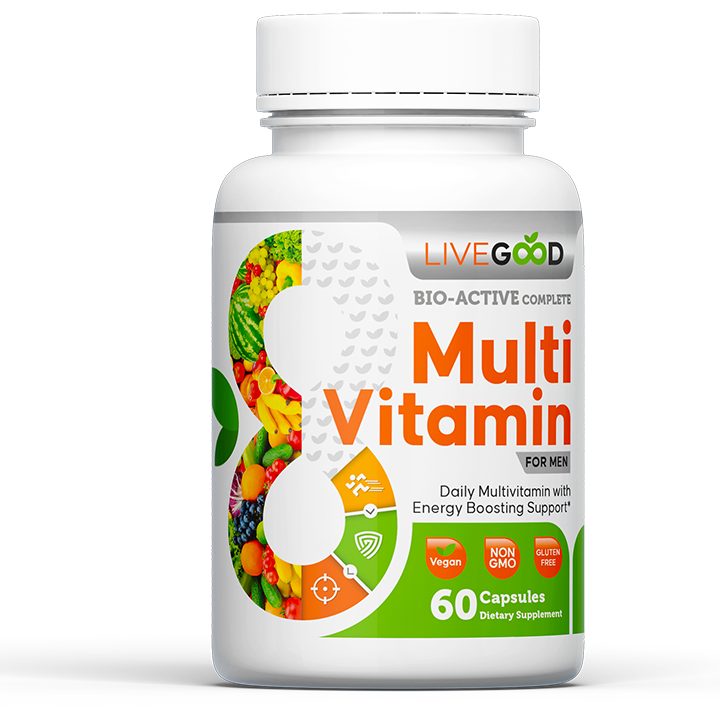
Checking every supplement label helps you stay below the adult upper limit and avoid sustained high-dose zinc.
Frequently Asked Questions
How does zinc help the immune system?
Zinc helps immune cells develop, communicate, divide, and carry out their normal functions. Neutrophils, natural killer cells, and T lymphocytes all depend on adequate zinc. The mineral also assists hundreds of enzymes involved in making DNA and proteins, repairing tissue, and transmitting cell signals. Its clearest benefit comes from preventing or correcting inadequate zinc intake.
Does zinc boost your immune system?
No, zinc does not continually boost immunity as your intake rises. Getting enough supports normal immune function, while correcting a deficiency can restore processes that were impaired. Once zinc needs are met, evidence does not show that taking extra creates additional immune protection. High doses can instead cause side effects and interfere with copper absorption.
How much zinc do you need per day?
Adult men generally need 11 mg of zinc per day, while adult women generally need 8 mg. Requirements differ for children and rise during pregnancy and breastfeeding. These targets include zinc from both food and supplements. Adults should generally remain below the 40 mg daily upper limit unless a healthcare professional recommends and monitors a different intake.
Who is at risk of low zinc?
People with limited diets, little animal food, digestive disorders, chronic diarrhea, or a history of bariatric surgery may be more likely to have low zinc. Risk may also be higher during pregnancy, breastfeeding, older age, or alcohol use disorder. Because possible symptoms have many causes, talk to a doctor before assuming you have a deficiency.
Can you take too much zinc?
Yes, taking too much zinc can cause nausea, vomiting, stomach discomfort, diarrhea, headache, or a metallic taste. Regular high-dose use can block copper absorption and eventually contribute to copper deficiency, anemia, or nerve problems. The adult upper limit is 40 mg per day from all sources, unless a healthcare professional provides different instructions.