
Ways to Support a Healthy Inflammatory Response
 Written by Ben Glinsky
Ask AI about this article and Factor4 - Advanced Inflammation Management





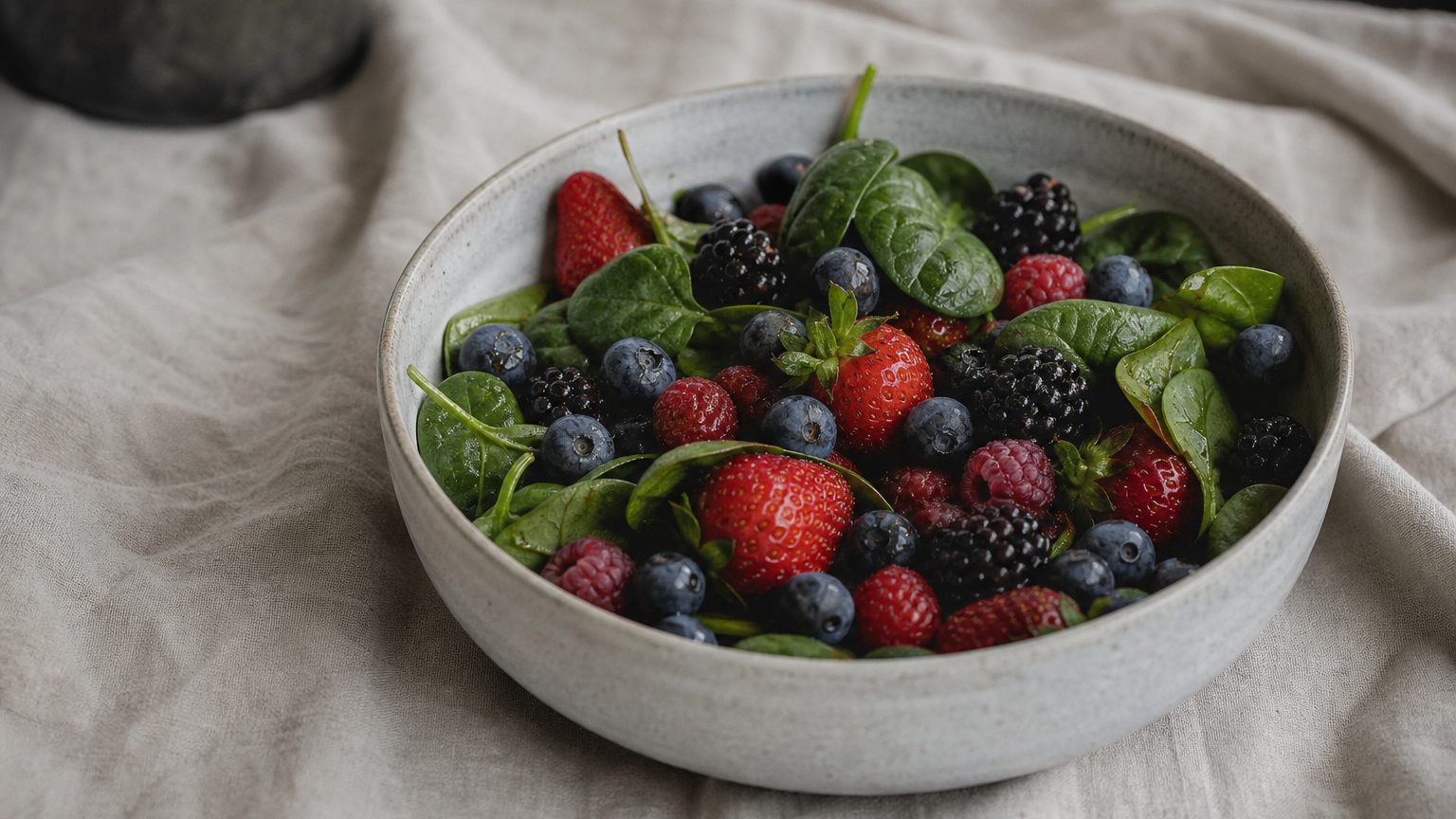
Inflammation is not something you should always try to stop quickly. Acute inflammation helps you heal, while chronic inflammation develops over time and does not disappear overnight. The most useful approach is to address the cause, then build evidence-based habits that support a healthy inflammatory response.
Key Takeaways
- Do not chase an overnight cure: Acute inflammation supports healing, and chronic inflammation takes time to address.
- Start with the strongest evidence: Sleep, regular movement, a healthy diet pattern, weight management when appropriate, and not smoking come first.
- Think in patterns, not superfoods: Your overall diet matters more than any single berry, spice, tea, or bedtime snack.
- Treat supplements as optional support: Research on individual ingredients varies, and no supplement replaces medical care or healthy routines.
- Ask why inflammation is present: Persistent pain, swelling, digestive symptoms, or fatigue deserve a conversation with your doctor.
Why Quickly Is the Wrong Goal
Searches for how to reduce inflammation quickly often assume inflammation is a harmful substance that can be flushed out. That is not how it works. Inflammation is a coordinated immune response involving cells, blood vessels, and chemical messengers. It can be helpful, harmful, or both, depending on the cause and how long it lasts.
If you cut your finger or strain a muscle, short-term inflammation helps protect damaged tissue and begin repair. Trying to switch off that process completely would not support normal healing. The better goal is to protect the injury, follow appropriate care, and let the response resolve as the tissue recovers.
Long-lasting inflammation is different. It may be connected with smoking, inadequate sleep, low activity, excess body fat, ongoing stress, infection, or a medical condition. Because these influences build over months or years, no drink, food, supplement, or morning routine can erase them in a day.
You can still act today. Get a full night of sleep, take a gentle walk if it is safe for you, eat a balanced meal, avoid smoking, and limit alcohol. These are useful first steps, but their value comes from repetition. Track habits over several weeks rather than judging progress by how you feel after one meal.
If you have a diagnosed inflammatory condition, do not replace prescribed treatment with a home remedy. Ask your doctor what changes are safe and relevant to the actual cause.
Acute Versus Chronic Inflammation
Acute inflammation begins rapidly after an injury, infection, or exposure. Its familiar signs are redness, warmth, swelling, pain, and sometimes reduced function. A swollen ankle that is difficult to move is one example. These signs reflect increased blood flow, fluid, and immune activity around the affected area.
Acute inflammation often improves as the trigger clears and healing advances. The right response depends on the cause. A minor scrape, allergic reaction, infection, and possible fracture require very different care. If symptoms are severe or unexplained, guessing at the cause can delay treatment.
Chronic inflammation is an immune response that continues longer than needed or remains active because an underlying trigger persists. It can last for months or years. It may not produce obvious heat or swelling, and symptoms such as tiredness or aches are too broad to diagnose it. Blood tests called inflammatory markers can provide clues, but they do not identify the cause by themselves. A clinician must interpret them alongside your history and symptoms.
This distinction matters because chronic inflammation is associated with several medical conditions, but association does not mean every headache, digestive complaint, or low-energy day is caused by inflammation. Trying to cure vague symptoms with an anti-inflammatory diet can hide the need for a proper evaluation.
Seek prompt care for trouble breathing, chest pain, facial swelling, confusion, a high fever, severe abdominal pain, or rapidly spreading redness. Contact your doctor for inflammation that persists, repeatedly returns, or interferes with daily life.
What Has the Strongest Evidence
For long-term health, the strongest approach is not a special drink or supplement. It is a set of repeatable habits that influence immune function, metabolism, circulation, and recovery. Start in this order:
-
Sleep consistently. Most adults need roughly seven to nine hours. Keep a regular wake time, make your room dark and quiet, and reduce late caffeine and alcohol. If you snore loudly, wake gasping, or remain exhausted despite enough time in bed, ask about sleep apnea rather than simply adding more supplements.
-
Move regularly. Walking, cycling, swimming, resistance training, and similar activities are all useful. Build toward about 150 minutes of moderate activity each week, plus muscle-strengthening work on two days, if your health allows. Start below that level if you have been inactive. Hard exercise without enough recovery is not automatically better.
-
Improve your diet pattern. Base more meals on vegetables, fruit, beans, whole grains, nuts, seeds, fish, and unsaturated fats such as olive oil. Reduce foods high in added sugar, refined starch, and heavily processed meat without demanding perfection at every meal.
-
Manage weight when appropriate. Body fat is biologically active tissue that can release inflammatory signaling chemicals. If you have excess weight, gradual changes may help improve related health measures. Ask a clinician for individualized support, especially if medications or medical conditions affect your weight.
-
Stop smoking. Tobacco smoke exposes the body to chemicals that damage tissue and sustain immune activity. Quitting has benefits at any age. Counseling, quit lines, and approved medications can improve your chance of success.
Stress management can support these steps by making sleep, movement, and food choices easier. It is helpful, but it is not a substitute for investigating persistent symptoms.
Diet Patterns Over Single Foods
There is no fastest natural anti-inflammatory food. Turmeric, berries, ginger, garlic, salmon, green tea, and leafy vegetables all contain useful nutrients or plant compounds, but one serving cannot reset your immune system. Research is more convincing for overall eating patterns maintained over time.
A Mediterranean-style pattern is a practical example. It emphasizes vegetables, fruit, beans, lentils, whole grains, nuts, seeds, olive oil, and fish. These foods provide fiber, unsaturated fats, vitamins, minerals, and plant compounds. You do not need a perfect Mediterranean menu. Begin with changes you can repeat, such as adding beans to lunch, replacing a sugary drink with water, or filling half your dinner plate with vegetables.
Foods most consistently worth limiting include processed meats, sugar-sweetened drinks, deep-fried foods, refined baked goods, and products containing trans fats. These foods do not cause immediate inflammation in every person. The concern is a diet pattern dominated by them, especially when it displaces fiber-rich whole foods. Johns Hopkins offers a useful overview of an anti-inflammatory diet and the difference between acute and chronic inflammation.
Water is a good default drink, but it does not flush inflammation from your body. Unsweetened tea or coffee can fit a healthy diet if you tolerate caffeine. Alcohol is not an inflammation remedy and can disrupt sleep.
There is also no special food you must eat before bed. If you are hungry, choose a modest snack such as plain yogurt with berries, fruit with nuts, or whole-grain toast. Protecting sleep matters more than chasing a nighttime ingredient. For a closer look at commonly discussed options, read The Strongest Natural Anti-Inflammatory You Should Know About.
Where Supplements Fit, Honestly
Supplements belong after sleep, movement, diet, weight management when relevant, and smoking cessation. They may help fill dietary gaps or support a healthy inflammatory response, but none can compensate for an untreated condition or an inconsistent routine.
Research on omega-3 fats from fish oil suggests they affect compounds involved in inflammatory signaling. Results differ by dose, population, diet, and the outcome researchers measure. Eating oily fish also provides protein and other nutrients, so capsules are not automatically superior to food.
Curcumin is a compound in turmeric. It has been widely studied, but formulations vary greatly because curcumin is not absorbed well on its own. Positive results from a concentrated research extract do not prove that every turmeric capsule or kitchen spice will produce the same effect.
Research on Coenzyme Q10 and garlic has examined antioxidant activity and inflammatory markers, which are measurements in blood rather than proof that a person feels better or that a disease has been treated. Findings are promising in some settings and mixed or limited in others. Vitamin D is valuable when a deficiency is present, but taking extra vitamin D is not a universal inflammation solution.
Use label directions rather than combining high doses on your own. Fish oil, garlic, turmeric, and other supplements may interact with blood thinners, affect surgery planning, or be unsuitable for some people. Talk to your doctor before use if you take prescription medication, are pregnant or breastfeeding, have kidney or liver problems, or live with an existing medical condition.
Factor4 - Advanced Inflammation Management is LiveGood's number two seller and was formulated by one of the world's top immunologists to support a healthy inflammatory response. It is the first and only inflammation management supplement combining fish oil, turmeric, Coenzyme Q10, and garlic, four of the world's most powerful anti-inflammatory ingredients, in one bottle. Follow the label directions and treat it as routine support, not a quick fix. Members pay $19.95, compared with $29.95 retail, helping make daily wellness more accessible.
Frequently Asked Questions
How can you reduce inflammation quickly?
You cannot safely switch off all inflammation quickly, but you can begin supporting a healthy response today. Prioritize sleep, eat a balanced meal, take a gentle walk if appropriate, avoid smoking, and limit alcohol. A sudden injury or infection needs care suited to its cause. Persistent or unexplained symptoms should be assessed by a doctor rather than managed with a general inflammation plan.
What is the fastest natural anti-inflammatory?
There is no single natural ingredient proven to eliminate inflammation rapidly. Sleep, appropriate movement, and a minimally processed diet have stronger long-term support than any one spice, tea, or supplement. Turmeric, fish, berries, olive oil, and vegetables can contribute to a healthy diet pattern, but their effects develop through consistent use and should not replace treatment for an injury or medical condition.
What foods cause inflammation?
No single food causes chronic inflammation in everyone, but an overall pattern high in processed meat, sugary drinks, refined baked goods, deep-fried foods, and trans fats is associated with poorer health. Frequency and portion size matter. Focus on what replaces those foods, including vegetables, fruit, legumes, whole grains, nuts, fish, and unsaturated fats, rather than creating a rigid list of forbidden ingredients.
How long does it take to lower inflammation?
The timeline depends on the cause and cannot be predicted from symptoms alone. Acute inflammation may settle over days as an injury heals or an infection clears. Changes related to sleep, movement, diet, smoking, or weight generally require weeks or months of consistency. Chronic inflammation linked to a medical condition may continue until that condition is diagnosed and appropriately managed.
When should you see a doctor about inflammation?
See a doctor when pain, swelling, stiffness, digestive problems, fever, or fatigue persist, return repeatedly, or disrupt daily activities. Seek urgent help for chest pain, breathing difficulty, facial swelling, confusion, severe abdominal pain, or rapidly spreading redness. You should also get medical guidance before using supplements if you take prescriptions, are pregnant or breastfeeding, or have kidney, liver, or other existing conditions.