
5 Breakfast Smoothie Recipes That Keep You Full
 Written by Nauder Khazan
Ask AI about this article and Whey Protein Isolate - With Colostrum





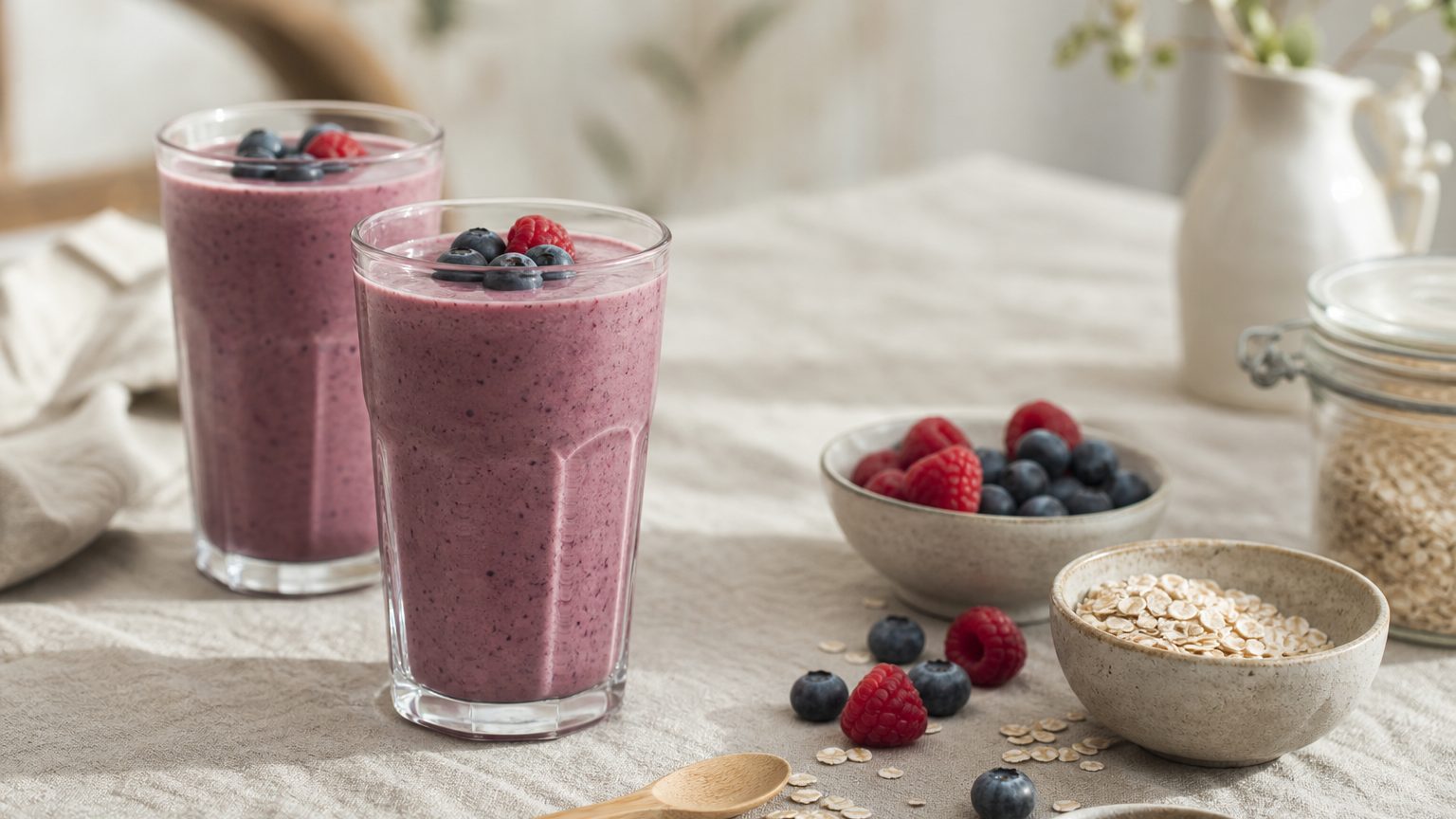
Easy breakfast smoothie recipes are more filling when you build them with protein, fat and fibre before adding fruit. Use the simple formula below, then try five measured recipes that take only a few minutes to blend.
Key Takeaways
- Start with protein: Aim for roughly 20-30 grams when the smoothie is your whole breakfast.
- Include some fat: Nut butter, seeds or avocado can make a smoothie more satisfying.
- Add meaningful fibre: Oats, chia, flax and berries provide more than fruit juice alone.
- Measure the fruit: One serving adds flavour without turning breakfast into mostly fruit and liquid.
- Prep components separately: Freeze produce together, but add liquid and protein when you blend.
Why Most Breakfast Smoothies Fail
Many breakfast smoothies are really fruit drinks. They contain a banana, several handfuls of frozen fruit and enough juice or milk to make the blender move. That combination is quick and refreshing, but it may not keep you satisfied for long.
Fruit provides carbohydrates, which are the body's easiest source of usable energy. Whole fruit also contains fibre, vitamins and minerals. The problem is not the fruit itself. The problem is what is missing around it.
Protein helps make a meal more substantial. Fat slows digestion and adds staying power. Fibre, the part of plant foods your body does not fully digest, adds bulk and helps the meal move through your digestive system more gradually. When all three are absent or present only in tiny amounts, hunger can return well before lunch.
Another issue is portion creep. Two bananas, juice, sweetened yogurt, honey and a large scoop of granola may sound wholesome, but they can make an oversized smoothie that still lacks much protein. Pouring ingredients without measuring also makes the result inconsistent from one morning to the next.
Drinking can feel less substantial than chewing, too. A very thin smoothie may disappear in a minute. Make it thick enough to sip slowly, or eat it from a bowl with a spoon. The goal is not to make the largest smoothie possible. It is to build a balanced breakfast you can repeat.
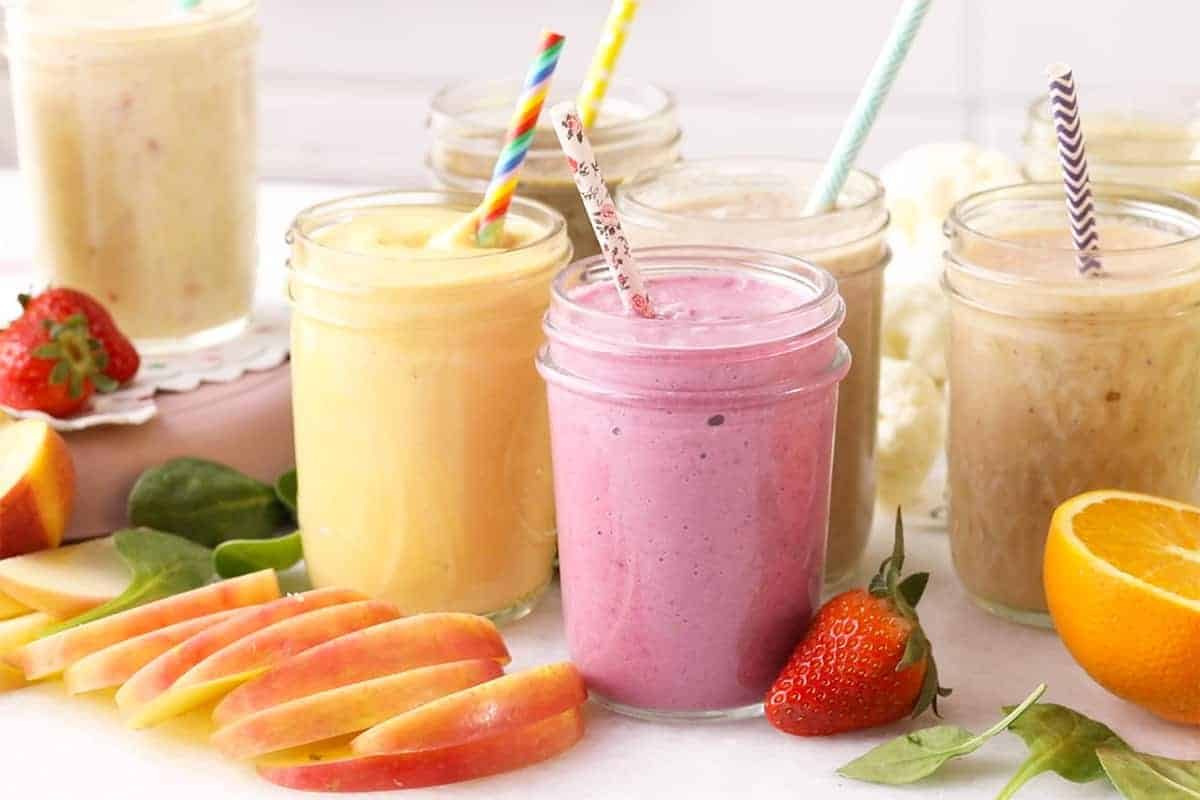
A balanced breakfast smoothie includes more than fruit and liquid.
The Formula That Keeps You Full
Build your breakfast smoothie in this order: protein, fat, fibre, then fruit. After those four parts are covered, add enough unsweetened liquid to reach the texture you like.
- Protein: Choose an amount that supplies roughly 20-30 grams. Options include protein powder, plain Greek yogurt, cottage cheese, silken tofu or a combination of yogurt and milk. Read labels because protein amounts vary considerably between brands.
- Fat: Add 1 tablespoon of peanut, almond or seed butter, 1 tablespoon of hemp seeds, or 1/4 avocado. You need enough to round out the meal, not several large spoonfuls.
- Fibre: Use 1-2 tablespoons of chia or ground flax, or 1/4 cup of rolled oats. Berries and leafy greens contribute more fibre, but a measured fibre ingredient makes the formula more reliable.
- Fruit: Add 1/2 to 1 cup of fresh or frozen fruit. Frozen fruit creates a thicker texture without requiring much ice.
- Liquid: Start with 1/2 cup of dairy milk, soy milk, another unsweetened milk or water. Add more 1 tablespoon at a time only if the blender needs it.
For an easy starting point, combine one protein serving, 1 tablespoon nut butter, 1 tablespoon chia, 3/4 cup berries and 1/2 to 3/4 cup milk. Blend, check the texture and adjust. If breakfast leaves you hungry, look at the protein and fibre before adding more fruit.
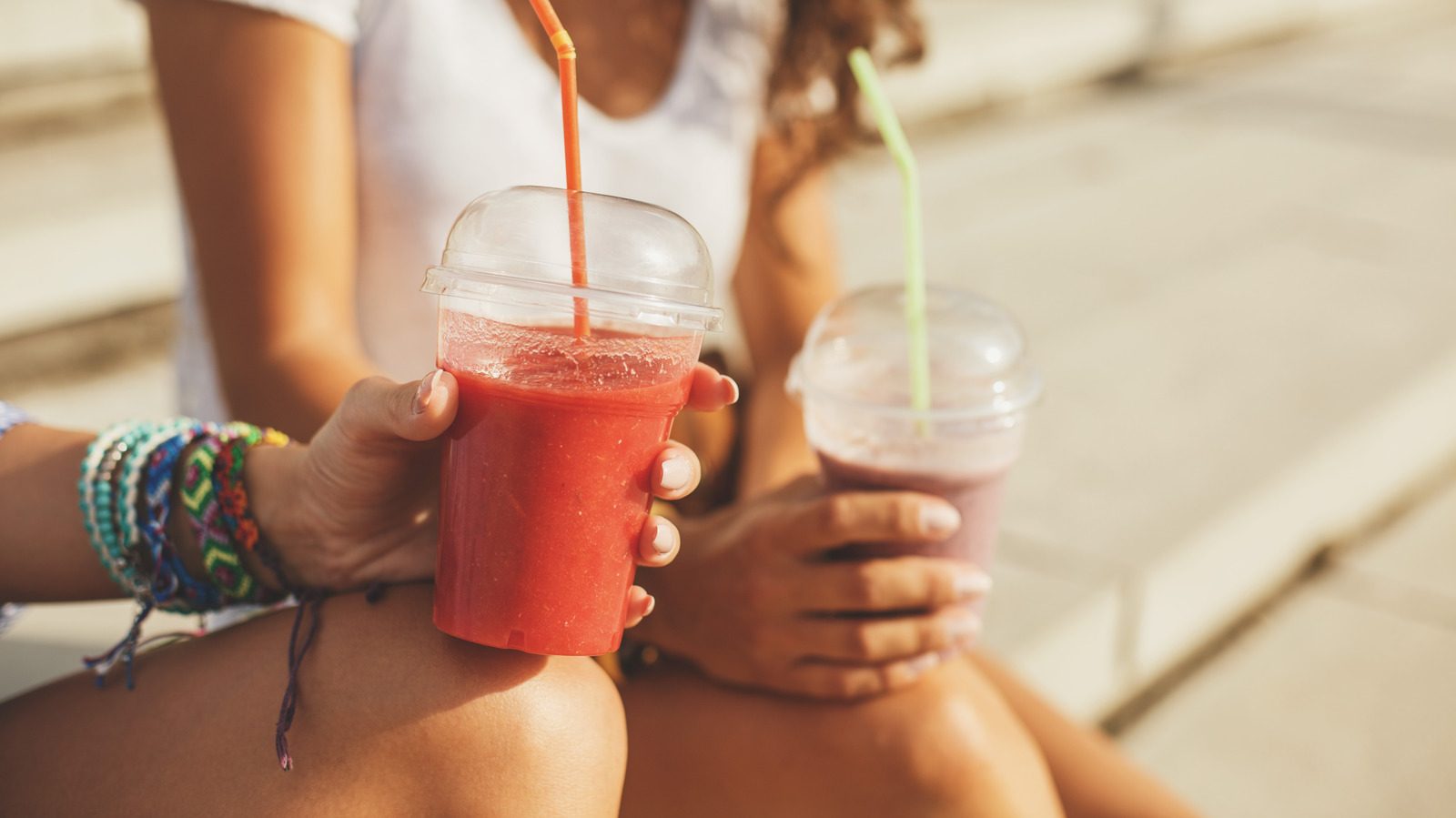
Protein, fat, fibre and fruit create a practical foundation for a satisfying smoothie.
If protein powder is the simplest fit for your routine, LiveGood Whey Protein Isolate - With Colostrum provides 20 grams of clean protein and all nine essential amino acids, with organic cacao for chocolate flavour. It uses 100% grass-fed, pasture-raised whey from US sustainable farms, plus colostrum and digestive enzymes to support gut health, immune function and nutrient absorption. It is $39.95 for members versus $49.95 retail, helping make daily wellness more accessible.
Five Recipes With Real Amounts
Each recipe makes one breakfast smoothie. Add the liquid first, followed by soft ingredients, dry ingredients and frozen fruit. Blend for 45-60 seconds, stopping to scrape the sides if needed.
1. Berry Almond Oat
Combine 3/4 cup plain Greek yogurt, 1 tablespoon almond butter, 1/4 cup rolled oats, 3/4 cup frozen mixed berries, 1/2 cup milk and 1/4 teaspoon cinnamon. Blend until the oats are smooth. Add 1-2 tablespoons of milk if it is too thick.
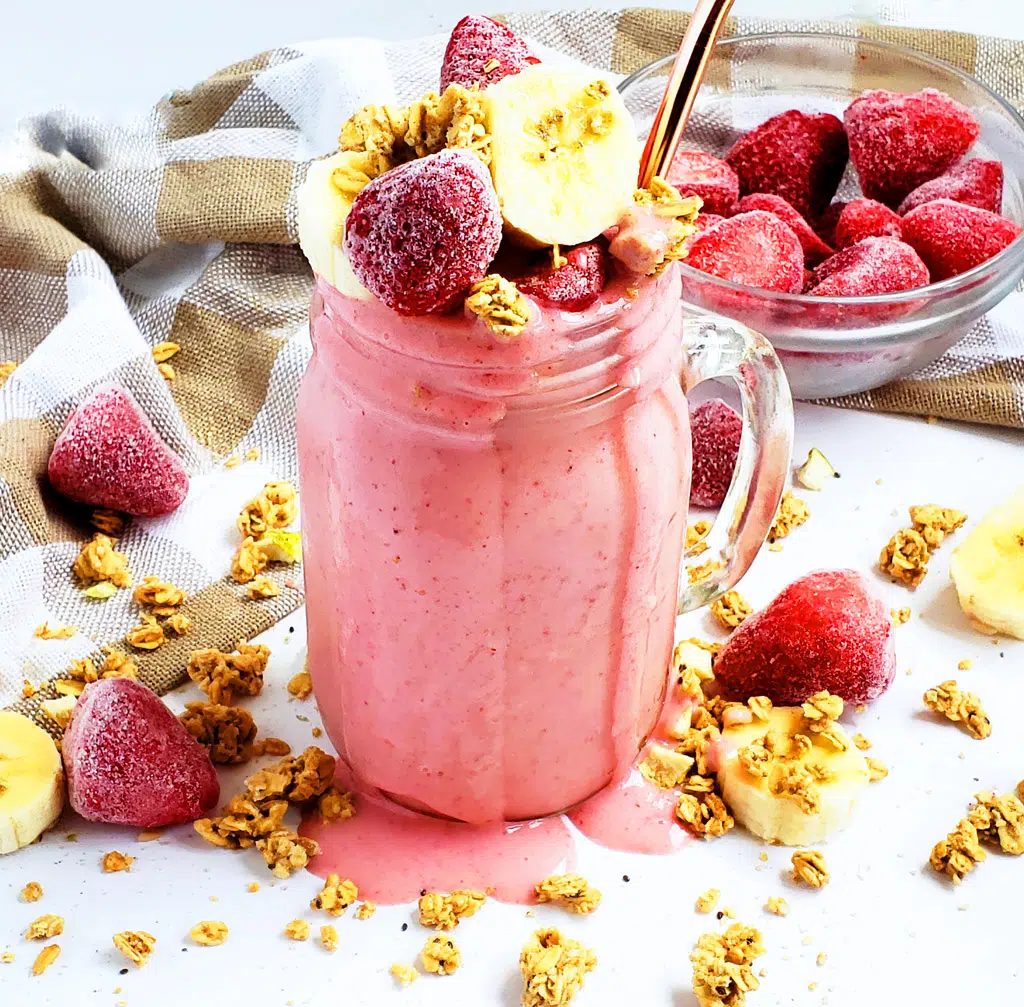
This berry breakfast smoothie combines Greek yogurt, almond butter and oats.
2. Chocolate Peanut Banana
Blend 1 scoop chocolate protein powder, 1 tablespoon natural peanut butter, 1 tablespoon chia seeds, 1/2 frozen banana, 3/4 cup unsweetened milk and 1/2 cup ice. Check the protein amount on your powder's label and adjust the serving according to its directions.
3. Peach Cottage Cheese
Blend 3/4 cup cottage cheese, 1 tablespoon tahini, 1 tablespoon ground flaxseed, 1 cup frozen peach slices, 1/2 cup milk and 1/4 teaspoon vanilla extract. Cottage cheese becomes creamy when blended, although its sodium and protein content differ by brand.
4. Green Mango Tofu
Combine 5 ounces silken tofu, 1/4 avocado, 1 tablespoon ground flaxseed, 3/4 cup frozen mango, 1 packed cup baby spinach and 1/2 cup unsweetened soy milk. Add a small squeeze of lime for a brighter flavour.
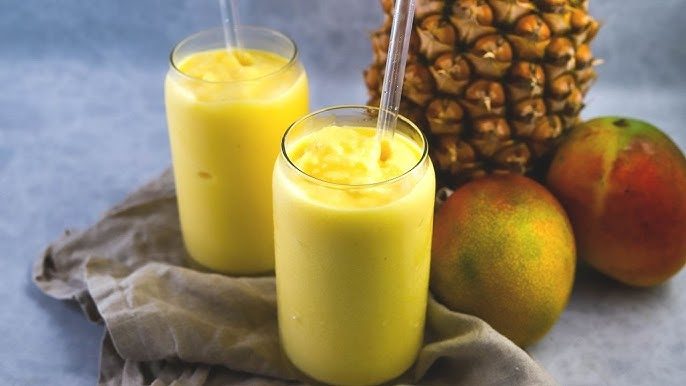
A green mango smoothie can use tofu, avocado and flax for a balanced base.
5. Apple Pie Kefir
Blend 3/4 cup plain kefir, 1/2 cup plain Greek yogurt, 1 tablespoon walnut or almond butter, 2 tablespoons rolled oats, 1 small chopped apple, 1/2 teaspoon cinnamon and 1/2 cup ice. Use an unsweetened kefir to control the sweetness.
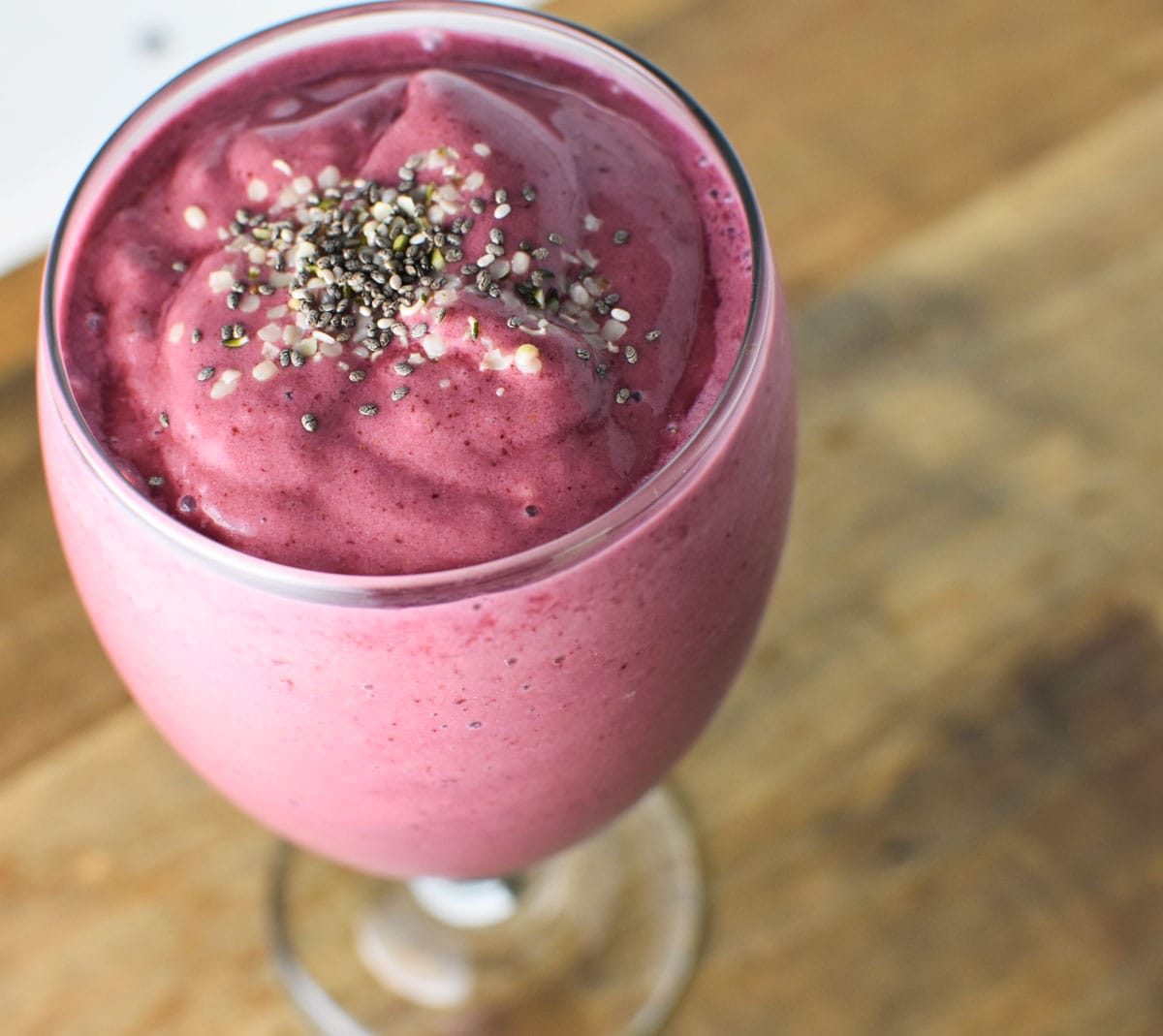
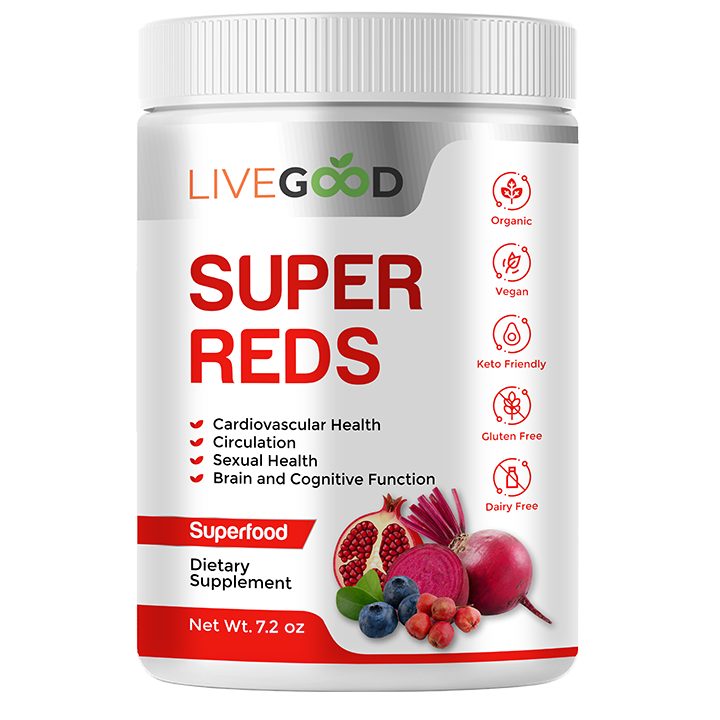
For more combinations, try these super greens powder smoothie recipes or explore easy red fruit smoothie recipes.
Prepping Ahead Without Sogginess
The most reliable approach is to prepare freezer packs rather than storing a fully blended smoothie for several days. Put the measured fruit, spinach and avocado for one recipe into a freezer-safe bag or container. Press out excess air, label the recipe and date, then freeze it flat.
Keep protein powder, oats, chia and ground flax outside the freezer pack. These ingredients absorb moisture. If they sit against thawing fruit, they can form dense clumps or create a gummy texture. Nut and seed butters are also easier to measure fresh unless you freeze individual spoonfuls on a lined tray first.
In the morning, pour the liquid into the blender. Add yogurt, cottage cheese, tofu or nut butter, followed by the dry ingredients and frozen pack. This order helps the blades catch the ingredients. If your blender struggles, wait two or three minutes for the fruit to soften slightly rather than pouring in a large amount of extra liquid.
You can also blend a smoothie the night before. Transfer it immediately to a clean airtight jar, fill the jar close to the top and refrigerate it. Less open space means less contact with air, which helps preserve the colour and flavour. Drink it within about 24 hours and keep it cold. Separation is normal, especially with oats or seeds. Shake or stir before drinking.
For a faster morning, portion five different packs on the weekend. Consistency matters more than an elaborate recipe, so repeat combinations you genuinely enjoy.
Pre-portioned freezer packs make breakfast smoothies faster without soaking the dry ingredients.
Common Mistakes
The first mistake is treating juice as the default liquid. Juice adds fruit flavour, but it has much less fibre than whole fruit and can make the smoothie overly sweet. Unsweetened milk, soy milk or water gives you more control. Coconut water is another option, but it does not provide much protein.
A second mistake is adding only a teaspoon of a protein-rich food and assuming it covers breakfast. A spoonful of yogurt or a splash of almond milk usually contributes very little protein. Check the nutrition label and total the main sources. Almond, oat and coconut drinks often contain less protein than dairy or soy milk.
Too much of a good thing can also throw off the formula. Several spoonfuls of nut butter, a large portion of oats and multiple seed varieties can create a very dense smoothie. Start with the measured amounts in these recipes. You can adjust after seeing how the breakfast fits your appetite and daily needs.
Do not forget that chia and flax need liquid. If your smoothie turns into pudding after five minutes, add milk or water 1 tablespoon at a time. If it is watery, blend in 1 tablespoon of oats, chia or nut butter and let it rest briefly.
Finally, avoid changing five ingredients at once. Make one adjustment and note the result. That is how you find an easy recipe you can make without thinking. If you are pregnant, breastfeeding, take prescription medication, or have a kidney, liver or other existing medical condition, talk to your doctor before making major dietary changes or using supplements.
Measured ingredients help you control texture, sweetness and serving size.
Frequently Asked Questions
What makes a smoothie filling?
A filling smoothie combines protein, fat and fibre rather than relying on fruit and liquid alone. Protein can come from Greek yogurt, cottage cheese, tofu or protein powder. Nut butter, seeds and avocado supply fat, while oats, chia, flax, berries and vegetables add fibre. A thicker texture and a moderate serving you drink slowly may also feel more substantial.
How much protein should a breakfast smoothie have?
Roughly 20-30 grams of protein is a practical target when a smoothie replaces your whole breakfast. Your ideal amount can differ based on body size, activity, age and the rest of your diet. Check food and supplement labels because a scoop, cup or serving does not always provide the same amount across brands. Follow label directions for any protein powder.
Can you make smoothies the night before?
Yes, you can blend a smoothie the night before and refrigerate it in a clean, airtight container for about 24 hours. Fill the container close to the top to limit air exposure. Ingredients may separate or thicken overnight, which does not necessarily mean the smoothie has spoiled. Shake it well and add a small splash of liquid if needed.
Is a smoothie a healthy breakfast?
A smoothie can be a healthy breakfast when it contains enough protein, fat, fibre and total food to function as a meal. Whole fruit, vegetables, dairy, tofu, oats, seeds and nut butter can all contribute useful nutrients. A smoothie made mainly from juice and fruit may be less satisfying, so consider the complete ingredient list rather than judging it by colour.
How do you thicken a smoothie without banana?
Use frozen berries, mango, peaches, avocado, Greek yogurt, cottage cheese, silken tofu, oats or chia to thicken a smoothie without banana. Begin with less liquid than you think you need, then add more gradually. Frozen cauliflower can also create body with a mild flavour. Oats and chia continue absorbing liquid after blending, so let the smoothie rest briefly before adjusting it.