
5 Red Fruit Smoothie Recipes Worth Making
 Written by Ben Glinsky
Ask AI about this article and Organic Super Reds





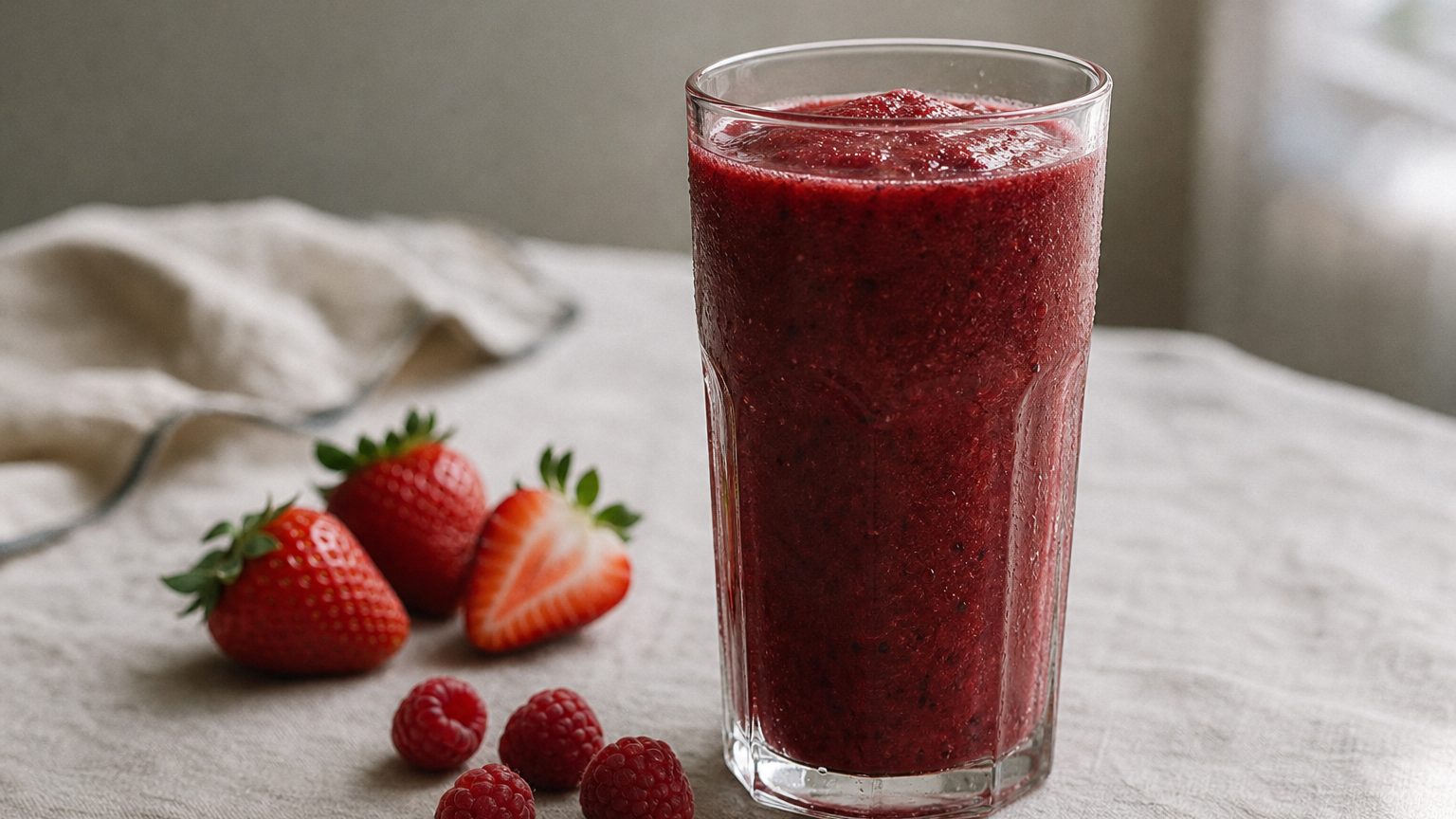
Red fruit smoothies work best when you balance their natural tartness and high water content with something creamy, thick, and satisfying. These five red fruit smoothie recipes use berries, cherries, watermelon, and beet with practical amounts that blend well. You will also see how to adjust sweetness, texture, and protein without burying the fruit in added sugar.
Key Takeaways
- Start with tart fruit: Strawberries, raspberries, cherries, and other red fruits provide bright flavor but often need a sweet or creamy partner.
- Add a thickener: Frozen fruit, banana, yogurt, oats, chia seeds, or avocado prevents a watery smoothie.
- Include staying power: Protein or fat can make a fruit smoothie more satisfying than fruit and juice alone.
- Sweeten after blending: Taste first, then add dates, honey, or maple syrup only if the fruit needs help.
- Treat powders as optional: A reds powder can add convenience, but it does not replace whole fruits and vegetables.
What Makes a Red Smoothie Work
Many red fruits are both tart and high in water. Blend strawberries or watermelon with a large amount of juice, and you may get a thin drink with sharp flavor. A reliable smoothie needs three parts: a flavorful fruit base, a thickener, and a source of protein or fat.
For the base, use about 1 1/2 cups of fruit per serving. Make at least half of it frozen when possible. Frozen strawberries, raspberries, and cherries chill and thicken the drink without ice, which can dilute the flavor.
Next, add a thickener. Half a banana is the easiest option, but it is not the only one. Try 1/2 cup Greek yogurt, 1/4 cup rolled oats, 1 tablespoon chia seeds, or 1/4 avocado. Each creates a different result. Yogurt makes the smoothie creamy, oats make it substantial, and chia gradually thickens it as the drink sits.
Finally, keep the liquid modest. Start with 1/2 cup milk, unsweetened plant milk, or water. Add more one tablespoon at a time only if the blender needs it.
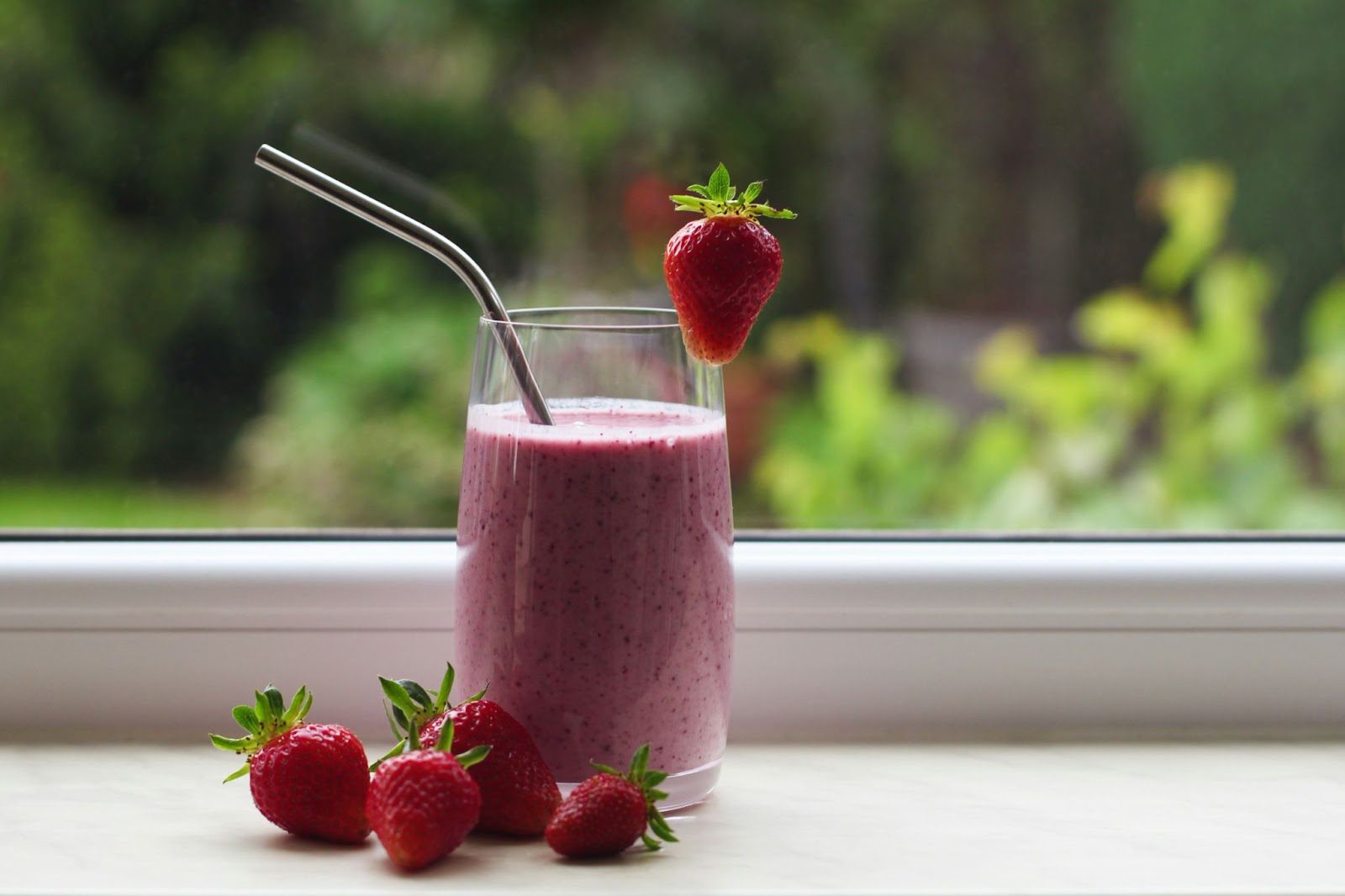
Frozen red fruit, a modest amount of liquid, and a creamy thickener create a smoothie that holds its texture.
The red and purple shades in berries and cherries often come from anthocyanins, natural plant pigments. Beets get their color mainly from betalains, a different group of pigments. These compounds help explain the color, but a deeper red shade does not automatically make one smoothie healthier than another. The full ingredient mix matters more.
Balancing Tartness Without Sugar
You do not need to make a tart smoothie taste like dessert. The goal is balance, not maximum sweetness. Begin by pairing sharp fruit with a naturally sweeter ingredient. Raspberries work well with ripe peach or banana. Tart cherries pair with banana, cocoa, or vanilla. Strawberries become rounder and creamier with yogurt or milk.
Ripeness matters too. A banana with brown speckles tastes sweeter than a firm yellow one. In-season strawberries may need no help, while out-of-season berries can taste more acidic. Frozen fruit is often picked when ripe, so it can provide more consistent flavor.
Blend the smoothie before reaching for a sweetener. If it is too tart, try one of these adjustments:
- Add 1/4 ripe banana or 1/4 cup mango.
- Add 1/4 teaspoon vanilla extract to soften sharp flavors.
- Add another spoonful of yogurt or nut butter for richness.
- Add a small pinch of salt to make the fruit taste fuller.
- Add 1 pitted date, 1 teaspoon honey, or 1 teaspoon maple syrup if needed.
Dates, honey, and maple syrup are still sources of sugar, even though they may be described as natural. Use them for flavor rather than assuming they are nutritionally free additions.
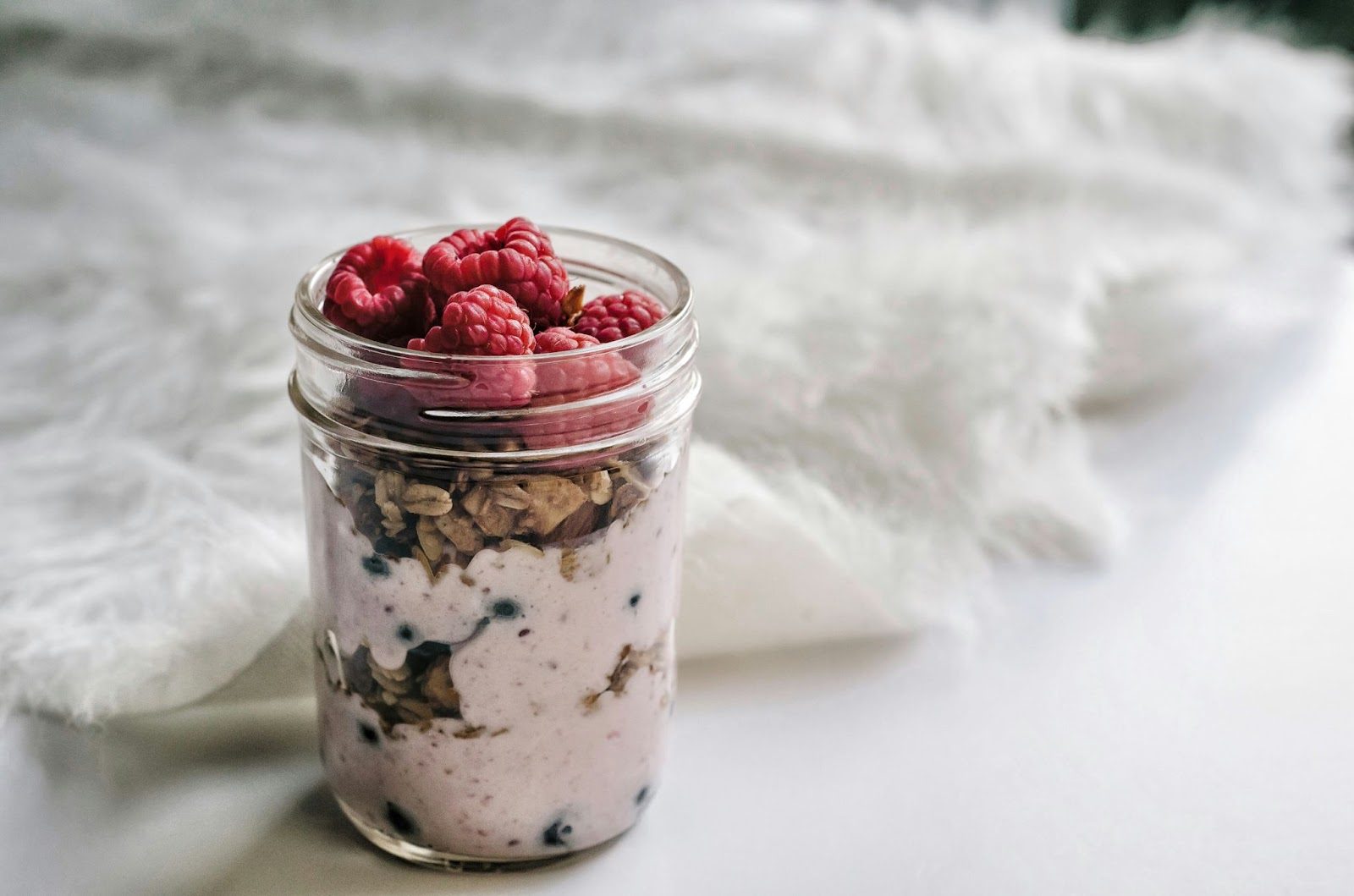
Ripe fruit and creamy ingredients can soften tart berry flavors before any sweetener is added.
Citrus can help when a smoothie tastes flat rather than tart. A teaspoon of lemon or lime juice adds brightness, especially to watermelon and strawberry blends. Use it sparingly with raspberries or tart cherries, which already bring plenty of acidity.
Five Recipes to Repeat
Each recipe makes one generous serving. Add ingredients to the blender with the liquid closest to the blades. Blend for 30 to 60 seconds, then adjust with a splash of liquid if necessary.
Strawberry Banana Yogurt
- 1 cup frozen strawberries
- 1/2 ripe banana
- 1/2 cup plain Greek yogurt
- 1/2 cup milk or unsweetened plant milk
- 1/4 teaspoon vanilla extract
Blend until creamy. For a thinner drink, add 1 to 2 tablespoons more milk.
Raspberry Peach Chia
- 1 cup frozen raspberries
- 1/2 cup frozen peach slices
- 3/4 cup unsweetened soy or dairy milk
- 1 tablespoon chia seeds
- 1/4 teaspoon vanilla extract
Blend thoroughly, then let it stand for two minutes so the chia can thicken.
Cherry Cocoa Smoothie
- 1 cup frozen pitted cherries
- 1/2 frozen banana
- 3/4 cup milk or unsweetened plant milk
- 1 tablespoon unsweetened cocoa powder
- 1 tablespoon almond or peanut butter
Blend until smooth. Add one pitted date only if your cherries are especially tart.
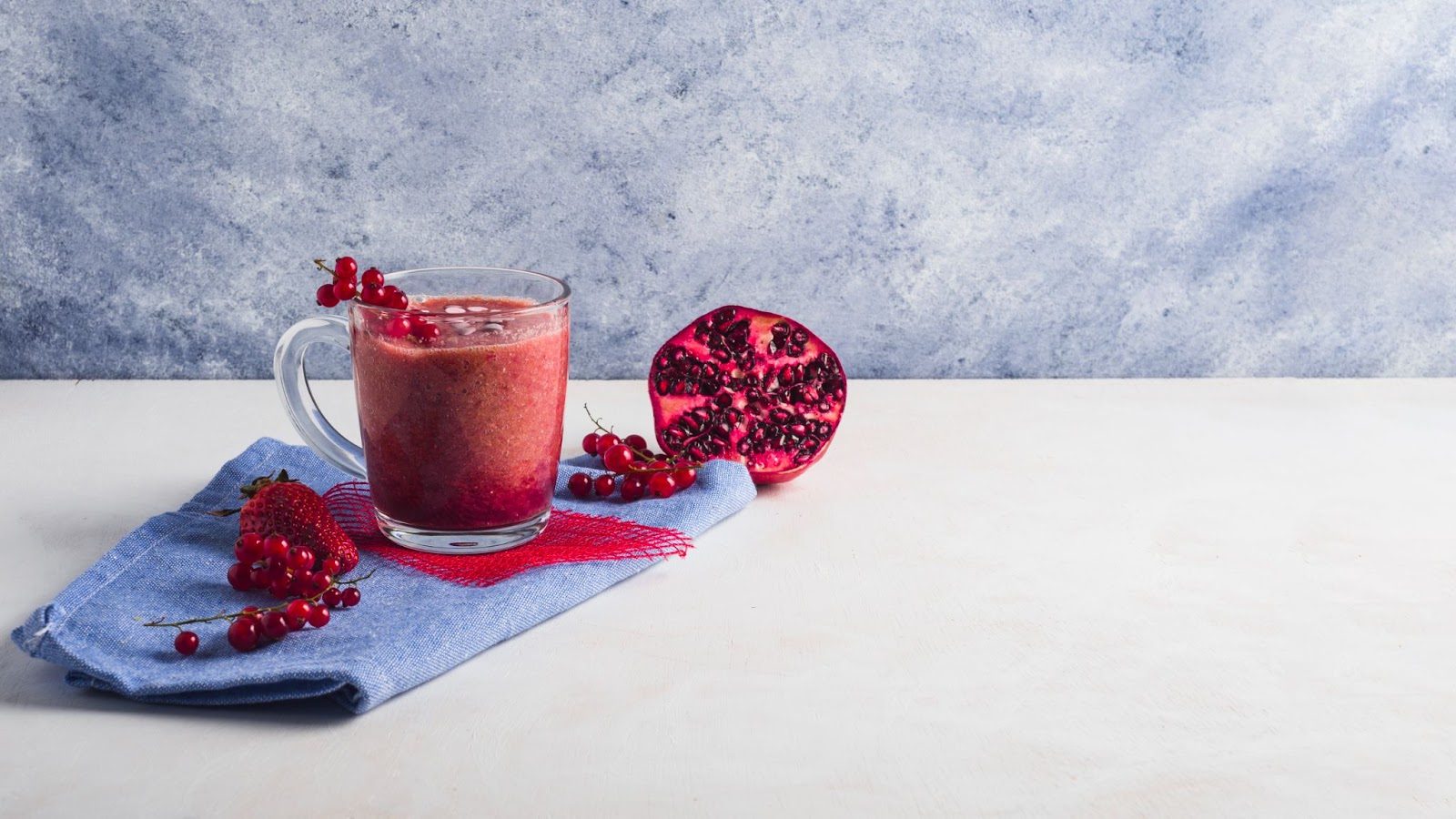
Cherries, cocoa, and nut butter make a rich red smoothie with balanced fruit flavor.
Strawberry Watermelon Lime
- 1 cup frozen strawberries
- 1 cup seedless watermelon cubes
- 1/2 cup plain Greek yogurt
- 1 teaspoon lime juice
- 1 tablespoon chia seeds
Blend without extra liquid first. Watermelon usually releases enough juice to keep the blades moving.
Beet Berry Oat
- 1 cup frozen mixed red berries
- 1/4 cup cooked, chilled beet
- 1/2 banana
- 3/4 cup milk or unsweetened plant milk
- 1/4 cup rolled oats
- Pinch of cinnamon
Blend for a full minute to break down the oats and beet. Use cooked beet, not a large piece of raw beet, for a smoother texture and milder flavor.
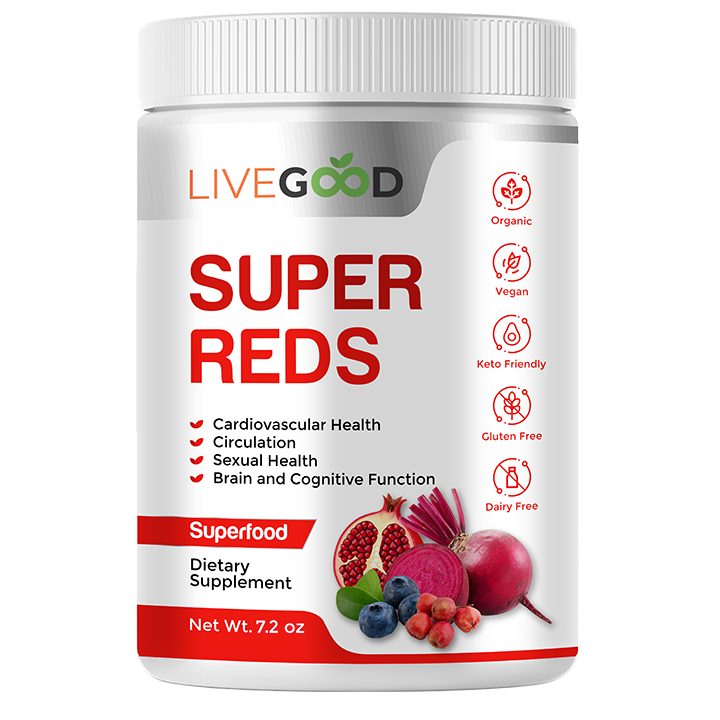
If you want a convenient red produce blend, LiveGood Organic Super Reds is a great-tasting red fruit and vegetable extract powder that supports the body's production of nitric oxide and healthy blood circulation. Mix it with water or add it to a smoothie, following the label directions. It is popular as a pre-workout option or afternoon pick-me-up. The member price is $19.95 versus $34.95 retail, helping make everyday wellness more accessible.
Fresh, Frozen or Powder
Fresh and frozen fruit can both make an excellent smoothie. Choose based on flavor, price, season, and the texture you want. Fresh fruit works well when it is ripe and flavorful. It also lets you use produce that needs to be eaten soon. If every ingredient is fresh, add a few ice cubes or chill the fruit beforehand.
Frozen fruit is usually the easiest route to a thick smoothie. It also reduces food waste because you can use only what you need. Break apart large frozen clumps before adding them to a home blender. If the motor struggles, pause, stir carefully with the blender turned off, and add liquid one tablespoon at a time.
You can freeze fresh berries yourself. Wash them, dry them thoroughly, and spread them in one layer on a tray. Once firm, transfer them to a freezer container. This keeps them from freezing into one solid block. Remove strawberry stems and cherry pits before freezing.
Frozen berries are convenient for thick smoothies, while fresh fruit works well when it is ripe and chilled.
A reds powder serves a different purpose. It offers convenience and concentrated extracts, but it usually will not provide the same texture, water, or full food structure as whole fruit. Keep berries or another thickening ingredient in the recipe rather than expecting powder to build the smoothie. Read more about the benefits and uses of red superfood powder, and follow the product label rather than adding extra scoops.
If you take prescription medication, are pregnant or breastfeeding, have kidney or liver concerns, or manage an existing medical condition, talk to your doctor before starting a dietary supplement.
Making It Filling Enough
A smoothie made only with fruit and juice can be refreshing, but it may not keep you satisfied for long. For more staying power, include protein, fat, fiber, or a combination of the three. These components slow down the pace of the drink and make it feel more like a meal or substantial snack.
Greek yogurt is a simple protein source. A 1/2-cup serving adds creaminess without requiring protein powder. Dairy milk and soy milk generally provide more protein than almond, oat, or coconut beverages, although amounts vary by brand. Check the nutrition label if protein is one of your goals.
For a dairy-free smoothie, tofu can work surprisingly well. Add 1/3 cup silken tofu to berries, banana, and soy milk. Its flavor is mild, and it creates a smooth texture. You can also use a protein powder you already tolerate, following its label directions.
Nut butter, seed butter, chia seeds, hemp seeds, and avocado supply fat along with texture. One tablespoon of nut butter is usually enough for a single smoothie. Rolled oats add fiber and thickness. Start with 1/4 cup so the drink does not become pasty.
Match the smoothie to the occasion. For a light snack, fruit, yogurt, and milk may be enough. For breakfast, add oats or nut butter. After exercise, include a meaningful protein source and pair the smoothie with other food if it does not meet your needs on its own.
Consistency matters more than searching for a perfect ingredient. A balanced recipe you enjoy and can make regularly is more useful than a complicated smoothie you prepare once.
Frequently Asked Questions
What fruits make the best red smoothie?
Strawberries, raspberries, cherries, watermelon, and red grapes are dependable choices for a red smoothie. Frozen berries and cherries provide the thickest texture, while watermelon creates a lighter drink. You can also pair tart red fruit with banana, peach, or mango. Beet is technically a vegetable, but a small cooked portion adds earthy flavor and vivid color.
How do you make a smoothie less tart?
Make a smoothie less tart by adding ripe banana, peach, mango, vanilla, yogurt, or nut butter. Blend and taste before adding a sweetener. If it still tastes sharp, use one pitted date or a teaspoon of honey or maple syrup. A small pinch of salt can also round out the fruit flavor without making the smoothie noticeably salty.
Can you use frozen fruit in smoothies?
Yes, frozen fruit is one of the easiest ways to make a cold, thick smoothie without much ice. Start with about 1/2 cup liquid for every 1 1/2 cups fruit, then add more only as needed. If your blender struggles, let the fruit soften for five minutes or use a mix of frozen and fresh ingredients.
Should you add protein to a fruit smoothie?
Adding protein is useful when you want a fruit smoothie to serve as breakfast, a substantial snack, or part of a post-workout meal. Greek yogurt, dairy milk, soy milk, silken tofu, and protein powder are practical options. You do not need protein in every smoothie, but fruit and juice alone may be less satisfying.
Can you add reds powder to a smoothie?
Yes, you can add a reds powder to a smoothie if the product label allows it. Use the labeled serving rather than guessing or adding extra scoops. Keep whole fruit in the recipe for texture and food-based fiber. If you take medication, are pregnant or breastfeeding, have kidney or liver concerns, or manage a medical condition, talk to your doctor first.