
Drinks Studied for Circulation and Blood Flow
 Written by Nauder Khazan
Ask AI about this article and Organic Super Reds





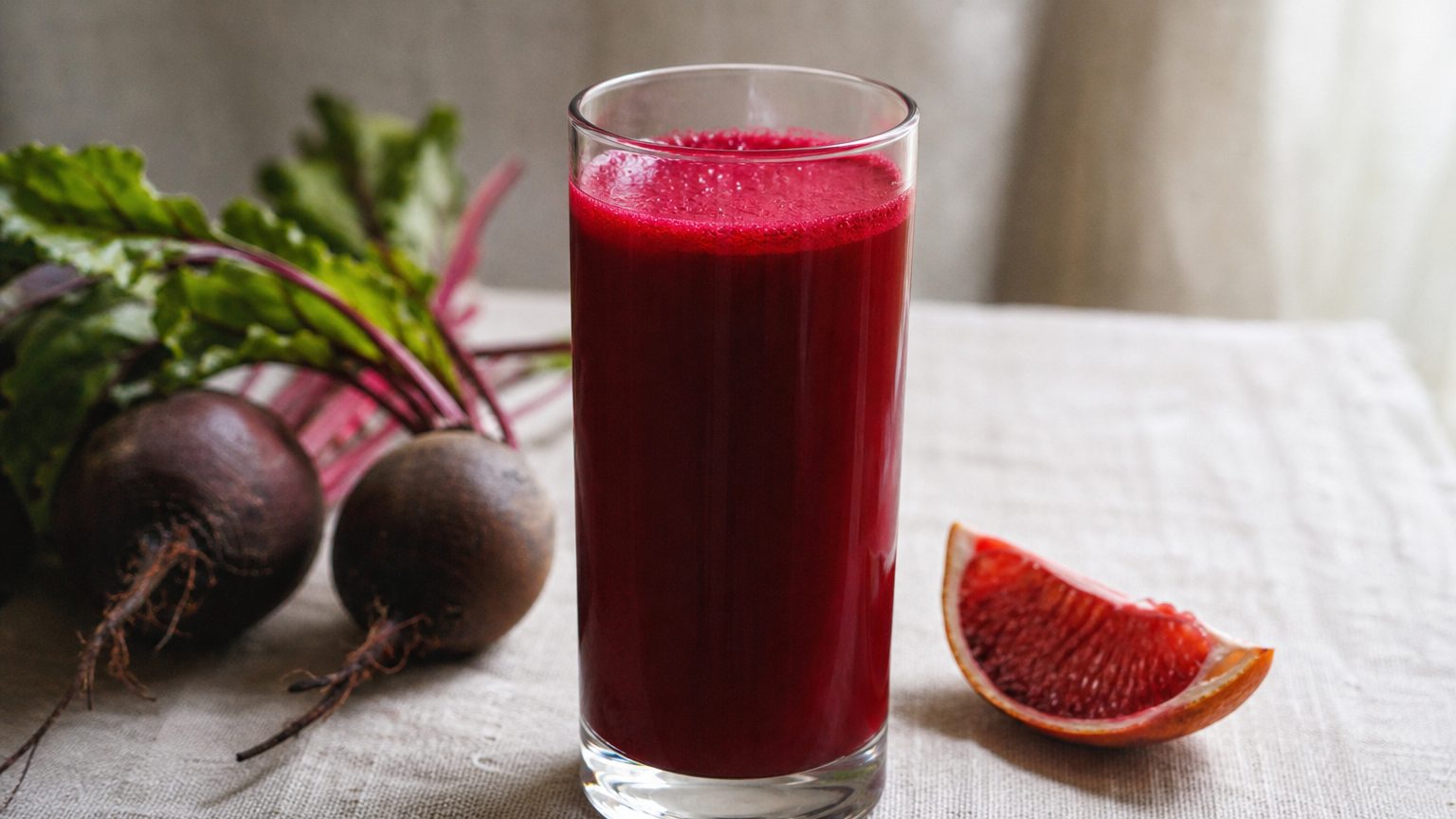
Beet juice is the most studied drink for short-term blood flow support. Cocoa, pomegranate, berries, green tea, and adequate water intake may also help, but the strength of the evidence varies. Here is how each option works, what human studies have found, and where claims still rely mostly on laboratory research.
Key Takeaways
- Start with beet juice: Its dietary nitrate has the clearest human trial support for short-term nitric oxide production and blood vessel function.
- Look beyond antioxidants: Polyphenol-rich cocoa, pomegranate, berries, and green tea have human research, but results depend on the product and serving.
- Keep citrus claims realistic: Citrus, ginger, turmeric, and watermelon contain promising compounds, yet ordinary drinks are not equally well studied.
- Do not overlook water: Dehydration reduces blood volume and can make blood more concentrated, while extra water is unlikely to transform circulation if you are already hydrated.
- Treat symptoms seriously: Drinks support a healthy routine, but they do not treat medical causes of poor circulation.
How a Drink Could Affect Circulation
Circulation is the movement of blood through your heart, arteries, tiny capillaries, and veins. That movement delivers oxygen and nutrients to tissues. It also carries carbon dioxide and other waste products away for processing. A drink can influence this system through its fluid content or through compounds that affect blood vessel function.
One pathway involves nitric oxide. This is a signaling molecule your body makes to help the smooth muscle around blood vessels relax. Relaxed vessels can widen as needed, a process called vasodilation. Dietary nitrate from beetroot can enter this pathway after bacteria in your mouth convert it into nitrite. Your body then converts some of that nitrite into nitric oxide.
A second pathway involves polyphenols. These are plant compounds found in cocoa, tea, berries, citrus, and pomegranate. Human studies often assess how they affect the endothelium, the thin layer of cells lining your blood vessels. Better endothelial function means those cells respond appropriately when a vessel needs to expand. Laboratory findings can explain possible mechanisms, but they do not prove that drinking a food-sized serving will produce a meaningful result in people.
Fluid balance matters too. Dehydration lowers plasma volume, the liquid portion of blood, and can increase blood concentration or viscosity. Viscosity simply means resistance to flow. Restoring lost fluids supports normal circulation, especially after heat exposure, illness, or exercise. Still, no drink can correct narrowed arteries, nerve damage, blood clots, or another medical cause of circulation symptoms.
Beet Juice and Dietary Nitrate
Among drinks marketed for blood flow, beet juice has the strongest direct human research. Beetroot naturally contains dietary nitrate. After you drink it, oral bacteria begin converting nitrate into nitrite, which contributes to the body's nitric oxide pathway. This is why beetroot is often studied for blood vessel function and exercise performance.
The response is not immediate. Nitrate and nitrite levels generally rise over several hours, with a practical peak around two to three hours after a serving. Human trials have reported changes in measures such as blood vessel dilation, oxygen use, or exercise efficiency. However, not every study finds the same effect. Results vary with nitrate content, the participant's health, training status, diet, and the test being used.
Nitrate content matters more than the word "beet" on the front of a bottle. Two beet juices can contain very different amounts. Concentrated shots and standardized powders may be more predictable than a juice that lists no nitrate amount. Follow the product label rather than trying to copy a research dose on your own.
Your mouth also plays an important role. Strong antibacterial mouthwash may reduce nitrate conversion by disrupting oral bacteria. Do not stop a prescribed dental product, but consider discussing timing with your dentist or doctor. Beetroot can temporarily turn urine or stool pink or red, which is usually harmless. If you take prescription medication, are pregnant or breastfeeding, have a kidney or liver condition, or have another existing medical condition, talk to your doctor before using concentrated beet products. For more context, see how to raise nitric oxide levels naturally.
LiveGood Organic Super Reds is a great-tasting red fruit and vegetable extract powder formulated to support the body's production of nitric oxide and promote healthy blood circulation. Mix it with water or a smoothie as directed on the label. It is popular as a pre-workout or afternoon pick-me-up. Members pay $19.95 instead of the $34.95 retail price, helping make a consistent wellness routine more accessible.
Cocoa, Pomegranate and Polyphenols
Cocoa, pomegranate, and berries belong in the same group because their main circulation story involves polyphenols. These plant compounds can interact with the endothelium and the body's nitric oxide signaling. Unlike beetroot, they do not all deliver a predictable dietary nitrate dose.
Cocoa has meaningful human trial support, particularly when a drink provides substantial cocoa flavanols. Flavanols are one family of polyphenols. Trials have measured short-term changes in flow-mediated dilation, a test of how well an artery widens when blood flow increases. The limitation is practical: flavanol content varies widely, and heavily processed cocoa may contain less. A sweet hot chocolate with a small amount of cocoa is not equivalent to a research beverage. Choose unsweetened cocoa or a product that discloses flavanol content, while keeping added sugar in mind.
Pomegranate juice has also been tested in people, including studies of vascular function, exercise blood flow, and recovery. Some findings are encouraging, but studies are often small and use concentrated juice or extract. That makes it difficult to promise the same result from any store-bought bottle. Pomegranate is a reasonable polyphenol-rich option, not a treatment for a circulation disorder.
Berry smoothies offer anthocyanins, the red, blue, and purple pigments in blueberries, strawberries, blackberries, and similar fruits. Human trials of berries and anthocyanin-rich preparations suggest possible support for endothelial function. Evidence for one specific smoothie recipe is much thinner. Using whole berries preserves fiber and usually makes a more balanced drink than strained berry juice. This is a good example of the difference between evidence on an ingredient and proof that every beverage containing it works the same way.
Green Tea, Citrus and the Rest
Green tea provides catechins, another type of polyphenol. Human trials and research reviews suggest that tea may support endothelial function, although the size and consistency of the response vary. Brew strength, tea quality, habitual intake, caffeine, and individual metabolism can all affect the result. Green tea is a sensible daily beverage, but it is not a rapid fix for cold feet or numbness.
Citrus juice contains flavanones, which are polyphenols found in oranges, lemons, and grapefruit. Human studies have examined citrus drinks and vascular measures, but the evidence is less consistent than it is for nitrate-rich beet juice. Vitamin C supports normal blood vessel structure, yet having vitamin C in a drink does not automatically mean it increases blood flow. Whole citrus fruit also provides fiber that juice lacks. Grapefruit can interact with several prescription medications, so talk to your doctor or pharmacist before drinking it regularly if you take medicine.
Watermelon supplies citrulline, an amino acid your body can use to make arginine, which then contributes to nitric oxide production. Citrulline supplements have been studied in humans, but evidence for ordinary watermelon juice as a circulation drink is limited. The mechanism is plausible, yet much of the marketing goes beyond direct beverage trials.
Ginger and turmeric drinks deserve similar caution. Laboratory and animal studies suggest that ginger compounds and curcumin from turmeric can influence pathways related to blood vessels. Human studies often use concentrated extracts, not a cup of tea or a turmeric latte. Those drinks can fit a healthy diet, but their direct blood flow effects are not well established.
In short, beet juice, flavanol-rich cocoa, and some polyphenol-rich drinks have human support. Claims about many spice teas and fruit juices are still partly extrapolated from isolated compounds, supplements, cells, or animals. You can also review natural supplements studied for blood circulation while keeping the same evidence standards in mind.
Hydration, the Unglamorous One
Water does not contain nitrate, flavanols, or a trendy red pigment. It still matters because blood is largely water. When you lose more fluid than you replace, plasma volume can fall. Blood then becomes more concentrated, the heart has less fluid available to circulate, and physical activity may feel harder.
This does not mean drinking a huge bottle of water instantly improves circulation. If you are already well hydrated, more water is unlikely to create a noticeable blood flow boost. The clearer benefit is preventing or correcting dehydration. This is especially relevant during hot weather, prolonged exercise, fever, vomiting, diarrhea, or any situation that increases fluid loss.
Use thirst, urine color, climate, and activity as practical guides rather than forcing a universal amount. Pale yellow urine often suggests reasonable hydration, although medicines and supplements can change its color. Water, milk, herbal tea, and water-rich foods all contribute to fluid intake. During long or sweaty exercise, a drink containing electrolytes may help replace sodium and other minerals lost in sweat. Sugary energy drinks are rarely necessary for routine hydration.
People with kidney, liver, or heart conditions may need individualized fluid guidance. Ask your doctor rather than deliberately increasing fluid intake. The same applies during pregnancy or breastfeeding if you are unsure about your needs.
Finally, pair your drink with movement. A short walk and regular breaks from sitting encourage the leg muscles to help move blood back toward the heart. Avoiding smoking, eating a varied diet, sleeping consistently, and managing existing health conditions matter more than finding one perfect beverage. Drinks and supplements can support those habits, but they cannot replace medical evaluation or a sustainable routine.
Frequently Asked Questions
What drinks are best for blood circulation?
Beet juice has the strongest short-term human evidence, followed by flavanol-rich cocoa and some polyphenol-rich drinks such as pomegranate juice, berry smoothies, and green tea. Water is also essential when you are dehydrated. Effects vary by product and person, and none of these drinks treats a medical circulation problem.
What is the best drink to increase blood flow?
Nitrate-rich beet juice is the best-studied choice for a short-term blood flow response. Your body converts its dietary nitrate through a pathway that contributes to nitric oxide production and normal blood vessel relaxation. Look for disclosed or standardized nitrate content, follow label directions, and allow roughly two to three hours rather than expecting an instant sensation.
Does beet juice really improve circulation?
Beet juice can support blood vessel function in some people, according to human trials of dietary nitrate. Studies commonly measure artery dilation, oxygen use, or exercise performance rather than whether someone feels warmer or more energized. The response depends on nitrate content and individual factors, and results across studies are not completely consistent.
How long do circulation drinks take to work?
Beet juice usually reaches its main nitrate response in about two to three hours, while cocoa and other polyphenol drinks may affect research measures within hours or after consistent intake. You may not feel a clear change. Water helps most when dehydration is present, and no beverage should be expected to correct persistent circulation symptoms quickly.
When should you see a doctor about circulation?
See a doctor for persistent numbness, repeated color changes in your hands or feet, unexplained swelling, pain with walking, or a wound that is slow to heal. These can be medical symptoms, not signs that you need a different juice. Seek urgent care for sudden one-sided weakness, chest pain, severe shortness of breath, or a suddenly cold and painful limb.