
Red Fruits and Heart Health: What Research Shows
 Written by Nauder Khazan
Ask AI about this article and Organic Super Reds





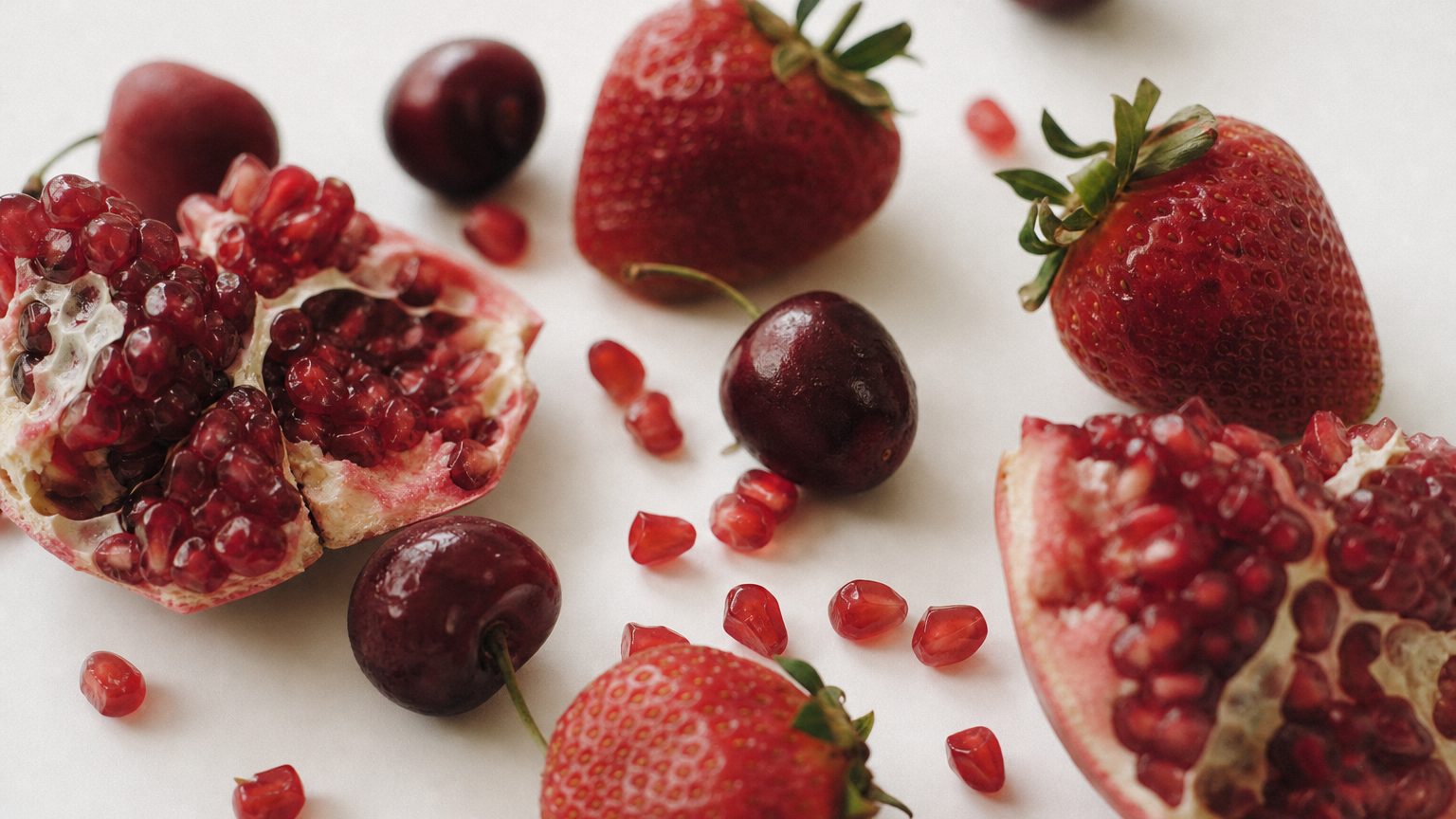
Red fruits can contribute fiber, potassium, vitamins, and plant compounds that support overall cardiovascular wellness. Berries, cherries, tomatoes, watermelon, and red grapes are useful choices, but research cannot prove that any single fruit protects your heart. Here is what the major red compounds do, what studies have found, and how to put that evidence into practice.
Key Takeaways
- Color offers a useful clue: Red produce may contain anthocyanins, lycopene, betalains, or a combination of other plant compounds.
- Berries lead anthocyanin research: Observational studies connect berry-rich diets with favorable cardiovascular patterns, but they cannot prove cause and effect.
- Beet contains two distinct components: Betalains create its color, while dietary nitrate supports the body's nitric oxide pathway.
- Whole foods bring more than pigments: Fiber, potassium, vitamins, water, and food structure all contribute to a balanced eating pattern.
- Consistency matters most: Regularly eating varied fruits and vegetables is more practical than searching for one heart-protective fruit.
What the Red Pigments Are
The color of a fruit can hint at its plant compounds, but it does not tell you the entire nutritional story. Different red foods get their color through different chemical families.
Anthocyanins are water-soluble pigments that create red, purple, and blue shades. You will find them in strawberries, raspberries, cherries, red grapes, and some blood oranges. The exact color changes with the fruit's acidity, variety, and ripeness.
Lycopene is a fat-soluble carotenoid, a type of pigment related to beta-carotene. It gives tomatoes, watermelon, pink grapefruit, and red guava their pink or red color. Because it is fat-soluble, your body generally absorbs it more easily when the food is eaten with some dietary fat.
Betalains are a separate group of red and yellow pigments. Red beet is their most familiar source, although beet is a root vegetable rather than a fruit. Betalains should not be confused with anthocyanins. A plant generally makes one group or the other.
Beet also contains dietary nitrate, which has no color. Your body can convert nitrate into nitric oxide, a signaling molecule involved in normal blood vessel function. That means beet's pigment and nitrate may follow different pathways in the body.
Processing, storage, cooking, and variety can change the amount of these compounds. Color is therefore a helpful starting point, not a guarantee of a particular dose or health effect.
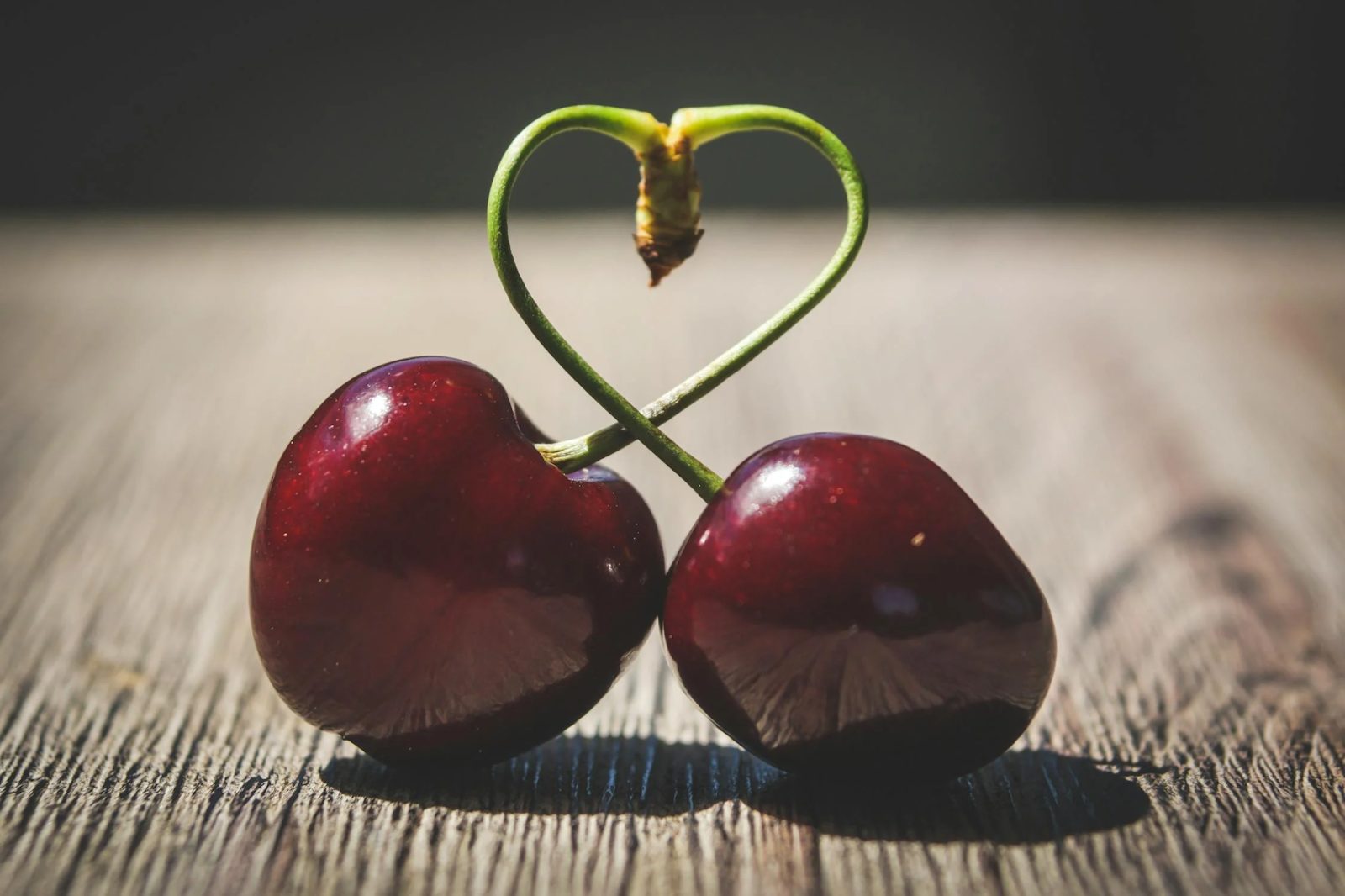
Different red foods get their color from anthocyanins, lycopene, or betalains, while dietary nitrate itself has no color.
Anthocyanins and Vascular Research
Anthocyanins are part of a larger plant-compound family called flavonoids. Berries, cherries, red grapes, and blood oranges can provide them, although amounts vary widely between varieties. Strawberries and raspberries also supply fiber and vitamin C, while grapes and cherries bring their own mix of polyphenols, another broad group of plant compounds.
Researchers are interested in whether anthocyanin-rich foods support endothelial function. The endothelium is the thin layer of cells lining your blood vessels. It helps vessels respond to changing blood flow and produces signals involved in normal circulation.
Large observational studies often find that people who eat more berries or anthocyanin-rich foods have more favorable cardiovascular outcomes. These studies can identify patterns, but they cannot show that berries caused those outcomes. People who eat berries regularly may also exercise more, smoke less, have better access to health care, or follow a healthier overall diet.
Controlled trials offer a closer test, but the results are not uniform. Studies use different fruits, juices, powders, extracts, serving sizes, and time periods. Some report favorable changes in measures such as blood vessel responsiveness or markers of oxidative stress. Others find small or unclear differences. An antioxidant marker in a blood test also does not prove that a food prevents heart disease.
For everyday eating, fresh and frozen berries are both reasonable. Choose frozen fruit without added sugar when possible. Add berries to oatmeal, plain yogurt, salads, or smoothies. Red grapes and cherries can add variety, but they do not need to replace other fruits you enjoy.
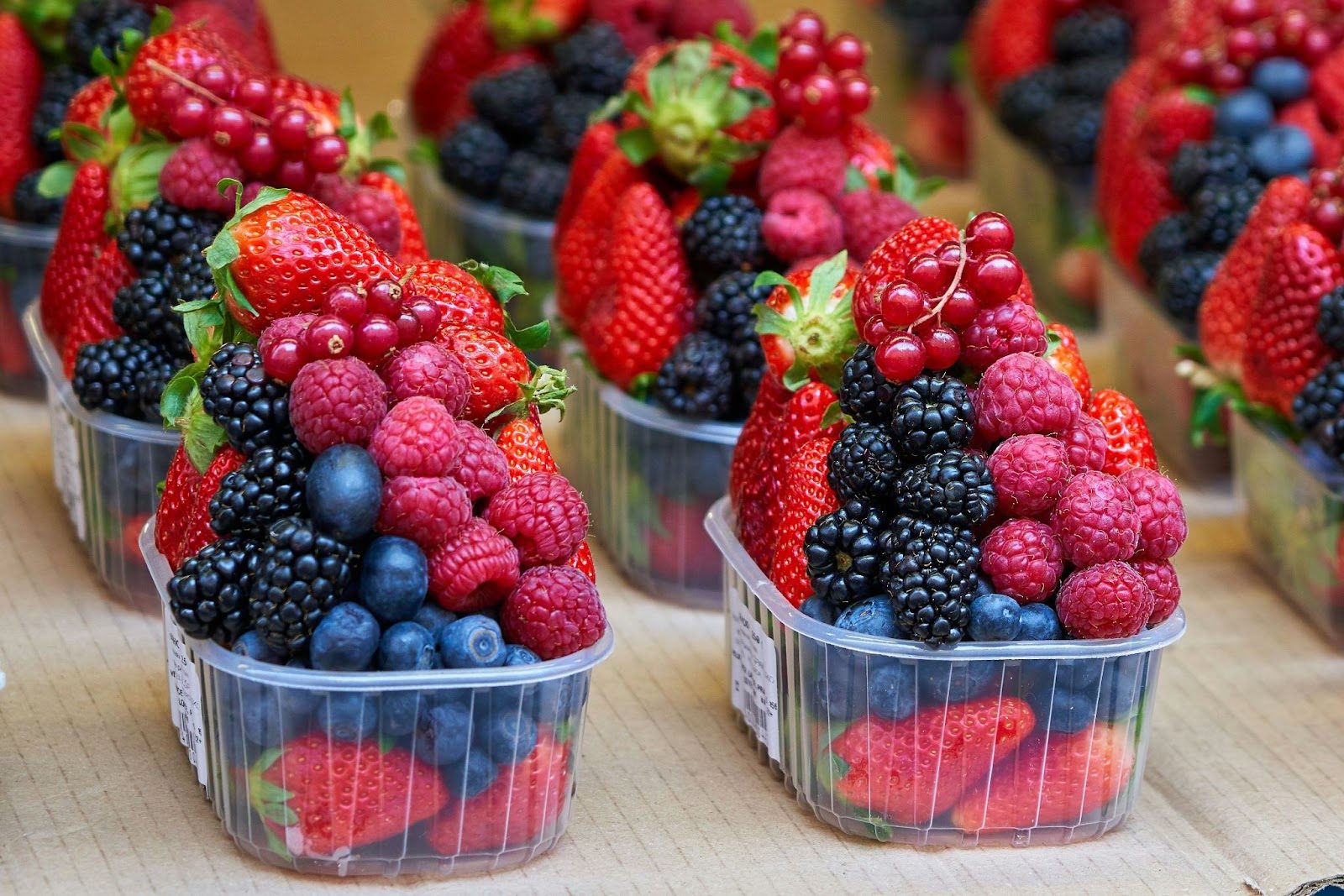
Berries, cherries, and red grapes provide anthocyanins alongside fiber, vitamins, and other plant compounds.
Lycopene and Betalains
Lycopene is best known as the red carotenoid in tomatoes. Watermelon, pink grapefruit, and red guava contain it too. Laboratory research shows that lycopene can interact with oxidation processes, but effects observed in a laboratory do not automatically translate into protection inside the human body.
Human research includes both observational studies and controlled trials. Some population studies connect higher lycopene intake or blood lycopene levels with favorable cardiovascular patterns. However, those findings may reflect an overall diet rich in produce rather than an isolated lycopene effect. Trials using tomatoes, tomato products, or lycopene supplements have produced mixed results across cholesterol measurements, blood vessel function, and other markers.
Cooking tomatoes breaks down some of their cell structure, which can make lycopene more available for absorption. Eating cooked tomato with olive oil, avocado, nuts, or another source of fat may improve absorption further. Raw tomatoes still offer water, vitamin C, potassium, fiber, and other nutrients, so you do not need to choose one form exclusively.
Betalains give red beet its deep crimson color. Early research has examined their antioxidant activity and their relationship with exercise recovery and inflammatory markers. Much of this work is small, short-term, or based on concentrated preparations. It does not establish that ordinary servings of beet deliver a specific cardiovascular result.
This distinction matters because beet's betalains and nitrate are often discussed as though they were interchangeable. Betalains are pigments. Nitrate participates in nitric oxide production. A beet product may contain both, but the amount of one does not reliably reveal the amount of the other.
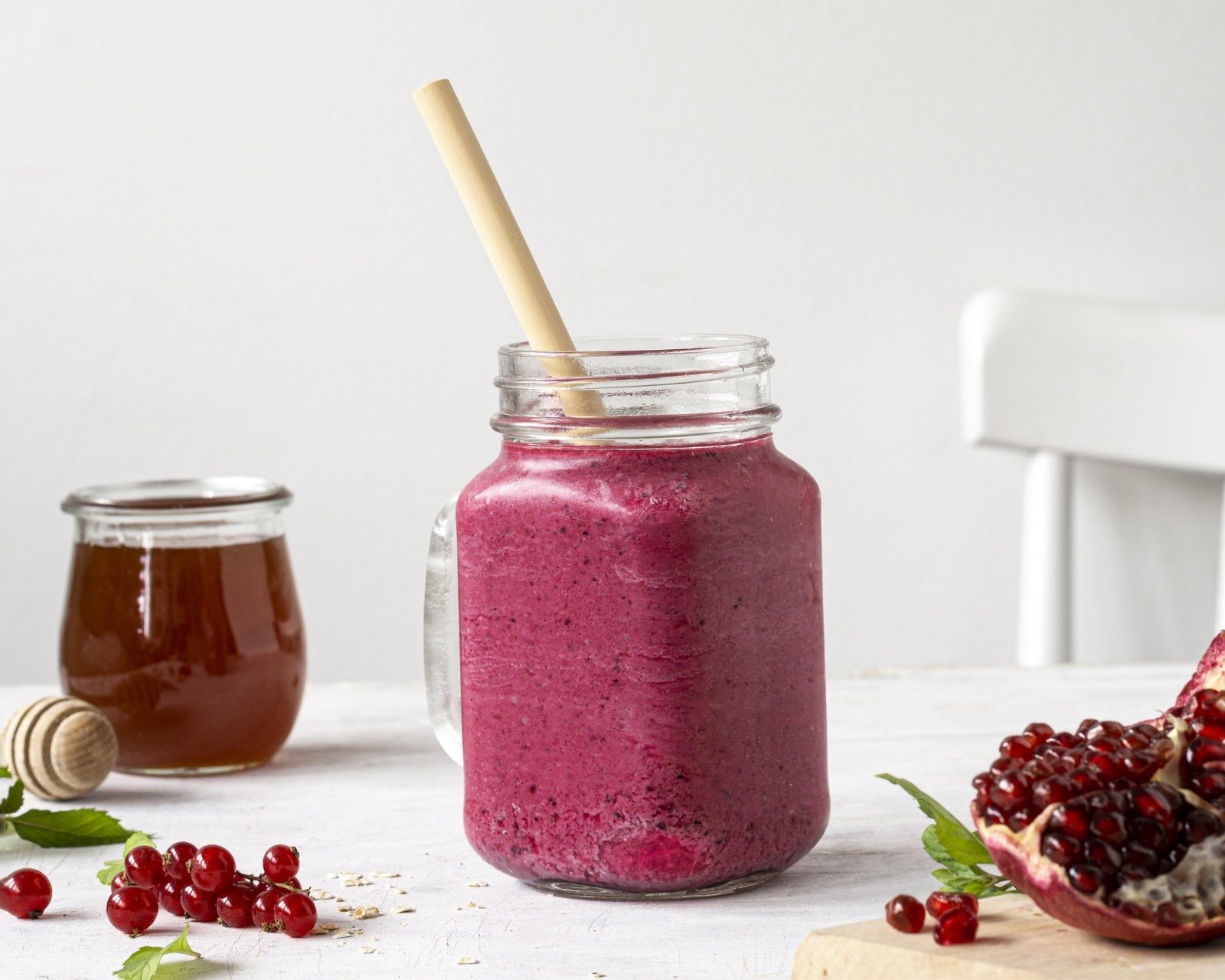
Tomatoes and watermelon contain lycopene, while red beet gets its deep color from betalain pigments.
Beet and Dietary Nitrate
Dietary nitrate is naturally present in beet, arugula, spinach, lettuce, and several other vegetables. After you consume it, bacteria in your mouth convert some nitrate into nitrite. Your body can then use nitrite to produce nitric oxide, a molecule that helps blood vessel walls relax and supports healthy circulation.
This pathway has made beetroot juice popular in vascular and exercise research. Some trials report changes in blood pressure measurements, blood flow, or exercise efficiency after nitrate-rich beet preparations. Other trials find smaller effects or no clear difference. Results depend on nitrate content, the person's usual diet, age, health, fitness, and the outcome being measured.
A label that lists only total beetroot milligrams does not tell you how much nitrate it contains. Fresh beets also vary naturally. You can enjoy roasted beet, grated raw beet, or beet blended into a smoothie as food, but you should not assume a specific serving matches a concentrated juice used in research.
Antibacterial mouthwash may interfere with the oral bacteria involved in nitrate conversion. That does not mean you should stop medically recommended oral care. It simply helps explain why individual responses can differ.
Beet can turn urine or stool pink or red, which is usually harmless. It also contains oxalates, natural compounds that may matter for some people with a history of kidney stones. If you take prescription medication, are pregnant or breastfeeding, have a kidney or liver condition, or live with another medical condition, talk to your doctor before using concentrated beet products. Follow supplement label directions rather than trying to recreate a research dose on your own.
Beet supplies dietary nitrate that supports the body's nitric oxide pathway and healthy circulation.
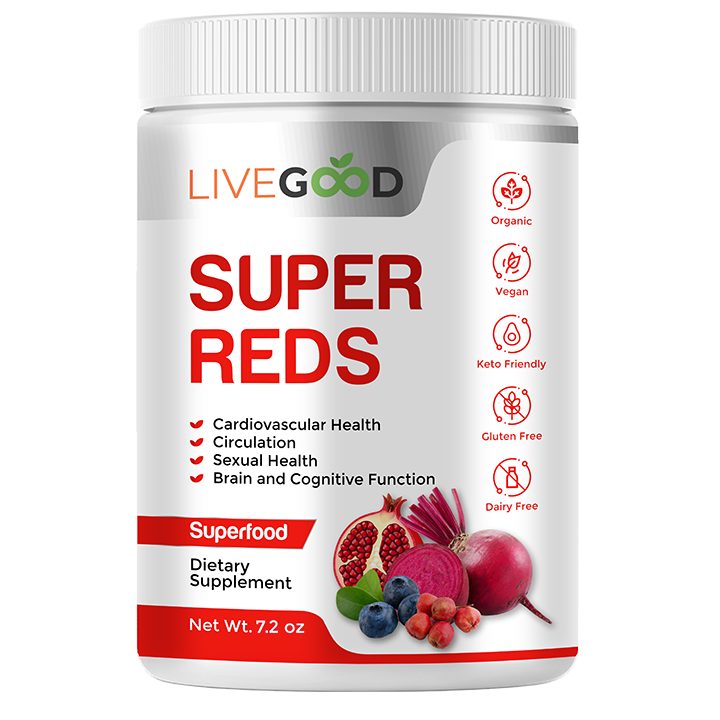
For a convenient red-produce option, LiveGood Organic Super Reds is a great-tasting red fruit and vegetable extract powder that mixes with water or a smoothie. It is formulated to support the body's production of nitric oxide and healthy blood circulation. Many people use it before a workout or as an afternoon pick-me-up. It costs $19.95 for members versus $34.95 retail, helping make consistent wellness habits more accessible through membership.
Why Whole Diet Beats Any Single Fruit
There is no number one fruit that has been proven to protect the heart. Observational nutrition research looks for associations between eating patterns and later health outcomes. It cannot isolate every difference between people or prove that one food caused a result.
That does not make the research useless. When findings from population studies, controlled trials, and basic nutrition science point in a similar direction, they can help shape practical habits. The strongest takeaway is broader than eating more red food. Diets containing varied fruits, vegetables, legumes, whole grains, nuts, and seeds provide fiber, minerals, vitamins, and many plant compounds together.
Whole fruit also has a food structure that juice and extracts do not fully reproduce. Its fiber slows eating, supports digestive health, and helps make meals satisfying. Unsweetened frozen fruit remains a useful option. Juice can fit occasionally, but it is easier to consume quickly and usually contains less fiber than the whole fruit.
Try rotating colors instead of making red produce compete with green, orange, or purple foods. Add strawberries to breakfast, tomatoes or red peppers to lunch, and cherries or watermelon as a snack when they are in season. Oranges are not usually classified as red fruits, but they still contribute vitamin C, folate, potassium, and flavonoids. Blood oranges add anthocyanins as well.
If you use a red powder, treat it as support for a routine rather than a replacement for produce. You can read more about red superfood powder and how it fits into a balanced routine. The honest goal is consistency, not a quick fix. Choose fruits you enjoy, vary them through the week, and build them into an overall eating pattern you can maintain.
Frequently Asked Questions
Which red fruits are best for heart health?
Berries, cherries, red grapes, tomatoes, and watermelon are all worthwhile choices, but no single one is best. Berries and cherries provide anthocyanins, while tomatoes and watermelon provide lycopene. Their value also comes from fiber, potassium, vitamins, and the foods they replace in your diet. A varied, produce-rich pattern matters more than ranking individual fruits.
Do berries really help your heart?
Berries can support a heart-conscious eating pattern, but they are not proven to protect the heart by themselves. Observational studies associate greater berry intake with favorable cardiovascular outcomes, while some controlled trials report changes in blood vessel or oxidative stress measurements. Results vary, and healthier lifestyle habits may partly explain the associations seen in population research.
Is beet juice good for blood pressure?
Beet juice provides dietary nitrate, which supports nitric oxide production and normal blood vessel relaxation. Research has examined its effects on blood pressure measurements, with some studies reporting modest changes and others finding little difference. Nitrate content varies between products. If you use medication or have an existing medical condition, talk to your doctor before using concentrated beet juice regularly.
How much fruit do you need for benefit?
There is no proven serving of red fruit that produces a guaranteed cardiovascular benefit. A practical approach is to eat fruit regularly as part of your overall fruit and vegetable intake, while rotating different colors and types. Choose mostly whole or unsweetened frozen fruit. Your ideal amount may depend on your energy needs, medical conditions, and the rest of your diet.
Can supplements replace eating fruit?
No, supplements cannot fully replace whole fruit. Fruit provides fiber, water, vitamins, minerals, and a complex food structure that an extract may not reproduce. A red powder can offer convenience and support a consistent routine, especially when fresh produce is unavailable. It should complement varied meals rather than serve as your only source of fruits and vegetables.