
Alfalfa Benefits for Men and How to Use It
 Written by Ben Glinsky
Ask AI about this article and Organic Super Greens





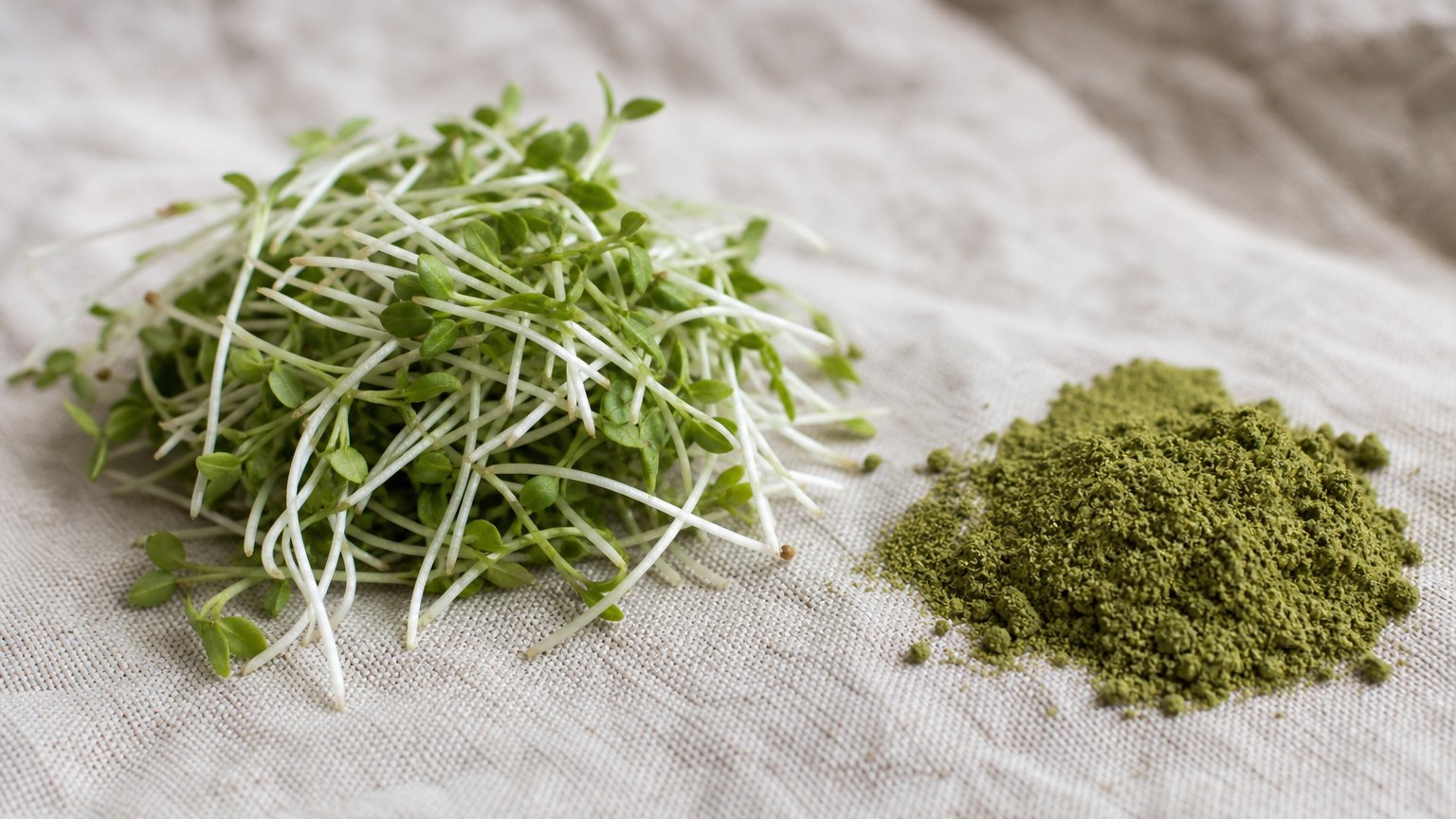
Alfalfa can add vitamin K and small amounts of other nutrients to a man's diet, but it has not been shown to raise testosterone, build muscle or deliver uniquely male benefits. Its most important considerations are safety, especially if you take warfarin, have an autoimmune condition or eat raw sprouts. Here is what the research supports and how to choose a practical form.
Key Takeaways
- Expect general nutrition benefits: Alfalfa supplies vitamin K and small amounts of several vitamins, minerals and plant compounds.
- Keep male-health claims realistic: There is not good evidence that alfalfa raises testosterone, builds muscle or improves sexual performance.
- Take warfarin seriously: Alfalfa's vitamin K can reduce how well warfarin works, especially when intake changes suddenly.
- Avoid it with autoimmune disease: L-canavanine in alfalfa has been linked to lupus activation and flares.
- Handle sprouts with care: Raw sprouts can carry Salmonella and E. coli even when they look and smell fresh.
What Alfalfa Actually Is
Alfalfa, or Medicago sativa, is a perennial plant in the legume family. That makes it a relative of beans, peas and lentils. It develops deep roots, leafy stems and small purple flowers. Farmers commonly grow it as livestock feed, but people also eat its young sprouts or use the mature leaves and seeds in teas, powders and tablets.
When people search for alfalfa benefits for men, they may be looking for support with energy, fertility, testosterone or muscle growth. Those expectations need context. Alfalfa is a nutritious plant, not a male hormone supplement. Most of its plausible benefits come from ordinary nutrients and naturally occurring plant compounds rather than a special effect in men.
The form also matters. A small serving of sprouts is mostly water and provides modest nutrient amounts. Dried leaf powder is more concentrated by weight because its water has been removed. Alfalfa seed preparations contain a different mix of compounds and should not be treated as interchangeable with sprouts or leaf powder.
Alfalfa can fit into a varied diet, but it does not replace vegetables, legumes, protein-rich foods or medical care. If your goal is muscle growth, start with sufficient protein, progressive strength training, sleep and total calories. See our closer look at alfalfa for bodybuilding for expectations specific to training.
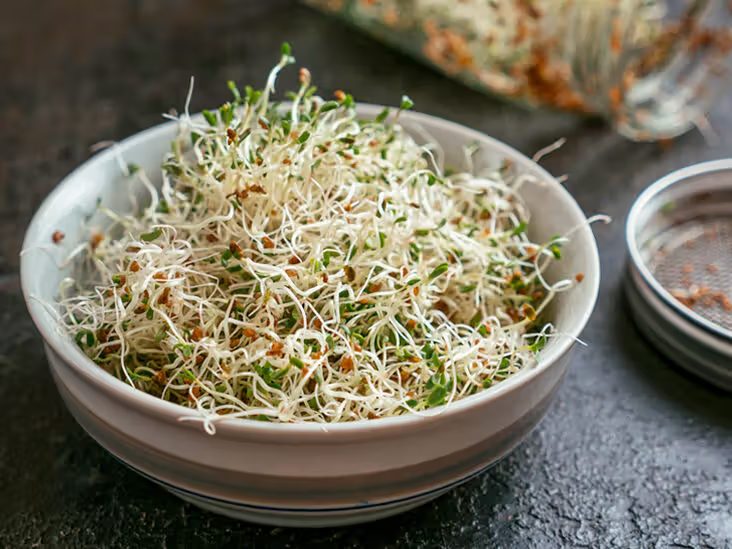
Alfalfa is a member of the legume family and is consumed as sprouts, dried leaves, powder and tablets.
Nutrients It Supplies
Alfalfa sprouts are very low in calories. One cup provides roughly 8 calories, about 1 gram of protein and less than 1 gram each of carbohydrate and fat. That makes sprouts a light addition to sandwiches, salads and bowls, but not a meaningful protein source for building muscle.
Vitamin K is alfalfa's standout nutrient. Your body uses vitamin K to make proteins involved in normal blood clotting, and it also contributes to normal bone maintenance. The amount can vary with the plant, serving size and product form. Dried powders and tablets may deliver more per serving than fresh sprouts, so checking the label matters.
Alfalfa also supplies smaller amounts of vitamin C, folate, riboflavin, thiamin, magnesium, iron and copper. These nutrients have normal roles in areas such as energy metabolism, red blood cell formation and immune function. However, a small serving of sprouts contributes only part of what you need each day.
The plant contains flavonoids and saponins as well. Flavonoids are plant compounds with antioxidant activity, meaning they can help manage unstable molecules created during normal metabolism. Saponins are compounds that can interact with cholesterol and bile acids in laboratory settings. Their presence is interesting, but it does not prove that an alfalfa supplement will produce a specific health result in people.
For a broader discussion that includes hormone-related questions and pregnancy precautions, see alfalfa benefits for women.

Alfalfa sprouts provide vitamin K and modest amounts of several other nutrients in a low-calorie serving.
What the Research Supports
Human research on alfalfa is limited, and much of it is old, small or based on concentrated preparations that do not match a typical serving of sprouts. The clearest everyday benefit is simple: alfalfa adds plant variety and some nutrients to your diet.
A small older human study examined alfalfa seeds in people with high cholesterol and reported changes in cholesterol measurements. The quantity used was much larger than a casual food serving. The study was also too limited to establish alfalfa as a reliable way to manage cholesterol. A review of saponin research discusses possible mechanisms, but mechanisms and laboratory findings are not the same as proven clinical benefits.
One clinical trial involving infertile men studied alfalfa seed powder together with vitamin E. Some semen measurements improved, but the combination design means researchers could not isolate alfalfa's contribution. One study also cannot show that alfalfa improves fertility in the general male population. Men concerned about fertility should seek a medical evaluation rather than self-treating with alfalfa.
There is no convincing human evidence that alfalfa raises testosterone, causes muscle growth or improves erectile function. It is also not a proven treatment for diabetes, liver problems or urinary infections. That distinction matters because supplement claims often run far ahead of the research.
Alfalfa may still be a reasonable food for many healthy adults. Just view it as one plant in a balanced diet, not a shortcut to a specific male-health outcome.
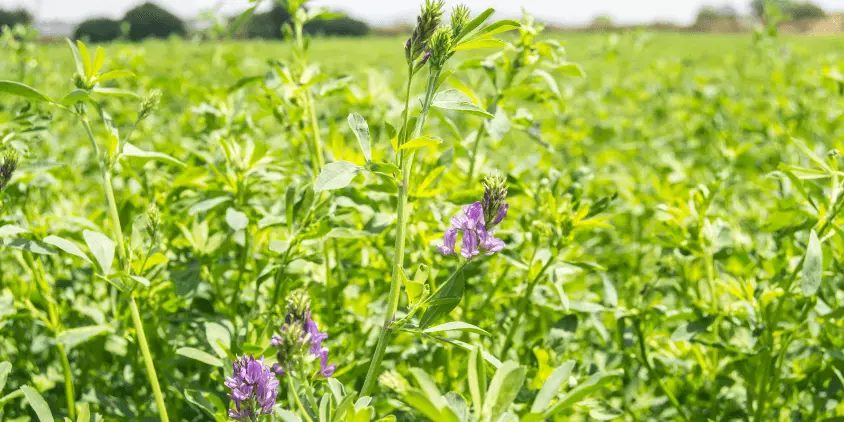
Research on alfalfa remains limited, with no convincing evidence that it raises testosterone or directly builds muscle.
The Vitamin K and Warfarin Interaction
Warfarin is a prescription anticoagulant, commonly called a blood thinner. It reduces the activity of vitamin K-dependent clotting proteins. Because alfalfa can contain substantial vitamin K, eating or supplementing with it may work against warfarin and change how the medication affects your blood.
The issue is not that vitamin K is unhealthy. It is an essential nutrient. The concern is consistency. A sudden increase in alfalfa sprouts, powder, tea or tablets could raise vitamin K intake. Suddenly stopping a regular high intake could also alter the balance. Either change may affect your INR, a blood test used to check how long clotting takes during warfarin treatment.
Do not start, stop or substantially change alfalfa intake without talking to the clinician who manages your warfarin. They may want to review your diet, supplement label and INR monitoring schedule. Do not adjust your medication on your own.
Other anticoagulants do not all work through vitamin K, but that does not make every combination automatically safe. Alfalfa products contain multiple active plant compounds, and supplement formulas may include additional ingredients. If you take any prescription medicine for clotting, circulation or a heart condition, show the full product label to your doctor or pharmacist before use.
This interaction is one reason food and supplement forms should not be treated as identical. A few sprouts occasionally may provide a different amount of vitamin K than a concentrated daily tablet, yet both need to be considered when your medication depends on stable intake.

People who take warfarin need medical guidance before changing their intake of vitamin K-rich alfalfa.
L-Canavanine and Autoimmune Conditions
Alfalfa contains L-canavanine, a naturally occurring amino acid-like compound. It resembles arginine, an amino acid your body uses to build proteins. Because the two have similar structures, L-canavanine may interfere with normal cellular processes and stimulate immune activity in susceptible people.
Alfalfa seed products are a particular concern because seeds can contain more L-canavanine than mature leaves. Reports and experimental research have linked alfalfa or L-canavanine exposure with lupus-like effects, lupus reactivation and symptom flares. Lupus is an autoimmune disease, meaning the immune system mistakenly attacks the body's own tissues.
If you have lupus or another autoimmune condition, avoid alfalfa unless your specialist specifically tells you otherwise. This includes sprouts and concentrated supplements. A product being natural does not mean it is appropriate for an immune system that is already overactive or poorly regulated.
Stop using alfalfa and contact a healthcare professional if you develop unexplained joint pain, severe fatigue, a new rash, fever or other concerning symptoms. Those signs have many possible causes, so they require medical assessment rather than guesswork.
People taking medicines that suppress or modify the immune system should also talk to their doctor before using alfalfa. The same applies if you have another existing medical condition, including kidney or liver disease. Your clinician can consider your diagnosis, medicines and the exact product instead of relying on a general safety statement.
This caution is separate from the vitamin K interaction. Someone may need to avoid alfalfa because of autoimmune risk even if they do not take warfarin.
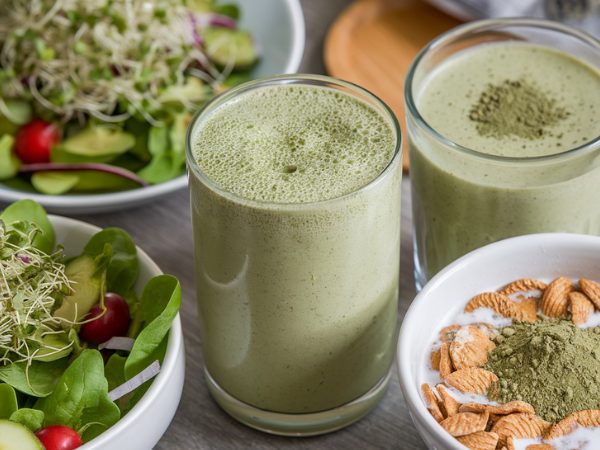
L-canavanine makes alfalfa unsuitable for people with lupus or other autoimmune conditions.
Sprouts, Powder and Tablets
Fresh alfalfa sprouts have a mild flavor and crisp texture. You can add them to sandwiches, wraps and salads, but raw sprouts carry a well-documented foodborne illness risk. Warm, humid sprouting conditions also help Salmonella and E. coli grow. Washing may reduce surface contamination, but it cannot reliably make contaminated sprouts safe.
Pregnant people, young children, older adults and anyone with a weakened immune system should not eat raw or lightly cooked sprouts. Cooking sprouts thoroughly reduces bacterial risk. Refrigerate them promptly, follow the use-by date and discard any batch that appears slimy or smells unusual. Remember that contaminated sprouts may still look normal.
Alfalfa powder is usually made from dried leaves. It can be mixed into water or a smoothie, although its grassy taste may be noticeable. Powder makes serving size easier to measure, but concentration and vitamin K content vary. Use the label rather than assuming that one teaspoon is equivalent across brands.
Tablets and capsules offer convenience and avoid the texture of sprouts. They can also contain concentrated alfalfa, so they are not necessarily gentler or safer. Review the serving amount, plant part and other ingredients. Avoid vague blends that do not tell you how much alfalfa they contain.
Alfalfa tea is another option, but steeping does not remove every safety concern or create a proven therapeutic dose. Seed products deserve extra caution because of L-canavanine. Whatever form you choose, buy from a company that provides clear labeling and storage instructions. A supplement should add convenience, not hide what you are taking.
Fresh sprouts, leaf powder and tablets differ in concentration, convenience and safety considerations.
How to Use It
For healthy adults who are not in a high-risk group, the simplest approach is to treat alfalfa as a modest food or supplemental green. Add thoroughly cooked sprouts to a meal, mix a labeled serving of leaf powder into a smoothie or take tablets exactly as directed on the package. There is no established alfalfa dose for raising testosterone, increasing fertility or building muscle.
Start with the label serving rather than copying the amount from a study. Research may use a different plant part, preparation or participant group. More is not automatically better, especially because higher intake can increase exposure to vitamin K and L-canavanine.
Consistency matters if you use alfalfa regularly. That is especially true for vitamin K intake, although anyone taking warfarin needs personalized medical guidance before using it at all. Choose a routine you can track, and avoid rotating between sprouts, powder and tablets without considering how the serving amounts differ.
Take alfalfa with food if it causes mild digestive discomfort. Stop if you develop persistent nausea, diarrhea, rash or other unexpected symptoms. Talk to your doctor before use if you take prescription medicine, are pregnant or breastfeeding, have an autoimmune condition, or live with kidney, liver or another ongoing medical condition.
Alfalfa should complement a varied diet. It cannot make up for low protein intake, poor sleep or inconsistent training. Men focused on strength should prioritize protein-rich meals and a progressive exercise plan. If your goal is general wellness, build around vegetables, fruit, whole grains, legumes, healthy fats and adequate hydration. Supplements can support that routine, but consistency beats chasing a quick fix.
LiveGood Organic Super Greens is a USDA certified organic greens powder designed to help fill nutrient gaps your diet may not cover, offering "a safety net for your health." Mix one delicious scoop a day into water or a smoothie to support a consistent nutrition routine. It costs $19.95 for members versus $34.95 retail, helping make daily wellness more accessible because wellness should not be a luxury.
Frequently Asked Questions
What are the benefits of alfalfa for men?
Alfalfa can provide men with vitamin K, small amounts of other micronutrients and a wider variety of plant compounds. It is low in calories and easy to add to meals. However, these are general nutrition benefits, not male-specific effects. Current evidence does not show that alfalfa reliably increases testosterone, muscle growth, sexual performance or fertility.
How do you take alfalfa?
You can use alfalfa as thoroughly cooked sprouts, leaf powder, tea, tablets or capsules. Follow the product label and avoid increasing the serving to imitate a research study. Powders can be mixed into water or smoothies. Raw sprouts require extra caution because they can carry harmful bacteria, while concentrated products may supply substantial vitamin K.
Does alfalfa affect testosterone?
Alfalfa has not been shown to increase testosterone in well-designed human research. Although it contains nutrients and plant compounds, their presence does not establish a hormone effect. If you have symptoms of low testosterone, such as persistent fatigue, reduced libido or loss of strength, talk to your doctor about appropriate testing instead of relying on alfalfa.
Who should avoid alfalfa?
People with lupus or another autoimmune disease should avoid alfalfa because L-canavanine has been associated with immune activation and lupus flares. Anyone taking warfarin needs medical guidance because alfalfa contains vitamin K. Raw sprouts are not advised for pregnant people, young children, older adults or immunocompromised people. Ask your doctor before use with prescription medicines or existing conditions.
Is alfalfa safe to take daily?
Daily alfalfa may be reasonable for a healthy adult who follows the label and has no relevant medication interaction or autoimmune condition. Safety depends on the form, amount and your health history. Avoid raw sprouts if you belong to a higher-risk group, and discuss regular use with your doctor if you take medicine, are pregnant or breastfeeding, or have kidney or liver disease.