
Alfalfa for Women: Uses, Evidence and Cautions
 Written by Ben Glinsky
Ask AI about this article and Organic Super Greens





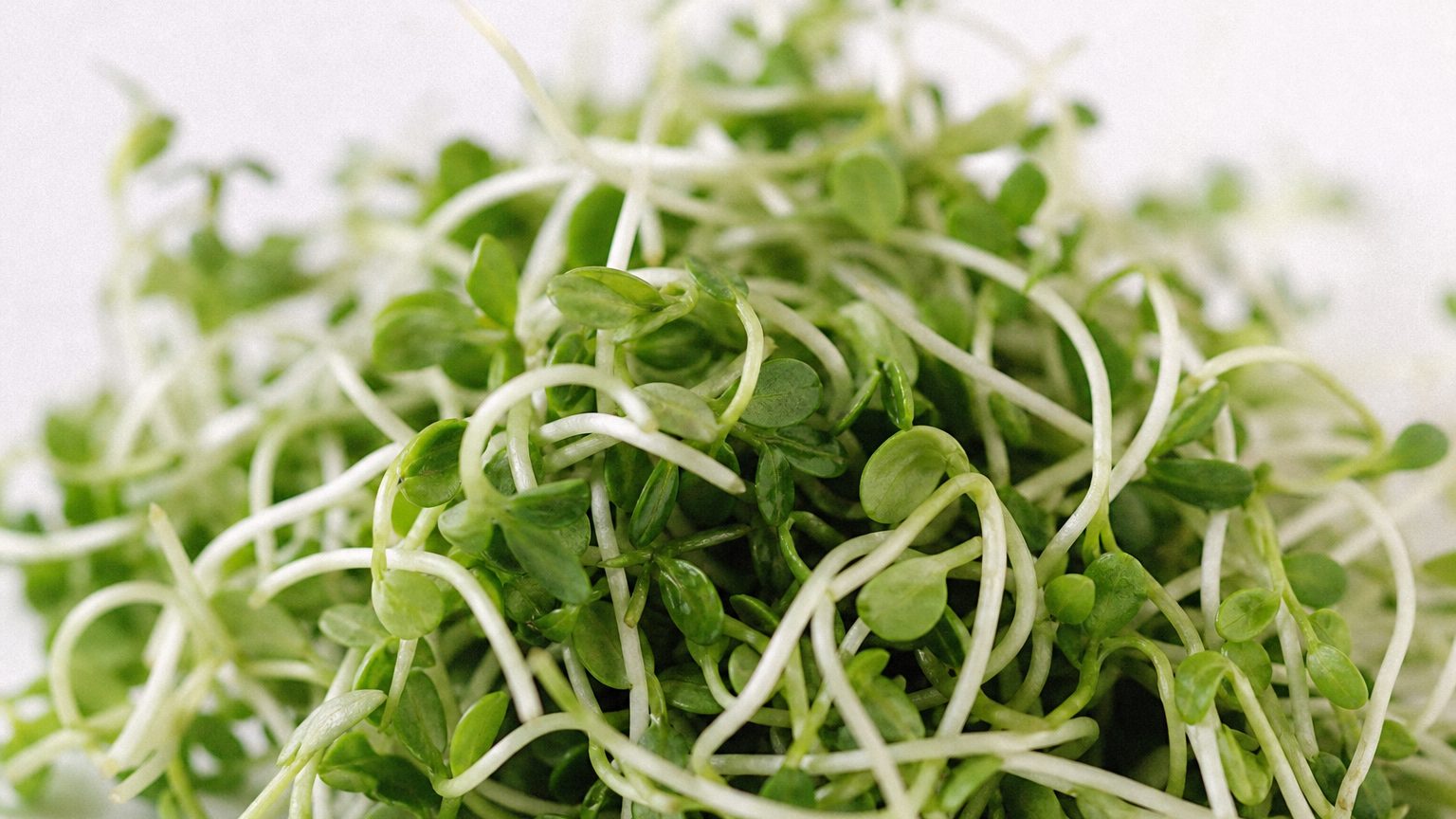
Alfalfa can add nutrients and plant compounds to your diet, but strong evidence for women-specific benefits is lacking. Its phytoestrogen content is the main reason it gets attention for women's health, and the same feature calls for caution. Here is what alfalfa provides, what research has not established, and who should avoid it.
Key Takeaways
- Women's claims remain unproven: Research does not show that alfalfa balances hormones, improves fertility, increases milk supply, or reliably relieves menopause symptoms.
- Phytoestrogens deserve context: Alfalfa contains coumestrol, a plant compound that can interact weakly with estrogen receptors.
- Nutrition is the clearest benefit: Alfalfa provides vitamin K and smaller amounts of several other vitamins, minerals, and plant compounds.
- Some people should avoid it: Warfarin use, autoimmune conditions, hormone-sensitive conditions, pregnancy, and breastfeeding require special caution.
- Form and plant part matter: Sprouts, leaf powder, tea, tablets, and capsules can differ considerably in nutrients and active compounds.
Why Alfalfa Gets a Women's Angle
Alfalfa, also known as Medicago sativa, is a leafy plant used as food, animal feed, and a dietary supplement. You may see its young sprouts in salads or its dried leaves in powders, teas, capsules, and tablets. It contains vitamins, minerals, saponins, and phytoestrogens, which are plant chemicals able to interact with estrogen signaling.
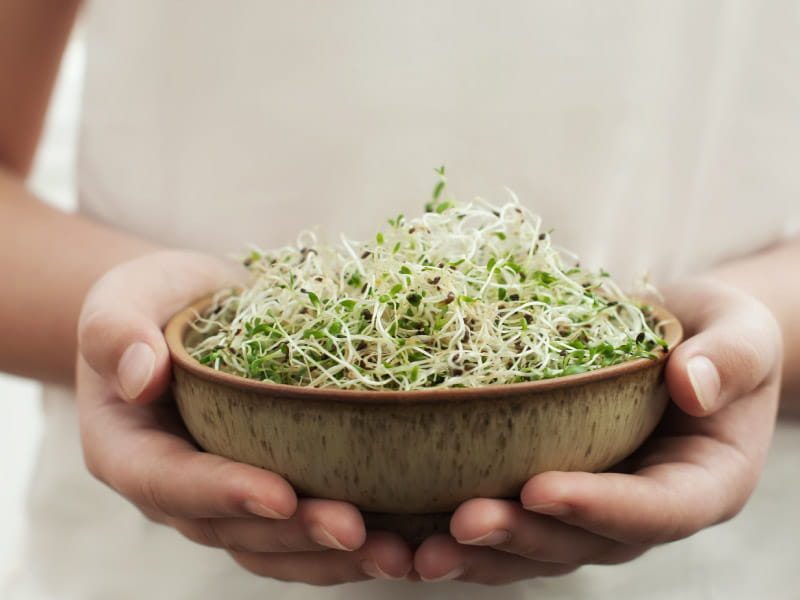
Alfalfa is available as fresh sprouts, dried leaves, powders, teas, tablets, and capsules.
That last group explains the women's angle. Alfalfa contains a phytoestrogen called coumestrol. Because estrogen influences menstruation, reproduction, bone maintenance, and menopause, products containing estrogen-like plant compounds are often marketed for women's concerns. But a plausible biological action is not the same as a proven health result.
Most claims go much further than the evidence. There is not enough good human research to conclude that alfalfa balances hormones, improves fertility, increases breast milk production, or relieves hot flashes. A small older study tested alfalfa together with sage for menopause symptoms, so it cannot tell us what alfalfa did by itself. It also does not establish broad safety or effectiveness.

Women's health interest in alfalfa centers on phytoestrogens, although human research remains limited.
This distinction matters when you are deciding whether alfalfa pills or tablets are worth taking. They provide concentrated plant material, but concentration does not turn traditional use into proof. Alfalfa may fit some diets as a food or greens ingredient. It should not be treated as a solution for a hormonal symptom or medical condition.
What Phytoestrogens Actually Are
Phytoestrogens are naturally occurring plant compounds with shapes that resemble part of the human hormone estrogen. They are not estrogen, and they do not simply replace it. Some can attach weakly to estrogen receptors, which are docking sites that cells use to respond to estrogen.
Think of a receptor as a lock. Human estrogen is one of its main keys. A phytoestrogen may fit the lock imperfectly and create a weaker signal, or it may occupy the lock and affect how another signal is received. The result can vary with the compound, dose, tissue, life stage, gut bacteria, and the amount of estrogen already present in your body.

Phytoestrogens are plant compounds that can interact weakly with estrogen receptors.
Coumestrol is one of alfalfa's better-known phytoestrogens. Its concentration is not fixed. Levels can differ by plant part, growing conditions, processing, and product. Sprouting can also change the plant's chemical profile. This makes it difficult to predict estrogen-related activity from a simple milligram amount of alfalfa.
The available evidence does not show that taking alfalfa raises or lowers a woman's hormone levels in a reliable, beneficial way. It also does not support phrases such as "hormone balancing," which sound precise but rarely identify which hormone, what change, or what measured outcome is meant.

Alfalfa's coumestrol content can vary with the plant part, growing conditions, and processing.
Phytoestrogen activity is also why more is not automatically better. If you have a condition that is sensitive to estrogen or other hormones, even weak receptor activity may be relevant. Ask your doctor before using concentrated alfalfa supplements rather than assuming that plant-based means hormonally neutral.
What Alfalfa Genuinely Provides
Alfalfa's clearest value is as a source of nutrients and varied plant compounds. Fresh sprouts contain vitamin K, vitamin C, folate, and small amounts of minerals and fiber. They are low in calories, but a typical serving is also small. That means sprouts can contribute to a varied diet without replacing more substantial sources of protein, iron, calcium, or other essential nutrients.
Dried alfalfa leaf is more concentrated by weight because its water has been removed. Powders, capsules, and tablets may therefore supply more vitamin K and plant compounds per serving than a handful of sprouts. The actual amount depends on the plant part, serving size, and manufacturing process. Check the Supplement Facts panel rather than assuming every alfalfa product has the same nutritional value.
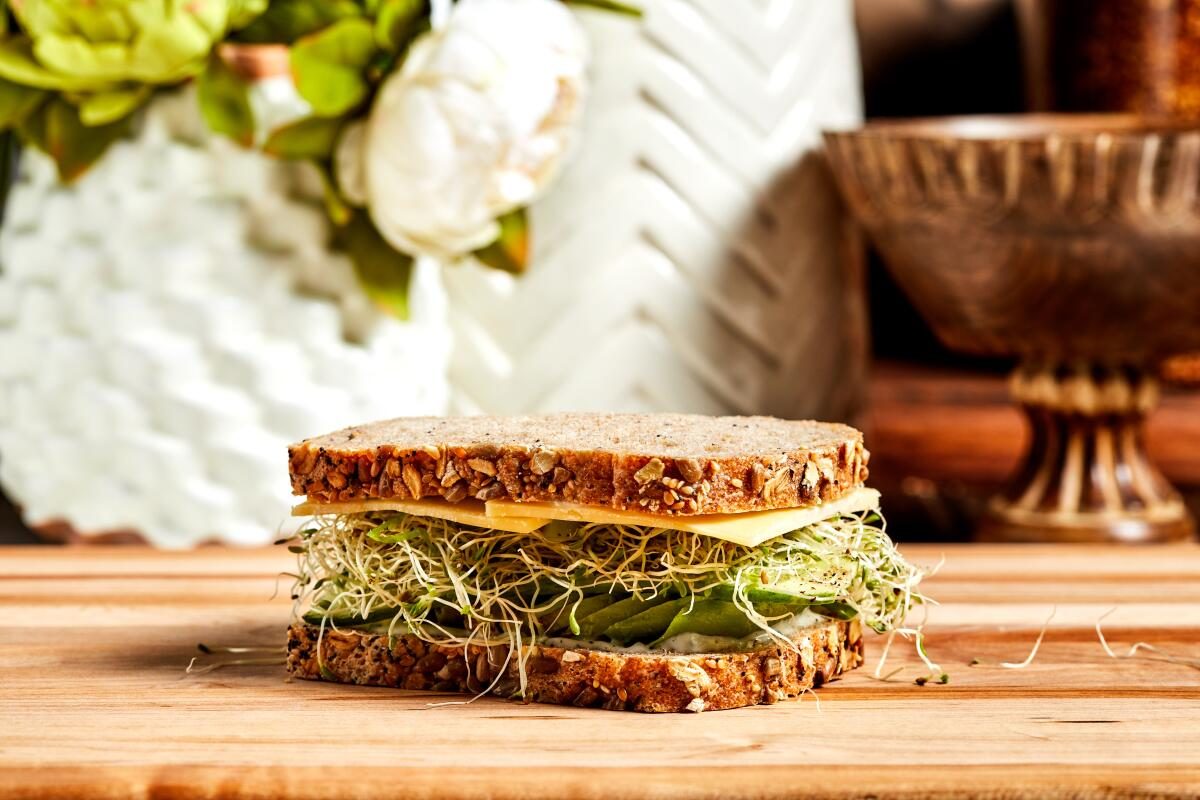
Alfalfa contributes vitamin K and other nutrients, but serving size and product form affect the amounts.
Vitamin K helps support normal blood clotting and proteins involved in bone maintenance. Alfalfa also contains chlorophyll, flavonoids, and saponins. These compounds are interesting to researchers, but much of the supporting work comes from laboratory or animal studies. Those studies cannot establish that an alfalfa tablet will improve skin, hair, kidney function, blood sugar, or cholesterol in people.
There is also no good evidence that alfalfa "detoxes" the body. Your liver, kidneys, lungs, and digestive tract already handle waste removal. Eating a varied diet can support normal nutrition, but no single green food cleanses your organs.
For a healthy woman, then, the most defensible benefit is nutritional variety. Alfalfa can be one plant among many, not a replacement for vegetables, medical care, or a supplement chosen to correct a diagnosed deficiency.
Who Should Avoid It
Alfalfa is not appropriate for everyone. Its high and sometimes variable vitamin K content is especially relevant if you take warfarin. Vitamin K can reduce warfarin's anticoagulant effect, meaning its ability to slow blood clotting. Do not start alfalfa tablets, powders, or frequent large servings without talking to the clinician managing your prescription. Keeping vitamin K intake consistent may be part of your care plan, but that plan must be individualized.
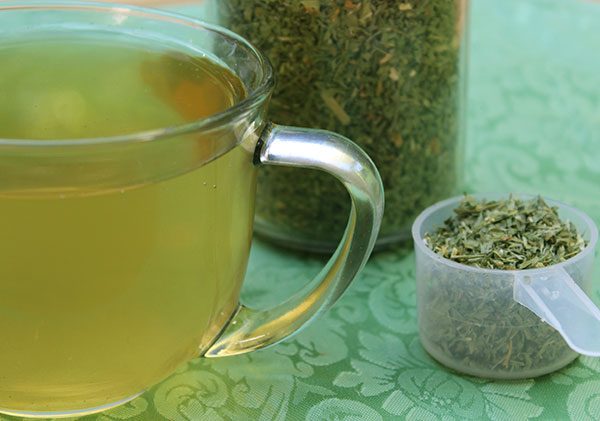
Alfalfa's vitamin K content requires caution for anyone taking warfarin.
Alfalfa seeds and sprouts have also been associated with lupus-like reactions. One suspected contributor is L-canavanine, an amino acid-like compound found particularly in alfalfa seeds and sprouts. People with lupus or other autoimmune conditions are generally advised to avoid these forms unless their doctor specifically says otherwise. Autoimmune means the immune system mistakenly reacts against the body's own tissues.
Because alfalfa contains coumestrol and other phytoestrogens, anyone with a hormone-sensitive condition should ask a doctor before using it. This includes a current or previous condition that your medical team has said may respond to hormones. The concern is not proof that alfalfa will cause harm. It is the lack of reliable safety data combined with biological activity that may matter.
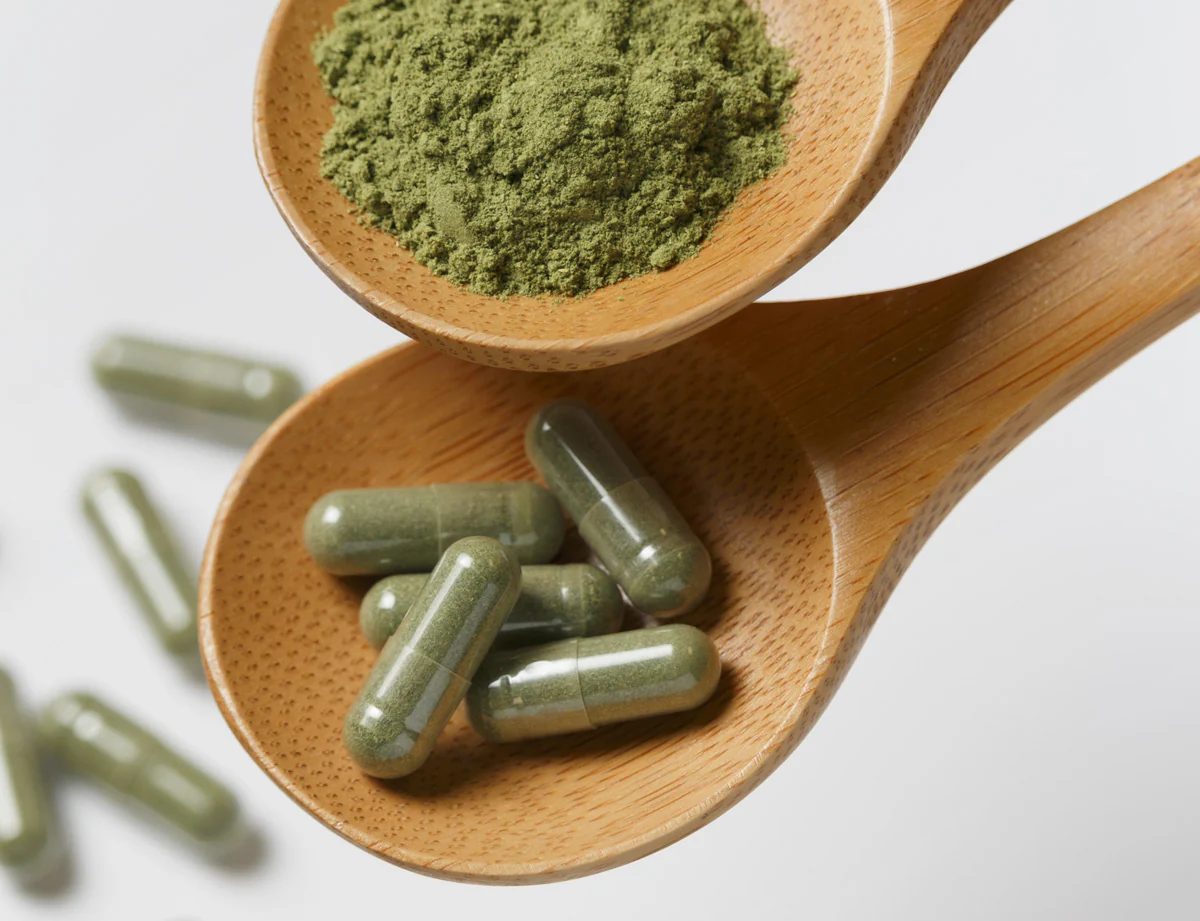
Seeds and sprouts are generally avoided by people with lupus or other autoimmune conditions.
Pregnant and breastfeeding women should also consult a clinician. Alfalfa should not be used to try to increase milk supply, since evidence for that use is inadequate and supplement safety during breastfeeding is not well established. Pregnancy also changes nutrient needs, medication handling, and risk tolerance.
Raw sprouts can carry bacteria such as Salmonella or E. coli, even when they look fresh. Pregnant people, young children, older adults, and anyone with a weakened immune system are commonly advised to avoid raw sprouts. If you have kidney or liver disease, take prescription medicine, or manage another existing condition, talk to your doctor before using concentrated alfalfa.
Practical Use and Forms
If you are healthy and want to eat alfalfa as food, small portions of properly handled sprouts can add crunch to sandwiches, salads, and cooked dishes. Washing helps remove surface dirt but cannot guarantee that raw sprouts are free of harmful bacteria. Cooking them thoroughly reduces food safety risk. Store sprouts cold and discard any that smell unusual or look slimy.
Alfalfa leaf tea offers a mild way to consume the plant, although steeping time and leaf quantity make its composition hard to predict. Powders can be blended into water or smoothies. Capsules, pills, and tablets are convenient, but they are not proven to deliver stronger women's health benefits. They mainly provide a measured serving of dried plant material or extract.
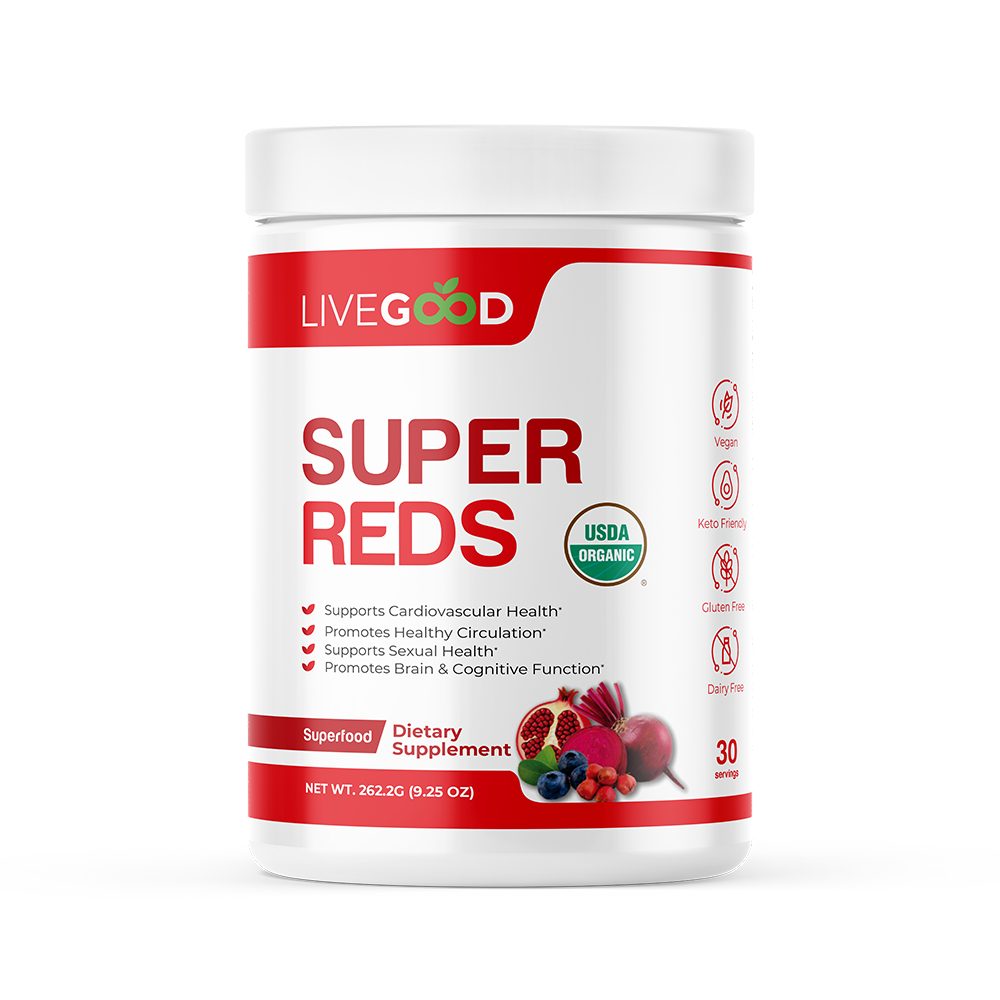
Read the label for the plant part, serving directions, vitamin K content, and relevant safety warnings.
There is no established alfalfa dose for hormone support, fertility, menopause, milk production, skin, or hair. Follow the product label and do not increase the serving to imitate an animal or laboratory study. If you plan to take it every day, review the ingredient list, plant part, vitamin K content, and warnings first. Choose one new product at a time so you can recognize digestive discomfort, rash, or another unexpected reaction.
Your reason for using alfalfa should guide the decision. If you simply want more greens, food variety may be the better starting point. If you are trying to address fatigue, menstrual changes, hot flashes, fertility concerns, or low milk supply, talk with a clinician instead of self-treating. Those concerns can have many causes. Athletes wondering about strength or muscle claims can also read alfalfa for bodybuilding.
Organic Super Greens is a USDA certified organic greens powder that helps fill in the nutrient gaps our diets are not providing, a simple "safety net for your health." Mix one delicious scoop a day into water or a smoothie to support a consistent greens routine. Members pay $19.95, compared with $34.95 retail, helping put "Highest Quality. Lowest Prices. Every Day." into practice.
Frequently Asked Questions
Is alfalfa good for women?
Alfalfa can be a nutritious food for many women, but supplements have no well-proven women-specific benefit. It supplies vitamin K and smaller amounts of other nutrients and plant compounds. Research does not establish that it balances hormones, supports fertility, increases milk supply, or relieves menopause symptoms. Your medications and health history matter when deciding whether it is suitable.
Does alfalfa affect hormones?
Alfalfa may interact with estrogen signaling because coumestrol can attach weakly to estrogen receptors. That does not mean it contains human estrogen or reliably changes hormone levels. Effects may vary by dose, plant part, and individual biology. If you have a hormone-sensitive condition, ask your doctor before taking alfalfa pills, extracts, or other concentrated forms.
Who should not take alfalfa?
People taking warfarin, those with lupus or another autoimmune condition, and anyone with a hormone-sensitive condition should avoid alfalfa or seek medical guidance first. Pregnant or breastfeeding women also need clinician advice. Talk to your doctor if you take prescription medicine or have kidney disease, liver disease, or another existing condition. People at higher foodborne illness risk should avoid raw sprouts.
Is alfalfa safe during pregnancy?
Alfalfa supplements are not considered a routine choice during pregnancy because safety data are limited and the plant contains biologically active phytoestrogens. Raw sprouts also carry a foodborne illness risk that is especially concerning during pregnancy. Ask your prenatal clinician before using alfalfa in any concentrated form, and follow their advice about sprouts and other higher-risk foods.
How much alfalfa should you take?
There is no research-backed alfalfa dose for women's hormonal concerns or other specific health goals. For supplements, follow the label rather than creating your own high-dose routine. Check which plant part is used and how much vitamin K the serving provides. Before daily use, talk to your doctor if you take medication, are pregnant or breastfeeding, or have an existing medical condition.