
Anti-Inflammatory Drinks: Recipes and What the Evidence Says
 Written by Ben Glinsky
Ask AI about this article and Factor4 - Advanced Inflammation Management





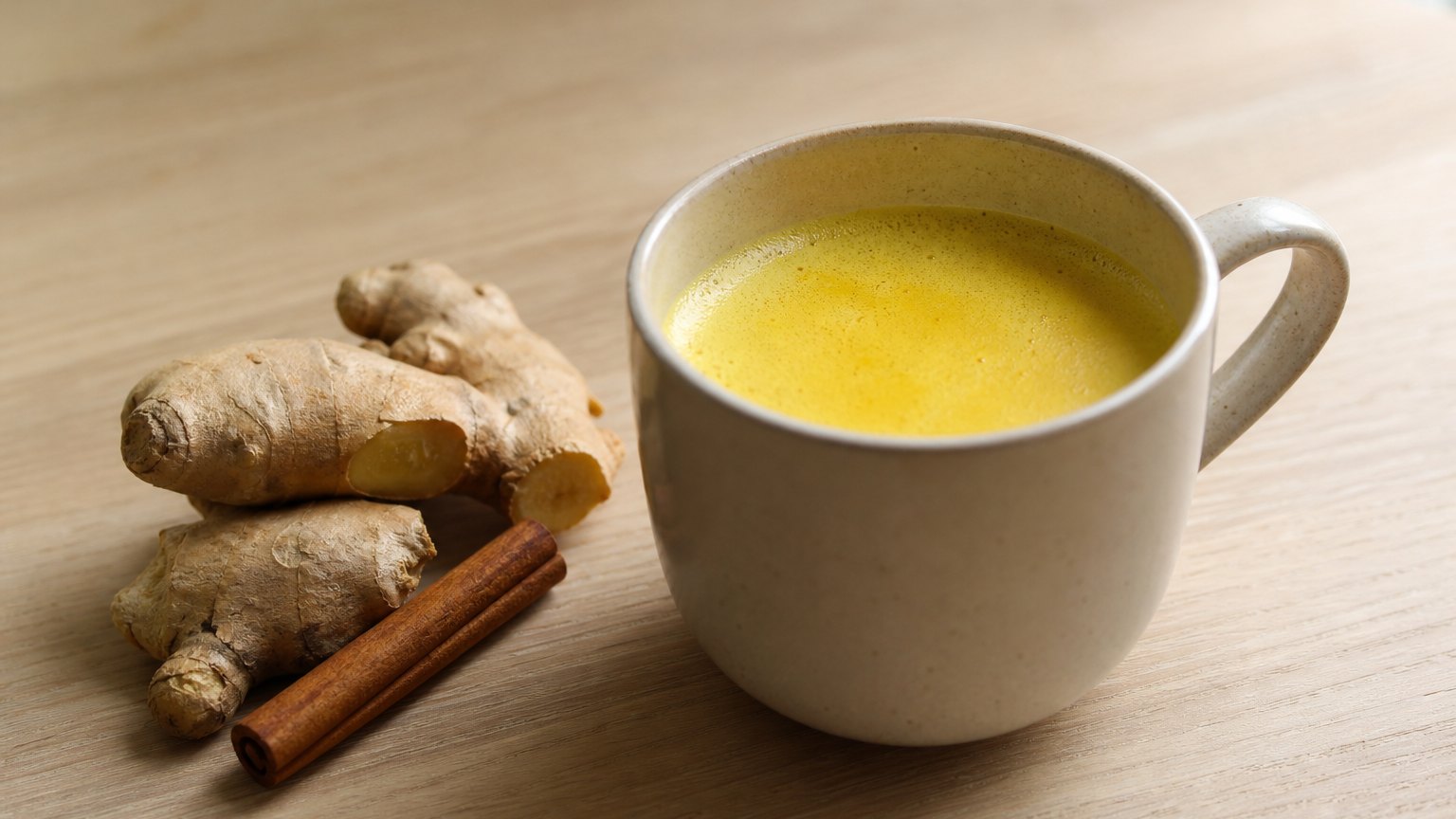
Anti-inflammatory drinks can add researched plant compounds to your diet, but no beverage works as a stand-alone treatment. The most practical options use turmeric, ginger, tart cherry, or green tea while keeping added sugar low. Here is what the evidence suggests, plus four recipes you can make at home.
Key Takeaways
- Think support, not treatment: These drinks can support a healthy inflammatory response as part of your overall diet, but they cannot diagnose, treat, or cure a health condition.
- Pair turmeric wisely: Black pepper and a source of fat may help your body absorb curcumin, the most studied compound in turmeric.
- Keep sugar in check: Unsweetened tea, diluted tart cherry concentrate, and lightly sweetened golden milk are more practical everyday choices than sugary bottled drinks.
- Choose consistency: A drink you enjoy several times a week is more useful than a complicated recipe you make once.
- Consider your medications: Turmeric, ginger, green tea, and tart cherry can require extra care with certain prescriptions or medical conditions.
What These Drinks Can and Cannot Do
Inflammation is part of the body's normal defense and repair process. A healthy inflammatory response helps you respond to an injury, exercise, or infection. Problems can arise when inflammatory activity remains elevated or poorly regulated, but the causes are complex. A single drink cannot identify or correct those causes.
The phrase "anti-inflammatory drinks" usually refers to beverages made with ingredients that contain polyphenols, antioxidants, or other studied plant compounds. Polyphenols are natural substances plants produce for protection. Researchers examine how these compounds interact with cell signaling, oxidative stress, and laboratory markers connected with the inflammatory response.
That does not mean every cup produces a noticeable result. Studies often use standardized extracts or carefully measured servings that differ from homemade drinks. Results can also vary based on the dose, study length, participants, and health measure being tracked. Evidence for turmeric, ginger, tart cherry, and green tea is promising in specific settings, but it is not equally strong for every goal.
What these drinks can do is make a healthy eating pattern easier. Tea can replace a sugary soda. Golden milk can provide a comforting evening option. Diluted tart cherry concentrate offers plant compounds without requiring a large glass of juice. These are useful swaps, especially when they support hydration and help you consume less added sugar or alcohol.
They should not replace prescribed medication, medical evaluation, sleep, movement, or balanced meals. If pain, swelling, fever, or another symptom persists, talk with your doctor rather than trying to manage it with beverages alone.
Turmeric: Why Pepper and Fat Matter
Turmeric contains curcuminoids, a family of plant compounds that includes curcumin. Curcumin is the component most often studied for its role in supporting a healthy inflammatory response. The challenge is bioavailability, which simply means how much of a substance your body can absorb and use.
Curcumin has naturally low bioavailability. It does not dissolve well in water, and the body breaks down and removes much of it quickly. This is why stirring turmeric into plain hot water may not be the most useful way to prepare it.
Black pepper contains piperine. Research suggests piperine can substantially increase curcumin exposure by slowing some of the processes that break it down. You only need a small pinch in a drink. More pepper is not necessarily better, and concentrated piperine supplements may interact with medications.
Curcumin is also fat-soluble, meaning it mixes more readily with fat than with water. Making turmeric with dairy milk, soy milk, coconut milk, nut butter, or a small amount of oil can improve the recipe and may help with absorption. This does not turn a kitchen drink into a clinical treatment, but it is a sensible way to use the ingredient.
For a closer look at the evidence, read Can Turmeric Really Help Reduce Inflammation?.
Turmeric may not be appropriate for everyone. Talk to your doctor before using concentrated turmeric or curcumin if you have gallbladder disease, take anticoagulants or other medications that affect bleeding, are pregnant or breastfeeding, or have a kidney, liver, or other existing medical condition.
Recipe 1: Golden Milk
Golden milk combines turmeric with both black pepper and fat, making it a more thoughtfully designed turmeric drink than turmeric water. It is caffeine-free, so it also works as an evening option. The flavor should be warm and gently spiced, not bitter.
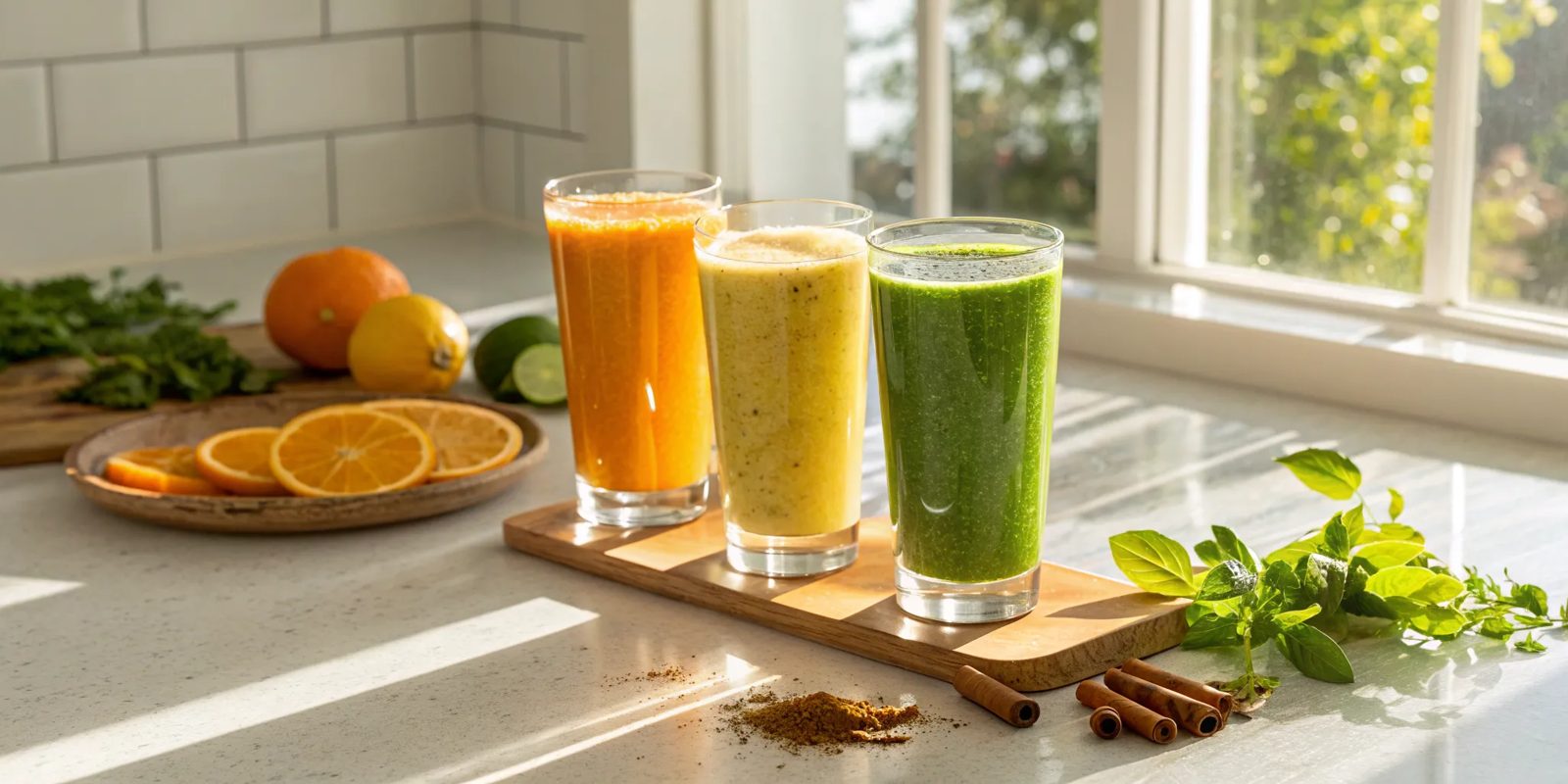
Golden milk pairs turmeric with black pepper and fat to create a warm, practical drink.
Makes one serving.
Ingredients:
- 1 cup unsweetened dairy milk or fortified soy milk
- 1/2 teaspoon ground turmeric
- 1/4 teaspoon ground ginger
- 1 small pinch black pepper, about 1/16 teaspoon
- 1/4 teaspoon ground cinnamon
- 1 teaspoon almond butter or coconut oil, optional if your milk contains some fat
- 1/2 to 1 teaspoon honey or maple syrup, optional
Directions:
- Add the milk, turmeric, ginger, pepper, and cinnamon to a small saucepan.
- Warm over medium-low heat for 4 to 5 minutes, whisking occasionally. Do not let it boil.
- Whisk in the almond butter or coconut oil until fully blended.
- Taste, then add a small amount of sweetener if needed.
- Pour into a mug and drink while warm.
If the spices settle, stir the drink again as you sip. You can also blend it carefully for 10 seconds to create a smoother texture, but use caution with hot liquids.
Start with 1/4 teaspoon turmeric if you are new to its earthy flavor. Culinary amounts are generally easier to tolerate than concentrated extracts, but turmeric can still cause stomach upset in some people. This recipe supports a broader food routine. It is not expected to produce an immediate or easily felt change after one cup.
Recipe 2: Ginger and Lemon
Ginger contains gingerols and shogaols, pungent compounds that give the root its warming flavor. Laboratory and human research has examined these compounds in relation to oxidative stress, digestion, and a healthy inflammatory response. Human findings vary, and a homemade infusion is usually less concentrated than the ginger preparations used in trials.
Makes two small servings.
Ingredients:
- 2 cups water
- 1 tablespoon thinly sliced fresh ginger, about a 1-inch piece
- 1 tablespoon fresh lemon juice
- 1 teaspoon honey, optional
- 1 thin lemon slice, optional
Directions:
- Place the water and sliced ginger in a small saucepan.
- Bring the water just to a boil, then reduce the heat.
- Simmer gently for 8 to 10 minutes.
- Strain the drink into two cups.
- Add 1 1/2 teaspoons lemon juice to each cup. Sweeten lightly if desired.
For a stronger drink, let the ginger steep for another five minutes rather than adding a very large amount. You can refrigerate the second serving in a sealed container for up to two days. Serve it cold over ice or reheat it gently.
Lemon adds brightness and vitamin C, but it does not "detox" the body or remove inflammation. Your liver and kidneys handle waste removal. Ginger may cause heartburn or stomach discomfort, particularly in larger amounts. Ask your doctor before making concentrated ginger drinks a daily habit if you take anticoagulants, use other prescription medications, are pregnant or breastfeeding, or have an existing medical condition.
Recipe 3: Tart Cherry Cooler
Tart cherries contain anthocyanins, the red and purple plant pigments also found in berries. Research on tart cherry juice and concentrate has examined exercise recovery, sleep, soreness, and markers associated with oxidative stress and inflammatory activity. Some trials report useful changes, while others find small or inconsistent effects. Serving size, timing, and the people being studied all matter.
Tart cherry products can also contain considerable natural sugar. Diluting an unsweetened concentrate gives you the flavor without turning the drink into a large glass of juice.
Makes one serving.
Ingredients:
- 1 to 2 tablespoons unsweetened tart cherry concentrate
- 8 ounces cold still or sparkling water
- 1 teaspoon fresh lime juice
- 3 to 4 mint leaves, optional
- Ice
Directions:
- Add the tart cherry concentrate and lime juice to a glass.
- Fill the glass with ice.
- Pour in the water and stir well.
- Gently press the mint leaves between your fingers and add them to the glass.
Concentrates vary, so check the package directions before choosing an amount. Start with one tablespoon if you prefer a lighter drink. Look for a product without added cane sugar, syrups, or artificial sweeteners.
This cooler can be useful after exercise or as an alcohol-free evening drink, but it should not be presented as a cure for joint discomfort, poor sleep, or workout soreness. Tart cherry may also be unsuitable for some people with blood sugar concerns, kidney conditions, digestive sensitivity, or medication interactions. Talk with your doctor if any of those apply.
Recipe 4: Green Tea and Citrus
Green tea provides catechins, a type of polyphenol. The best-known catechin is EGCG, short for epigallocatechin gallate. Research has explored how green tea compounds support antioxidant defenses and normal cell signaling involved in a healthy inflammatory response. Results in people are mixed, and brewed tea contains much less EGCG than many concentrated extracts.
Makes one serving.
Ingredients:
- 1 green tea bag or 1 teaspoon loose-leaf green tea
- 8 ounces water
- 1 tablespoon fresh orange or lemon juice
- 1 thin citrus slice, optional
- Ice, optional
Directions:
- Heat the water to about 175 F, or let boiling water cool for 3 to 4 minutes.
- Steep the tea for 2 to 3 minutes.
- Remove the tea bag or strain the leaves. Longer steeping can make green tea bitter.
- Let the tea cool slightly, then stir in the citrus juice.
- Serve warm or pour over ice.
Using cooler water and a shorter steep creates a smoother cup, so you may not need sweetener. If you do add one, start with 1/2 teaspoon.
Green tea naturally contains caffeine, often around 20 to 45 milligrams per cup, although the amount varies. Choose decaffeinated green tea if caffeine affects your sleep, heart rate, or anxiety symptoms. Keep in mind that decaffeinated does not always mean caffeine-free. Green tea extracts are more concentrated than brewed tea and have different safety considerations. If you take prescriptions, are pregnant or breastfeeding, or have a liver condition, ask your doctor before using concentrated extracts.
Building a Pattern Rather Than a Cure
The most useful anti-inflammatory drink is one that fits a healthy routine you can maintain. You do not need all four recipes every day. Choose one based on your schedule, taste, and caffeine tolerance.
Golden milk works well when you want a warm, caffeine-free drink. Ginger and lemon can replace a heavily sweetened tea. A tart cherry cooler offers a flavorful alternative to soda or alcohol. Green tea can take the place of a sugary afternoon coffee drink, provided caffeine agrees with you.
Pay attention to the rest of your diet too. Beverages work best alongside vegetables, fruit, legumes, whole grains, nuts, seeds, olive oil, and adequate protein. Fatty fish can provide omega-3 fats, while herbs and spices add flavor without relying on excess sugar or salt. At the same time, regularly consuming sugary drinks and excessive alcohol can work against your wellness goals.
Consistency matters more than chasing a dramatic effect. Try one recipe three or four times a week for a few weeks. Notice whether it helps you stay hydrated, replace a less nutritious drink, or maintain a routine you enjoy. Those practical changes are more realistic than expecting a beverage to make persistent symptoms disappear.
Also support the basics. Regular movement, sufficient sleep, stress management, and medical care all influence how you feel. If you have ongoing pain, swelling, fatigue, digestive changes, or another concern, seek medical guidance. A drink can complement appropriate care, but it cannot reveal the cause of a symptom.
Factor4 - Advanced Inflammation Management is formulated to support a healthy inflammatory response. It is LiveGood's number two seller, formulated by one of the world's top immunologists, and the first and only inflammation management supplement combining fish oil, turmeric, Coenzyme Q10, and garlic in one bottle. Members pay $19.95 versus $29.95 retail, reflecting LiveGood's mission to "Provide the highest quality supplements in the world, at the lowest prices possible." Follow label directions, and ask your doctor about medication interactions.
Frequently Asked Questions
What drinks reduce inflammation?
No single drink has been shown to reliably reduce inflammation on its own. Unsweetened beverages made with turmeric, ginger, tart cherry, or green tea provide compounds studied for supporting a healthy inflammatory response. Their usefulness depends on the recipe, serving, overall diet, and your health needs. Think of them as supportive food choices, not treatments for arthritis or another condition.
Does turmeric tea actually work?
Turmeric tea provides curcumin, but a basic water infusion may deliver and absorb only a small amount. Research on curcumin is more substantial than research on ordinary turmeric tea, and study preparations often differ from kitchen recipes. Adding a pinch of black pepper and some fat creates a more practical drink, although it still should not be expected to treat symptoms or disease.
Why add black pepper to turmeric?
Black pepper supplies piperine, a compound that can increase the body's exposure to curcumin. Curcumin normally has poor bioavailability, meaning only a limited amount is absorbed and retained. A small pinch is enough for a homemade drink. Because piperine can affect how the body processes medications, ask your doctor before using concentrated piperine or curcumin supplements.
How often should you drink these?
Most people can choose one of these drinks several times a week as part of a balanced diet. Daily use may also fit some routines, but more is not automatically better. Consider caffeine, natural sugar, digestive tolerance, medications, and medical conditions. Follow package directions for tart cherry concentrate, and speak with your doctor if you are pregnant, breastfeeding, or managing an existing condition.
Can a drink replace anti-inflammatory medication?
No, a drink should never replace prescribed anti-inflammatory medication or other medical care. Stopping or changing medication without guidance can be dangerous, even when you are using researched food ingredients. If you want to add turmeric, ginger, tart cherry, or green tea while taking a prescription, ask your doctor or pharmacist to check for interactions and help you use it safely.