
Super Greens Side Effects: What to Expect
 Written by Ben Glinsky
Ask AI about this article and Organic Super Greens





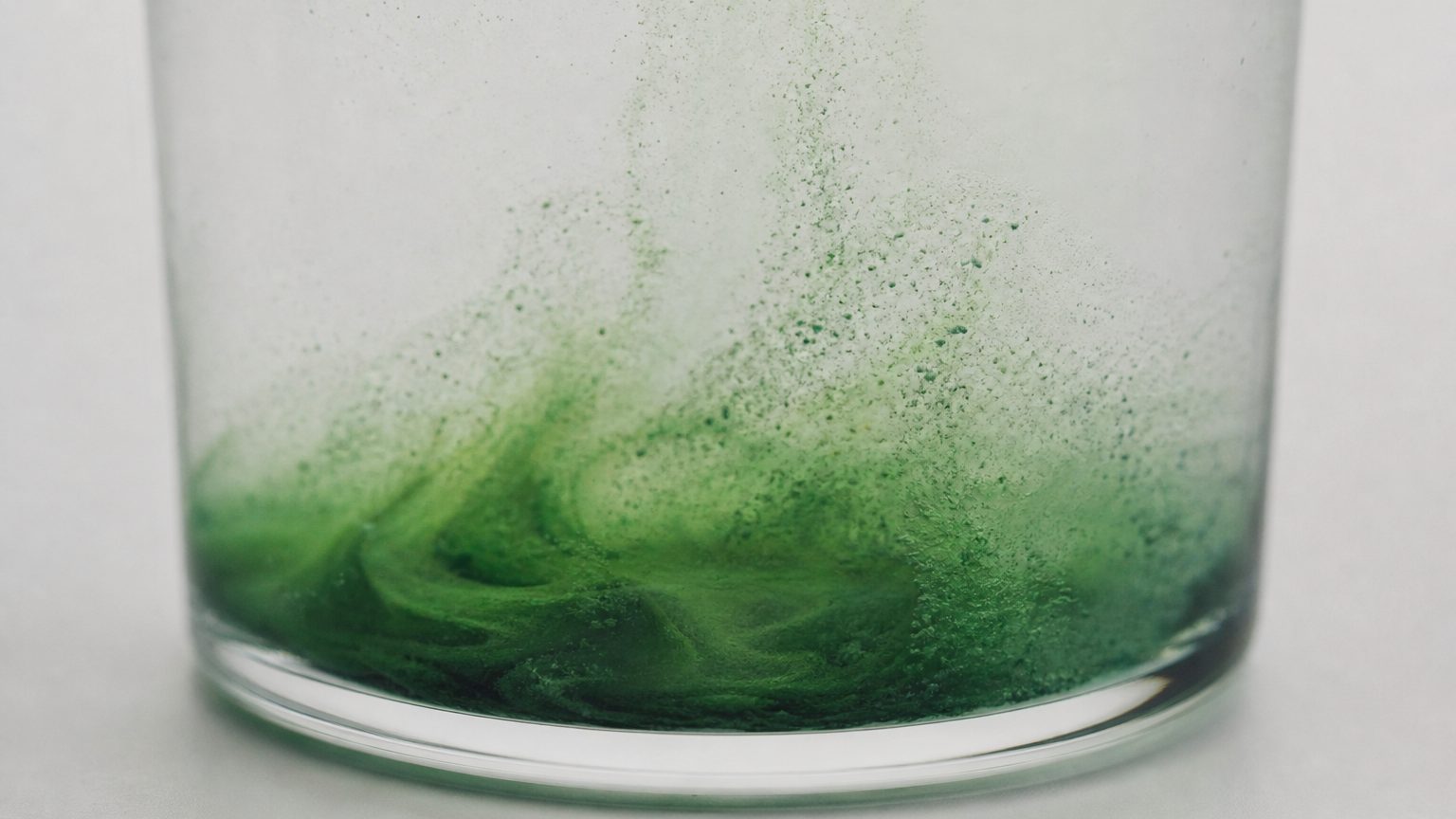
Super greens powder side effects are usually digestive. Gas, bloating, loose stools and changes in how often you poop are common complaints, especially when a blend adds concentrated plant ingredients, inulin, chicory root fibre or sugar alcohols to your routine. Most mild reactions improve with a slower start, but medication interactions and certain health conditions require more caution.
Key Takeaways
- Expect possible bowel changes: Greens powder may make you poop more often, loosen your stools or occasionally contribute to constipation.
- Check added ingredients: Inulin, chicory root fibre and sugar alcohols are frequent triggers for gas, bloating and diarrhea.
- Start with the label: Use only the directed serving, and consider easing into that amount if you have a sensitive stomach.
- Know the medical cautions: Vitamin K can interact with warfarin, while oxalate-rich ingredients may be unsuitable for some people prone to kidney stones.
- Do not push through severe symptoms: Stop using the powder and seek appropriate care for intense pain, persistent vomiting, bleeding or signs of an allergic reaction.
The Digestive Effects People Report Most
The most commonly reported greens powder side effects involve the bathroom. You may poop more often, have softer or loose stools, notice extra gas or feel mild abdominal cramping. Your stool may also look greener because of chlorophyll, the pigment that gives plants their green color. A color change by itself is usually less concerning than pain, bleeding or ongoing diarrhea.
Not everyone reacts this way. Greens powders vary widely, and there is limited research comparing side-effect rates across finished blends. Many complaints are linked less to the greens themselves and more to added fibre, sweeteners, probiotics or other concentrated ingredients.
Diarrhea can occur when a product quickly increases the amount of fermentable material reaching your gut. Fermentable means your intestinal bacteria can break it down and produce gas. Some sweeteners also pull water into the intestines, which can make stools loose or urgent.
Constipation is possible too. This may happen if the powder contains added fibre but you do not drink enough fluid, or if a new supplement disrupts your usual eating and bathroom routine. Greens powders also do not always contain much fibre. Drying and processing can remove some of what you would get from intact vegetables.
Mild bowel changes often settle as your routine becomes consistent. They should not keep getting worse. A supplement is optional, so there is no benefit in forcing yourself through repeated discomfort.
Why Greens Powder Changes Your Bowels
A scoop of greens powder can introduce many ingredients at once. Common examples include spinach, kale, wheatgrass, barley grass, spirulina, fruit powders, herbs, prebiotic fibres, probiotics and sweeteners. Even when each ingredient seems familiar, the combination may be new to your digestive system.
A sudden jump in concentrated plant material is one explanation for more frequent bowel movements. Whole vegetables normally arrive with water and an intact food structure. A powder is processed and consumed quickly, often in a single drink. That does not make it harmful, but it may feel different in your gut.
Inulin and chicory root fibre are especially relevant. They are prebiotics, meaning fibres that feed certain gut bacteria. Bacterial fermentation can produce gas, pressure and bloating. People vary greatly in how much they tolerate. Someone who rarely eats beans, onions, garlic or other fermentable foods may notice the change more strongly.
Flavoured powders may also use sugar alcohols such as erythritol, sorbitol or xylitol. Sugar alcohols are low-calorie sweeteners, not drinking alcohol. Some are not fully absorbed in the small intestine. The unabsorbed portion can draw in water and then be fermented, leading to gas or loose stools.
Added magnesium, probiotics or digestive enzymes may affect bowel habits as well. Read the full ingredient list rather than assuming the word "greens" explains the reaction. If symptoms begin after starting one product and improve when you stop it, an added ingredient may be the more likely trigger.
Nausea, Bloating and Taste Reactions
Bloating is a feeling of fullness, pressure or swelling in your abdomen. With greens powder, it often appears alongside burping, gas or mild cramps. Prebiotic fibre and sugar alcohols are common reasons, although a large serving or drinking the mixture very quickly can contribute.
Nausea may occur when you take a strong-tasting powder on an empty stomach. Earthy flavours, algae, grasses and concentrated herbs can trigger a taste or smell reaction before digestion is even the main issue. A thick drink may also feel unpleasant, particularly first thing in the morning.
Try mixing the powder thoroughly into more water and sipping it rather than swallowing it quickly. If the label allows it, blending it into a smoothie or taking it alongside a meal may feel gentler. Avoid combining several new powders, probiotics and fibre supplements at the same time. Otherwise, it becomes difficult to identify the source of a reaction.
Some ingredients may aggravate heartburn in people who already experience it. Acidic fruit powders, caffeine-containing extracts, mint or a large drink close to bedtime can be possible triggers. Check the label because formulas differ.
An allergy is different from ordinary digestive adjustment. Hives, facial or throat swelling, wheezing, faintness or trouble breathing require urgent medical care. If you have known food, algae, grass or herb allergies, review every ingredient and allergen statement before use. Stop the product if you develop a new rash or repeatable reaction.
How to Start Without the Side Effects
Begin by following the product's label directions. Do not take extra scoops to make up for missed days or chase faster results. More powder means more concentrated ingredients, and it may increase the chance of nausea, cramping or diarrhea without providing an added benefit.
If you tend to react to fibre or supplements, consider working up to the directed serving rather than introducing the full amount immediately. Do not exceed the label serving. A slower introduction gives you time to see how your stomach and bowels respond.
Use these practical steps:
- Read the complete ingredient list. Look for inulin, chicory root fibre, sugar alcohols, probiotics, magnesium, caffeine and ingredients you already know you do not tolerate.
- Mix the powder with enough water. Adequate fluid is particularly useful when a formula contains added fibre.
- Take it with food if an empty stomach makes you nauseated. The best timing is the one that feels comfortable and fits your routine.
- Introduce one supplement at a time. Give yourself a clear way to connect any reaction with a particular product.
- Keep a brief symptom note. Record the serving, timing, meals and bowel changes for several days.
If loose stools continue, pause the product rather than repeatedly testing your tolerance. If symptoms return when you restart, that formula may not suit you. For broader guidance on routine use, see is it a good idea to drink super greens every day?.
LiveGood Organic Super Greens is a USDA certified organic greens powder designed to help fill nutrient gaps, serving as "a safety net for your health." Mix one delicious scoop a day into water or a smoothie, following the label directions. It is $19.95 for members versus $34.95 retail, reflecting LiveGood's mission to "Provide the highest quality supplements in the world, at the lowest prices possible." Start consistently rather than using extra scoops.
When It Is Not Just Adjustment
Mild gas or a brief stool change may be an adjustment. Severe, persistent or worsening symptoms are not something to ignore. Stop taking the powder and contact a healthcare professional if diarrhea lasts more than a few days, you cannot keep fluids down or you develop significant abdominal pain. Blood in the stool, black stool, fainting, confusion or signs of dehydration need prompt medical attention.
Vitamin K is one of the main medication concerns. Leafy green ingredients can provide vitamin K, which helps normal blood clotting. Warfarin works by interfering with vitamin K activity, so large or inconsistent changes in vitamin K intake can affect how the prescription works. If you take warfarin, talk to your doctor or pharmacist before starting a greens powder. Do not stop your medication or try to eliminate vitamin K on your own. A consistent intake and medical monitoring are usually the key issues.
Some leafy greens are rich in oxalate, a natural plant compound. Oxalate can contribute to certain kidney stones in susceptible people, but the amount in a powder depends on its ingredients and processing. A greens powder does not automatically lead to kidney stones. If you have a history of stones or another kidney condition, ask your doctor whether a particular formula is appropriate.
You should also talk to your doctor before using greens powder if you are pregnant or breastfeeding, have a liver condition, have another existing medical condition or take prescription medication. Multi-ingredient products can contain herbs or concentrated nutrients with their own interactions.
Finally, product quality matters, but certification does not guarantee that every formula suits every person. Greens powders supplement food. They do not replace vegetables, balanced meals or medical care, and research on the long-term effects of many finished blends remains limited.
Frequently Asked Questions
What are the side effects of taking greens powder?
The most likely side effects are gas, bloating, cramping, nausea and changes in bowel movements. You may develop softer stools, diarrhea or, less commonly, constipation. Added inulin, chicory root fibre, probiotics and sugar alcohols are frequent triggers. More serious concerns include allergic reactions and interactions between vitamin K and warfarin, although these are not ordinary adjustment symptoms.
Do super greens make you poop?
Super greens can make some people poop more often, but that response is not guaranteed. Concentrated plant ingredients, added prebiotic fibre, magnesium or sugar alcohols may increase stool frequency or soften its consistency. If the change is mild, it may settle after your body adjusts. Repeated urgency, watery diarrhea or pain is a reason to stop and reassess the formula.
Can greens powder give you diarrhea?
Yes, greens powder can cause diarrhea in some people, especially after a sudden full serving. Inulin, chicory root fibre and certain sugar alcohols may be fermented or pull extra water into the intestines. Use only the label-directed amount, stay hydrated and pause the product if diarrhea continues. Seek medical advice for severe symptoms, dehydration, bleeding or persistent diarrhea.
Can super greens cause constipation?
Super greens may contribute to constipation, although loose stools and gas are more frequently reported. Added fibre can make stools harder to pass when fluid intake is low, and any sudden routine change can affect bowel habits. Mix the powder with adequate water and do not exceed the label serving. Stop using it and contact your doctor if constipation is painful, prolonged or accompanied by vomiting.
How long do greens powder side effects last?
Mild digestive side effects often improve within several days to a couple of weeks after reducing, pausing or gradually introducing the product. There is no fixed adjustment period, and symptoms should not steadily worsen. If a reaction returns every time you use the same powder, an ingredient may not agree with you. Persistent diarrhea, significant pain or an allergic reaction needs medical attention.