
Should You Drink Super Greens Every Day?
 Written by Nauder Khazan
Ask AI about this article and Organic Super Greens





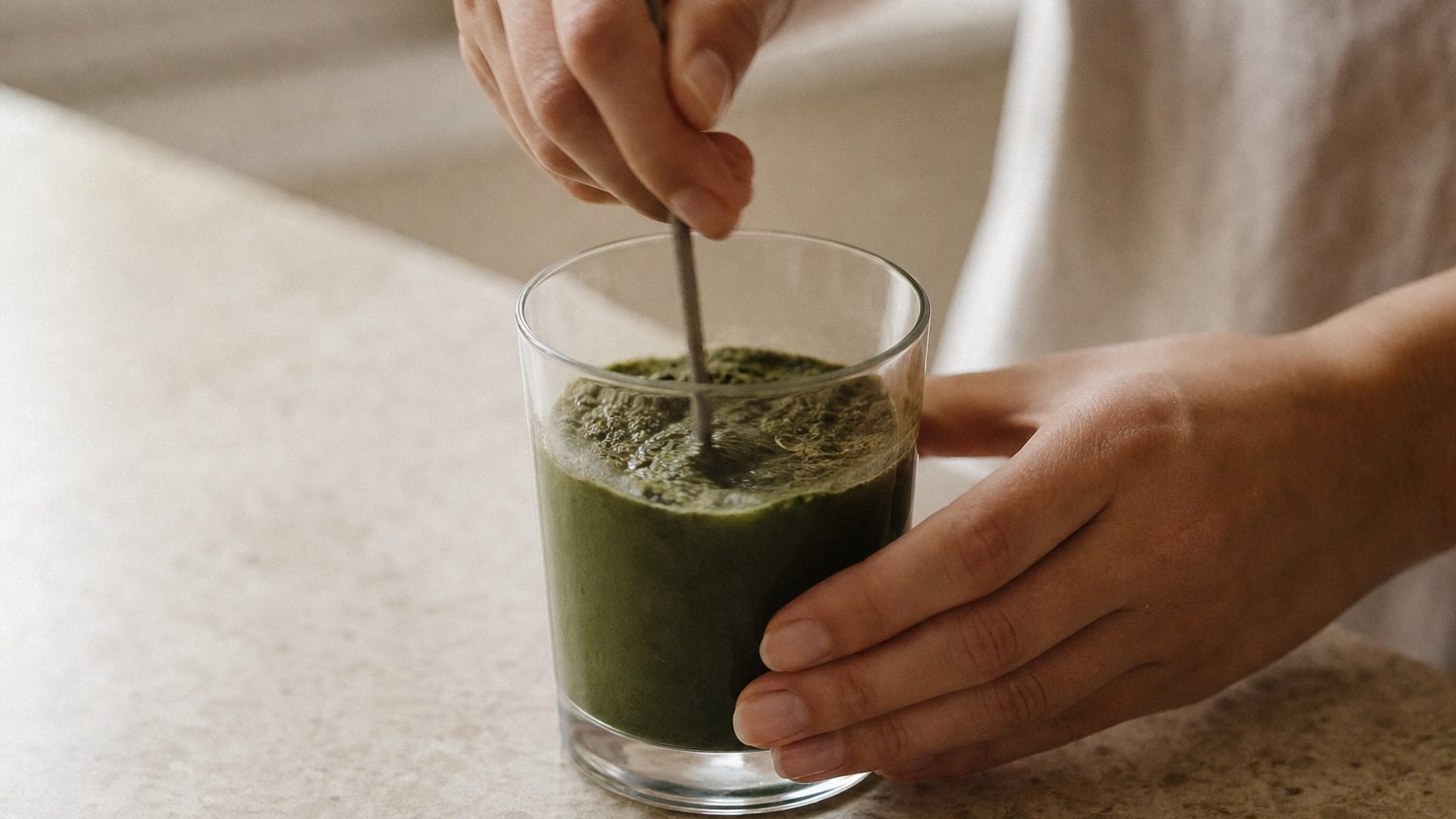
Super greens are good for conveniently topping up micronutrients and plant compounds when your diet is less varied than you would like. Drinking them every day is generally fine for most healthy adults, but they are not a replacement for vegetables and are usually low in fiber. Here is how to decide whether a daily scoop makes sense for you.
Key Takeaways
- Daily use is usually fine: Most healthy adults can use a greens powder each day when they follow the label directions.
- Think nutrient top-up: Greens can add micronutrients and plant compounds, especially when meals are not consistently varied.
- Keep eating vegetables: Powders usually provide much less fiber, volume, and food variety than whole produce.
- Review vitamin K carefully: Anyone taking warfarin should talk to a doctor before using a greens powder.
- Check your supplement stack: Combining greens with a multivitamin can create unnecessary nutrient overlap.
Is Daily Use a Good Idea?
For most healthy adults, drinking one label-directed serving of super greens each day is a reasonable choice. You do not usually need to cycle on and off. A consistent routine may be more useful than taking occasional large servings, since supplements are intended to support everyday nutrition rather than act as quick fixes.
That does not mean everyone needs a greens powder. If you regularly eat a varied mix of vegetables, fruit, beans, whole grains, nuts, and seeds, the powder may add little to an already nutrient-rich diet. It can be more practical on busy days, while traveling, or during periods when your meals have become repetitive.
Evidence for greens powders as a category is still limited. Formulas differ widely, and many studies are small, short, or focused on individual ingredients rather than a finished blend. A powder may contribute vitamins, minerals, and plant compounds, but you should be skeptical of sweeping promises. You may not feel a noticeable difference after taking it, even when it contributes useful nutrients.
Follow the serving directions rather than assuming more is better. Taking extra scoops can increase your exposure to added vitamins, minerals, herbs, sweeteners, or other concentrated ingredients. If a new powder causes digestive discomfort or another unwanted reaction, stop using it and review our guide to possible super greens side effects. Persistent or severe symptoms deserve medical attention.
What a Greens Powder Actually Gives You
A greens powder is usually a dried or concentrated mixture of leafy greens, grasses, vegetables, fruits, algae, and other plant ingredients. Depending on the formula, it may provide vitamins and minerals such as vitamin C, vitamin K, folate, or iron. Some products also contain added nutrients, probiotics, enzymes, herbs, mushrooms, or plant extracts.
Its most realistic role is as a micronutrient and polyphenol top-up. Micronutrients are vitamins and minerals your body needs in small amounts. Polyphenols are natural plant compounds found in foods such as berries, leafy greens, tea, and cocoa. They interact with normal processes in the body, but their presence in a powder does not guarantee a specific result you can see or feel.
Processing makes some plant material easier to fit into one scoop. It also makes labels important. A long ingredient list does not tell you how much of each ingredient is present, and a small amount of kale in a blend is not nutritionally equal to a serving of kale. Check the Supplement Facts panel for listed vitamin and mineral amounts, serving size, calories, and fiber.
Formulas can be very different, so the words "super greens" do not describe one standard product. One may be mostly grasses and leafy vegetables, while another may include fruit powders, algae, probiotics, or extra vitamins. Our greens powder ingredient guide explains the common categories in more detail. For daily use, choose a transparent label that fits your needs rather than counting ingredients or relying on the word "super."
Why It Does Not Replace Vegetables
A greens drink may look like a liquid serving of vegetables, but it does not provide the same nutritional package. Whole vegetables contain water, fiber, natural carbohydrates, and thousands of plant compounds held together in a food structure. Chewing and digesting that structure affects fullness, digestion, and how quickly nutrients become available.
Fiber is the biggest practical gap. Many greens powders are made by juicing plants and drying the juice, or by extracting selected components. Much of the original fiber is removed during these processes. Powders made from whole dried plants may retain more, and some formulas add fiber separately, but many servings still contain only a small amount. The label will tell you how many grams you are actually getting.
Fiber helps maintain regular digestion and feeds beneficial gut microbes, the microorganisms living in your digestive tract. It also makes meals more filling. A low-fiber greens drink cannot do the same job as broccoli, beans, peas, carrots, leafy salads, or other whole plant foods.
Variety matters too. Different vegetables provide different combinations of nutrients and plant compounds. A powder with many ingredients may sound varied, but each could be present in a very small quantity. Keep building meals around whole produce, including different colors and textures. Use greens powder as a safety net on imperfect days, not as permission to remove vegetables from your plate. A useful test is simple: if adding the powder causes you to eat fewer vegetables, it is working against its intended role.
Who Should Check With a Doctor First
Anyone taking warfarin should talk to a doctor before starting super greens. Warfarin is a prescription blood thinner whose effect can be influenced by vitamin K. Leafy greens and algae can contain vitamin K, and the amount may vary by formula. Your doctor may advise you to avoid the product or keep vitamin K intake consistent. Do not change warfarin use or deliberately adjust vitamin K without medical guidance.
You should also talk to your doctor if you take other prescription medications. Greens formulas can include concentrated herbs, green tea extracts, algae, probiotics, or added nutrients that may interact with a medication or be inappropriate for your circumstances. Bring the complete label to the conversation, not just the front of the container.
Medical guidance is also appropriate during pregnancy or breastfeeding, and for anyone with kidney disease, liver disease, or another existing medical condition. Certain minerals or plant compounds may need to be limited in these situations. Children should use dietary supplements only with guidance from their doctor.
Food allergies and sensitivities deserve a careful label check. A blend may include wheatgrass, mushrooms, sea vegetables, herbs, fruit, or ingredients produced in facilities that handle common allergens. People sensitive to caffeine should look for tea extracts or other stimulant-containing ingredients.
Finally, review any multivitamin, fortified drink, or other supplement you already take. The concern is not the green color. It is the combined dose of overlapping nutrients, especially when a formula adds substantial amounts of vitamins and minerals beyond its plant ingredients.
Building It Into a Routine
Choose a time you can repeat. Morning is popular because a scoop fits easily into water or a smoothie, but there is no strong evidence that greens powder works better at a particular hour. Lunch or afternoon is equally reasonable. Consistency, comfort, and following the label matter more than taking it on an empty stomach.
Start by reading three parts of the package: the ingredient list, the Supplement Facts panel, and the directions. The ingredient list shows what is included. The facts panel shows amounts for nutrients the manufacturer reports. The directions tell you the intended serving. Do not add extra scoops to compensate for a day without vegetables.
Water keeps the routine simple. A smoothie can make an earthy powder easier to enjoy, but consider what else goes into it. Fruit, yogurt, milk, nut butter, or seeds can turn the drink into a more substantial snack or meal. That may be useful, but the powder itself is not responsible for all the nutrition in the finished smoothie.
Track practical outcomes for two to four weeks. Ask whether you use it consistently, tolerate it well, and still eat whole vegetables. Do not judge it by whether you feel an immediate surge of energy. Many micronutrients do not create a noticeable sensation.
Recheck the label whenever you add another supplement. If your greens powder and multivitamin both provide high percentages of the Daily Value, ask a doctor or registered dietitian whether you need both. A simple routine with a clear purpose is usually easier to maintain than a crowded stack with repeated ingredients.
LiveGood Organic Super Greens is a USDA certified organic greens powder designed to help fill nutrient gaps as "a safety net for your health." Mix one delicious scoop a day into water or a smoothie while continuing to eat whole vegetables. It is $19.95 for members versus $34.95 retail, supporting LiveGood's mission to "Provide the highest quality supplements in the world, at the lowest prices possible."
Frequently Asked Questions
Is it good to drink super greens every day?
Yes, drinking super greens daily is generally fine for most healthy adults when you follow the product's label directions. Daily use can provide a convenient nutrient top-up, but it should complement a varied diet rather than replace produce. Talk to your doctor first if you take prescription medication, are pregnant or breastfeeding, or have a kidney, liver, or other medical condition.
What are super greens good for?
Super greens are good for adding a convenient source of micronutrients and plant compounds to an inconsistent diet. Their exact value depends on the ingredients and amounts in the formula. They are most useful as nutritional backup on days when your meals lack variety, not as a source of all the fiber, volume, and benefits provided by whole vegetables.
Can you take too much greens powder?
Yes, you can take too much greens powder, especially when you exceed the label serving or combine it with other fortified supplements. Extra scoops may provide unnecessarily high amounts of certain vitamins, minerals, herbs, or extracts. More powder does not make up for missing vegetables. Follow the directions and speak with your doctor if you are unsure about your total intake.
Should you take greens powder with a multivitamin?
You can sometimes take greens powder with a multivitamin, but first compare both Supplement Facts panels for overlapping nutrients. Some greens contain only modest naturally occurring nutrients, while others add substantial amounts of vitamins and minerals. Using both may be unnecessary or create excessive intake. Ask your doctor or a registered dietitian to review the combination if several nutrients overlap.
What is the best time of day for greens powder?
The best time for greens powder is whenever you can take it consistently and tolerate it comfortably. Morning works well in water or a smoothie, but there is no good evidence that an empty stomach improves its overall value. If it upsets your stomach, try taking the label-directed serving with food. Avoid formulas containing stimulating extracts close to bedtime.