
Aronia Powder for Men: Benefits and How to Use It
 Written by Nauder Khazan
Ask AI about this article and Organic Super Reds





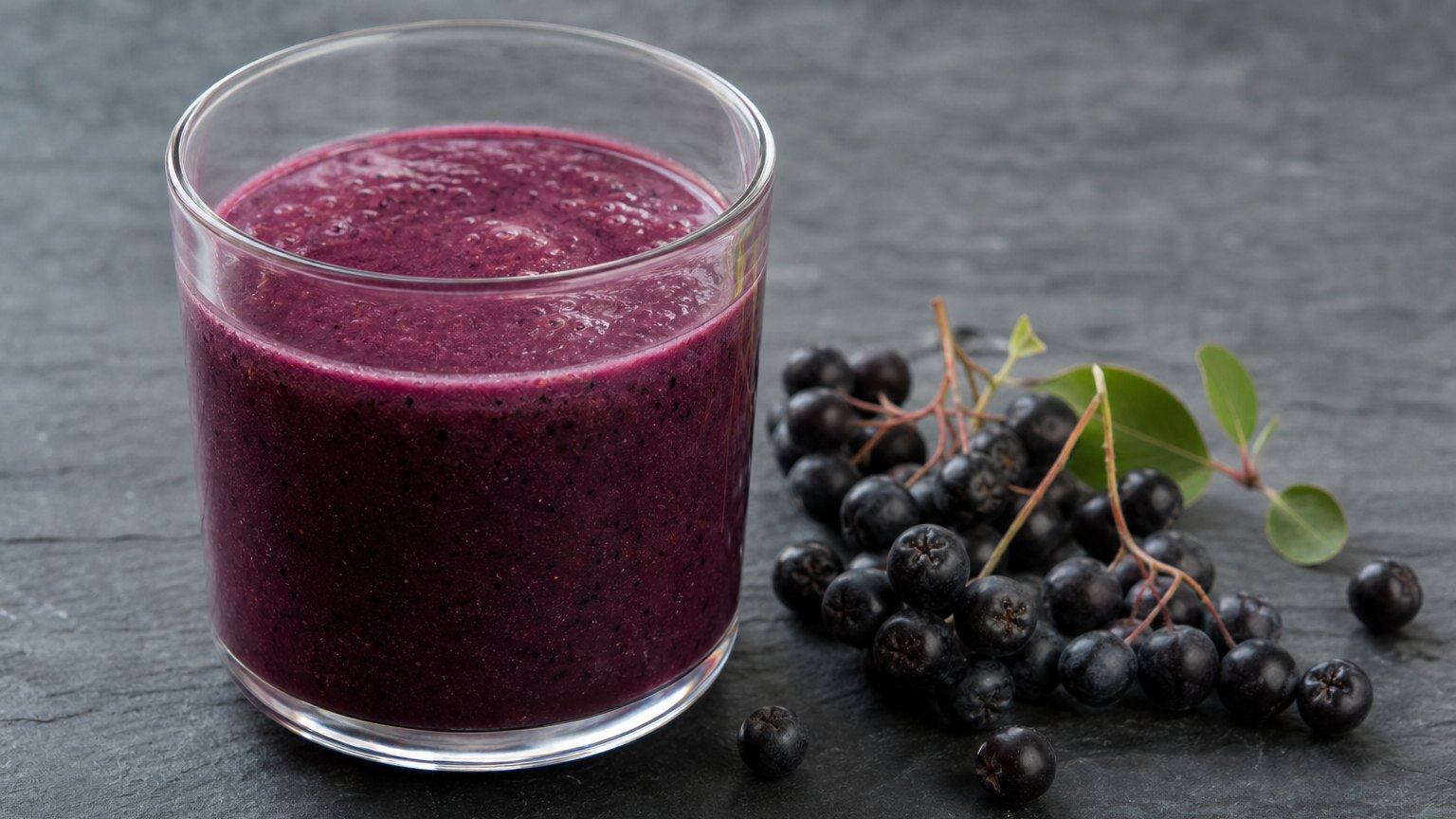
Aronia powder gives men a concentrated source of polyphenols that may support the body's response to hard training and help maintain cardiovascular wellness. The most promising findings involve exercise-related oxidative stress and certain heart health markers, but the human research is still small and does not prove faster recovery or better performance.
Key Takeaways
- Recovery evidence is early: Aronia may influence oxidative stress markers after exercise, but reduced soreness and faster recovery are not established.
- Heart findings are limited: Small trials have examined blood pressure, cholesterol, and blood vessel function, with mixed results.
- Polyphenols drive interest: Anthocyanins and related plant compounds give aronia its dark color and antioxidant activity.
- No standard dose exists: Products vary widely, so follow the serving directions on your specific label.
- Consistency matters most: Aronia can complement training, sleep, hydration, and nutrition, not replace them.
What Aronia Is
Aronia, also called chokeberry, is a small, dark purple fruit native to North America. The name chokeberry comes from its dry, mouth-puckering taste, not from a safety concern. Aronia powder is usually made by drying the fruit and grinding it into a fine powder. Some products use the whole berry, while others contain concentrated juice or extract.
That difference matters. Whole-fruit powder may retain some fiber and a broader range of berry compounds. Extracts can provide more concentrated amounts of selected polyphenols, but the amount depends on how the extract was produced. Two products with the same scoop size may not deliver the same composition.
Aronia's deep color comes largely from anthocyanins. These are polyphenols, meaning protective compounds that plants make naturally. Polyphenols can interact with normal antioxidant and cell-signaling systems in the body. They are not the same as vitamins, and a high laboratory antioxidant score does not guarantee a noticeable effect in a person.
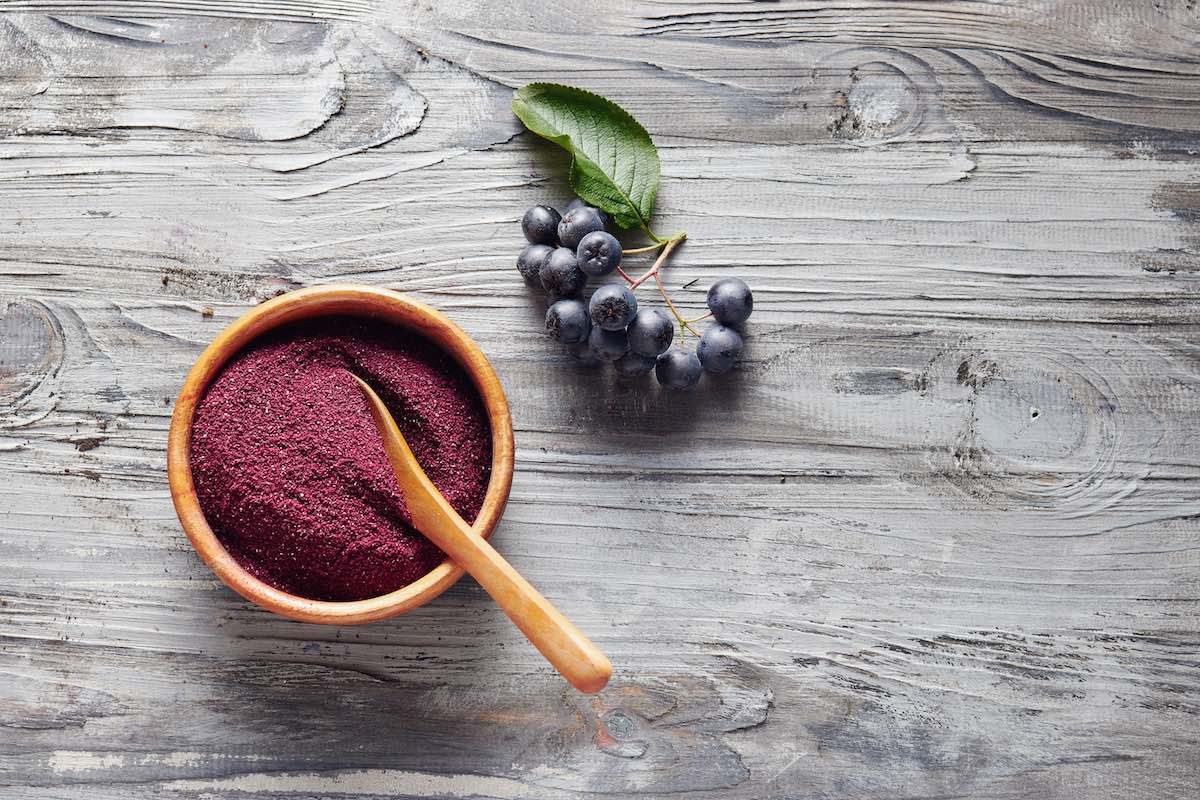
Aronia berries are dried and milled into a deeply colored powder rich in naturally occurring polyphenols.
For men, the useful question is not whether aronia is a general "superfood." It is whether regular use offers practical support around training and cardiovascular wellness. That is the focus here. For a broader overview of the fruit, nutrition, and everyday uses, visit our general guide to aronia powder benefits.
Aronia also has no established effect on testosterone. Claims that it raises testosterone, builds muscle directly, or changes male hormones are not supported by good human evidence.
Polyphenols and Exercise Recovery
Hard exercise temporarily increases the production of reactive molecules. These molecules are a normal part of energy use, but a large short-term increase can create oxidative stress, an imbalance between reactive molecules and the body's ability to manage them. Researchers sometimes measure this response through blood markers before and after training.
Small studies involving aronia juice or extracts suggest that aronia polyphenols may affect some exercise-related antioxidant markers. A few trials have also examined markers connected with muscle stress, iron metabolism, and the normal inflammatory response. These findings make aronia interesting for active men, especially those doing repeated endurance sessions or demanding team sports.

Aronia is being studied for how its polyphenols may affect oxidative stress markers after strenuous training.
However, a change in a laboratory marker is not the same as feeling less sore, recovering faster, or performing better. The research has generally involved few participants, short study periods, and different aronia preparations. Results from a measured extract cannot automatically be applied to every whole-fruit powder. There is not enough evidence to promise improved strength, endurance, muscle growth, or next-day recovery.
Another reason for caution is that some oxidative signaling helps the body adapt to training. More antioxidant activity is not automatically better. Food-based polyphenols can fit into a balanced diet, but taking increasingly large servings in an attempt to eliminate all post-workout oxidative stress is not a sound goal.
If you want to evaluate aronia, keep the rest of your routine steady. Track several comparable workouts, along with soreness, sleep, hydration, and food intake. A subtle pattern over time is more informative than how you feel after one shake. Protein, carbohydrates, fluids, rest, and sensible programming still do most of the work in recovery.
Cardiovascular Markers in Small Trials
Men often search for aronia because cardiovascular wellness becomes more relevant with age. Researchers have explored whether aronia polyphenols influence blood vessel function, blood pressure readings, cholesterol, triglycerides, and other metabolic markers. These measures can offer clues about cardiovascular health, but they do not all respond in the same way.
Some small human trials using aronia juice or standardized extracts have reported modest changes in certain blood pressure or cholesterol measurements. Other studies have found limited or inconsistent effects. The participants, doses, product forms, and study lengths vary, which makes the overall evidence difficult to compare. Many trials are too small to establish how well the findings apply to the broader population.
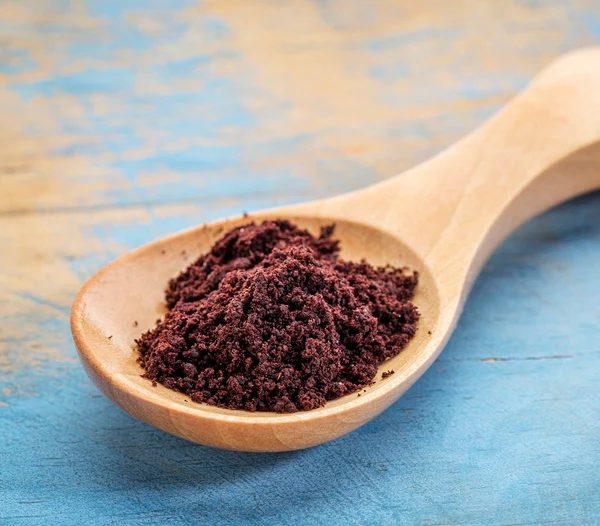
Small human trials have examined aronia alongside cardiovascular markers, but the findings remain limited and mixed.
Blood vessel function is another area of interest. Polyphenols may support normal endothelial function. The endothelium is the thin layer of cells lining your blood vessels, and it helps regulate how those vessels tighten and relax. That mechanism is plausible, but aronia has not been shown to replace exercise, a fiber-rich diet, sleep, weight management, or prescribed care.
Blood sugar has also been measured in limited aronia research. Findings are not strong enough to present aronia powder as a way to manage high blood sugar or any related condition. The same caution applies to blood pressure. If you monitor either one, do not change medication or medical care based on a supplement article or a single home reading.
The practical takeaway is modest. Aronia powder can add berry polyphenols to an overall heart-conscious routine. It should not be treated as a cardiovascular treatment, and men with existing health concerns should discuss concentrated products with their doctor.
How Much and How to Take It
There is no established daily dose of aronia powder for men. Research has used juices, whole-fruit powders, and extracts with very different concentrations, so study amounts cannot be converted reliably into a universal number of teaspoons. The safest practical approach is to follow the serving directions on your product's label and avoid taking extra servings simply to match a study.
Check whether the label identifies the product as whole-fruit powder, juice powder, or extract. For an extract, look for a stated concentration or standardized polyphenol amount. Standardized means the manufacturer aims to provide a consistent amount of a named compound in each serving. A larger milligram number is not automatically a better product if the form and concentration are unclear.
Follow the product label because whole-fruit powders and concentrated aronia extracts can provide very different servings.
Aronia does not need to be taken at a precise time. You can mix it into breakfast, use it in a pre-workout meal, or add it to a post-workout smoothie. Taking it before exercise has not been proven to create an immediate performance effect. Post-workout use is convenient, but the powder does not replace protein, carbohydrates, or fluids.
Choose a time you can maintain. If the product bothers your stomach, taking it with food may be more comfortable. Avoid combining several concentrated polyphenol products at high servings without professional guidance. More is not necessarily more useful.
Evaluate it over a consistent period rather than expecting a dramatic feeling after one use. Supplements support a routine, not a quick fix. Training quality, recovery days, sleep, and a varied diet remain the foundation.
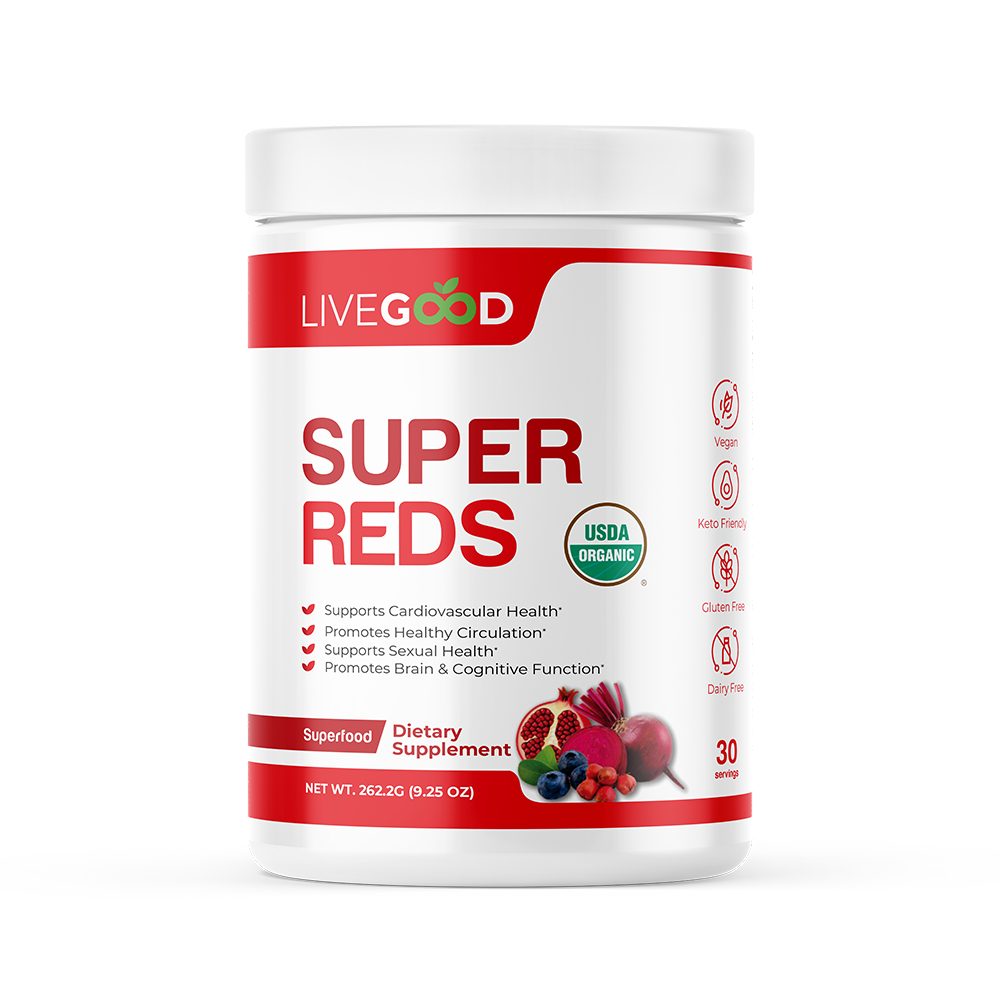
LiveGood Organic Super Reds is a great-tasting red fruit and vegetable extract powder formulated to support the body's production of nitric oxide and healthy blood circulation. Mix it with water or a smoothie as a pre-workout option or afternoon pick-me-up. It does not list aronia as a named ingredient, so it should not be presented as aronia powder. Members pay $19.95 versus $34.95 retail, helping make daily wellness more accessible.
Taste and Mixing
Aronia tastes tart, earthy, and noticeably astringent. Astringent means it creates a dry, puckering feeling in your mouth, similar to strong black tea or an underripe fruit. This effect comes from tannins, which are naturally occurring polyphenols. Many people find straight aronia powder too intense in plain water.
A smoothie is usually the easiest starting point. Banana, mango, berries, cherries, yogurt, or a milk alternative can soften the tartness. Nut butter or oats add body and make the dry sensation less noticeable. If you are using the smoothie after training, include a meaningful protein source rather than relying on fruit powder alone.
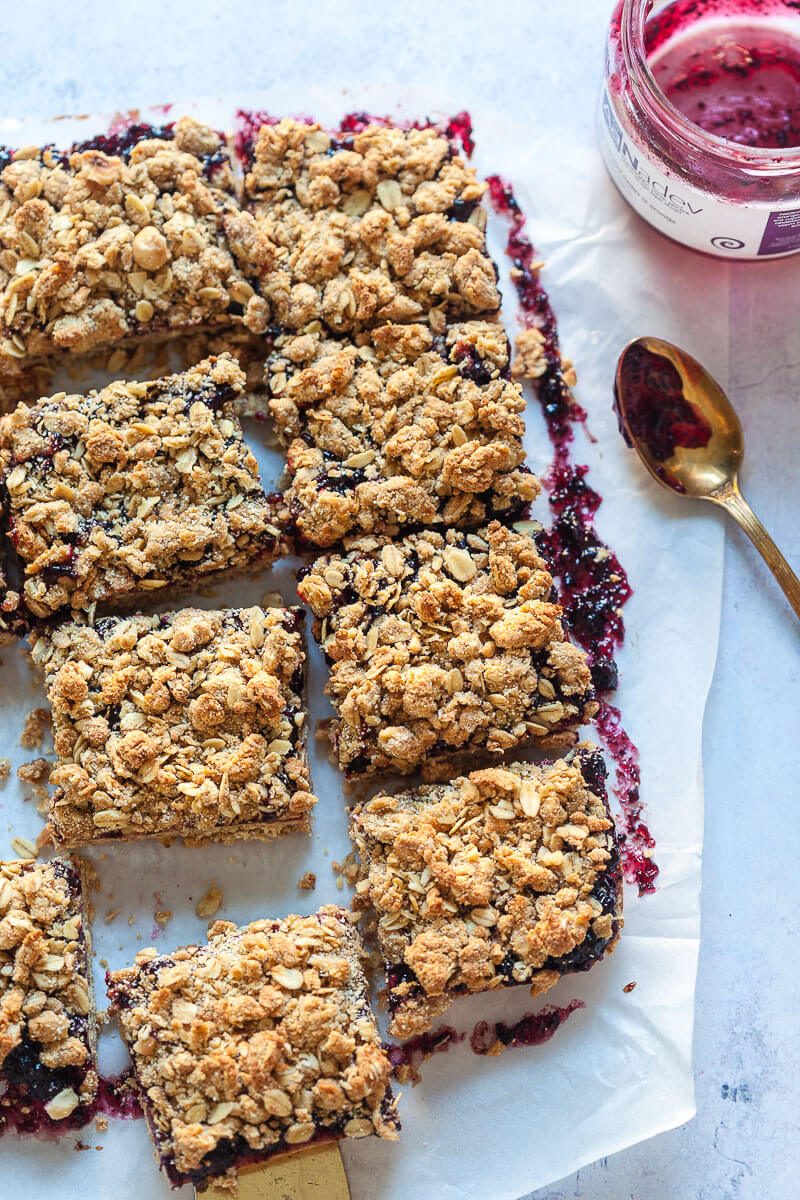
Smoothies, yogurt, and oatmeal help balance aronia powder's tart, dry, and mouth-puckering flavor.
You can also stir aronia into oatmeal, yogurt, chia pudding, or overnight oats. Mixing it with applesauce is another simple option. For a lighter drink, shake it with cold water and a small amount of lemon or another naturally sweet fruit powder. A shaker bottle or blender works better than a spoon because fine berry powder may clump.
Aronia can be added to muffins, pancakes, and homemade snack bars, although heat may change some of its polyphenol content. That does not make baked aronia useless. It simply means a cooked recipe is not identical to the powder used in a cold drink or in a research trial.
The powder's dark pigment can stain light clothing, porous countertops, and some blender parts. Mix carefully and rinse utensils soon after use. Store the container tightly closed in a cool, dry place, following any refrigeration instructions on the label.
Who Should Be Careful
Aronia foods and powders are generally tolerated by many adults, but concentrated products can still cause side effects. The most likely issues are digestive discomfort, nausea, constipation, or a dry mouth. The fruit's tannins may be especially noticeable if you take the powder without food or use more than the label recommends.
Stop using it and seek appropriate care if you develop signs of an allergic reaction, such as hives, swelling, wheezing, or trouble breathing. Berry allergies are not common, but any food-derived powder can cause a reaction in a sensitive person. Check the full ingredient list because flavored blends may contain ingredients that are not present in plain aronia powder.
Talk to your doctor before using aronia powder if you take prescription medication. This is particularly relevant if your medicine affects blood pressure, blood sugar, blood clotting, or cholesterol. A clinically important interaction has not been established for every medication, but limited interaction research is a reason for caution, not proof that no interaction can occur.
You should also talk to your doctor if you are pregnant or breastfeeding, have kidney or liver concerns, or live with an existing medical condition. There is not enough research to set a special dose for these groups. If you have been told to restrict potassium, fruit products and blended powders deserve individual review even when the label looks simple.
Do not use aronia to replace prescribed treatment or delay a medical evaluation. Persistent fatigue, chest discomfort, unusual shortness of breath, or a major decline in workout capacity needs professional attention. A supplement may support everyday nutrition, but it cannot explain or safely address those symptoms.
Frequently Asked Questions
What are the benefits of aronia powder for men?
Aronia powder may give men additional polyphenols that support normal antioxidant defenses and cardiovascular wellness. Small studies have examined exercise-related oxidative stress, blood vessel function, blood pressure, and cholesterol markers. The evidence remains limited, and aronia has not been shown to raise testosterone, build muscle, or replace the basic recovery benefits of food, sleep, and well-planned training.
Does aronia help exercise recovery?
Aronia may influence certain oxidative stress markers after strenuous exercise, but it has not been proven to speed recovery. Human studies are small and often use juices or extracts rather than ordinary powder. Researchers also have not established consistent improvements in soreness, strength, or athletic performance. Treat aronia as a possible addition to your nutrition routine, not as a substitute for rest and post-workout food.
How much aronia powder per day?
There is no universal evidence-based daily amount of aronia powder, so follow the directions on your specific product. Whole-fruit powder, juice powder, and concentrated extract are not interchangeable. Do not increase the serving just to imitate research that used a different form. If you have a medical condition or take prescription medicine, ask your doctor whether the labeled serving is appropriate for you.
What does aronia taste like?
Aronia tastes tart, earthy, and dry, with a mouth-puckering quality caused by natural tannins. Most people find it easier to use in a smoothie, yogurt, oatmeal, or applesauce than in plain water. Naturally sweet fruits such as banana, mango, or cherries can balance its sharp flavor. Blending or shaking also helps prevent the fine powder from forming clumps.
Are there side effects of aronia?
Aronia can cause digestive discomfort, nausea, constipation, or a dry feeling in the mouth, especially in larger servings. Allergic reactions are possible with any fruit product. Talk to your doctor before use if you take prescription medication, are pregnant or breastfeeding, have kidney or liver concerns, or manage an existing medical condition. Stop using it if you experience a concerning reaction.