
Beetroot for Skin: What the Evidence Supports
 Written by Nauder Khazan
Ask AI about this article and Organic Super Reds





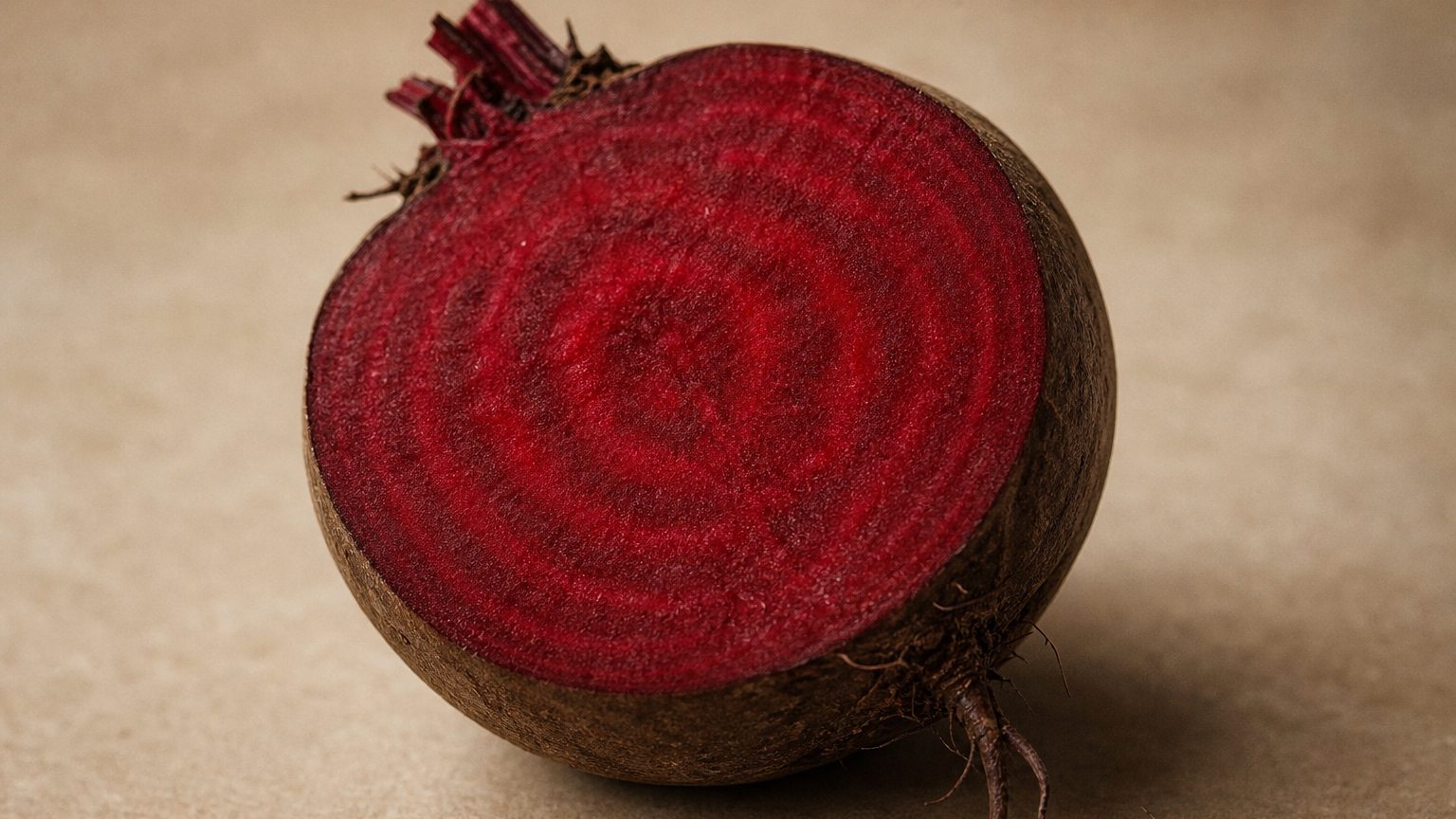
Beetroot can add useful nutrients and antioxidants to your diet, but there is little direct evidence that eating it produces clearer, brighter, or younger-looking skin. Applying beetroot to your face has even less support, and the juice can stain or irritate skin. Here is what each approach can realistically offer.
Key Takeaways
- Separate the two routes: Eating beetroot and applying it to your face are very different practices with different risks.
- Expect indirect support: Beetroot provides antioxidants and dietary nitrate, but studies have not established a visible skin benefit.
- Skip the topical hype: DIY beetroot masks and toners lack meaningful clinical evidence and can cause staining or irritation.
- Think beyond one food: Sun protection, sleep, hydration, and a varied diet matter more for skin than any single ingredient.
- Choose consistency over quick fixes: If you include beetroot in your diet, judge it as part of your overall wellness routine, not as a rapid skin treatment.
Two Different Questions About Beetroot and Skin
When people discuss beetroot benefits for skin, they often combine two separate questions. The first is whether eating beets, drinking beetroot juice, or using beetroot powder can support skin from within. The second is whether putting beetroot juice or powder directly on your face can change how your skin looks.
The evidence is not equal between these routes. Beetroot is a nutritious food. It contains dietary nitrate, folate, vitamin C, fiber, potassium, and colorful plant compounds called betalains. These nutrients can contribute to a balanced diet, and dietary nitrate supports the body's production of nitric oxide. Nitric oxide is a signaling molecule that helps blood vessels relax and supports circulation.
That pathway is biologically plausible, but plausible is not the same as proven. Research on beetroot usually measures exercise performance, nitrate metabolism, circulation, or other general wellness markers. Very little clinical research has tested whether eating beetroot changes hydration, texture, elasticity, fine lines, or other visible skin outcomes.
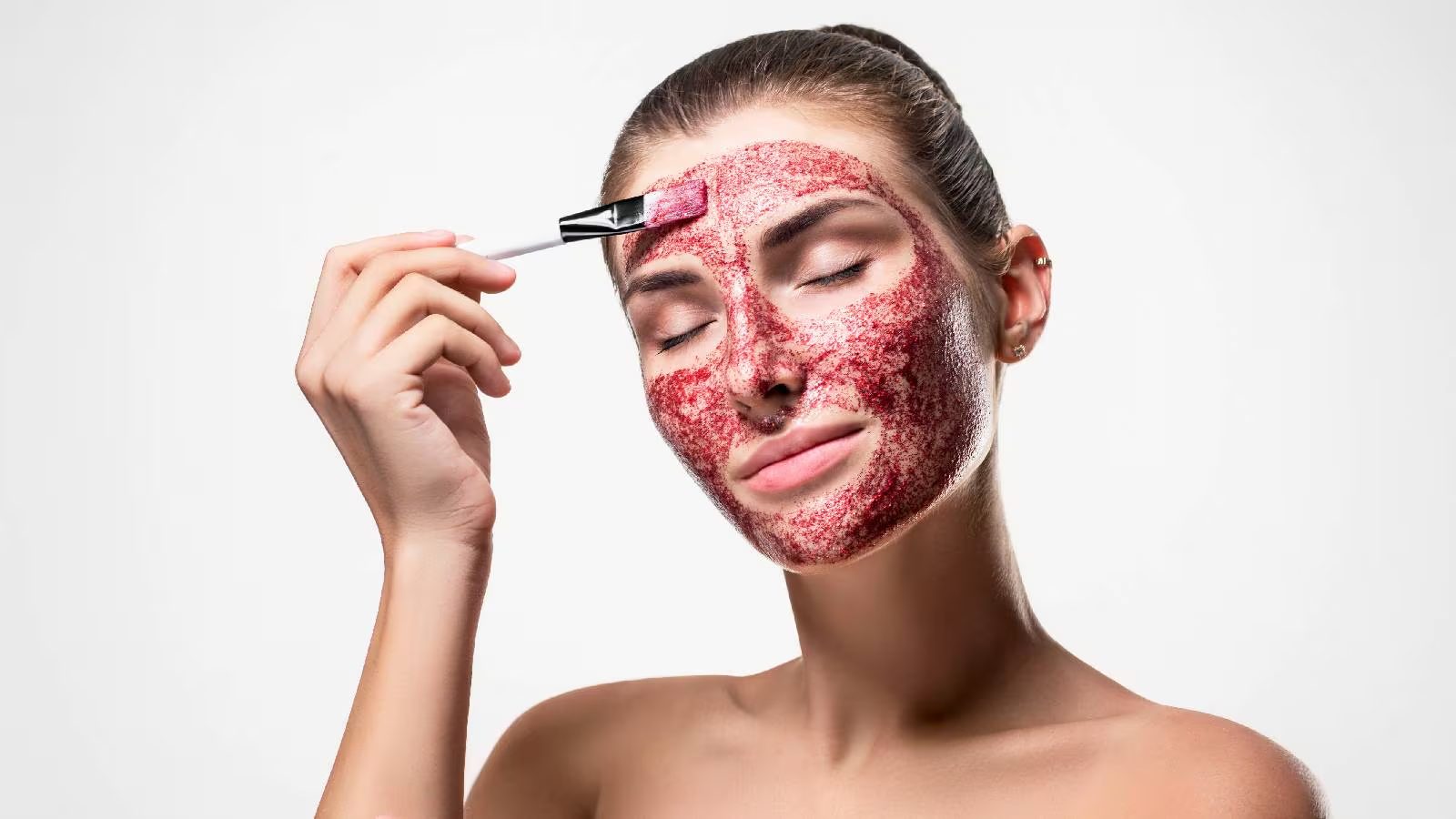
Eating beetroot and applying it to your face involve different evidence, expectations, and risks.
Topical beetroot is a different story. Internet recipes may present beetroot masks, scrubs, or toners as skincare, but these uses are largely folk remedies. There is essentially no good clinical evidence showing that raw beetroot juice improves the skin. Its deep pigment also creates a predictable downside: temporary staining of skin, nails, towels, and clothing.
The honest summary is simple. Beetroot can fit into a skin-supportive diet, but it is not a proven skincare ingredient or treatment.
What Eating Beetroot Might Contribute
Eating beetroot gives your body nutrients that participate in normal functions throughout the body, including the skin. Vitamin C supports normal collagen formation. Collagen is a structural protein that helps give skin its framework. Folate supports normal cell division, while betalains and other plant compounds add to your overall antioxidant intake.
Antioxidants help the body manage oxidative stress, which is the everyday imbalance created when reactive molecules outnumber the body's defenses. That does not mean a beet smoothie directly removes wrinkles or produces a visible glow. Antioxidants work within a much larger dietary pattern, and skin appearance is influenced by sun exposure, age, genetics, sleep, smoking, hydration, hormones, and skincare habits.
Dietary nitrate is another reason beetroot attracts attention. Your body converts nitrate into nitric oxide, which supports normal blood vessel function and circulation. Better circulation is sometimes used to explain claims about glowing skin. However, beetroot studies have not shown that this pathway reliably creates a lasting cosmetic change. A temporary flushed appearance is also not the same as healthier skin.
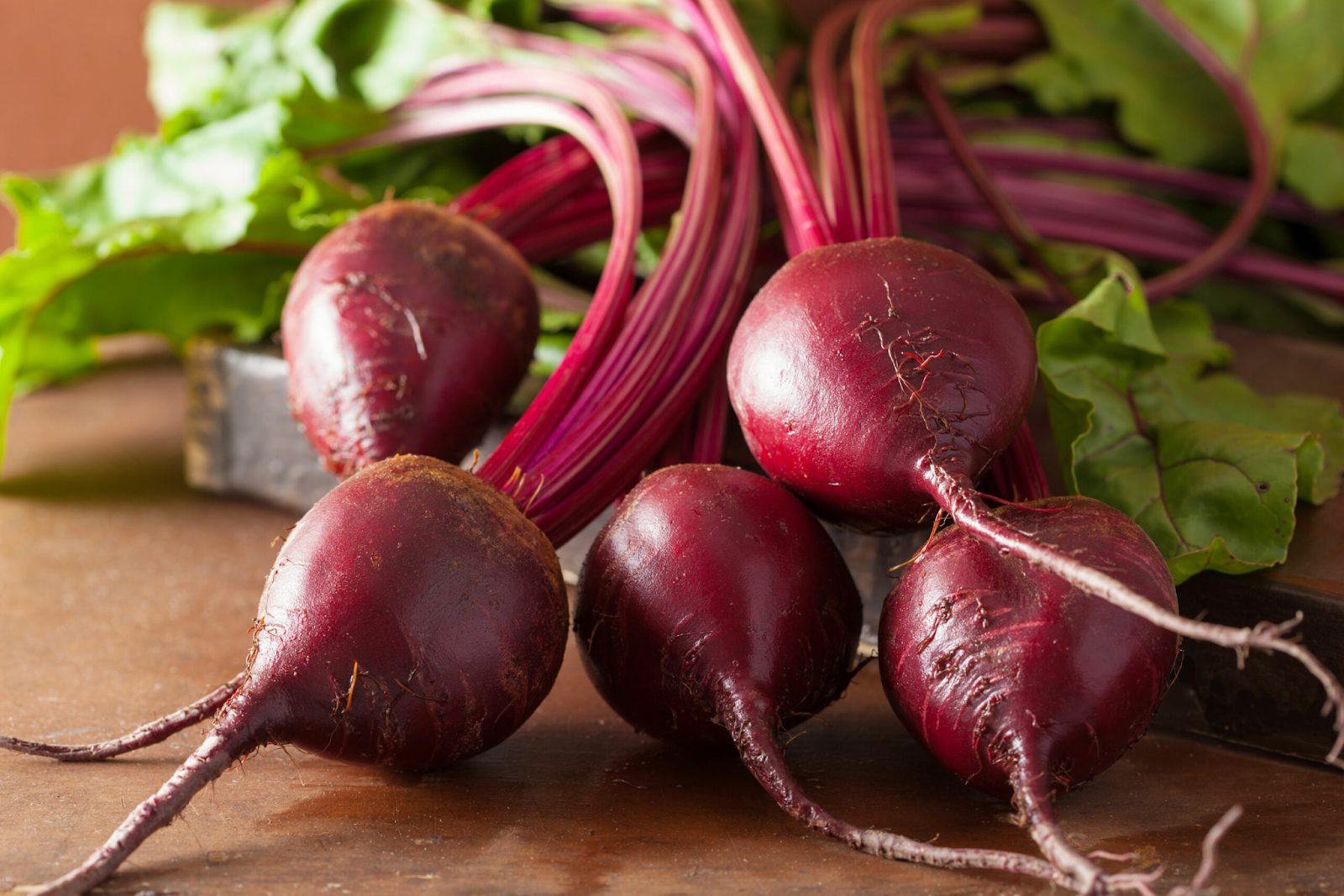
Whole beets, juice, and powder can contribute nutrients to your diet, but none is proven to transform skin.
You can eat roasted or grated beets, blend them into a smoothie, drink beetroot juice, or use a food or supplement powder. Whole beets provide fiber, while juice and powders are more concentrated and convenient. None of these forms has been proven superior for skin.
Follow supplement label directions rather than assuming more is better. Beetroot may turn urine or stool pink or red, a usually harmless effect called beeturia. If you take prescription medication, are pregnant or breastfeeding, have a kidney or liver condition, or have another existing medical condition, talk to your doctor before using concentrated beetroot products.
The Topical Beetroot Trend
DIY beetroot skincare is popular because the color looks dramatic and the ingredient seems natural. Common recipes mix beetroot juice or powder with yogurt, honey, cucumber, lemon juice, or moisturizer. Some posts also suggest using it as a toner, scrub, lip tint, or overnight mask.
There is no solid clinical basis for those routines. Raw beetroot has not been shown to tighten pores, whiten or lighten skin, fade pigmentation, or manage acne, eczema, or another skin condition. The visible pink color left after application may look like an instant change, but it is pigment sitting on the skin, not evidence that the skin itself has improved.
Natural ingredients can still cause problems. Beetroot pigment can stain your face, hairline, fingernails, sink, towels, and clothing. Raw juice and powder may also irritate sensitive or damaged skin. Adding lemon juice or rough particles can increase the risk because acidic ingredients and physical scrubbing may disrupt the skin barrier. The skin barrier is the outer layer that helps keep moisture in and irritants out.
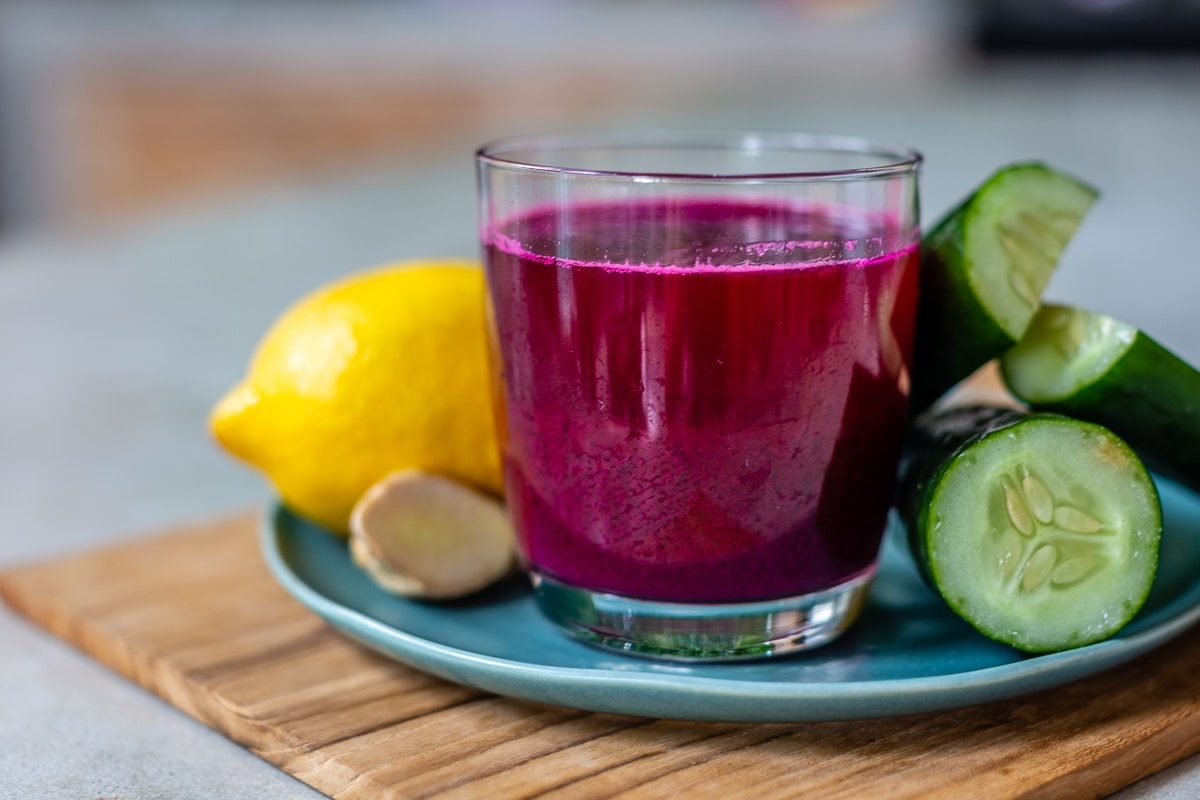
Beetroot's strong natural pigment can temporarily stain skin, hands, fabric, and bathroom surfaces.
The safest option is not to apply kitchen-made beetroot mixtures to your face. If you decide to try one anyway, keep it away from your eyes, lips, broken skin, and recently shaved areas. Test a small amount on your inner arm first, then wait at least 24 hours before broader use. Patch testing reduces risk, but it cannot guarantee that your face will tolerate the mixture.

A small patch test can help identify irritation before a homemade mixture is used on a larger area.
Stop immediately if you notice burning, itching, swelling, hives, or persistent redness, and rinse with cool water. Seek urgent medical help for facial swelling or difficulty breathing. For ongoing irritation or any persistent skin concern, see a dermatologist rather than relying on a DIY beetroot remedy.
Why Betalains Get the Attention
Betalains are the red, purple, and yellow pigments responsible for beetroot's intense color. The red-purple group is known as betacyanins, while the yellow-orange group is called betaxanthins. These compounds can act as antioxidants in laboratory testing, meaning they can interact with unstable molecules under controlled conditions.
This chemistry helps explain the excitement around beetroot. It does not automatically prove a cosmetic result. A compound may behave one way in a test tube and another way after digestion. When you eat beetroot, betalains are broken down, absorbed in limited amounts, metabolized, and cleared by the body. Researchers still have questions about how much reaches different tissues and whether that amount meaningfully affects human skin.
The same caution applies to topical use. A colorful plant compound does not necessarily pass through the outer skin barrier or remain stable in a homemade mixture. Concentration, acidity, exposure time, storage, and the other ingredients in a formula all matter. Raw beet juice from your kitchen is not equivalent to a professionally formulated and safety-tested cosmetic.

Betalains give beetroot its vivid color and antioxidant activity, but visible skin benefits remain unproven.
Beetroot also contains vitamin C, but the amount you receive from a normal serving should be viewed as one contribution to your total daily intake. Vitamin C supports normal collagen formation, yet eating one vitamin C-containing food does not guarantee firmer or brighter-looking skin. A varied diet containing vegetables, fruit, protein, healthy fats, and enough calories gives your body a broader set of materials to work with.
Betalains make beetroot interesting and nutritious. For now, though, claims about dramatic skin transformation go well beyond the available human evidence.
Realistic Expectations and Timelines
There is no evidence-based number of days for beetroot to make your skin glow. If a social media post promises a visible change after one juice, a week of daily beets, or several homemade masks, that timeline is not grounded in reliable skin research.
The nitrate pathway works more quickly than most nutrition-related changes. After you eat or drink beetroot, nitrate is converted through several steps into nitric oxide. The response is commonly discussed over a period of hours, particularly in exercise research. You can read more about that process in our guide to how long beetroot powder takes to work. That short-term response should not be mistaken for proof of a lasting skin benefit.
If you enjoy beetroot, include it consistently as one part of a varied diet. Give yourself several weeks before deciding whether the habit suits your digestion, energy, meals, and routine. Do not use before-and-after photos as firm proof unless lighting, makeup, camera settings, hydration, sleep, and skincare are controlled. Small changes in any of these can make skin appear noticeably different.
Consistent sun protection, gentle skincare, sleep, and balanced nutrition matter more than quick-fix remedies.
For visible skin health, focus first on habits with stronger support. Use broad-spectrum sunscreen, avoid tanning, cleanse gently, moisturize according to your skin type, sleep consistently, and eat a varied diet. Stay reasonably hydrated, especially during heat or exercise, but remember that drinking excessive fluid does not create an extra glow.
Beetroot can be a colorful and enjoyable food, not a shortcut. If you have persistent dryness, discoloration, breakouts, itching, pain, or a changing spot, contact a dermatologist. Those concerns deserve an appropriate evaluation rather than a food-based experiment.
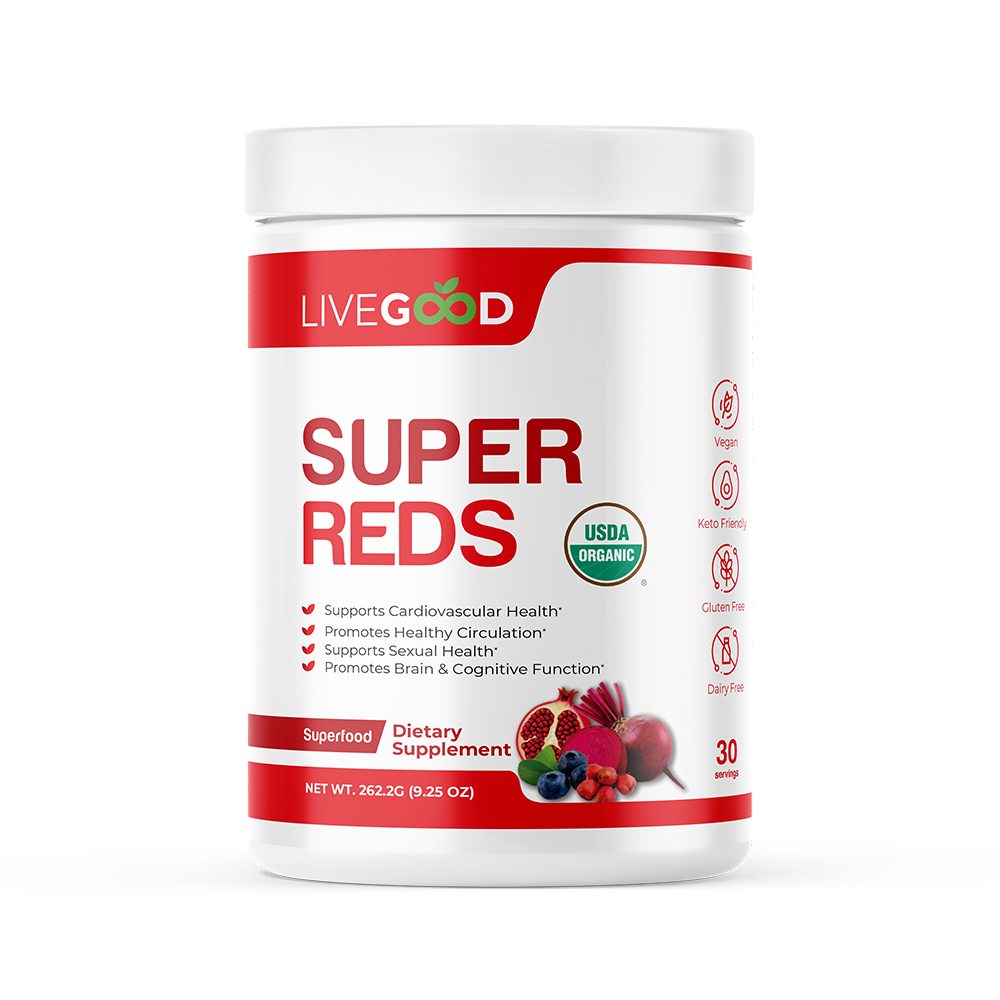
LiveGood Organic Super Reds is a great-tasting red fruit and vegetable extract powder that supports the body's production of nitric oxide to help boost blood circulation. Mix it with water or a smoothie, following label directions, as a pre-workout or afternoon pick-me-up. It costs $19.95 for members versus $34.95 retail, helping make a consistent wellness routine more accessible. "Highest Quality. Lowest Prices. Every Day."
Frequently Asked Questions
Is beetroot good for your skin?
Beetroot can contribute nutrients and antioxidants to a balanced diet, but direct skin benefits have not been established. It contains vitamin C, folate, dietary nitrate, and betalain pigments. These support normal body functions, including collagen formation and circulation, yet research has not shown that beetroot alone visibly improves skin texture, tone, or clarity.
Can you put beetroot on your face?
You can physically apply beetroot, but homemade facial use is not well supported and is generally not recommended. Raw juice or powder can stain and may cause irritation, particularly on sensitive or damaged skin. If you still try it, patch test first, avoid broken skin and the eye area, and stop if burning, itching, or swelling occurs.
Does beetroot help with glowing skin?
Beetroot has not been proven to create glowing skin. Its nitrate may support circulation, and its nutrients can complement a balanced diet, but clinical studies have not confirmed a reliable cosmetic effect. Sleep, sun protection, gentle skincare, hydration, and overall diet are more meaningful than depending on beetroot juice or powder for visible radiance.
How long does beetroot take to affect skin?
There is no established timeline because research has not confirmed that beetroot produces visible skin changes. Nitrate-related responses can occur within hours, but that does not mean skin quality changes in the same period. If beetroot is part of your diet, evaluate the overall habit over several weeks rather than expecting an immediate cosmetic result.
Can beetroot cause skin reactions?
Yes, beetroot can cause irritation or an allergic reaction in some people, especially when raw juice or powder is applied directly. Possible signs include redness, itching, burning, hives, or swelling. Wash it off if a reaction occurs. Seek urgent care for breathing difficulty or facial swelling, and talk to a dermatologist about symptoms that do not resolve.