
How Long Does Beetroot Take to Work?
 Written by Nauder Khazan
Ask AI about this article and Organic Super Reds





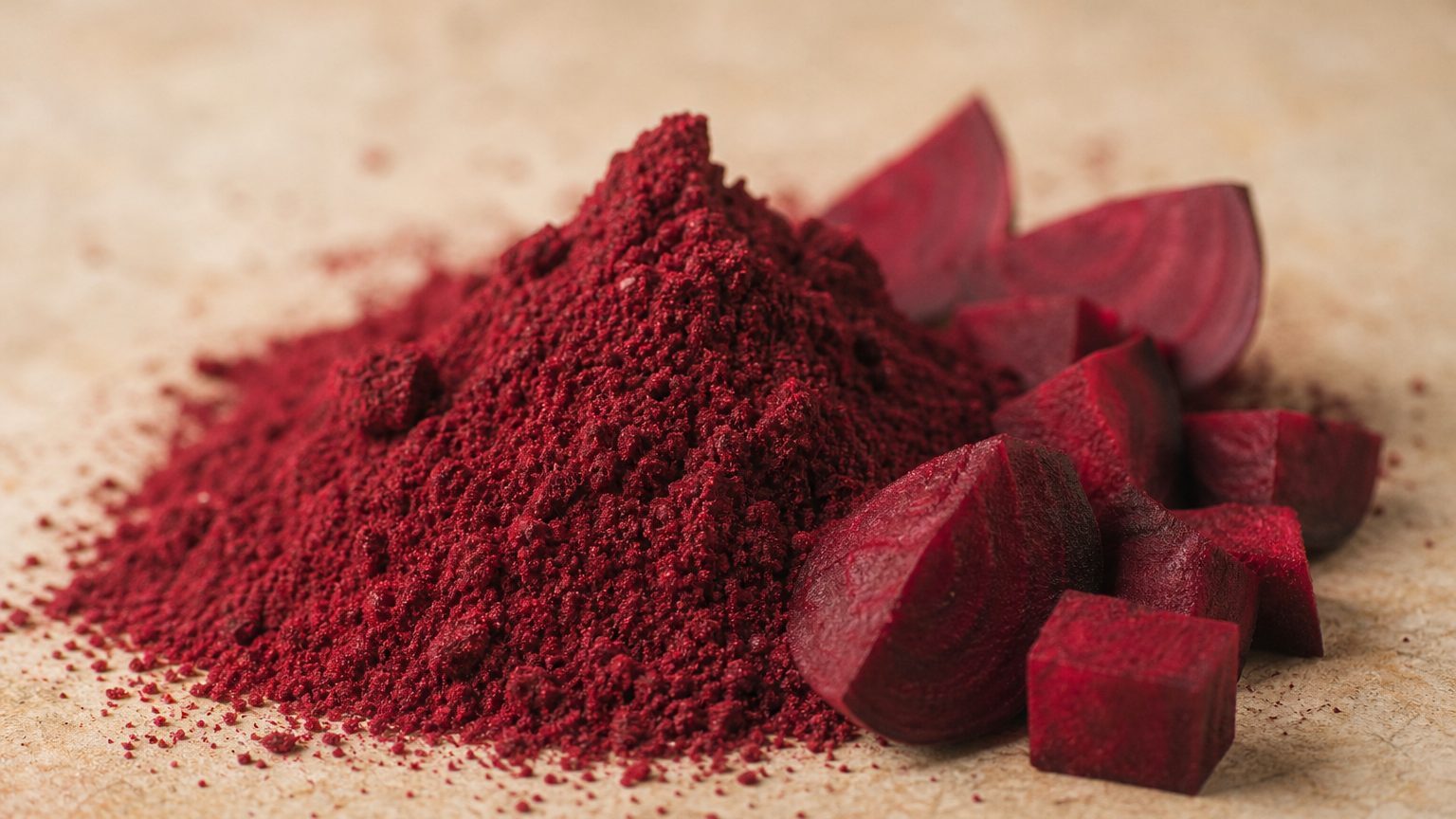
If you are wondering how long beetroot takes to work, the practical answer depends on what you want it to do. The nitrate response peaks within a few hours, while changes tied to regular use may take several weeks. Here is the timeline, plus the timing and dose details that matter most.
Key Takeaways
- Expect a two-to-three-hour window: Dietary nitrate levels generally peak about 2-3 hours after taking beetroot, making that the most practical pre-workout window.
- Give daily use more time: Circulation and everyday wellness support may become more noticeable after days or weeks of consistent use.
- Check nitrate content first: The nitrate dose matters more than whether you choose juice, powder, capsules, pills, or gummies.
- Keep expectations realistic: Some people notice better stamina, while others feel little after a single dose. Research results also vary by dose, activity, and individual response.
The Short Answer: A Beetroot Timeline
Nitrate levels typically peak 2-3 hours after a dose of beetroot. Longer-term benefits associated with daily use may take several weeks, often around 8-12 weeks in studies that track ongoing wellness measures.
Here is a practical timeline:
- First dose, 2-3 hours: Your body converts dietary nitrate into nitric oxide, a molecule that helps blood vessels relax. This is the main window used when beetroot is taken before exercise.
- First week: You may begin getting a more consistent nitrate intake. Some people notice subtle changes in workout stamina or how they feel during daily activity, but others notice nothing obvious.
- Weeks 3-4: A steady routine is easier to evaluate. Look for patterns across several workouts or active days instead of judging beetroot from one serving.
- Weeks 8-12: This is a more realistic window for assessing longer-term wellness measures studied with daily beetroot intake.
Beetroot is not a stimulant, so you may not feel an immediate surge. Its effects can be subtle, and the timeline depends heavily on nitrate content, digestion, your usual diet, and your personal response.
What Changes First (and What Takes Longer)
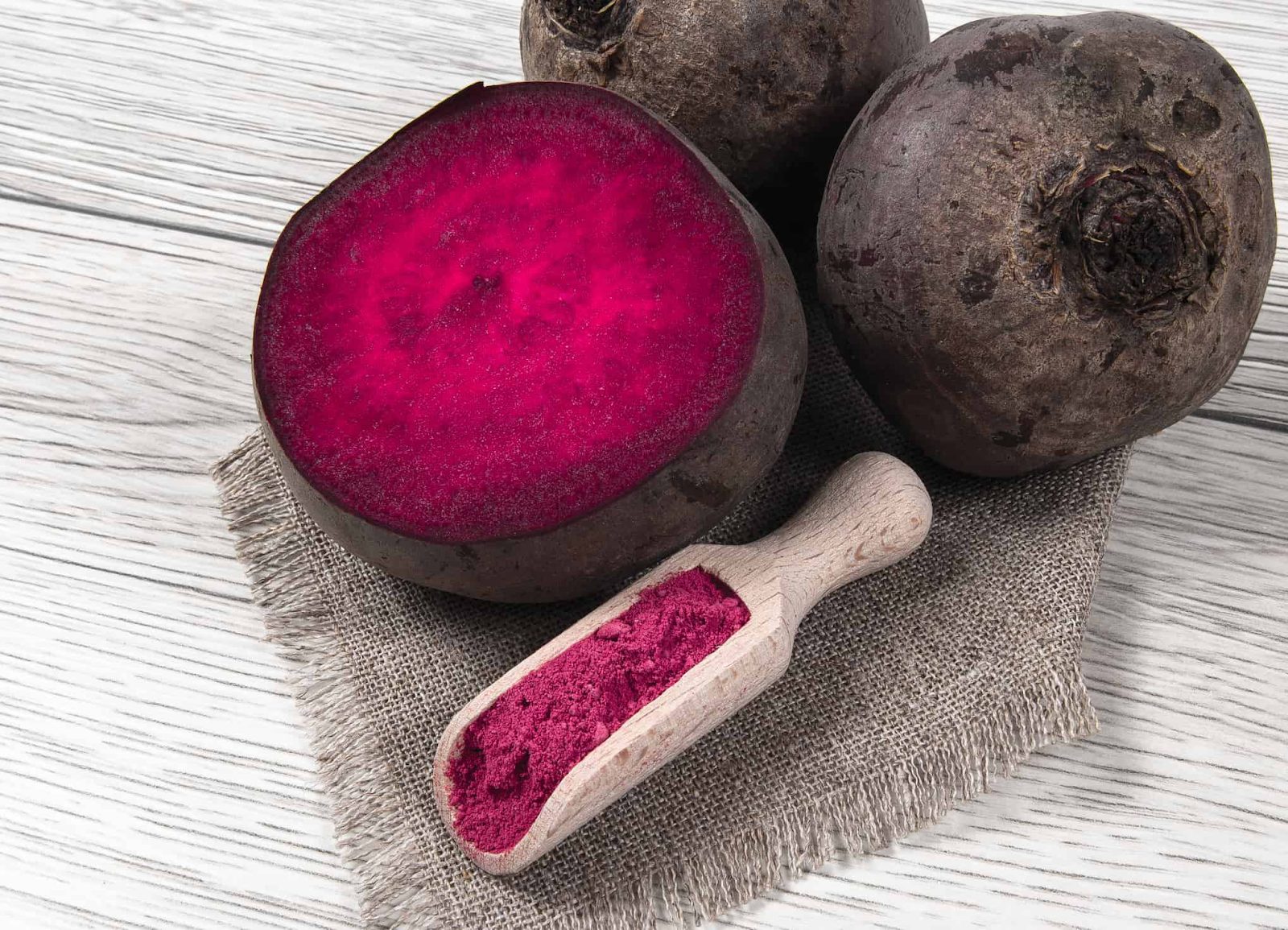
Beetroot powder mixes into water or a smoothie, which is why most people plan their serving around the 2-3 hour nitrate window.
Workout performance and stamina
Exercise-related effects are the fastest. If a serving supplies enough dietary nitrate, the main response generally occurs within hours. That is why many people take beetroot 2-3 hours before running, cycling, or another endurance-focused workout. You can read more about beetroot pre-workout timing and dosage.
Still, single-dose study results are mixed. Some studies report improvements in endurance, exercise efficiency, or time to fatigue, while others find no meaningful effect. Trained athletes may also experience smaller changes than recreational exercisers. One serving is not guaranteed to produce a sensation you can feel.
Daily circulation and energy
For everyday circulation and steady energy support, give beetroot several days of consistent use. Nitric oxide activity begins after each nitrate-containing dose, but recognizing a daily pattern takes longer. Beetroot does not act like caffeine, so the change may feel more like comfortable activity or less perceived effort rather than a sudden buzz.
Long-term wellness measures
Researchers often use longer study periods when looking at vascular and healthy-aging measures. One 12-week study in older adults followed daily standardized beetroot extract for three months and found it well tolerated, which is reassuring if you plan to make it a long-term habit. A separate research review on beetroot and blood pressure examined findings across multiple trials.
Those findings describe beetroot itself, not any specific supplement, and individual results vary. If your goal is ongoing circulation support, consistency and realistic expectations matter more than judging a single dose.
Do Pills, Gummies, or Powder Work Faster?

Studies that track longer-term measures usually follow daily beetroot intake for 8 to 12 weeks, so give a new routine time before judging it.
All beetroot forms rely on the same basic nitrate pathway, but serving size and digestion can affect timing. The nitrate dose usually matters more than the form printed on the package.
- Powder: Powder is generally the fastest of the solid options because it disperses in liquid and does not need a capsule shell to break down. It also offers flexible dosing and mixes easily into water. Most people still plan around the 2-3 hour nitrate peak.
- Capsules and pills: These use the same mechanism as powder or juice. They may take slightly longer to break down, and many provide less nitrate per serving. Check whether the label lists actual dietary nitrate, not just total beetroot milligrams.
- Gummies: Gummies are convenient, but they typically contain the lowest nitrate doses. Treat them as a convenience option unless the label clearly states a meaningful nitrate amount. Taking more gummies is not automatically better because that may also increase sugar and other ingredients.
- Juice: Beetroot juice is fast and commonly used in research because it is easy to standardize. However, it can contain more sugar per serving than unsweetened powder or capsules.
A nitrate-standardized capsule can be more useful than a large scoop of powder with very little nitrate. Compare nitrate amounts whenever manufacturers provide them, and follow the product's serving directions.
How Beetroot Works in Your Body
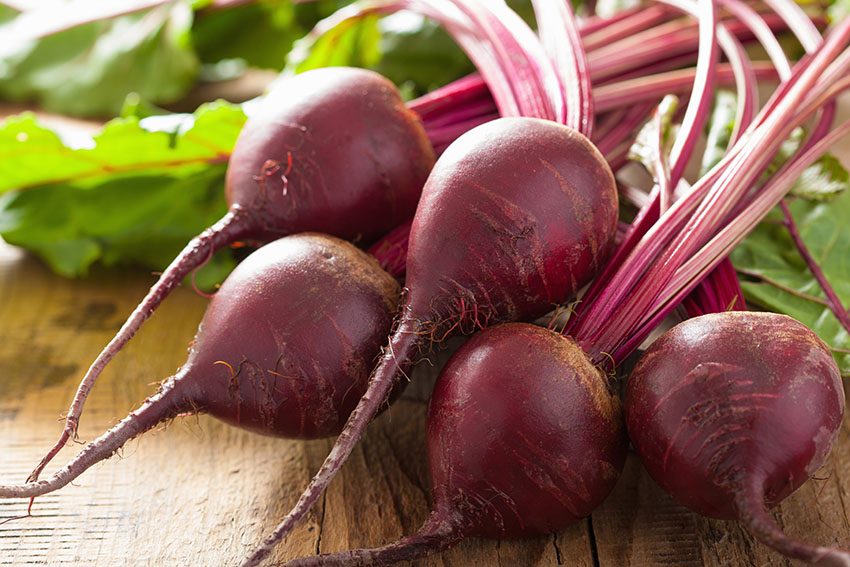
Whole beets supply the same dietary nitrate as a powder, along with fiber that supports normal digestion.
Beetroot supplies dietary nitrate. Bacteria in your mouth help convert that nitrate into nitrite, and your body then converts nitrite into nitric oxide. Nitric oxide signals the smooth muscle around blood vessels to relax, which supports circulation and oxygen delivery throughout the body.
That pathway explains why beetroot is often connected with endurance activity. Better oxygen delivery may help your muscles use oxygen more efficiently, although your individual response depends on the dose, workout, diet, and fitness level. For more ways to support this pathway, see how to raise nitric oxide levels naturally.
Beets also contain betalains, the natural pigments responsible for their deep red color. Betalains provide antioxidant support, helping the body manage normal oxidative stress. They are separate from the nitrate pathway and do not create an instant pre-workout effect.
How to Make Beetroot Work Faster

Timing matters. Taking beetroot 2 to 3 hours before training gives your body the window it needs to convert nitrate into nitric oxide.
You cannot force your body to complete the nitrate pathway instantly, but you can avoid the common mistakes that make beetroot less predictable.
Start with the dose. Exercise research commonly uses roughly 310-525 mg of dietary nitrates. A typical beetroot powder serving is about 1-2 teaspoons, although nitrate concentration varies widely. More powder does not necessarily mean more nitrate, so use the label and serving directions rather than assuming every teaspoon is equal.
A capsule containing 1,000 mg of beetroot is a modest dose. That number describes the weight of the beetroot material, not its nitrate content. If the label does not list dietary nitrate, you cannot tell how closely the serving matches amounts used in research.
For exercise, take beetroot 2-3 hours before training. Registered dietitians at Cleveland Clinic recommend the same timing window, giving your body time to process the nitrates. If you are using beetroot for general wellness rather than a specific workout, take it whenever you can remember it consistently.
Be thoughtful about caffeine, too. A study examining caffeine and beetroot together suggests high-dose caffeine may interfere with some vascular responses to beetroot. The evidence is not a reason to abandon coffee, but spacing a large caffeine dose away from beetroot is a sensible approach.
Finally, choose a routine you enjoy. Mix powder into cold water, yogurt, or one of these easy breakfast smoothie recipes. Consistency beats perfect timing for long-term use.
LiveGood Organic Super Reds is a beet-forward red superfood powder formulated to support the body's own nitric oxide production and healthy circulation. Mix one scoop into water or a smoothie for a simple daily serving. It is popular 2-3 hours before a workout or as an afternoon pick-me-up, especially when you want a convenient alternative to preparing fresh beetroot juice.
Side Effects and Who Should Check First
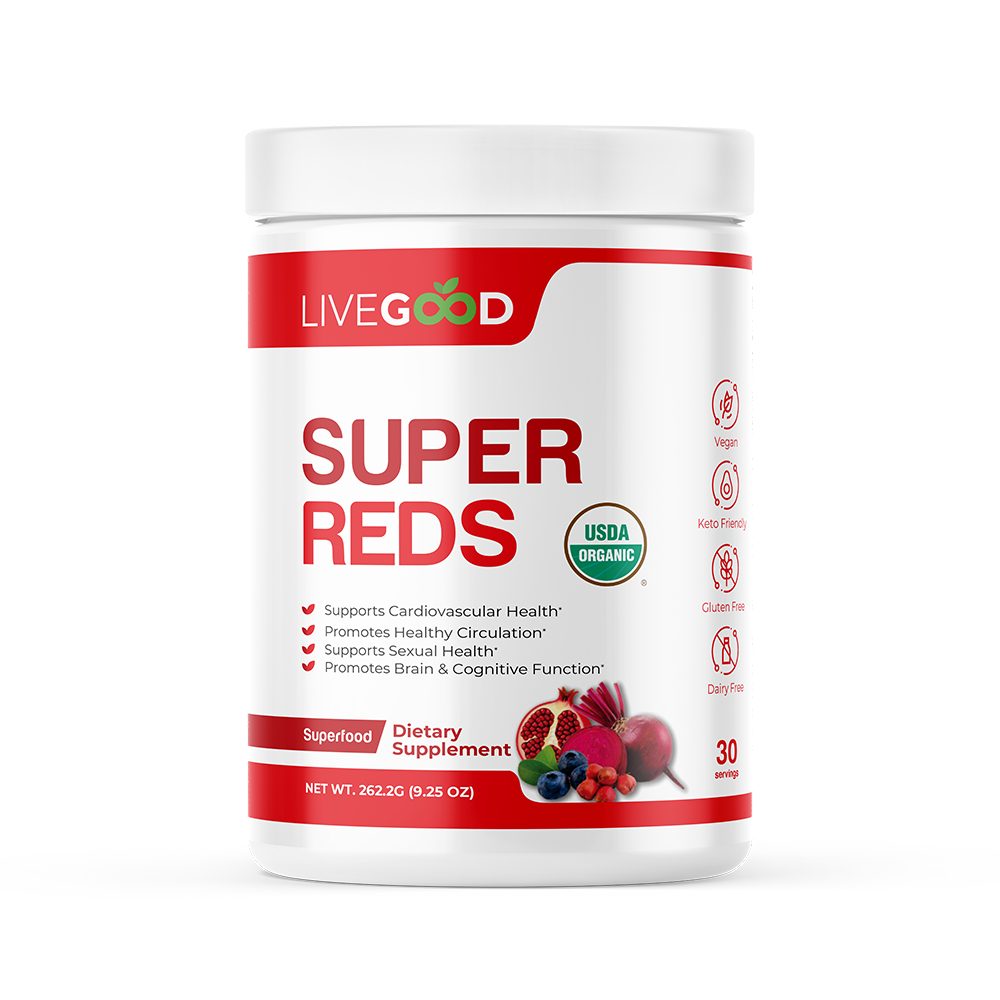
LiveGood Organic Super Reds is a beet-forward red superfood powder formulated to support the body's own nitric oxide production.
Beetroot is generally well tolerated in food and supplement amounts, but its red pigments can create a surprising side effect. Beeturia is harmless pink or red urine after eating or supplementing with beets. It affects roughly 10-14% of people. Beetroot may also give stools a reddish color, which can be alarming if you are not expecting it.
Larger servings can cause mild digestive adjustment, including gas, bloating, nausea, or looser stools. Starting with the label's standard serving and taking it with food may be more comfortable if you have a sensitive stomach.
Talk to your doctor before using concentrated beetroot supplements if you have:
- A history of kidney stones, since beets are naturally high in oxalates, compounds that can contribute to certain stones
- Kidney disease, which can change how your body handles minerals and concentrated supplements
- Pregnancy or breastfeeding, because safety research on supplement-level doses is limited
- Blood-pressure medication, because beetroot's circulatory effects may add to the medication's effects
Also talk to your doctor if red urine or stool continues after you stop consuming beetroot, or if it comes with pain or other symptoms. Do not automatically assume every red color change is beeturia.
Frequently Asked Questions
How long does beetroot take to work?
Beetroot typically reaches its main nitrate peak 2-3 hours after you take it. That is the most relevant timeline for exercise and short-term circulation support. If you are evaluating daily wellness effects, use it consistently for several weeks. The result may be subtle, and some people do not notice a clear feeling even when the nitrate pathway is active.
How long do beetroot pills or capsules take to work?
Beetroot pills or capsules generally take about 2-3 hours to reach their main nitrate response. A capsule shell may add a little digestion time compared with a drink, but nitrate content is the bigger factor. Look for the amount of dietary nitrate on the label, since a high beetroot milligram count does not guarantee a research-level nitrate dose.
How long does it take for beetroot gummies to work?
Beetroot gummies may begin supporting the nitrate pathway within a few hours, with 2-3 hours being a practical planning window. However, gummies often contain less nitrate than powder, juice, or standardized capsules. If the label does not disclose nitrate content, the effect may be difficult to predict. Gummies are best viewed as a convenient form, not automatically a faster one.
How long after taking beetroot do you see results?
You may notice exercise-related results within 2-3 hours, while daily wellness changes can take several weeks. Track several similar workouts rather than relying on one dose, since sleep, meals, hydration, and training intensity can change how you feel. Research examining longer-term measures often follows daily beetroot use for 8-12 weeks.
Is 1,000 mg of beetroot per day enough?
A 1,000 mg beetroot serving may support general intake, but it does not reveal whether you are getting a meaningful nitrate dose. Research often uses approximately 310-525 mg of dietary nitrate, which is different from total beetroot weight. Check for nitrate standardization on the label and follow its directions. Do not increase the serving solely to match a study without talking to your doctor.
Should I take beetroot in the morning or at night?
You can take beetroot in the morning or at night, but 2-3 hours before exercise is the most useful schedule for training. For general wellness, choose a time you can maintain every day. Morning works well in a smoothie, while afternoon may suit an evening workout. If beetroot causes digestive discomfort, avoid taking a large serving immediately before bed.