
Beetroot and Hair: Sorting Claims From Evidence
 Written by Ben Glinsky
Ask AI about this article and Organic Super Reds





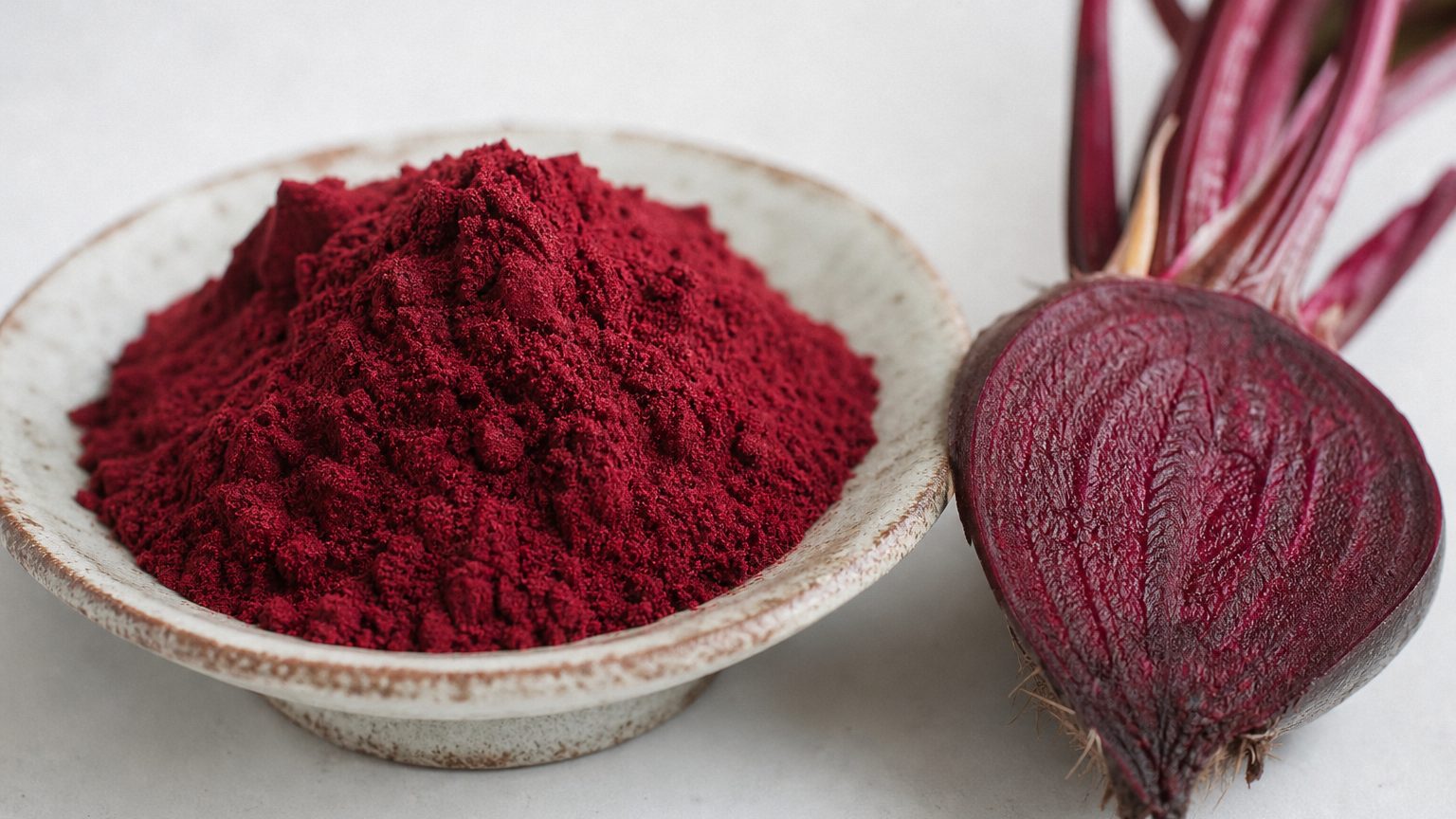
Beetroot is nutritious, but there is essentially no clinical evidence that eating it, drinking its juice, or applying it to your scalp promotes hair growth. Most claims come from theories about circulation and nutrients, not hair trials. Here is what the evidence does show, plus the hair-loss factors worth checking.
Key Takeaways
- Direct evidence is missing: Beetroot has not been shown in clinical trials to make hair grow or stop hair loss.
- Circulation claims are indirect: Beetroot can support nitric oxide production, but that does not establish a benefit for hair follicles.
- Hair loss has many causes: Genetics, hormones, illness, stress, medications, nutrition, and hair practices can all matter.
- Ferritin can be tested: Low iron stores are a recognized and testable contributor to hair shedding in some people.
- Topical beetroot can stain: Its pigments may temporarily color hair, skin, towels, and bathroom surfaces, and they can irritate sensitive skin.
What the Claims Are Based On
Most beetroot and hair claims begin with a real fact, then make an unsupported jump. Beetroot contains dietary nitrate. Your body can convert nitrate into nitric oxide, a molecule that helps blood vessels relax and supports circulation. From there, people often assume that more blood flow to the scalp must produce faster or thicker hair growth.
That conclusion has not been demonstrated. Hair follicles already receive blood through a network of small vessels. Improving a general circulation measurement does not automatically change follicle activity, reverse genetic hair loss, or extend the hair-growth phase.
Beetroot also supplies folate, potassium, manganese, plant compounds, and a modest amount of iron. These nutrients contribute to general health, but a food containing nutrients is not the same as evidence that it changes hair growth. Nutrients usually help hair when they correct a genuine deficiency. Taking more than you need does not necessarily produce more hair.
Beetroot contains nutrients and nitrate, but its nutritional profile does not prove a direct effect on hair growth.
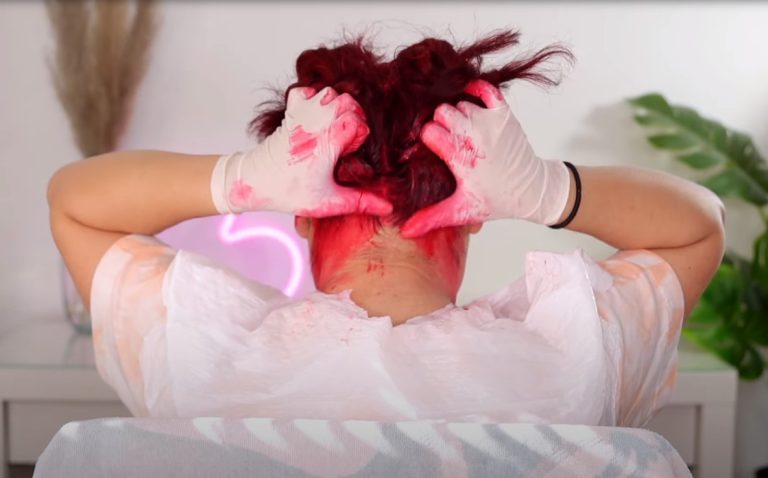
Another source of confusion is beetroot's deep red pigment. Betalains are the compounds that give beets their color. They can coat or stain hair, creating a temporary red or purple tint. That visible change may make hair look different, but it does not show that the roots are stronger or that new strands are growing.
This distinction matters whether you use fresh beetroot, juice, or powder. Beetroot can fit into a balanced diet, and nitrate-rich products may support healthy circulation. Neither fact proves a hair-growth effect.
Why There Is No Direct Evidence
Direct evidence would require well-designed human trials that give people beetroot or a standardized beetroot product, compare it with a control, and measure hair outcomes over time. Useful outcomes might include hairs per square centimeter, strand thickness, shedding counts, or photographs assessed under consistent conditions.
Those trials are essentially absent for beetroot and hair growth. Research on beetroot has focused mainly on dietary nitrate, exercise, and circulation-related measurements. Those findings cannot simply be transferred to the scalp. A study showing a change in nitric oxide or exercise performance is not a study showing new hair growth.
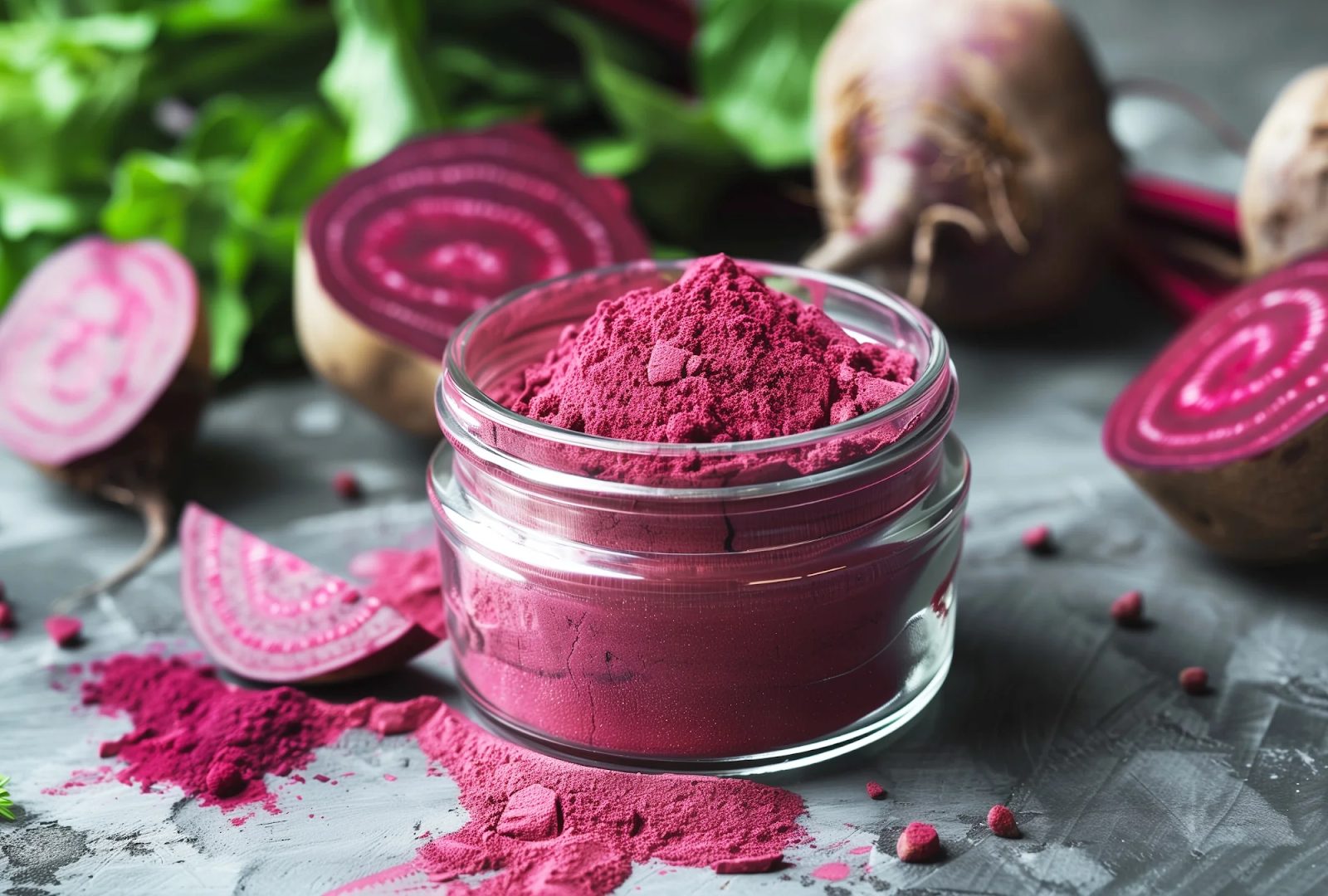
Research on beetroot and circulation should not be mistaken for clinical evidence about hair follicles.
Hair research also takes time. Scalp hair grows in cycles, and meaningful changes usually need to be tracked for several months. Before-and-after stories, social media videos, and personal testimonials cannot separate a product effect from normal cycling, styling changes, lighting, or recovery from temporary shedding.
A lack of trials does not prove beetroot could never affect hair. It means there is no reliable basis for promising that it will. There is also no evidence-based method for using beetroot powder for hair growth, whether mixed into a drink or applied as a mask. No hair-specific dose, schedule, or treatment period has been established.
If you take beetroot for general nutrition or workout support, judge it by those goals rather than by hair claims. Timing for nitrate-related effects is discussed in our guide to how long beetroot powder takes to work. Follow the product label, and talk to your doctor before using supplements if you take prescription medication, are pregnant or breastfeeding, or have kidney, liver, or other medical conditions.
What Actually Affects Hair Growth
Hair grows in a repeating cycle. During the growth phase, a follicle produces a strand. It then enters short transition and resting phases before the strand sheds. Changes in health, hormones, medications, or stress can push more follicles into the resting phase, although the shedding may not appear until two or three months later.
Genetic pattern hair loss is one of the most common causes. It is influenced by inherited sensitivity to androgens, a group of hormones present in all adults. Other causes include thyroid disease, iron deficiency, autoimmune alopecia, major illness, rapid dietary restriction, childbirth, certain medications, and ongoing psychological or physical stress.
Hair moves through growth, transition, resting, and shedding phases over time.
Hair care matters too. Tight braids, extensions, repeated high heat, chemical processing, and rough handling can contribute to breakage or traction. Traction means repeated pulling on the follicles. Breakage makes hair look thinner, but it differs from shedding a full strand from the root.
Look at the pattern and timing rather than immediately reaching for a supplement. Consider whether the change is sudden or gradual, whether it is patchy or spread across the scalp, and whether you have itching, scaling, pain, or redness. Think back several months for illness, surgery, dietary changes, new prescriptions, or major stress.
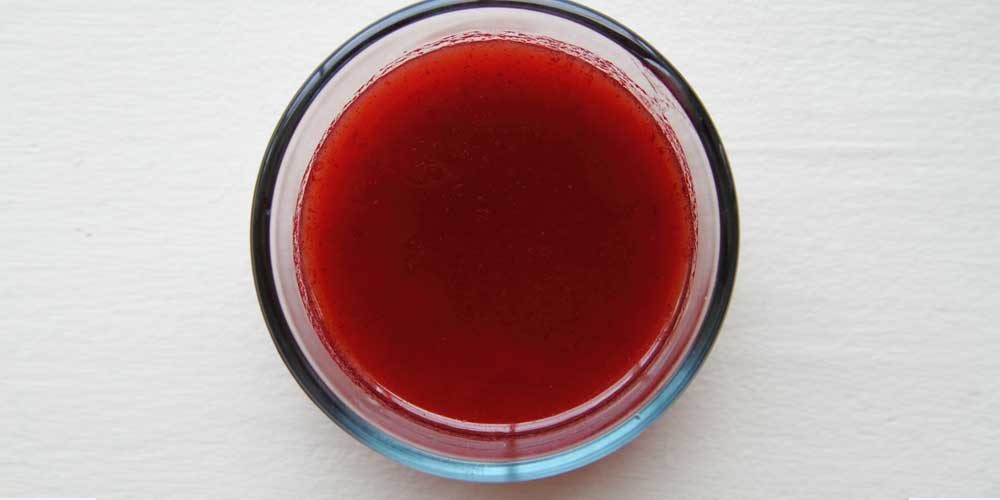
The pattern and timing of hair changes can help a clinician narrow down possible causes.
Talk to your doctor or a dermatologist if hair loss is sudden, patchy, persistent, or accompanied by scalp symptoms. Medical evaluation is also appropriate if you have fatigue, menstrual changes, unexpected weight changes, or other new symptoms. A clinician can review your history, examine your scalp, and order targeted tests instead of guessing. That approach is more useful than assuming one food or powder will address every possible cause.
The Iron and Ferritin Question
Iron is a real part of the hair-loss conversation, but it needs to be handled carefully. Your body uses iron to make hemoglobin, the protein in red blood cells that carries oxygen. Ferritin is a protein that stores iron. A ferritin blood test gives your doctor information about your stored iron, even before severe anemia is present.
Low iron stores are associated with diffuse shedding in some people, especially those who menstruate, are pregnant, donate blood frequently, follow a restrictive diet, or have digestive conditions that reduce nutrient absorption. Diffuse shedding means hair seems to come out from across the scalp rather than from one defined patch. Researchers and clinicians do not agree on one ferritin cutoff that guarantees a hair response, so results need to be interpreted alongside symptoms and other laboratory tests.
A ferritin blood test helps assess stored iron when deficiency may be contributing to shedding.
Beetroot contains some iron, but it is not a concentrated treatment for iron deficiency. Its iron is non-heme iron, the form found in plants, which the body generally absorbs less efficiently than heme iron from animal foods. Beetroot juice or powder should not replace testing or a clinician's treatment plan.
Do not start high-dose iron because your hair is shedding. Excess iron can cause digestive problems and may accumulate to harmful levels. A doctor may check ferritin, a complete blood count, and sometimes other markers to understand the full picture. Testing may also include thyroid function or other nutrients based on your history. If iron deficiency is found, your doctor can investigate why it developed and recommend an appropriate plan.
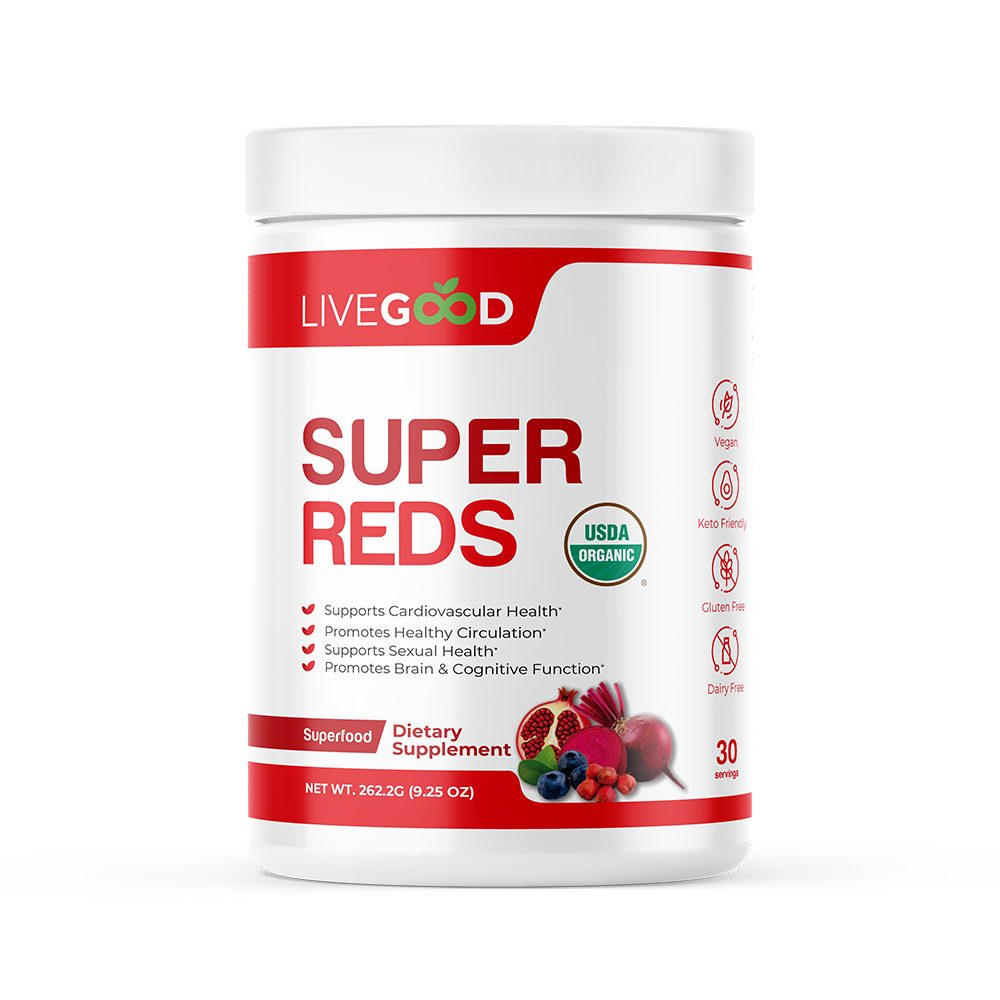
For a convenient red fruit and vegetable powder, LiveGood Organic Super Reds supports the body's production of nitric oxide to promote healthy circulation. It tastes fruity, mixes with water or a smoothie, and is popular before a workout or as an afternoon pick-me-up. Follow the label directions and see how long beetroot powder takes to work. Members pay $19.95, compared with $34.95 retail, helping make everyday wellness more accessible. It is not a hair-loss treatment.
Topical Beetroot and Staining
Applying beetroot to your hair is more likely to change its color than its growth. Betalain pigments can leave a temporary red, pink, or purple tint. The result varies with your starting color, hair porosity, previous chemical processing, mixture strength, and contact time. Porous hair has a more open surface and may hold pigment more readily.
On dark brown or black hair, the tint may be subtle or visible mainly in bright light. On blond, gray, bleached, or highly porous hair, staining may be brighter and less predictable. Beetroot is not a reliable way to cover gray hair, and there is no fixed number of washes that removes it from everyone.
Beetroot pigments can leave an unpredictable temporary tint on hair and stains on skin or fabric.
The pigments can also stain your scalp, hairline, hands, clothing, grout, towels, and countertops. Wear gloves and protect nearby surfaces if you decide to experiment. Test the mixture on a hidden hair strand first so you can see the color and how readily it rinses out.
Natural does not mean irritation-free. Fresh juice, beetroot powder, or another ingredient in a homemade mask may cause redness, itching, burning, or a rash. Before wider use, place a small amount of the finished mixture on a limited area of skin and wait to see whether a reaction develops. A patch test reduces uncertainty, but it cannot guarantee that your entire scalp will tolerate the product.
Do not apply beetroot to broken, inflamed, or infected skin. Keep it away from your eyes, and rinse promptly if you feel burning or significant discomfort. Stop using it if irritation develops. Seek medical care for swelling, trouble breathing, a severe rash, or symptoms that do not settle. Most importantly, treat topical beetroot as an optional temporary color experiment, not as a method for addressing hair loss.
Frequently Asked Questions
Is beetroot good for hair growth?
Beetroot has not been proven to promote hair growth in human clinical trials. It provides nutrients and dietary nitrate, but the idea that these automatically stimulate follicles is theoretical. You can enjoy beetroot as part of a varied diet, but persistent shedding or thinning deserves an evaluation for genetic, hormonal, medical, nutritional, and hair-care causes.
Can beetroot stop hair loss?
No reliable evidence shows that beetroot can stop hair loss. Hair loss may involve genetics, thyroid disease, iron deficiency, autoimmune conditions, medications, illness, stress, or repeated pulling on the hair. Because the right next step depends on the cause, talk to your doctor or a dermatologist about sudden, patchy, worsening, or persistent changes.
Does beetroot juice help hair?
Beetroot juice has no established hair-growth benefit. It contains nitrate and several nutrients, so it can be a food-based part of your routine, but circulation research does not prove an effect on follicles. Juice also cannot be relied on to correct iron deficiency. If low iron is a concern, ask your doctor whether ferritin and other blood tests are appropriate.
Can you put beetroot on your scalp?
You can apply beetroot topically, but it may stain and irritate your scalp rather than improve hair growth. Patch test the finished mixture and try it on a hidden strand first. Wear gloves, protect fabrics and surfaces, avoid broken skin and the eye area, and rinse immediately if you develop burning, significant itching, or redness.
What deficiencies cause hair loss?
Iron deficiency is a recognized contributor to hair shedding, while inadequate protein, zinc, or certain vitamins may also matter in some cases. Biotin deficiency can affect hair, but it is uncommon. More is not always better, and excessive intake of some nutrients can worsen shedding. Ask your doctor about targeted testing before starting high-dose supplements.