
Beetroot Powder for Women: Uses and Evidence
 Written by Ben Glinsky
Ask AI about this article and Organic Super Reds





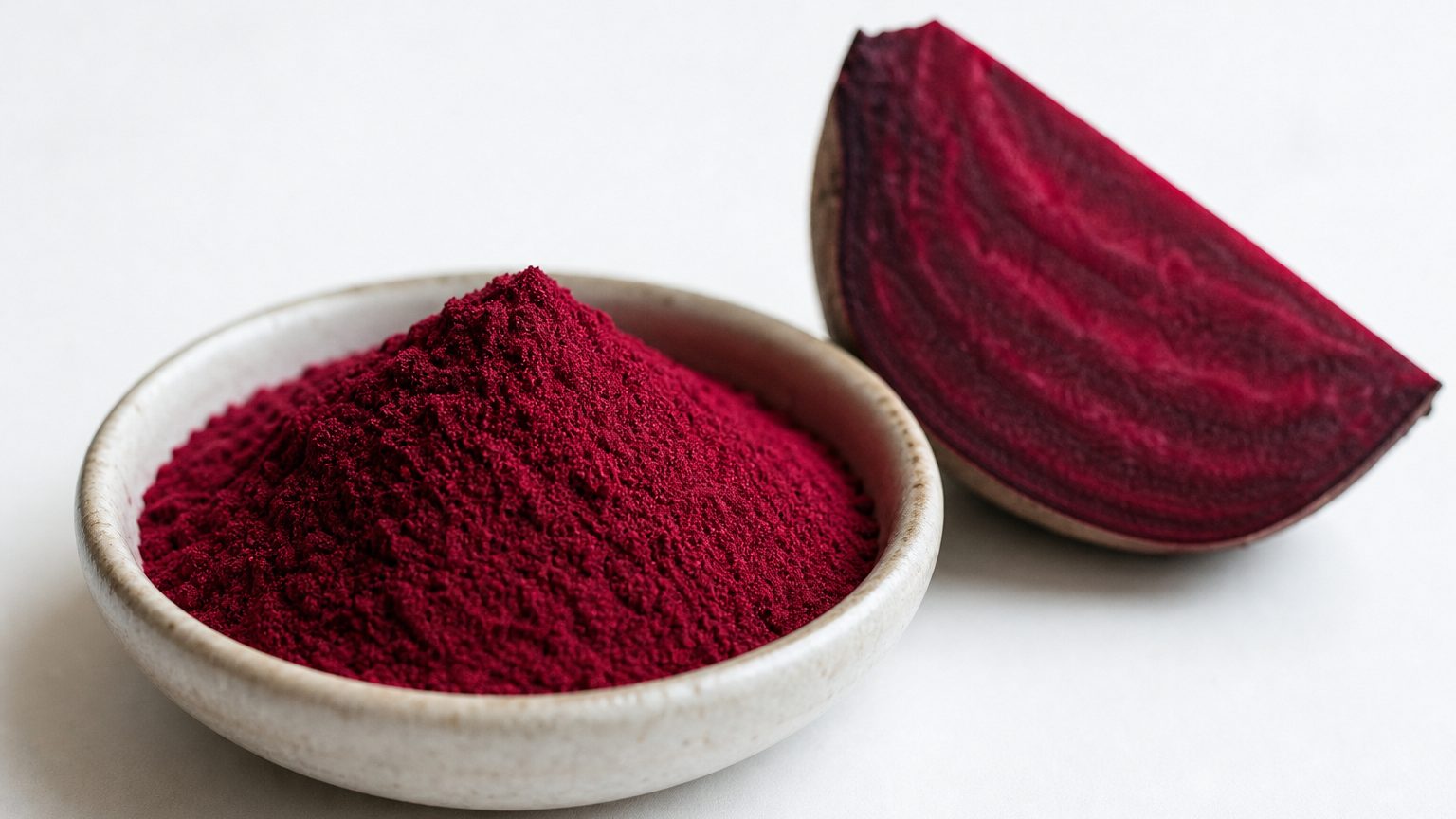
Beetroot powder may support nitric oxide production, circulation and exercise performance, but these effects are not unique to women. The most important women-specific issue is iron: menstrual blood loss can increase iron needs, yet beetroot is not a meaningful way to replace iron. Here is what the research suggests, what it does not show and how to use beetroot powder practically.
Key Takeaways
- Benefits are not female-specific: Research on beetroot generally examines nitrate, circulation and exercise, not effects found only in women.
- Beetroot is not an iron supplement: Women concerned about low iron need a blood test and medical guidance, not more beetroot powder.
- Nitrate may support exercise: Your body converts beetroot nitrate into nitric oxide, which helps blood vessels relax and supports oxygen delivery.
- Pink urine is usually harmless: Beet pigments can temporarily turn urine or stool pink or red.
- The label matters: Follow the product directions and check whether nitrate content is listed, since beetroot powder amounts alone do not predict nitrate intake.
Are the Effects Actually Sex-Specific?
Most proposed beetroot benefits for women come from the same biological pathway studied in men. Beetroot contains dietary nitrate, a natural plant compound that the body can convert into nitric oxide. Nitric oxide is a signaling molecule that helps blood vessels relax and supports normal circulation. This process is not exclusive to one sex.
Women have participated in some beetroot and exercise studies, but many trials include mostly men, small groups or mixed populations. Results are not always reported separately by sex. That makes it difficult to say that women respond differently or receive a unique benefit. Age, fitness, diet, nitrate dose and hormone status may influence individual responses, but those questions still need stronger research.
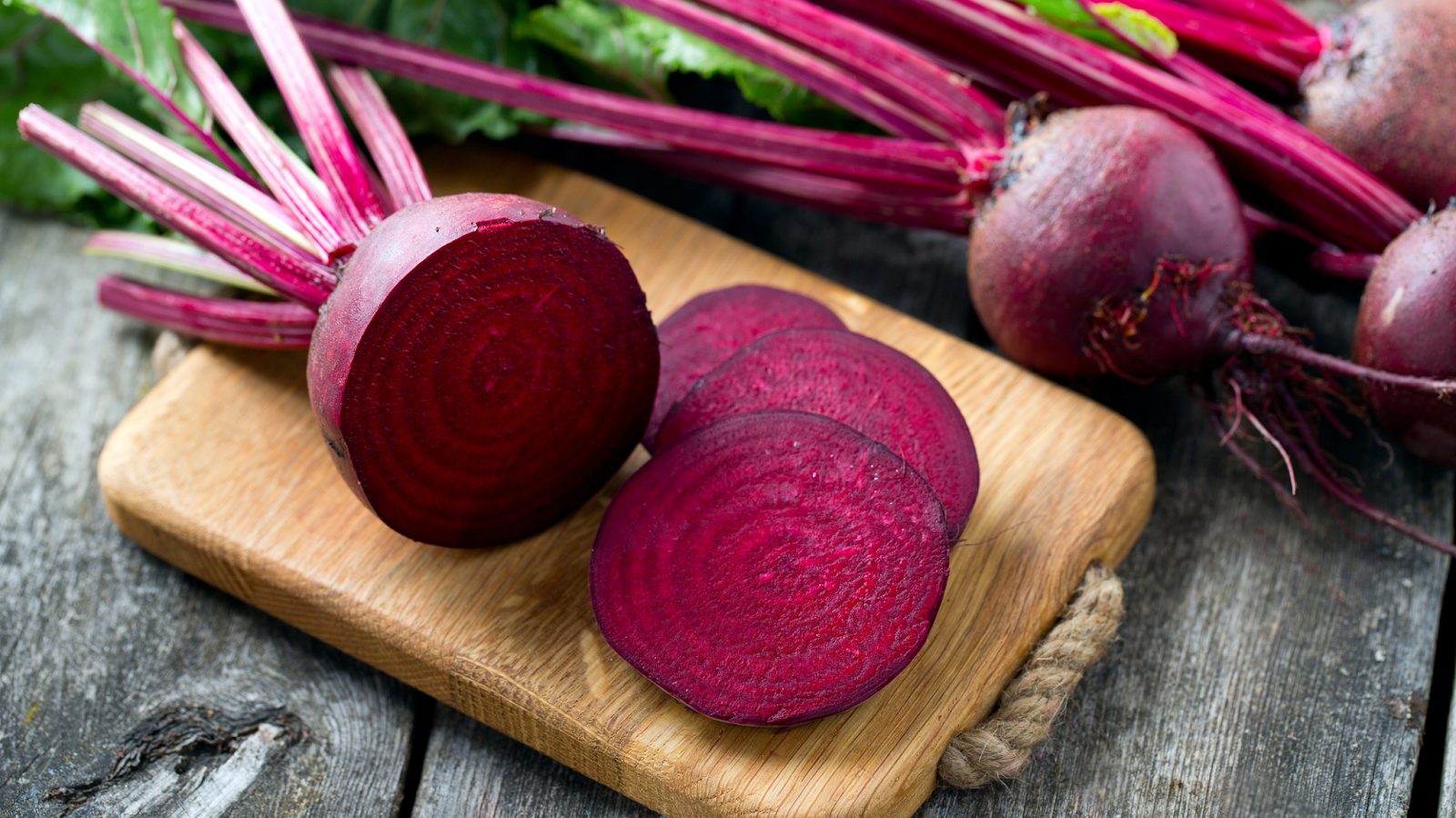
Beetroot's main studied pathway involves dietary nitrate and is not considered unique to women.
You may also see claims that beetroot balances female hormones, raises estrogen, improves fertility or relieves menstrual symptoms. There is not good evidence that beetroot powder directly increases estrogen or regulates reproductive hormones. Beetroot is also not an established fertility treatment. Its nitrate pathway may support general circulation, but that should not be turned into a hormone or reproductive claim.
The practical conclusion is simple. Women can consider beetroot for the same reasons anyone else might, especially as a vegetable-based nitrate source or part of a pre-workout routine. Just keep the expectations focused. Beetroot can complement a balanced diet, but it does not replace medical care, prenatal nutrition or treatment for menstrual and hormonal concerns.
The Iron Myth Worth Correcting
Beetroot is often promoted as an iron-rich food for women. That description is misleading. Fresh beets contain some iron, but not enough to make them a dependable source when your needs are elevated. Powder can be more concentrated than the fresh vegetable, yet its iron content varies by product and serving size. Unless a label lists a meaningful amount, do not assume a red powder provides significant iron.
This matters because menstruation is one reason women and other people who have periods may lose iron. Heavy or prolonged periods can increase that loss. Pregnancy can also change iron requirements. However, neither situation makes beetroot an appropriate substitute for iron-rich foods, a prenatal vitamin recommended by a clinician or a properly selected iron supplement.
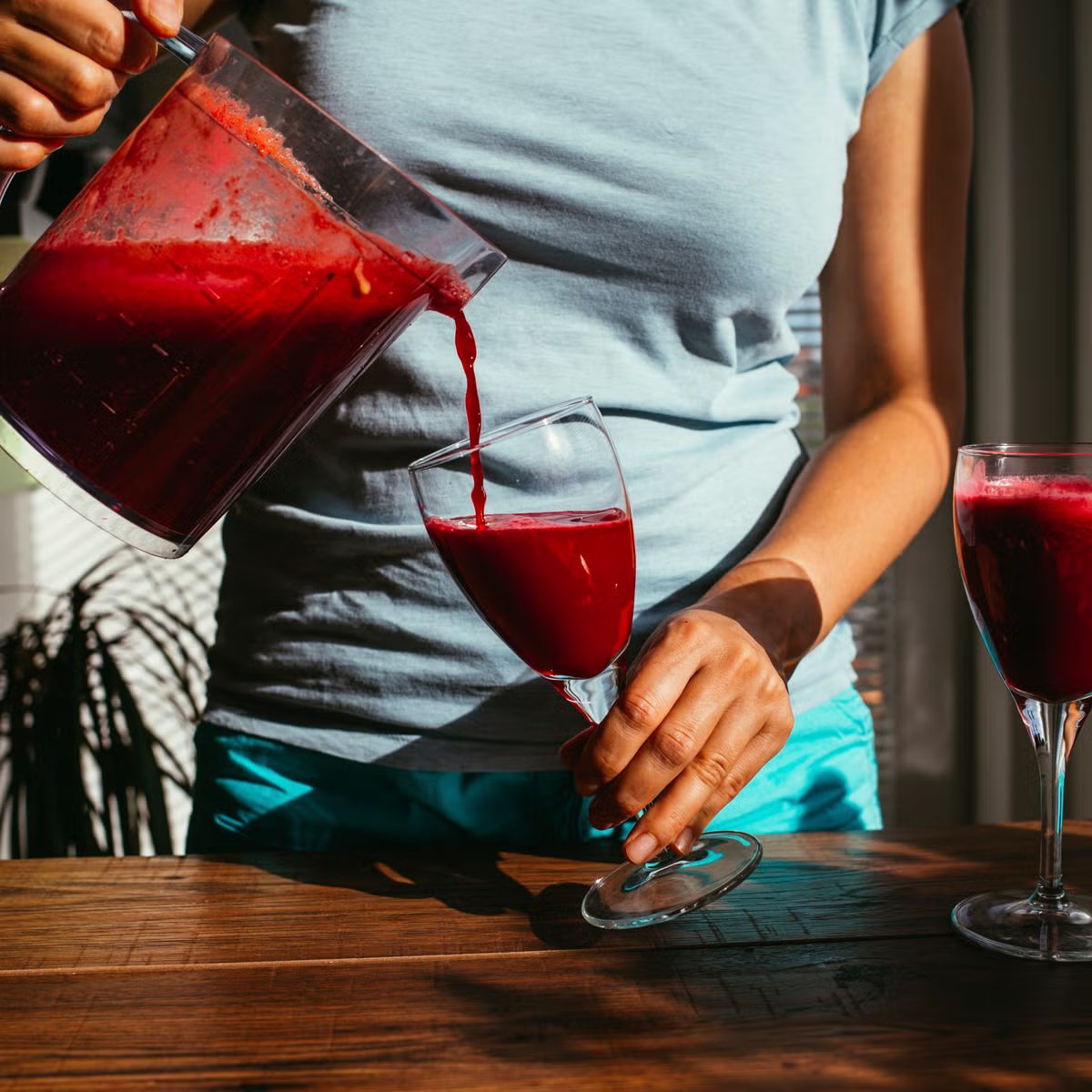
Beetroot's red color comes from plant pigments and does not mean it contains a large amount of iron.
Low iron can cause tiredness, weakness, shortness of breath, headaches, dizziness or difficulty concentrating. Those symptoms have many possible causes. Iron deficiency is a diagnosis that requires a blood test, often including hemoglobin and ferritin. Ferritin is a protein that reflects stored iron. If you have persistent fatigue, heavy periods or reason to suspect low iron, talk to your doctor rather than trying to correct it with beetroot.
Beetroot's deep red color does not indicate a high iron content. The color mainly comes from betalains, a group of plant pigments. Color is not a reliable clue to mineral levels.
You can still enjoy beetroot alongside foods that contribute more iron. Examples include meat, seafood, beans, lentils, tofu and iron-fortified foods. Plant-based iron is absorbed more efficiently when eaten with vitamin C-rich foods, such as peppers, citrus or strawberries. If testing confirms a deficiency, follow your doctor's plan.
Nitrate, Exercise and Everyday Energy
Beetroot's clearest practical use is as a dietary nitrate source. After you consume nitrate, bacteria in your mouth help convert part of it into nitrite. The body then uses nitrite to produce nitric oxide. This molecule helps blood vessels relax and supports blood flow to working muscles.
That mechanism may improve exercise efficiency. In plain language, your muscles may need slightly less oxygen to perform a given amount of work. Some studies report improvements in endurance, time-to-exhaustion tests or repeated high-intensity efforts. Other studies find little or no meaningful change. Trained athletes may experience smaller effects than recreationally active people, and the nitrate amount varies widely among products.

Beetroot nitrate may support exercise efficiency, although individual responses and study results vary.
Beetroot is sometimes described as an energy booster, but that phrase needs context. It is not a stimulant like caffeine, and a small serving of powder does not supply much food energy. You might notice that a workout feels more manageable, but you should not expect a sudden buzz. Sleep, hydration, total calorie intake, training and iron status are often more important explanations for persistent low energy.
Timing may matter more for exercise than for general use. The nitrate response commonly reaches its main window about two to three hours after a serving. Our article on how long beetroot powder takes to work explains the timeline in more detail.
Avoid judging the powder from one unusually good or bad workout. Compare several similar sessions and keep the rest of your routine as consistent as possible. Also avoid antibacterial mouthwash near your serving unless a dentist or doctor has advised it, since oral bacteria participate in the nitrate conversion process.
Beeturia and Other Harmless Surprises
Beetroot can turn urine pink or red. This effect is called beeturia, and it comes from beet pigments passing through the body. It can also give stool a reddish color. The change may appear after fresh beets, juice or powder, and it usually fades after the beetroot has moved through your system.
Beeturia is generally harmless, but red urine should not automatically be blamed on food. Blood in urine can have other causes. If the color appears when you have not eaten beetroot, continues after stopping it or occurs with pain, fever, burning, clots or other concerning symptoms, contact a clinician promptly.

Pink urine or reddish stool can occur after beetroot because of its natural pigments.
Digestive changes are another possibility. A concentrated powder or juice may cause nausea, cramping, gas or loose stool in some people, particularly when introduced quickly. Following the label and mixing the serving thoroughly may make it easier to tolerate. Stop using it if symptoms are persistent or significant.
Beets also contain oxalates. These are natural compounds found in many plant foods. People with a history of certain kidney stones may be advised to limit high-oxalate foods, depending on their medical situation. Talk to your doctor before using a concentrated beetroot product if you have kidney disease, recurrent kidney stones, liver disease or another existing condition.
You should also ask your doctor or pharmacist about beetroot supplements if you take prescription medication, especially medicine that affects blood pressure or circulation. Food-level servings and concentrated powders are not always interchangeable in a medical context.
How to Use It
Beetroot is available as a whole vegetable, juice, concentrated shot, powder, capsule and part of blended red-food formulas. The best form is the one that fits your routine and provides clear label information. Whole beets offer fiber and work well in salads, soups and roasted dishes. Juice and powder are more convenient when your main interest is nitrate before exercise.
For beetroot powder, follow the serving directions on the package rather than copying a dose from a study. Products vary in concentration, and the weight of beetroot powder does not tell you exactly how much nitrate it contains. A label that discloses or standardizes nitrate provides more useful information than a large beetroot milligram number alone.
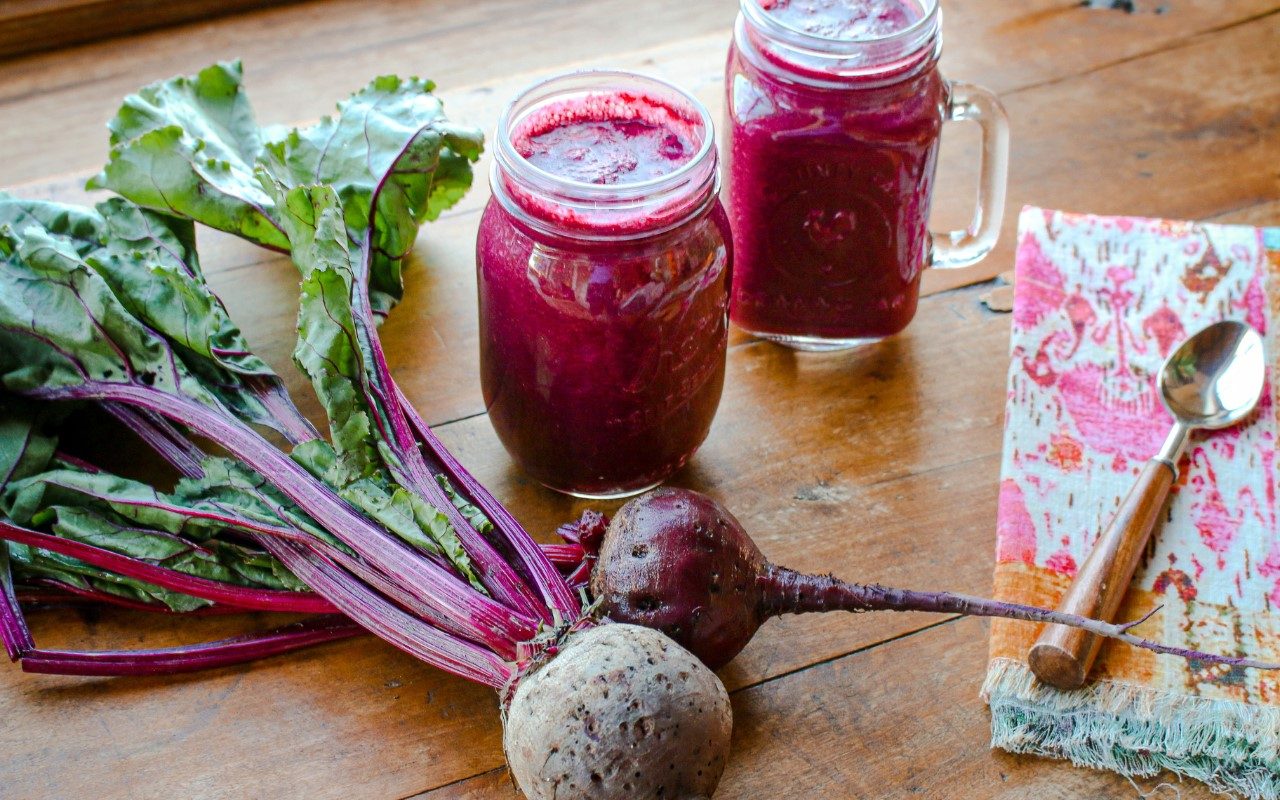
Beetroot powder can be mixed into water or a smoothie according to the product's label directions.
If you use it before training, two to three hours beforehand is a practical window. Mix it with water or add it to a smoothie. For general wellness, timing is less important than choosing a time you can maintain consistently. Start only as directed, and do not take extra because you did not feel an immediate effect.
Store the container as the label instructs and keep the scoop dry. Pairing beetroot with regular meals, adequate hydration, enough sleep and an appropriate exercise plan will matter more than any single supplement.
A consistent routine makes beetroot powder easier to evaluate than changing the serving or timing each day.
Ask your doctor before using beetroot powder if you are pregnant or breastfeeding, take prescription medication, or have kidney, liver or other medical conditions. Pregnancy is not the time to rely on beetroot for iron or folate needs. Your clinician can help you choose prenatal nutrition based on your diet, health history and blood work.
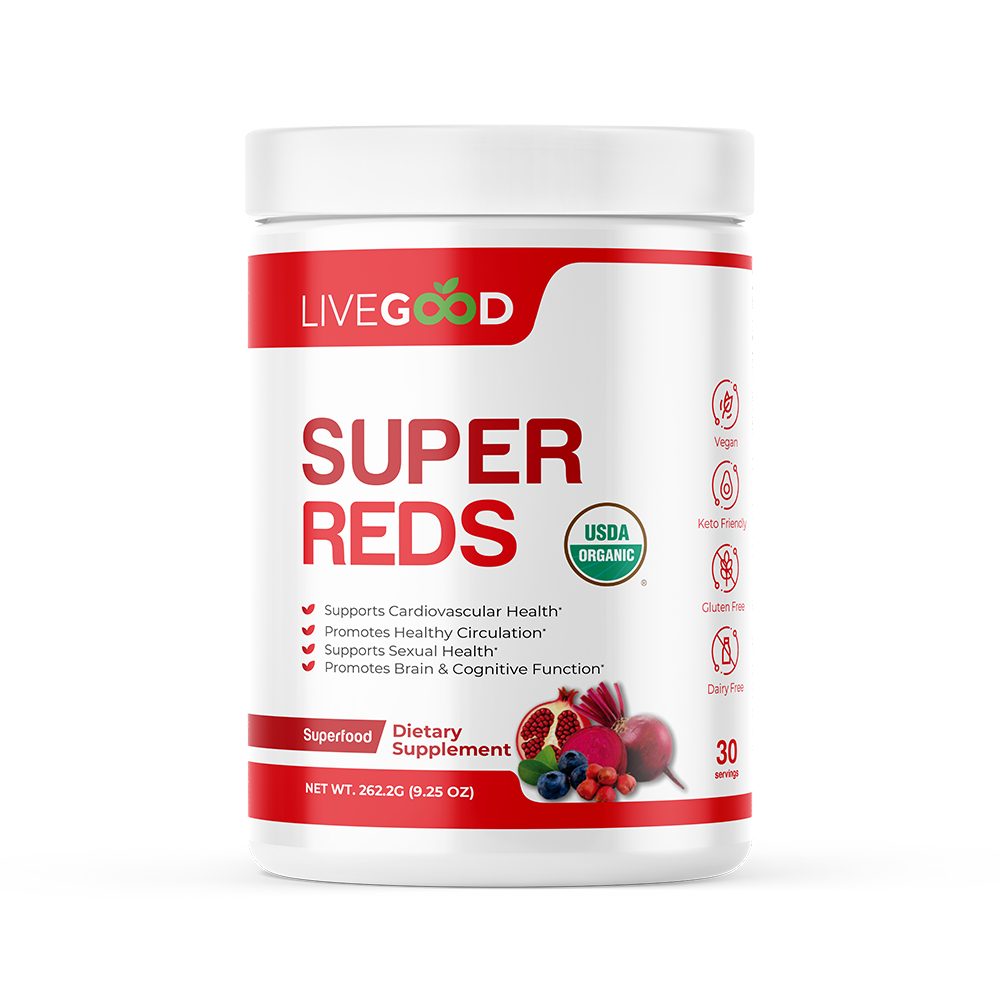
LiveGood Organic Super Reds is a great-tasting red fruit and vegetable extract powder formulated to support the body's production of nitric oxide and healthy blood circulation. Mix it with water or a smoothie, either two to three hours before exercise or as an afternoon pick-me-up. It is $19.95 for members versus $34.95 retail, reflecting LiveGood's goal of making everyday wellness more accessible through membership pricing.
Frequently Asked Questions
What are the benefits of beetroot for women?
Beetroot may support nitric oxide production, healthy circulation and exercise efficiency in women, although these effects are not known to be female-specific. Evidence does not show that beetroot powder balances hormones, increases estrogen or improves fertility. It can be a convenient vegetable-based nitrate source, but it should support, not replace, a balanced diet and appropriate medical care.
Is beetroot high in iron?
No, beetroot is not a meaningful iron source for someone with increased needs or confirmed deficiency. Its red color comes mainly from betalain pigments, not iron. Because menstrual blood loss can affect iron status, ask your doctor about blood testing if you have fatigue, heavy periods or other concerns. Do not use beetroot powder as a replacement for prescribed iron.
Does beetroot help with energy?
Beetroot may help some people exercise more efficiently, but it does not provide a stimulant-like energy rush. Its nitrate can be converted into nitric oxide, supporting blood flow and oxygen delivery during activity. Research results are mixed, and sleep, nutrition, hydration, fitness and iron status can have a much larger effect on how energetic you feel.
Is beetroot safe during pregnancy?
Beetroot as a food can fit many pregnancy diets, but you should talk to your doctor before using beetroot powder or another concentrated supplement. A clinician can consider your medications, blood pressure, kidney health and nutritional needs. Beetroot powder should not replace a recommended prenatal vitamin, iron supplement or individualized pregnancy care.
Why does beetroot turn urine pink?
Beetroot can turn urine pink because its red betalain pigments sometimes pass through the digestive and urinary systems. This harmless effect is known as beeturia, and stool may also look reddish. Seek medical advice if the color persists after you stop eating beetroot, appears without beet consumption or comes with pain, burning, fever, clots or other symptoms.