
Choosing a Collagen Supplement as a Woman
 Written by Nauder Khazan
Ask AI about this article and Collagen Peptides





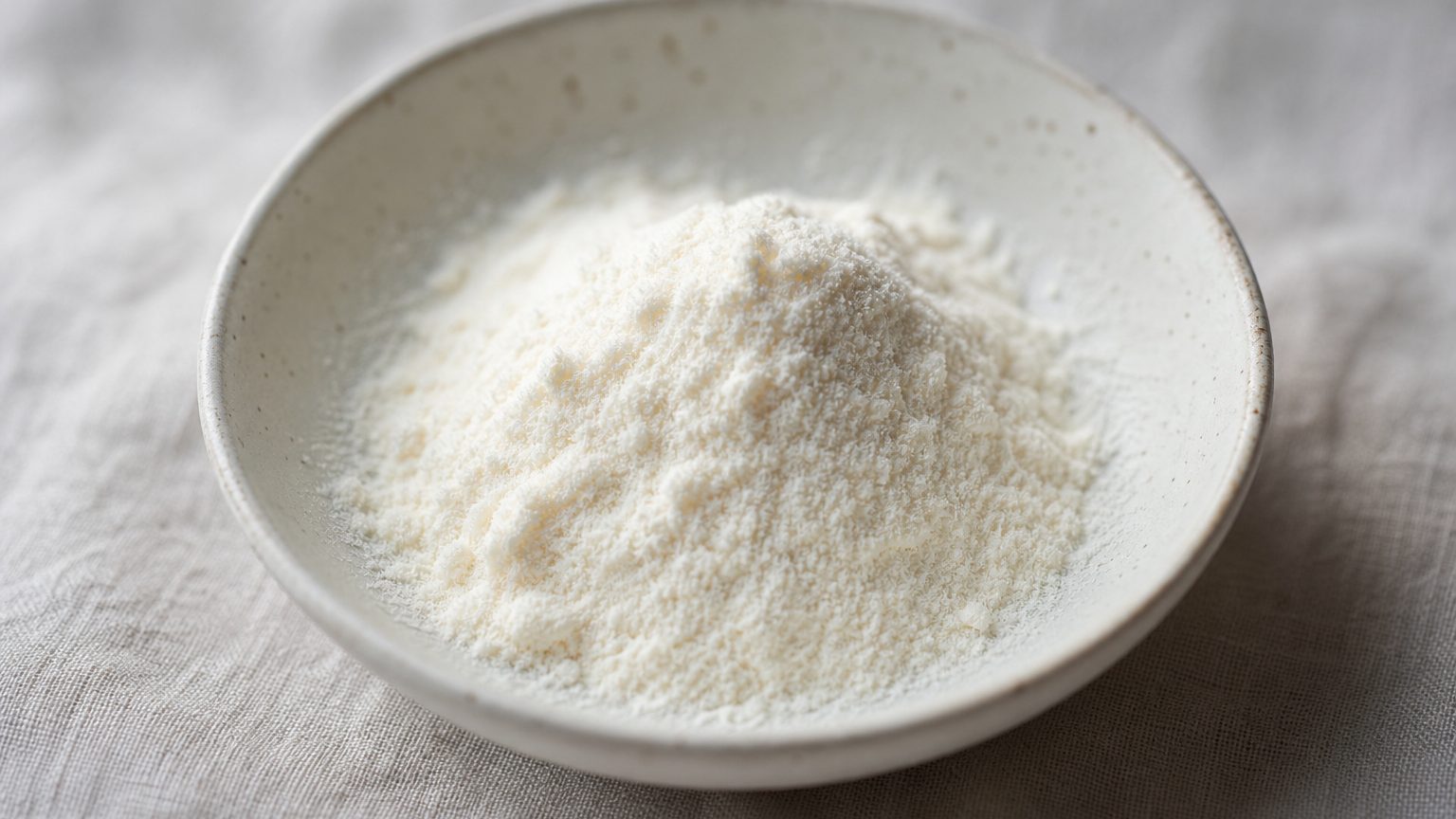
The best collagen for women is usually a hydrolyzed collagen peptide powder with a clear source, a useful amount per serving, and no unnecessary ingredients. There is little about collagen itself that is uniquely female, so your goals, diet, protein intake, allergies, and budget matter more than gendered packaging.
Key Takeaways
- Ignore gendered packaging: Most women do not need a special female collagen formula.
- Choose by goal and source: Collagen type, animal source, allergens, and serving size are more useful than marketing language.
- Protect your protein intake: Collagen is not a complete protein and should not replace meat, fish, eggs, dairy, soy, or another balanced protein source.
- Check the full formula: Review the collagen amount, added ingredients, sweeteners, allergens, testing information, and cost per serving.
- Keep expectations realistic: Research suggests possible benefits for skin elasticity and joint function, but results vary and the evidence is not equally strong for every claim.
Is There a Women's Collagen?
Collagen is a structural protein found in skin, bones, tendons, cartilage, and other connective tissues. Your body makes it from amino acids, which are the smaller building blocks of protein. Women and men use the same basic biological process to make collagen.
That means there is no special collagen molecule designed only for women. A container labeled "women's collagen" may include extra vitamins, minerals, flavoring, or beauty-focused marketing, but the collagen peptides themselves are generally sourced and processed in the same ways as other collagen supplements.
Women may still have different reasons for shopping. You might care most about skin elasticity, nail growth, exercise recovery, joint function, or supporting bone structure as you age. Those goals can guide your choice, but they do not automatically require a female-only product. Age labels such as "over 40," "over 50," or "over 60" work much the same way. They may speak to common concerns at those stages, yet the label is not proof of a better formula.
Research on oral collagen has reported some modest improvements in measures such as skin hydration or elasticity, particularly with consistent use. However, studies differ in formula, dose, length, and quality. Some are funded by collagen manufacturers. Collagen should not be presented as a way to remove wrinkles, treat hair loss, or reverse aging. Our review of collagen peptides and skin elasticity explains those limits in more detail.
The practical answer is simple. Choose collagen by what is in it, how much it provides, and whether it fits your overall diet, not by whether the label is pink or says "for women."
The Criteria That Actually Differ
Your personal needs matter, even though the collagen itself is not female-specific. Start with the animal source. Bovine collagen comes from cattle and commonly supplies types I and III. Marine collagen comes from fish and is usually rich in type I. Chicken-derived products may provide type II collagen, which is associated with cartilage. These type numbers describe different collagen structures and where they are commonly found in the body.
No source is automatically best for every woman. Fish allergies rule out marine collagen. Dietary, religious, or ethical preferences may rule out other sources. Collagen is animal-derived, so products marketed as "vegan collagen" do not contain animal collagen. They usually provide nutrients intended to support the body's own collagen formation instead.
Next, consider your main reason for taking it. Types I and III are common choices in general collagen peptide powders aimed at skin, connective tissue, muscle, and bone structure. Type II may be more relevant in a joint-focused formula. Still, a type number alone does not establish that a product will deliver a particular result.
Form also matters. Hydrolyzed collagen, also called collagen peptides, has been broken into shorter protein chains. This makes it easier to dissolve and digest, but "hydrolyzed" does not automatically mean clinically proven or higher quality. Powders often provide more collagen per serving than gummies or capsules because several grams are difficult to fit into a small pill.
Finally, look at practicality. An unflavored powder may work in coffee, oatmeal, or a smoothie. A flavored product may be easier to remember but can include sweeteners. Capsules are convenient but may require several pills. The best choice is one you can use consistently without crowding out nutritious food or straining your budget.
Why Collagen Does Not Replace Protein
Collagen counts toward total protein on a nutrition label, but it is not a complete protein. A complete protein provides all nine essential amino acids in useful proportions. These amino acids are called essential because your body cannot make enough of them, so you must get them from food.
Collagen has a distinctive amino acid profile. It is especially rich in glycine, proline, and hydroxyproline, which are common in connective tissue. However, it contains little or no tryptophan and is not balanced for supporting all of the jobs that dietary protein performs. Your body also needs complete protein for muscle maintenance, enzymes, immune proteins, and many other everyday functions.
This distinction can be especially relevant for women who are already under-eating protein. That can happen when meals are skipped, calories are heavily restricted, appetite decreases with age, or a smoothie with collagen replaces a full breakfast. Adding 10 grams of collagen does not make that meal nutritionally equivalent to adding 10 grams of a balanced milk, whey, soy, egg, or mixed plant protein.
You do not have to choose between collagen and complete protein. Treat them as different tools. Keep complete protein foods at meals, then use collagen as an optional addition if it fits your goals. Examples include eggs, dairy, fish, poultry, meat, tofu, tempeh, soy milk, and combinations of legumes, grains, nuts, and seeds. If you use protein powder to help meet your needs, check whether it contains all essential amino acids rather than assuming any product labeled "protein" does the same job.
This is also why collagen should not be treated as a weight-loss shortcut. It can contribute protein and may fit a healthy weight-management routine, but it does not target belly fat or replace balanced meals, movement, sleep, and an appropriate overall calorie intake.
Vitamin C and Collagen Formation
Vitamin C supports normal collagen formation. It works as a cofactor, which means it helps certain enzymes do their jobs while your body builds and stabilizes collagen. Without enough vitamin C, normal collagen production is impaired.
That does not mean every collagen supplement needs a large added dose. Many people can obtain sufficient vitamin C from food. Citrus fruit, kiwi, strawberries, bell peppers, broccoli, tomatoes, and potatoes are familiar sources. If you eat these foods regularly, a collagen formula without added vitamin C can still fit your routine.
You also do not need to take vitamin C and collagen at the exact same minute. Your body does not build all collagen immediately after you swallow a supplement. Regular nutrient intake matters more than creating a perfectly timed pairing. Adding berries to a collagen smoothie or having fruit with breakfast is a simple option, not a requirement.
More vitamin C is not always better. High supplemental amounts can cause digestive upset in some people, and certain medical circumstances may require individual guidance. Follow the product label. Talk to your doctor before adding supplements if you have a kidney or liver condition, another existing medical condition, or take prescription medication.
Vitamin C also does not prove that a collagen product will produce visible changes. It supports a normal body process, while the outcome still depends on your diet, age, health, sun exposure, smoking status, the formula, and consistent use. Think of vitamin C as one necessary part of the process rather than a switch that guarantees results.
What to Check on the Label
Begin with the collagen amount per serving. Research commonly studies collagen in gram amounts, with the amount varying by ingredient and goal. Gummies and capsules sometimes provide far less than powders, so compare grams rather than the number of gummies, pills, or scoops. Follow the label directions instead of increasing the serving to imitate a study.
Look for the words "hydrolyzed collagen" or "collagen peptides." Then check the source, such as bovine, marine, or chicken. The source matters for allergies and dietary preferences. If the label lists types I, II, or III, treat that as helpful context, not a guarantee of results.
Read the complete ingredient list. Flavored products may contain sugar, sugar alcohols, colors, thickeners, or intense sweeteners. Combination formulas can include vitamins, minerals, herbs, or branded ingredients. Those additions are not necessarily bad, but each should have a clear purpose. They can also create medication or pregnancy considerations that plain collagen may not have.
Check allergen statements carefully, especially with marine collagen. If testing or certification is claimed, look for the name of the testing organization and what was actually assessed. Vague phrases such as "premium," "medical grade," or "clinically proven" do not tell you the dose, purity, or quality of the evidence.
Compare cost per serving and cost per gram, not container price alone. A less expensive jar may provide fewer servings or less collagen in each serving. Our top 10 collagen supplement checklist offers another way to compare formulas without relying on a brand ranking alone.
Finally, be skeptical of promises involving rapid weight loss, wrinkle removal, hair-loss treatment, or dramatic changes in days. Honest supplement education includes what research has not established. Consistency matters, but no amount of consistency can turn an exaggerated claim into a reliable outcome.
Once you know what to look for, LiveGood Collagen Peptides is one option at $29.95 for members versus $49.95 retail. It provides hydrolyzed collagen types I and III and is the first and only collagen product that also includes Velositol, Polynol, and ApresFlex. The formula supports skin elasticity, hair and nail growth, joint function, muscle and bone structure, and healthy weight management. Follow the label directions and use it alongside, not instead of, complete protein foods.
Frequently Asked Questions
What is the best collagen for women?
The best collagen for women is a transparent hydrolyzed collagen product that fits the person's goal, diet, allergies, and budget. Types I and III are common in general-purpose powders, while type II appears more often in joint-focused formulas. Check the grams per serving, animal source, extra ingredients, and cost. Gendered branding by itself does not make a collagen supplement more effective.
How much collagen should a woman take daily?
A woman should follow the serving directions on her chosen collagen product because there is no single established daily amount for every goal. Studies often examine gram-level servings, but amounts vary widely by collagen type, formula, and outcome. More is not necessarily better. If you have an existing medical condition or take prescription medication, talk to your doctor before starting a supplement.
Is collagen safe during pregnancy?
Ask your doctor before taking collagen during pregnancy or breastfeeding. Collagen is a protein ingredient, but supplement formulas may contain herbs, sweeteners, vitamins, allergens, or branded compounds that need separate review. Product testing and labeling also vary. Your clinician can consider the full ingredient list, your diet, your health history, and any prenatal supplements or medications you already use.
Does collagen help hair and nails?
Collagen may support normal hair and nail growth, but the evidence is limited and does not show that it treats hair loss or cures brittle nails. Small studies and personal reports cannot establish a reliable result for everyone. Hair and nail changes can also reflect nutrition, thyroid function, stress, medication, or other health factors, so persistent or sudden changes deserve medical attention.
Can collagen replace protein powder?
Collagen cannot fully replace a complete protein powder because its amino acid profile is incomplete. It is rich in several amino acids found in connective tissue but lacks a balanced supply of all nine essential amino acids. You can add collagen to a meal or shake, but keep a complete protein source such as dairy, whey, soy, egg, meat, fish, or a balanced plant blend in your routine.