
Collagen Powder and Weight Loss: The Evidence
 Written by Nauder Khazan
Ask AI about this article and Collagen Peptides





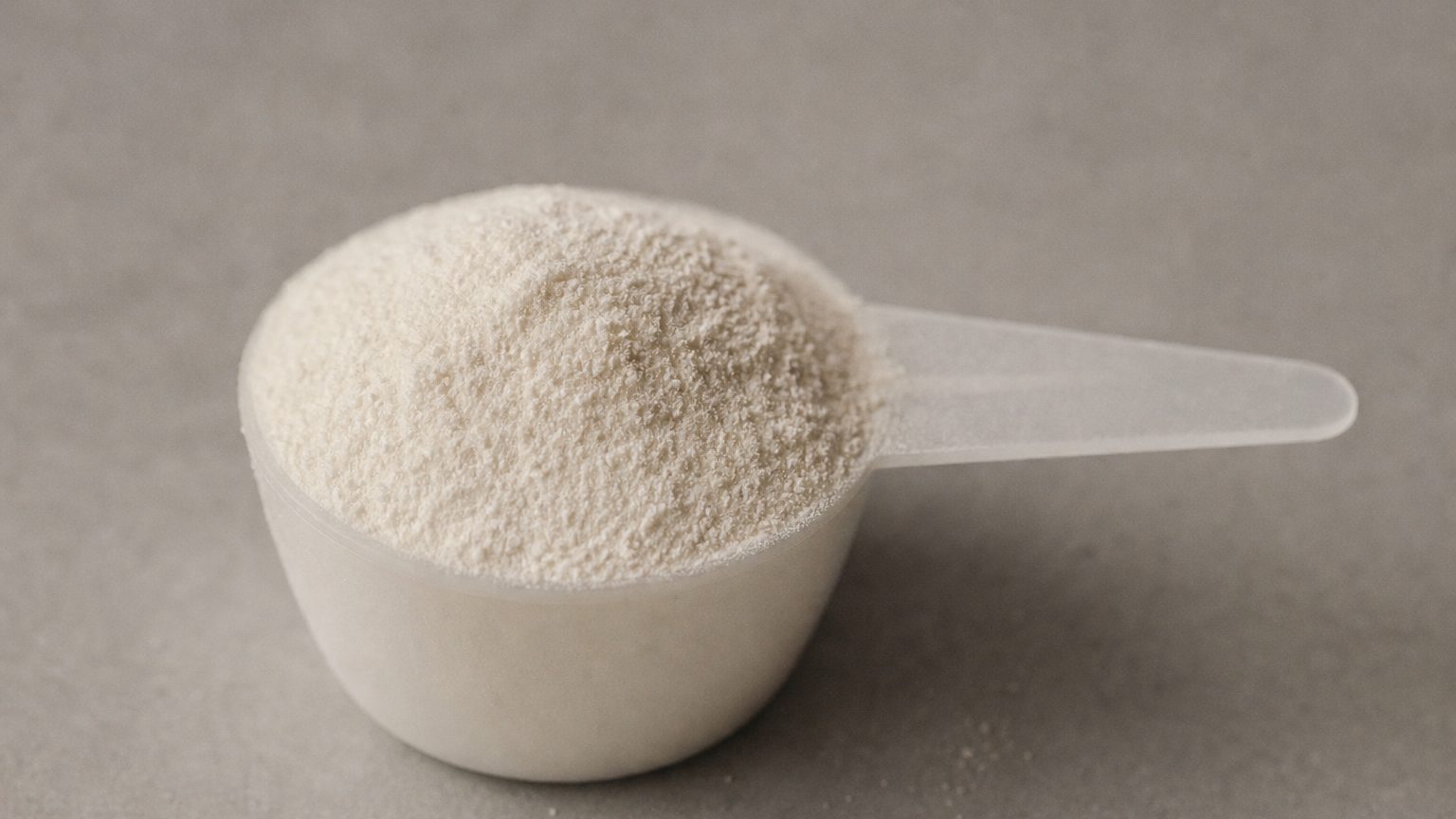
Collagen is not a weight loss supplement, and no collagen powder has been shown to cause fat loss or melt belly fat. Its protein may contribute to fullness, but collagen is an incomplete protein and a weaker choice for satiety and muscle support than several common alternatives. Here is what the evidence does and does not support.
Key Takeaways
- No collagen burns fat: There is no type of collagen proven to cause weight loss, target belly fat or boost metabolism.
- Protein may support fullness: Collagen provides protein, but any appetite effect depends on your total meal and whether it helps you eat fewer calories overall.
- Collagen is incomplete: It lacks tryptophan and is low in leucine, so it should not replace complete dietary protein.
- Other benefits are better studied: Collagen research focuses mainly on skin, joints and connective tissues, not weight loss.
- Daily habits matter most: A sustainable calorie deficit, filling foods, activity, sleep and consistency drive fat loss.
Collagen Is Not a Weight Loss Product
If you are searching for the best collagen for weight loss, the honest answer is that there is no proven choice. Bovine, marine, type I, type II and type III collagen have different sources or structural roles, but none has been shown to burn body fat. Hydrolyzed collagen is also not a special fat-loss form. Hydrolyzed simply means the protein has been broken into smaller pieces called peptides, making it easier to mix and digest.
Claims that collagen melts belly fat, reduces cellulite through weight loss or produces a faster metabolism go beyond the evidence. Your body cannot choose to remove fat from one area because you take a particular powder. Where fat comes off first is influenced by genetics, hormones, age and your overall change in body fat.
Some collagen studies report changes in body composition, which means the proportions of fat, muscle and other tissues in the body. However, this research is limited. Studies may be small, use different collagen formulas or combine supplementation with exercise. A result from one specific study does not establish collagen as a general weight loss aid.
Collagen also contains calories, like other proteins. Adding it to your usual diet without changing anything else does not create weight loss automatically. It could only play an indirect role if it helps you build a more satisfying eating routine that results in a consistent calorie deficit. That is a much narrower claim than saying collagen causes fat loss.
The Protein and Satiety Angle
The most reasonable connection between collagen and weight management is satiety, the feeling of fullness after eating. Protein generally takes longer to digest than many refined carbohydrates and can influence signals between your digestive system and brain. A protein-containing meal may therefore feel more satisfying than a low-protein meal.
Collagen contributes protein, so adding it to a meal or snack may provide some fullness. But that does not mean collagen has a unique appetite effect. Research has not established that collagen powder is better for satiety than complete proteins such as whey, dairy foods, eggs, soy, fish, poultry or legumes paired with grains.
Context matters too. Stirring collagen into water is not the same as eating a balanced meal. A more filling option usually combines protein with fiber, water and some fat. For example, plain yogurt with fruit and nuts provides several forms of nutrition and requires more digestion than collagen mixed into coffee.
Substitution also matters more than addition. If collagen replaces a less filling snack and helps you stay comfortable until your next meal, it may fit a weight management plan. If you add it on top of your normal intake, it adds energy without necessarily reducing later hunger. You may also experience no noticeable appetite change at all.
There is no special time to take collagen for weight loss. Morning and evening use have not been shown to produce different fat-loss results. If you use collagen for its better-supported wellness purposes, choose a time that fits your routine and follow the product label.
Why Collagen Is a Weak Protein Choice
Collagen is protein, but it is not nutritionally interchangeable with whey, eggs, dairy, soy or other complete proteins. A complete protein supplies all nine essential amino acids. These are protein building blocks your body cannot make in sufficient amounts, so you need to obtain them through food.
Collagen lacks the essential amino acid tryptophan. It is also low in leucine, an amino acid that helps signal the body to build and maintain muscle protein. That amino acid profile makes sense for collagen's structural role. It is rich in glycine, proline and hydroxyproline, which are common in connective tissues such as skin, cartilage and tendons. But it makes collagen a poor main protein for preserving or building muscle.
This distinction matters during weight loss. When you eat fewer calories, you still need adequate complete protein and resistance exercise to support lean tissue. Replacing a complete protein shake or protein-rich meal with plain collagen can leave a nutritional gap, even if the label shows a substantial number of protein grams.
Collagen should be counted as supplemental protein, not as a replacement for all dietary protein. You can add it to a meal that already includes complete protein, or use it for goals related to connective tissue. Do not assume that 15 grams of collagen serves the same purpose as 15 grams of whey or soy protein.
For fullness, a complete protein is usually the more practical first choice. Whey, casein, soy and protein-rich whole foods provide a stronger essential amino acid profile. Fiber-rich foods, including vegetables, fruit, beans and whole grains, can make the meal more satisfying as well.
What Collagen Is Actually Studied For
Collagen has legitimate areas of research, but weight loss is not the main one. Most human studies examine skin hydration and elasticity, joint comfort and function, or aspects of bone and muscle structure. These uses relate to collagen's normal role as a structural protein throughout the body.
Research on hydrolyzed collagen peptides suggests that consistent intake may support skin elasticity and hydration in some people. Studies on specific collagen ingredients have also examined joint comfort during everyday activity or exercise. Results vary by ingredient, serving, study length and participant group. These findings should not be treated as proof that every collagen product produces the same outcome.
Evidence for hair and nails is less developed. A few small studies and consumer reports suggest possible support, but stronger controlled research is needed. Collagen is often marketed for these goals, yet marketing confidence can be greater than the available science. You can read more about the broader evidence in what collagen peptides may do for your health.
Collagen types do not map neatly onto weight goals. Types I and III are common in skin, bones and other connective tissues. Type II is concentrated in cartilage. These descriptions explain where collagen types occur, not which one makes a person lose weight.
Give collagen a role that matches the evidence. Use it to supplement a balanced diet if its structural wellness purposes fit your needs. Talk to your doctor before using a dietary supplement if you are pregnant or breastfeeding, take prescription medication, have a kidney or liver condition, or manage another existing medical condition.
What Actually Drives Fat Loss
Body fat decreases when you maintain a calorie deficit over time. A calorie deficit means your body uses more energy than you consume. The goal is not to eat as little as possible. It is to create a modest, sustainable difference while still getting enough protein, fiber, vitamins, minerals and overall food.
Start with meals you can repeat. Build them around a complete protein source, vegetables or fruit, and a fiber-rich carbohydrate such as beans, oats, potatoes or whole grains. Include some dietary fat for flavor and satisfaction. These foods are not magic, but they can make an appropriate calorie intake easier to maintain.
Regular movement helps too. Walking, cycling and other aerobic activity use energy and support fitness. Strength training helps maintain muscle while you lose fat. Sleep and stress management also affect hunger, food choices and your ability to follow a plan, although improving sleep does not replace the need for an overall calorie deficit.
Track trends rather than reacting to one weigh-in. Body weight can change from day to day because of water, sodium, carbohydrate intake and digestion. Waist measurements, how clothing fits, strength and energy may provide additional context. No supplement can target belly fat, and no specific collagen type works differently for women simply because it is marketed that way.
If you want a powder mainly for fullness or dietary protein, choose a complete protein with meaningful leucine content. If you want support for skin, joints or connective tissue, collagen may be a reasonable separate addition. Keep those goals distinct. Consistency beats quick fixes, and a registered dietitian or doctor can help you set an appropriate plan for your health needs.
If you want collagen for its intended wellness role, LiveGood Collagen Peptides combines hydrolyzed types I and III collagen and is the first and only collagen product that also includes Velositol, Polynol and ApresFlex. It supports skin elasticity, hair and nail growth, joint function, muscle and bone structure, and healthy weight management. Follow the label directions and use it alongside complete proteins, not in place of them. Member pricing is $29.95 versus $49.95 retail, making consistent wellness support more accessible.
Frequently Asked Questions
Does collagen help with weight loss?
Collagen has not been shown to cause weight loss or burn body fat. Because it supplies protein, it might add some fullness when used in a balanced meal. That indirect effect only matters if it helps you maintain an appropriate calorie deficit. No collagen type is proven to target belly fat, and adding collagen without adjusting your overall intake does not produce automatic weight loss.
Is collagen a complete protein?
No, collagen is not a complete protein because it lacks the essential amino acid tryptophan. It is also low in leucine, which plays an important role in muscle protein building. Collagen is rich in amino acids used in connective tissues, but it should complement complete proteins from foods or powders rather than serve as your primary dietary protein.
Can collagen replace a protein shake?
Collagen should not replace a complete protein shake when your goal is meeting protein needs, supporting muscle or improving meal satiety. Whey, casein and soy provide all nine essential amino acids and more leucine. You can mix collagen with a complete protein source, but collagen alone is better viewed as a supplement for connective tissue support than a balanced meal replacement.
Does collagen boost metabolism?
There is no good evidence that collagen powder boosts metabolism in a meaningful way. Digesting any protein requires some energy, but this normal process does not make collagen a fat burner. Maintaining muscle can support daily energy needs, yet collagen's low leucine content makes complete protein and resistance training more useful tools for supporting lean tissue.
What protein is best for satiety?
Complete proteins such as whey, casein and soy are stronger choices for satiety than collagen, although individual responses vary. Whole foods like eggs, fish, poultry, Greek yogurt, tofu and beans can be especially filling because they contribute other nutrients and require chewing. For a satisfying meal, combine protein with fiber-rich produce or whole grains and some dietary fat.