
Best Time to Take a Greens Powder
 Written by Ben Glinsky
Ask AI about this article and Organic Super Greens





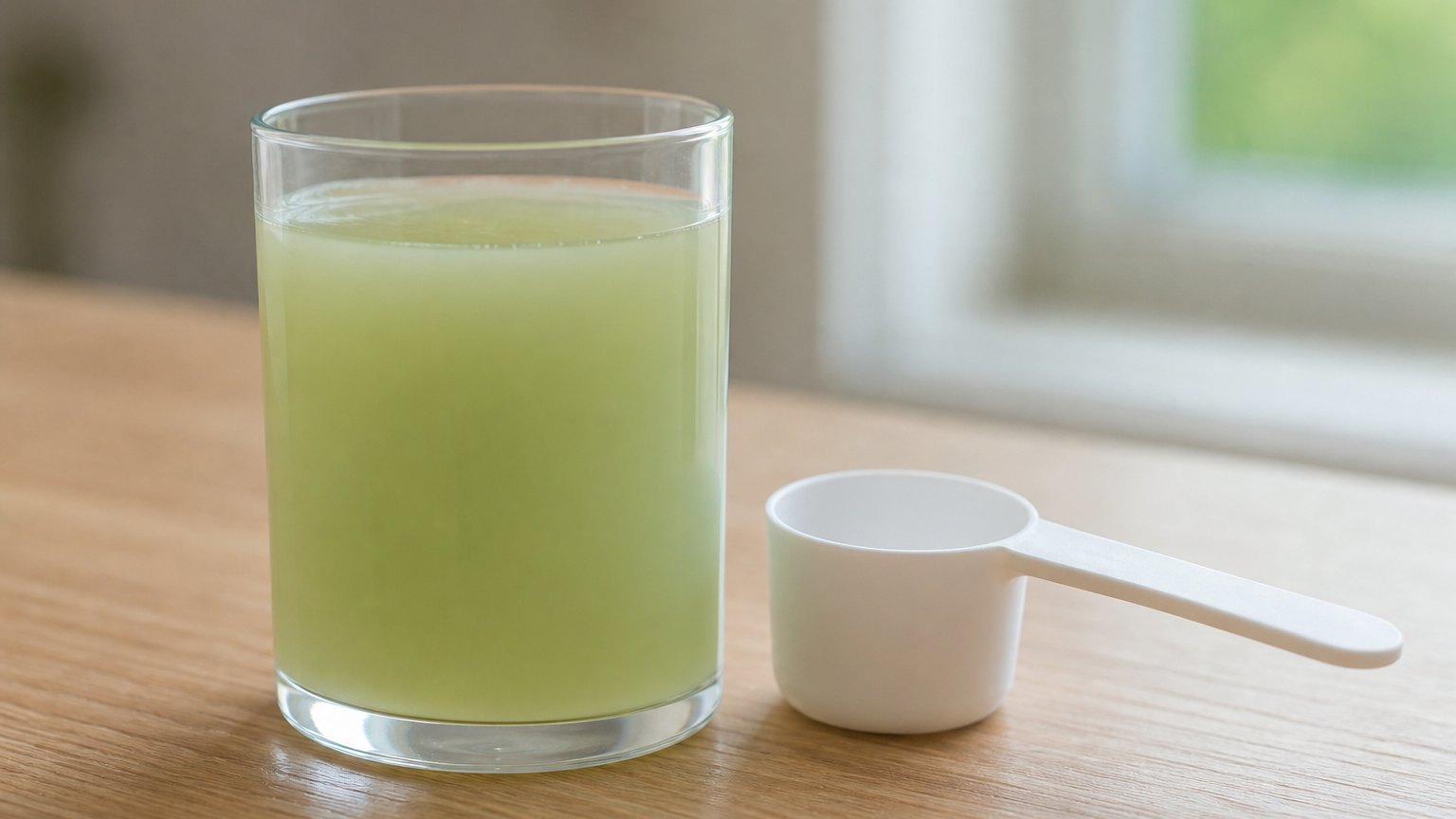
The best time to take a greens powder is the time you can follow consistently. Morning is convenient, but taking it with food may feel better if an empty stomach causes nausea, and medication timing deserves special care. Here is how to choose a schedule that fits your body and routine.
Key Takeaways
- Consistency comes first: A repeatable daily routine matters more than choosing a specific hour.
- Empty stomach is optional: Morning greens may be convenient, but they are not proven to work better before breakfast.
- Food can improve comfort: A meal or snack may reduce nausea and help your body absorb fat-soluble vitamins.
- Medication timing needs care: Fiber, minerals, and vitamin K can interact with certain prescriptions.
- Workout timing is flexible: Greens powder does not replace pre-workout fuel, protein, hydration, or electrolytes.
Consistency Beats Timing
Greens powders contain concentrated plant ingredients and, depending on the formula, added vitamins, minerals, fiber, herbs, enzymes, or probiotics. These ingredients do not share one ideal time of day. There is no convincing evidence that a standard greens powder becomes more useful at 7 a.m. than at noon or in the evening. If morning fits your life, use morning. If lunch is easier to remember, that is a reasonable choice too.
A regular schedule helps in practical ways. You are less likely to forget a serving or accidentally take another because you cannot remember the first one. Consistency also gives you a clearer picture of how the product agrees with your digestion. Most greens powders are intended for regular nutritional support, not an immediate effect that you should feel within minutes.

A consistent greens routine is usually more useful than chasing a perfect time of day.
Do not treat a greens drink as a deadline or a quick fix. It should support an eating pattern that still includes vegetables, fruit, protein, whole grains, healthy fats, and enough water. A powder also cannot reproduce the full fiber, volume, and variety found in whole produce. Follow the product label rather than assuming that more servings will provide more support.
The simplest rule is this: pick a time you can keep on ordinary days, not only on highly organized ones. Your routine should still work when mornings are rushed, work runs late, or your workout plan changes.
Morning on an Empty Stomach: Pros and Cons
Morning is popular because it offers a clear habit cue. You might prepare your greens after brushing your teeth, while making breakfast, or before leaving for work. Attaching the serving to something you already do can make it easier to remember. Mixing it with water also contributes fluid to your morning, although it does not replace steady hydration throughout the day.
Taking greens on an empty stomach is not inherently better. There is no good evidence that the nutrients in a typical multi-ingredient greens powder are absorbed more completely simply because breakfast has not happened yet. The ingredients and amounts vary widely between formulas, so broad claims about superior morning absorption are not well supported.

Morning greens can be convenient, but taking them before breakfast is not required.
The main drawback is digestive comfort. Concentrated plant ingredients, fiber, sugar alcohols, probiotics, or certain herbs may cause nausea, gas, or stomach discomfort in some people, especially when introduced all at once. If you feel queasy after drinking greens before breakfast, that is a useful signal rather than something to push through.
Try taking the labeled serving with breakfast or immediately afterward. You can also mix it into a smoothie if the label permits. Starting on a day when you are not rushing makes it easier to notice how you respond. Morning can still be your best time, but there is no prize for forcing an empty-stomach routine that makes you feel unwell.
With Food vs Without
You can take most greens powders with or without food unless the label says otherwise. The better option depends on the formula, your stomach, and what else you take at that time. If the drink feels comfortable by itself, you do not need to add a meal solely because other people do. If it causes nausea or bloating, food is a sensible adjustment.
A meal containing some fat may also help with the absorption of fat-soluble vitamins. These are vitamins A, D, E, and K, which the body absorbs along with dietary fat. A breakfast with yogurt, eggs, nuts, seeds, or avocado may provide enough. However, not every greens powder contains meaningful amounts of all four vitamins, so check the Supplement Facts panel instead of assuming.

Mixing greens with a meal or smoothie may be more comfortable for a sensitive stomach.
Food can slow digestion, but slower does not automatically mean worse. It may create a gentler experience for a sensitive stomach. Mixing greens into a substantial smoothie can work well too, although fruit, milk, yogurt, protein powder, and nut butter all add calories and nutrients. That may be useful as part of breakfast, but it is different from a greens drink mixed only with water.
Use label directions for the serving and mixing instructions. Avoid dry scooping, which can irritate your mouth and throat or cause you to inhale powder. If a full serving repeatedly causes discomfort, stop using it and review the ingredient list with a healthcare professional rather than changing the dose on your own.
Spacing Around Medication
Medication use is the clearest reason to think carefully about timing. Some fibers and minerals can reduce or delay the absorption of certain medicines in the digestive tract. For example, calcium, magnesium, and iron can bind to some thyroid medicines and antibiotics, leaving less medication available for the body to absorb. The correct spacing period depends on the medicine and the amounts in the powder, so there is no safe universal rule.
Vitamin K requires separate attention. Leafy greens and some greens powders can contain vitamin K, which helps the blood-clotting process. This is a genuine interaction concern for anyone taking warfarin. The usual goal is not necessarily to avoid vitamin K completely. A sudden increase or decrease in intake can change how warfarin works, so consistency matters more than avoidance for many patients. Your prescriber must decide what intake and monitoring plan is appropriate for you.

Review a greens powder's full label with your pharmacist when you take prescription medication.
Do not assume that taking a vitamin K-containing powder a few hours away from warfarin removes the concern. This interaction relates to your overall vitamin K intake, not only whether both products enter your stomach together. Show the complete ingredient list and Supplement Facts panel to your prescriber or pharmacist before starting the powder.
Talk to your doctor about any supplement if you take prescription medication. You should also seek medical guidance before using greens powder during pregnancy or breastfeeding, or if you have kidney disease, liver disease, another existing medical condition, or dietary restrictions related to treatment. Your pharmacist can help you build a schedule based on the exact medicine rather than a general timing tip found online.
Around Training
You do not have to coordinate a greens powder with exercise. Most formulas are not stimulants and are not designed to create an immediate surge in energy. Taking greens before a workout also does not guarantee better endurance, while taking them afterward does not automatically speed recovery. Research on complete greens blends is limited, and products differ too much to apply one result to every formula.
Comfort is the practical consideration. A large drink, concentrated powder, or fiber-containing formula may feel heavy during running, jumping, or intense lifting. If that happens, move your serving farther from training or take it with another meal. If you tolerate it well, there is no general reason you cannot include it in your pre-workout routine.
Greens can fit before or after training, but they do not replace workout nutrition and hydration.
After exercise is also acceptable, especially if that is when you reliably prepare a meal or smoothie. Just remember that greens powder is not a replacement for protein, carbohydrates, fluids, or sodium after demanding exercise. Those needs depend on the workout, how much you sweat, and the rest of your diet.
For a closer look at combining greens with other workout supplements, see our guide to mixing super greens with pre-workout. In most cases, your broader training nutrition matters more than whether the greens scoop comes before or after exercise. Choose the option that feels comfortable and does not interfere with your meals.
Building the Habit
Start by choosing an existing daily action as your reminder. Breakfast, packing lunch, or preparing an afternoon water bottle can all work. Keep the container and shaker where you perform that action, provided the storage location matches the label. A visible cue is often more useful than relying on motivation.
Use the labeled serving and prepare it the same way for the first week. Changing the time, mixer, serving size, and meal combination all at once makes it hard to identify what caused a digestive reaction. If you feel fine, keep the routine simple. If you feel nauseated, try moving the serving to a meal. If symptoms continue, stop and speak with a healthcare professional.
Set a phone reminder if your days are unpredictable. Another option is to place a recurring note on your calendar. Do not double the serving after a missed day unless the label or your healthcare professional specifically tells you to. One forgotten serving does not need to be corrected with extra powder.
Pay attention to practical signals over two or three weeks. Ask whether you remember the serving, tolerate it well, and can afford to maintain the routine. Do not rely on an immediate feeling as proof that it is working. Greens powders are food-based supplements, not substitutes for sleep, balanced meals, or medical care.
Your best schedule should feel almost boring. It fits around medication safely, sits well in your stomach, and survives busy days. That kind of consistency is more valuable than chasing a supposedly perfect minute on the clock.
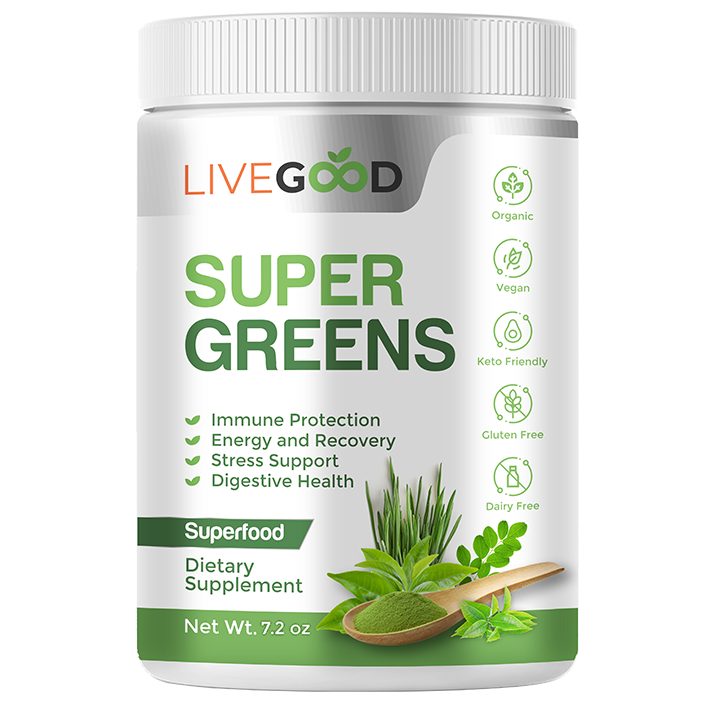
LiveGood Organic Super Greens is a USDA certified organic greens powder designed to help fill nutrient gaps your diet may not always provide, serving as "a safety net for your health." Mix one delicious scoop a day into water or a smoothie at the time that best fits your routine. It is $19.95 for members compared with $34.95 retail, supporting LiveGood's belief that wellness should not be a luxury.
Frequently Asked Questions
When is the best time to take a greens powder?
The best time to take a greens powder is whenever you can use it consistently and comfortably. Morning works well for many people because it pairs naturally with breakfast, but lunch or evening can be equally reasonable. If you take medication, build your schedule around instructions from your prescriber or pharmacist rather than convenience alone.
Should you take greens on an empty stomach?
You do not need to take greens on an empty stomach. Some people tolerate a greens drink before breakfast, while others experience nausea, gas, or discomfort. There is no strong evidence that an empty stomach makes a typical greens blend work better. Take it with food if that feels gentler for your digestion.
Can you take greens powder at night?
You can take greens powder at night if the formula does not disturb your stomach or sleep. Check the label for caffeine, stimulating herbs, or other ingredients you prefer to avoid late in the day. If a large drink causes reflux or nighttime bathroom trips, move the serving to dinner or earlier.
Should you take greens with or without food?
You can usually take greens with or without food, according to your comfort and the label directions. A meal may reduce nausea and provide dietary fat that helps absorb fat-soluble vitamins such as A, D, E, and K. Without food is also reasonable if you tolerate the powder and have no medication-related timing concerns.
Can greens powder affect medication absorption?
Yes, some greens powders can affect medication absorption or activity because they contain fiber, minerals, herbs, or vitamin K. Calcium, magnesium, and iron can interfere with certain medicines, while vitamin K intake requires careful consistency with warfarin. Ask your prescriber or pharmacist to review the exact label and recommend an appropriate schedule before you begin.