
Should You Mix Greens Powder Into Pre-Workout?
 Written by Ben Glinsky
Ask AI about this article and Organic Super Greens





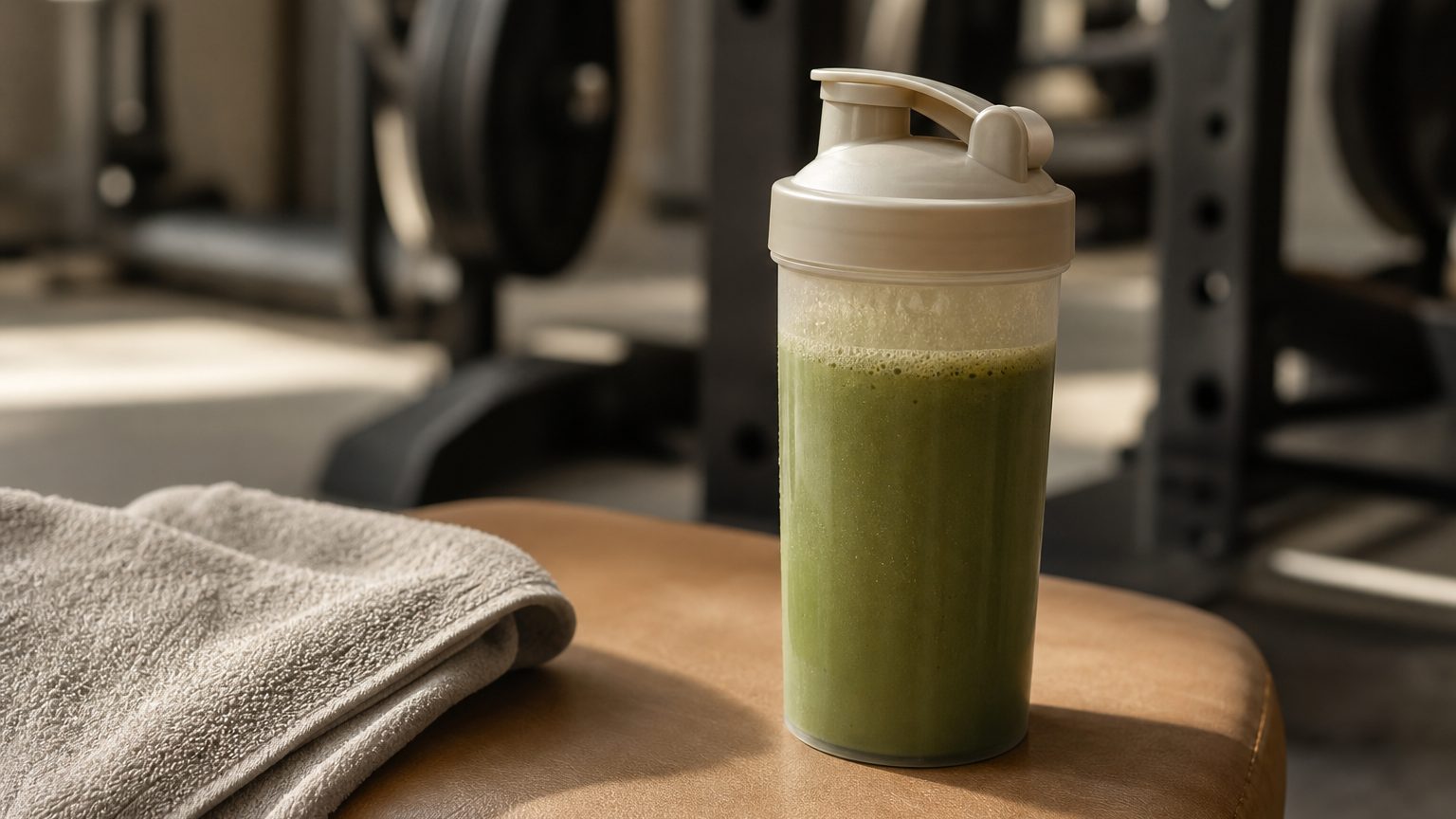
Yes, you can mix greens powder into pre-workout if both products are appropriate for you. Still, taking greens at another time often works better because they do not provide a stimulant effect, and concentrated plant ingredients may feel uncomfortable in your stomach during exercise. Here is how to decide what fits your routine.
Key Takeaways
- Mixing is usually possible: There is no general rule that greens powder and pre-workout must be kept apart.
- Greens are not stimulants: Do not expect a greens powder to create the quick alertness associated with caffeine.
- Your stomach may object: Fiber and concentrated plant material can cause fullness, gas, or an urgent bathroom trip during training.
- Separate timing is often easier: Breakfast, lunch, or after your workout may be more comfortable than immediately before exercise.
- Labels matter most: Check caffeine, vitamins, herbs, sweeteners, and overlapping ingredients before combining supplements.
Greens Powder Is Not a Pre-Workout
Greens powders and pre-workout supplements have different jobs. A greens powder is generally intended to supplement your diet with concentrated plant ingredients and nutrients. A pre-workout is formulated around the training session, often using caffeine or other ingredients intended to support alertness, focus, or exercise performance.
That distinction matters because greens powder does not automatically give you a noticeable pre-workout feeling. It is not inherently a stimulant. You should not expect a sudden rush, tingling sensation, or immediate increase in motivation from spinach, wheat grass, spirulina, or similar greens ingredients.
Some greens formulas contain matcha, green tea, or other naturally caffeinated ingredients. If yours does, the caffeine comes from those specific ingredients, not from the fact that it is a greens powder. Read the Supplement Facts panel instead of assuming the product is caffeine-free.
Pre-workout formulas also vary. Some contain caffeine, while stimulant-free products may use ingredients such as creatine, beta-alanine, amino acids, or dietary nitrate sources. Each has its own purpose and timing. Adding greens does not automatically make those ingredients more effective.
Greens can be a convenient nutritional safety net when your usual food intake falls short, but they should not replace whole vegetables. Whole produce supplies water, fiber, and a wider food structure that powders cannot fully reproduce. a UCLA Health dietitian recommends using greens powders only to supplement, not replace, real food, noting that most of the fiber is lost when produce is dried and pulverized.
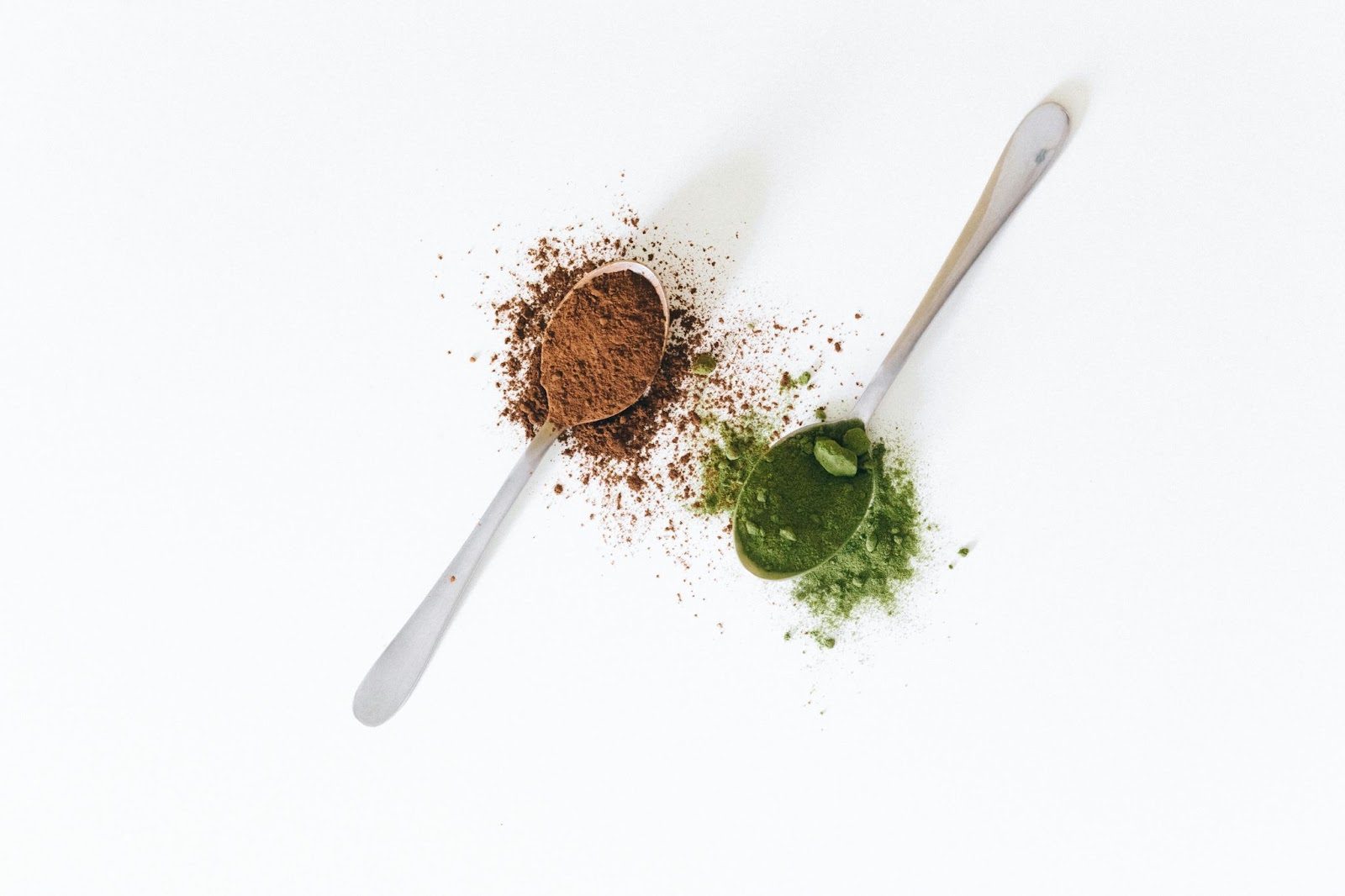
Greens powder supports daily nutrient intake, while pre-workout products are formulated around the training session.
The Digestive Timing Problem
The biggest practical reason to separate greens from pre-workout is digestion. Exercise already places demands on your stomach. During hard training, your body directs more blood toward working muscles and away from digestion. That can make food or supplements sitting in your stomach feel more noticeable.
Greens powders vary widely in fiber content. Even when the listed fiber amount is modest, concentrated grasses, algae, vegetables, herbs, and plant extracts can feel heavy for some people. Added prebiotic fibres, probiotics, sugar alcohols, or certain sweeteners may add to bloating, gas, cramping, or loose stools.
The type of workout matters too. Running, jumping, high-intensity intervals, and training that involves repeated bending can jostle your digestive system more than a relaxed walk or easy lifting session. Drinking a large mixture just before moving may also create uncomfortable fullness, regardless of the ingredients.
This does not mean greens powders are bad for digestion or unsafe for everyone before exercise. Many people tolerate them without trouble. The point is that tolerance is personal, and the minutes before a demanding workout are not the ideal time to discover yours.
If greens repeatedly bother your stomach, take them farther away from training and review the serving directions and ingredient list. Do not assume that doubling the water or changing several supplements at once will solve the issue. Make one change at a time so you can identify the cause. For a broader look at possible reactions, see the potential side effects of super greens.

Taking concentrated plant ingredients too close to exercise may cause digestive discomfort for some people.
What Mixing Them Actually Changes
Mixing greens powder with pre-workout mainly changes the drink's taste, texture, volume, and total ingredient load. It does not create a proven new performance formula. There is little direct research testing the many possible greens and pre-workout combinations sold today, so claims of special synergy should be treated cautiously.
The mixture may be convenient because you prepare one drink instead of two. On the other hand, greens can make a pre-workout thicker, earthier, or harder to finish. If that leads you to drink it too quickly or use too little water, convenience may come at the cost of comfort.
Ingredient overlap deserves more attention than the act of mixing. Your greens powder might contain green tea, matcha, vitamins, minerals, herbs, or amino acids that also appear in your pre-workout. Two products can follow their individual labels while still creating a combined intake you did not expect. This is especially relevant for caffeine and for nutrients supplied at high percentages of the Daily Value.
Mixing also does not change a greens powder into workout fuel. Most greens products contain little carbohydrate and are not substitutes for a meal or snack when you need food before training. They also do not replace water or electrolytes lost through sweat.
Check both labels side by side. Look at serving size, caffeine, herbal ingredients, vitamin and mineral amounts, sweeteners, and any warnings. If you take prescription medication, or if you are pregnant, breastfeeding, or managing a kidney, liver, or other medical condition, talk to your doctor before combining supplements. Concentrated plant ingredients can interact with medications or may not suit every health situation.

Comparing both Supplement Facts panels can reveal overlapping caffeine, vitamins, herbs, and sweeteners.
Better Times to Take Greens
For most people, the best time to take greens powder is the time that is comfortable and easy to repeat. There is no clear evidence that taking it in the few minutes before exercise provides a special benefit. Consistency matters more than attaching it to your workout.
Breakfast is a simple option. You can mix greens into water or a smoothie and have time to notice how your stomach responds before training later in the day. Lunch can work just as well, especially if your morning routine is already crowded with coffee, food, or other supplements.
After training is another practical choice. This does not mean greens powder is a recovery supplement or that it repairs muscle. It simply moves the concentrated plant material away from the period when bouncing, bracing, and intense movement may aggravate your stomach. You can take it with a regular post-workout meal while still prioritizing protein, carbohydrates, fluids, and whole foods according to your needs.
If you train first thing in the morning, you do not need to force greens into the pre-workout window. Take them later in the day. If you train in the evening, breakfast or lunch naturally creates several hours of separation.
Choose one schedule and follow the product label. If discomfort appears, move the serving farther from exercise rather than abandoning your routine immediately. A dependable habit that feels good is more useful than a supposedly perfect schedule you cannot maintain.
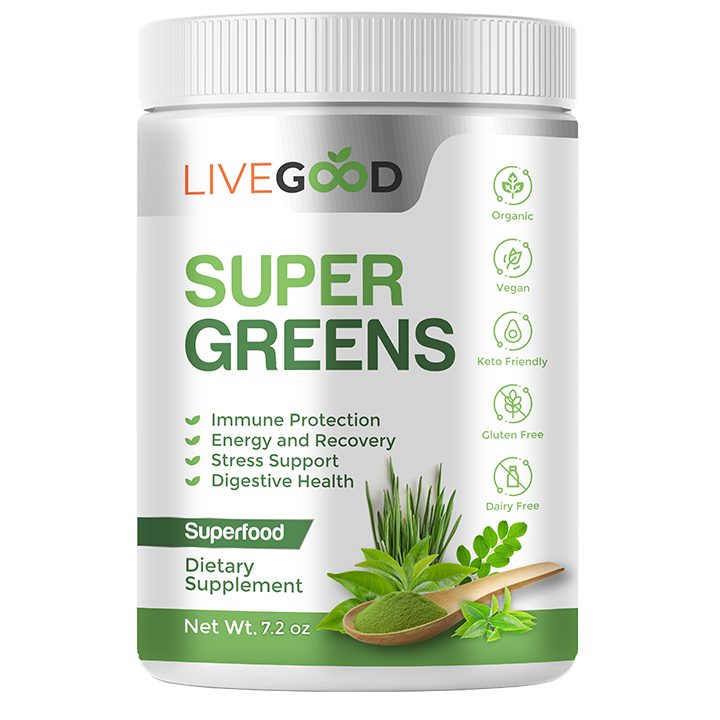
LiveGood Organic Super Greens is a USDA certified organic greens powder designed to help fill nutrient gaps as "a safety net for your health." Mix one delicious scoop a day into water or a smoothie, following the label directions, and choose a time your stomach handles well. It is $19.95 for members versus $34.95 retail, supporting the belief that wellness should not be a luxury. It complements a balanced diet rather than replacing vegetables or meals.
If You Do Want to Combine Them
If convenience makes one drink appealing, first confirm that you tolerate each product on its own. Use the greens powder on a normal day, then test the pre-workout separately during another session. This gives you a clearer baseline. If the combined drink causes discomfort, you will have a better idea of what changed.
Next, compare the labels. Follow each product's directions and do not add extra scoops because the powders share a bottle. Pay particular attention to total caffeine. Coffee, energy drinks, tea, caffeinated greens ingredients, and pre-workout can all contribute to the day's intake. More stimulation is not automatically better and may cause jitters, a racing heartbeat, headache, or sleep disruption.
Try the combination before a familiar, lower-stakes workout rather than a race, competition, long run, or personal-record attempt. Mix it with the amount of water directed on the labels. Never dry scoop either powder. Swallowing concentrated powder without water can lead to choking, inhalation, and unintended rapid intake.
Notice how you feel during the hour before training and throughout the session. Fullness, nausea, burping, cramping, or bathroom urgency are practical signs that separating the products may suit you better. Moving greens to breakfast, lunch, or after training does not reduce their role as daily nutrient support.
Also consider whether combining products is solving a real problem. If you want alertness, examine the pre-workout label rather than expecting greens to provide it. If you want convenient plant-based nutrient support, focus on taking greens consistently. You can also read about mixing super greens with BCAAs if amino acids are part of your routine.
When medication, pregnancy, breastfeeding, or an existing medical condition is involved, ask your doctor to review the complete ingredient lists. The safest answer depends on the actual formulas, not simply the names "greens" and "pre-workout."
If you combine greens and pre-workout, test your tolerance during a familiar session and follow both labels.
Frequently Asked Questions
Can you mix greens powder with pre-workout?
Yes, many people can mix greens powder with pre-workout, but compatibility depends on the two ingredient lists and your personal tolerance. Check for overlapping caffeine, vitamins, herbs, sweeteners, and other active ingredients. Follow both labels without increasing either serving. If the combined drink feels heavy or causes digestive symptoms, take the greens at another time.
Does greens powder give you energy?
No, a typical greens powder does not create the immediate energy or alertness associated with a stimulant. It may provide nutrients that support normal body functions, but that is different from feeling a rapid boost. Some formulas contain caffeinated matcha or green tea, so read the label carefully. Any stimulant effect would come from that caffeine, not from greens generally.
Should you take greens before or after training?
Either can work, but after training or earlier in the day is often more comfortable. There is no established workout advantage to taking greens immediately before exercise. If you tolerate them well, pre-workout use is an option. If you experience fullness, gas, or nausea, move the serving to breakfast, lunch, or a post-training meal and follow the label.
Can greens powder upset your stomach before exercise?
Yes, greens powder can cause stomach discomfort before exercise in some people. Fiber, concentrated plant ingredients, probiotics, prebiotic fibres, and sweeteners may contribute to bloating, cramping, nausea, or bathroom urgency. Vigorous movement can make those sensations worse. Test the product away from demanding training first, then adjust your timing if your stomach feels unsettled.
Does greens powder affect caffeine?
Greens powder does not generally cancel caffeine, but certain formulas add caffeine of their own. Matcha, green tea, guarana, and similar ingredients can raise the total amount in your combined drink. Review both labels along with coffee, tea, and energy drinks consumed that day. If caffeine causes jitters, sleep problems, or a racing heartbeat, avoid stacking caffeinated products and talk to your doctor.