
CBD and Cats: What Owners Should Know
 Written by Nauder Khazan
Ask AI about this article and CBD Oil - For Pets (500mg Beef)





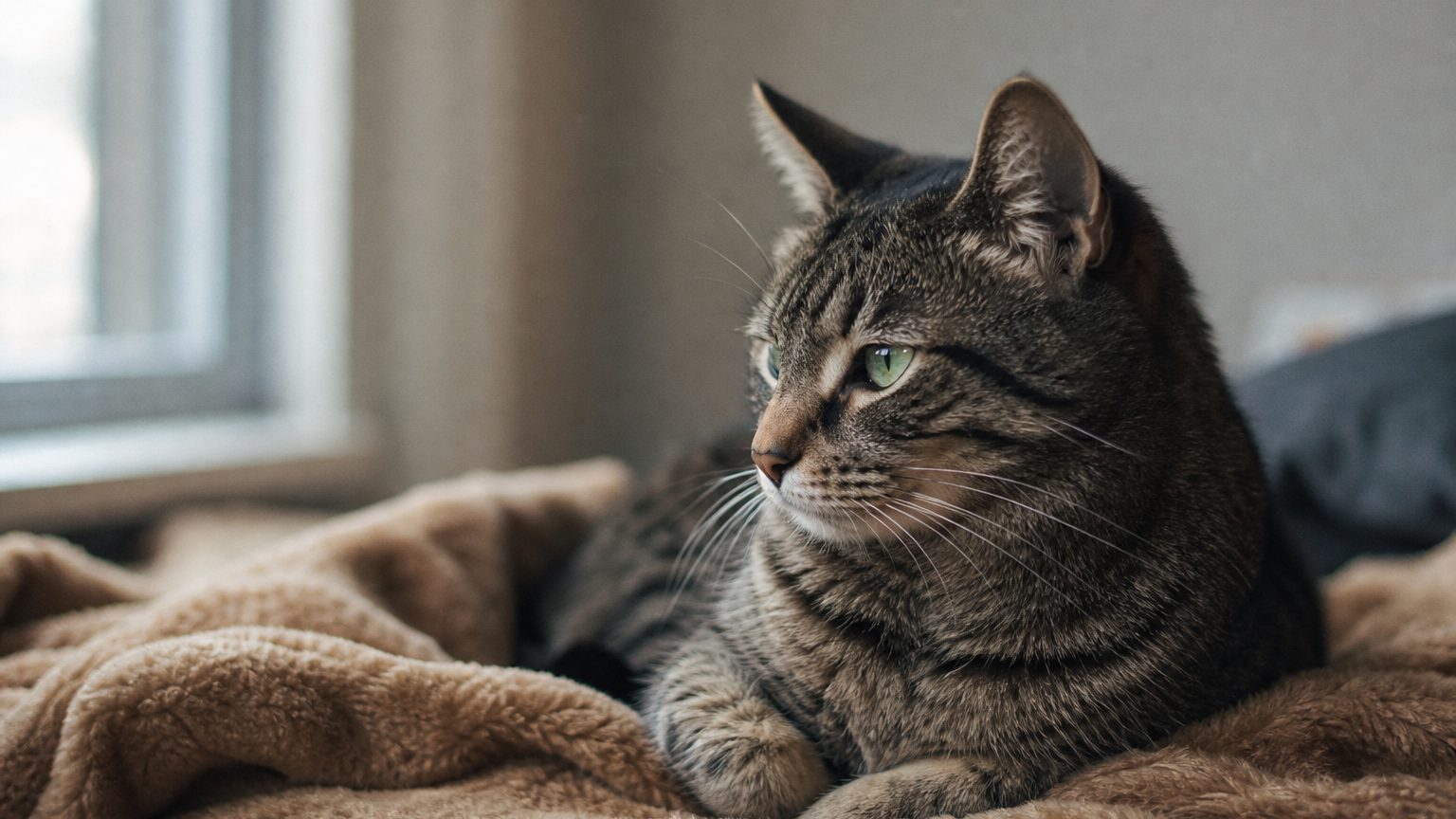
CBD for cats is not automatically safe, and research does not yet show that it treats any feline condition. Cats process many compounds differently from dogs, so ingredients, medication interactions, product testing, and veterinary guidance all matter. Here is how to evaluate CBD without assuming a dog or human formula is suitable.
Key Takeaways
- Cats process compounds differently: Their livers have limited ability to break down certain chemicals found in essential oils, medicines, and additives.
- The ingredient list matters: Avoid concentrated essential oils, alcohol, propylene glycol, and formulas with unclear flavorings or carriers.
- Feline evidence is limited: Most veterinary CBD research involves dogs, while cat studies are generally small and focused on absorption or short-term tolerance.
- Independent testing is essential: A current, batch-specific certificate of analysis can help identify CBD, THC, contaminants, and label mismatches.
- Your vet should be involved: CBD can interact with medications, and unusual sleepiness, poor coordination, vomiting, or appetite changes require attention.
Why Cats Are Not Small Dogs
Cats and dogs may share a home, but their bodies do not handle every substance the same way. Cats have lower activity in some liver pathways used to process chemicals. One example is glucuronidation, a process that helps the body attach a chemical tag to certain compounds so they can be removed. This difference helps explain why substances tolerated by people or dogs can be dangerous to cats.
That does not mean every compound remains in every cat's body for the same amount of time. Age, body condition, liver and kidney function, genetics, diet, and other medications can all affect how a cat responds. It does mean you should not copy a dog's product choice or serving plan.
CBD is processed partly by a family of liver enzymes called cytochrome P450, often shortened to CYP450. Many prescription medicines use these same enzymes. When two substances compete for the pathway, the amount of a medicine in the body may change. The interaction could be clinically meaningful even when the cat initially looks normal.
Cats can also be difficult to assess because they often hide discomfort or illness. A quiet cat may be sleepy, frightened, nauseated, weak, or simply resting. That makes careful observation and veterinary input more reliable than judging a product by whether your cat appears calm.
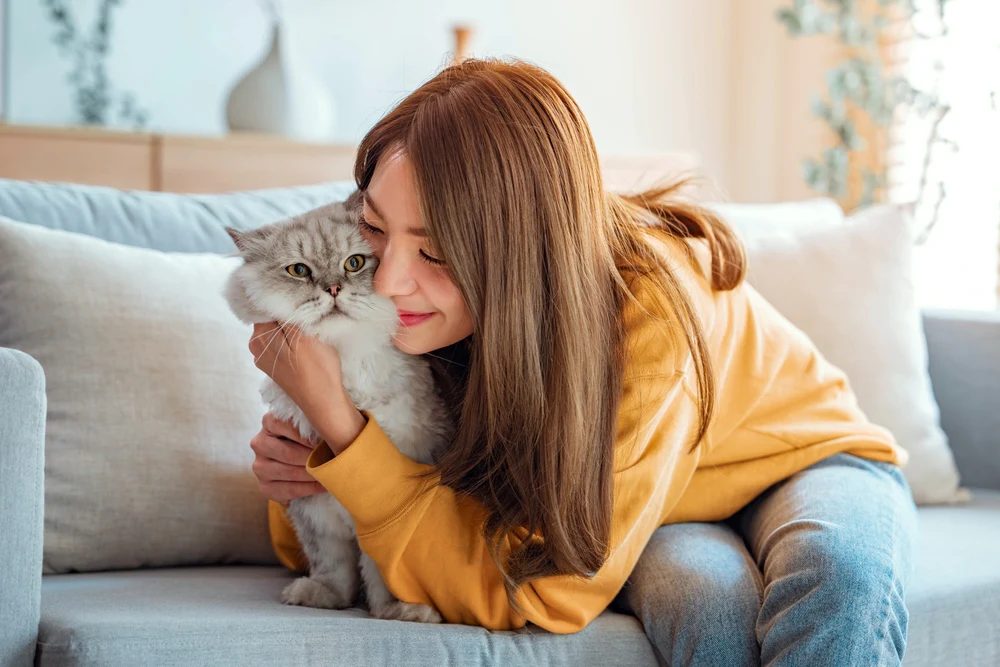
Cats process many compounds differently from dogs, making feline-specific product review essential.
The practical rule is simple: choose products and guidance specifically evaluated for cats. Never assume that a formula is feline-friendly because it says "natural," "hemp," or "safe for pets."
Carriers and Additives That Harm Cats
CBD extract must be mixed into something that makes it measurable and usable. That base is called a carrier. Flavorings, preservatives, sweeteners, and aromatic ingredients may also be added. These supporting ingredients can matter as much as the CBD itself.
Concentrated essential oils are a major feline concern. Cats have difficulty processing several compounds found in oils such as tea tree, wintergreen, peppermint, eucalyptus, citrus, cinnamon, clove, and pine. Exposure can occur through swallowing, skin contact, or inhaling droplets from a diffuser. "Plant-based" does not mean harmless to cats.
Propylene glycol is another ingredient to avoid in cat products. Sufficient exposure can damage feline red blood cells. Alcohol-based tinctures are also inappropriate. Be cautious with vague terms such as "natural flavor" when the manufacturer will not explain what the flavor contains.
Xylitol deserves a separate warning. This sweetener is genuinely toxic to dogs and may appear in human tinctures, gummies, or flavored liquids. Its risk in cats is less clearly established, but there is no reason to expose a cat to it. It is also a serious household hazard if a dog could reach the bottle.
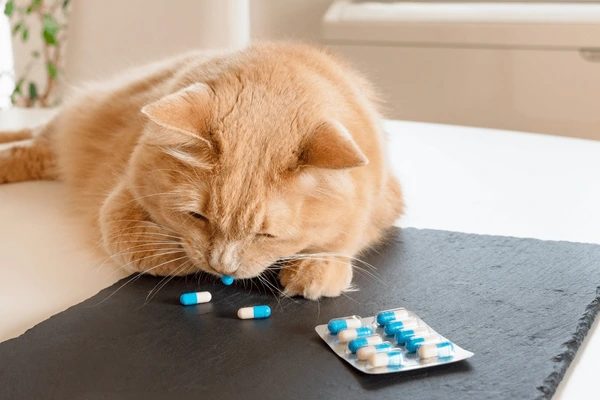
Check the complete ingredient list for carriers, flavorings, essential oils, and other additives before offering any product.
Read the complete label, not just the front panel. A pet picture does not prove feline suitability. Our guide to giving pets human CBD oil explains why human formulas require extra scrutiny.
Ask for a batch-specific certificate of analysis, or COA. It should show CBD and THC amounts plus screening for pesticides, residual solvents, heavy metals, and microbes. The batch number on the report should match the bottle, and the test date should be reasonably current.
What Feline Research Actually Covers
Research on CBD in cats is early. The available studies are much smaller and less numerous than the dog research commonly discussed online. Many feline studies have focused on pharmacokinetics, meaning how CBD is absorbed, distributed, and removed from the body. Others have monitored short-term tolerance, bloodwork, eating behavior, or observable adverse effects.
Those questions are useful, but they do not establish that CBD treats a feline disease. Small sample sizes, short study periods, different product formulas, and inconsistent methods also make broad conclusions difficult. A result from one tested oil cannot automatically be applied to every tincture, chew, or full-spectrum extract on the market.
Most feline CBD studies are small and focus on absorption or short-term tolerance rather than treatment outcomes.
Owner surveys and anecdotes are weaker evidence. They can suggest what researchers might study next, but they are affected by expectations, changing symptoms, other treatments, and the owner's interpretation of behavior. Cats also cannot describe dizziness, nausea, or mental changes, so an apparent behavioral shift is not proof of a desired effect.
Epidiolex is the one FDA-approved prescription CBD medicine. Its approval for specific human seizure disorders does not mean over-the-counter CBD supplements are approved medicines, and it does not establish a treatment use in cats.
Independent testing has repeatedly found that some commercial CBD products contain more or less CBD than their labels claim. Some also contain unexpected THC or contaminants. Full-spectrum products intentionally retain multiple hemp compounds and can contain trace THC. That is relevant to feline safety and is a genuine drug-testing consideration for people in the household, particularly if accidental ingestion could occur.
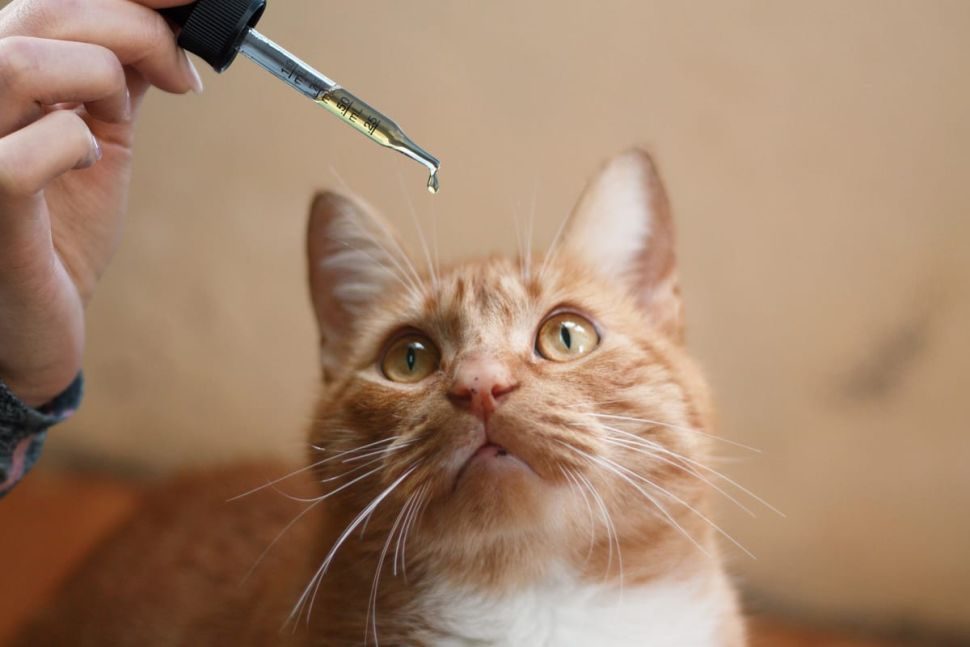
A batch-specific certificate of analysis helps you compare the label with independently measured CBD, THC, and contaminant results.
Honest education means separating a product's measured contents from claims about outcomes. For cats, the current evidence supports caution, careful monitoring, and better research, not confident condition promises.
Signs a Cat Is Not Tolerating Something
A cat that does not tolerate a CBD product may become unusually sleepy, less interested in food, unsteady, withdrawn, agitated, or sensitive to touch. Drooling, vomiting, diarrhea, dilated pupils, changes in vocalization, and altered litter box habits can also signal a problem. These signs are not specific to CBD, so do not assume the product is the only possible cause.
Stop giving the product and contact your veterinarian if you notice a new or concerning change. Keep the bottle, packaging, ingredient list, lot number, and COA available. Tell the clinic when the product was given, how it was offered, and whether your cat could have reached anything else. Do not induce vomiting or give a home remedy unless a veterinary professional directs you to do so.
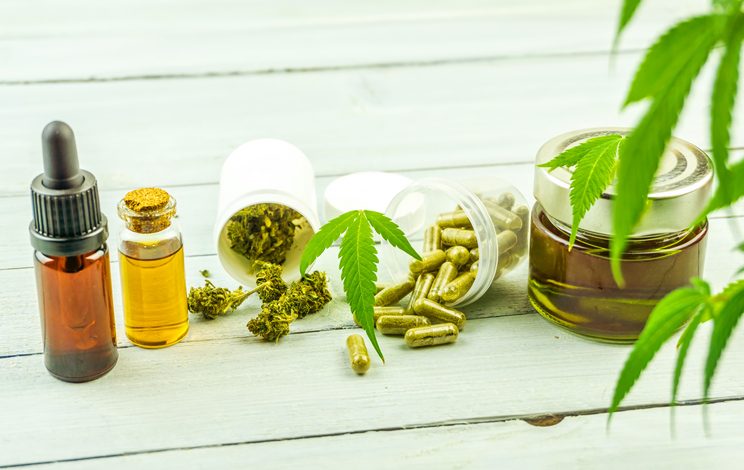
Changes in appetite, coordination, alertness, or digestion can indicate that a cat is not tolerating a product.
THC exposure can cause pronounced sleepiness, wobbling, urine leakage, unusual pupils, low responsiveness, or agitation. Full-spectrum hemp products are expected to contain only trace amounts, but mislabeled products, concentrated cannabis products, and accidental access can create greater risk. Store all hemp and cannabis items in a closed cabinet that pets cannot enter.
Breathing difficulty, collapse, seizures, repeated vomiting, severe weakness, or inability to stand requires urgent veterinary care. A cat breathing with an open mouth should also be treated as an emergency. Do not delay established veterinary treatment while trying CBD or any other supplement.
If several products were started together, it becomes difficult to identify the cause of a reaction. With your vet's approval, introduce only one new product at a time and keep a simple log of appetite, activity, coordination, stool, and medication timing.
What to Ask Your Vet
Begin by telling your veterinarian why you are considering CBD and what change you hope to observe. Bring the product label and COA rather than asking about CBD in general. The extract type, carrier, flavoring, THC level, concentration, and laboratory results can all affect the conversation.
Useful questions include:
- Is every ingredient appropriate for a cat?
- Could CBD interact with my cat's prescriptions or supplements?
- Do liver, kidney, heart, or other health concerns change the risk?
- What signs should make me stop the product?
- How should I monitor appetite, behavior, coordination, and laboratory values?
- What should I do if a serving is missed or accidentally repeated?
- Is there an established veterinary option with stronger evidence for my goal?
CBD can affect CYP450 enzymes used to process many medications. If your cat takes a prescription medicine, do not change or stop it without the prescribing veterinarian. For people considering CBD for themselves, anyone using prescription medication should ask a doctor first. People who are pregnant, breastfeeding, or living with kidney, liver, or another medical condition should also speak with their doctor.
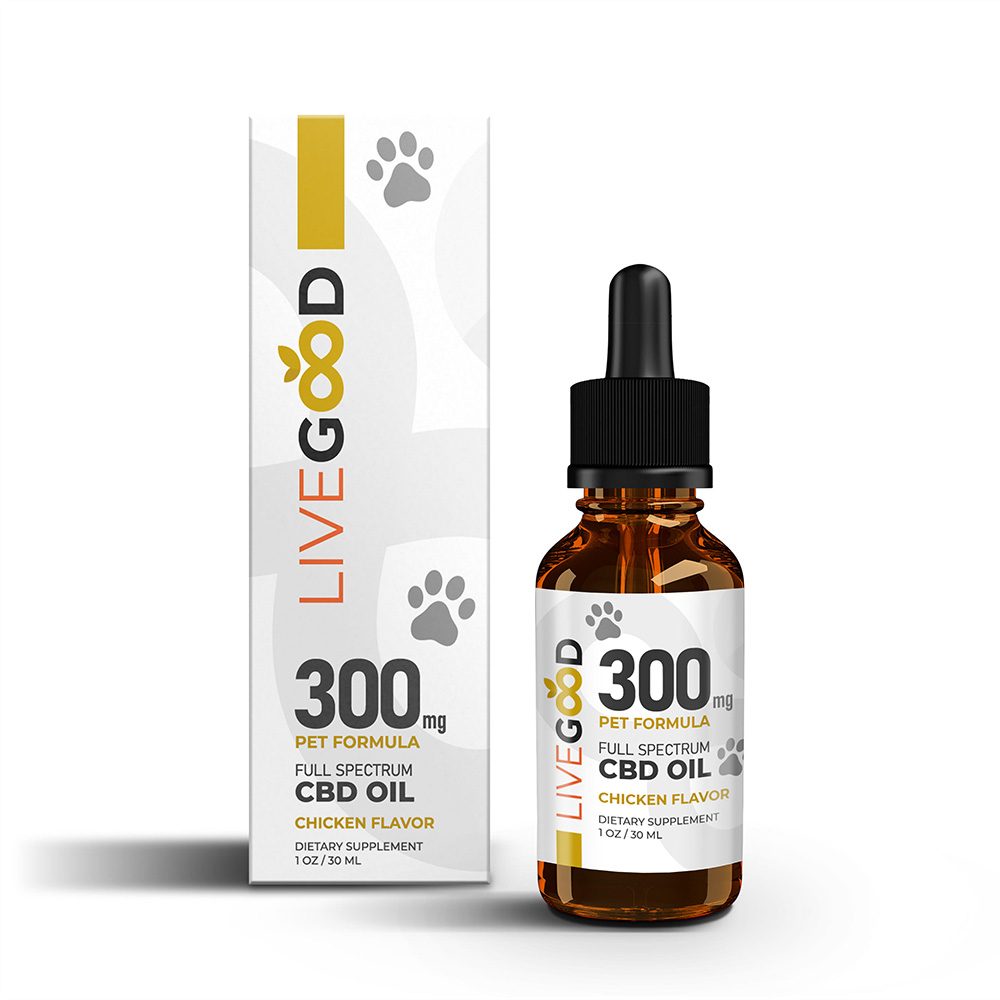
Bring the product label, medication list, and laboratory report to your veterinarian for a more useful safety discussion.
Veterinary rules differ by location. In some jurisdictions, veterinarians face restrictions on recommending, prescribing, or even discussing cannabis-derived products. A cautious response may reflect legal and professional limits rather than a refusal to help. Your vet can still review ingredients, identify interaction risks, explain warning signs, and discuss evidence-based care.
Ask your veterinarian to determine whether CBD is appropriate and to guide any serving decision. Internet calculators and dog-based plans cannot account for your cat's health, medicines, or the concentration of a particular bottle.
If your veterinarian agrees that a pet CBD product fits your cat's situation, CBD Oil - For Pets (500mg Beef) is a beef-flavored, full-spectrum CBD oil formulated with the same highest quality ingredients and processes as the human formulas. Follow the weight-based directions on the label and your vet's guidance, add it to food, and start low and go slow. It is $12.95 for members versus $24.95 retail, supporting LiveGood's mission to "Provide the highest quality supplements in the world, at the lowest prices possible."
Frequently Asked Questions
Is CBD safe for cats?
CBD may be tolerated by some cats, but it cannot be considered universally safe. Feline studies are limited, commercial formulas vary, and CBD may interact with medicines. The carrier, flavoring, THC content, contaminants, and your cat's health all affect risk. Ask your veterinarian to review the complete label and a batch-specific COA before use.
Can you give a cat CBD oil?
You should give a cat CBD oil only if a veterinarian has reviewed the product and considers it appropriate. Choose a formula with fully disclosed ingredients and independent batch testing. Do not substitute a human tincture or a dog's serving plan. Follow the label and veterinary directions, offer it with food if advised, and monitor your cat closely.
How is CBD different for cats than dogs?
CBD itself is the same compound, but cats and dogs can process it and its added ingredients differently. Cats have limited capacity in certain liver pathways and are especially vulnerable to several essential oils and chemicals. Feline CBD research is also much smaller than canine research, so findings from dogs should not be treated as proof for cats.
What ingredients are dangerous to cats?
Concentrated essential oils, alcohol, propylene glycol, excessive THC, and undisclosed flavoring blends can present concerns for cats. Examples of risky essential oils include tea tree, wintergreen, citrus, peppermint, eucalyptus, cinnamon, and clove. Xylitol is highly toxic to dogs and should also be kept out of any pet formula or multi-pet household.
Should you talk to a vet first?
Yes, speak with your veterinarian before giving CBD to your cat. Your vet can review the carrier, additives, THC result, laboratory report, existing conditions, and possible medication interactions. Veterinary guidance is especially necessary when your cat uses prescriptions or has liver, kidney, heart, or other health concerns. Do not replace established care with a supplement.