
Are Greens Powders Keto Friendly?
 Written by Nauder Khazan
Ask AI about this article and Organic Super Greens





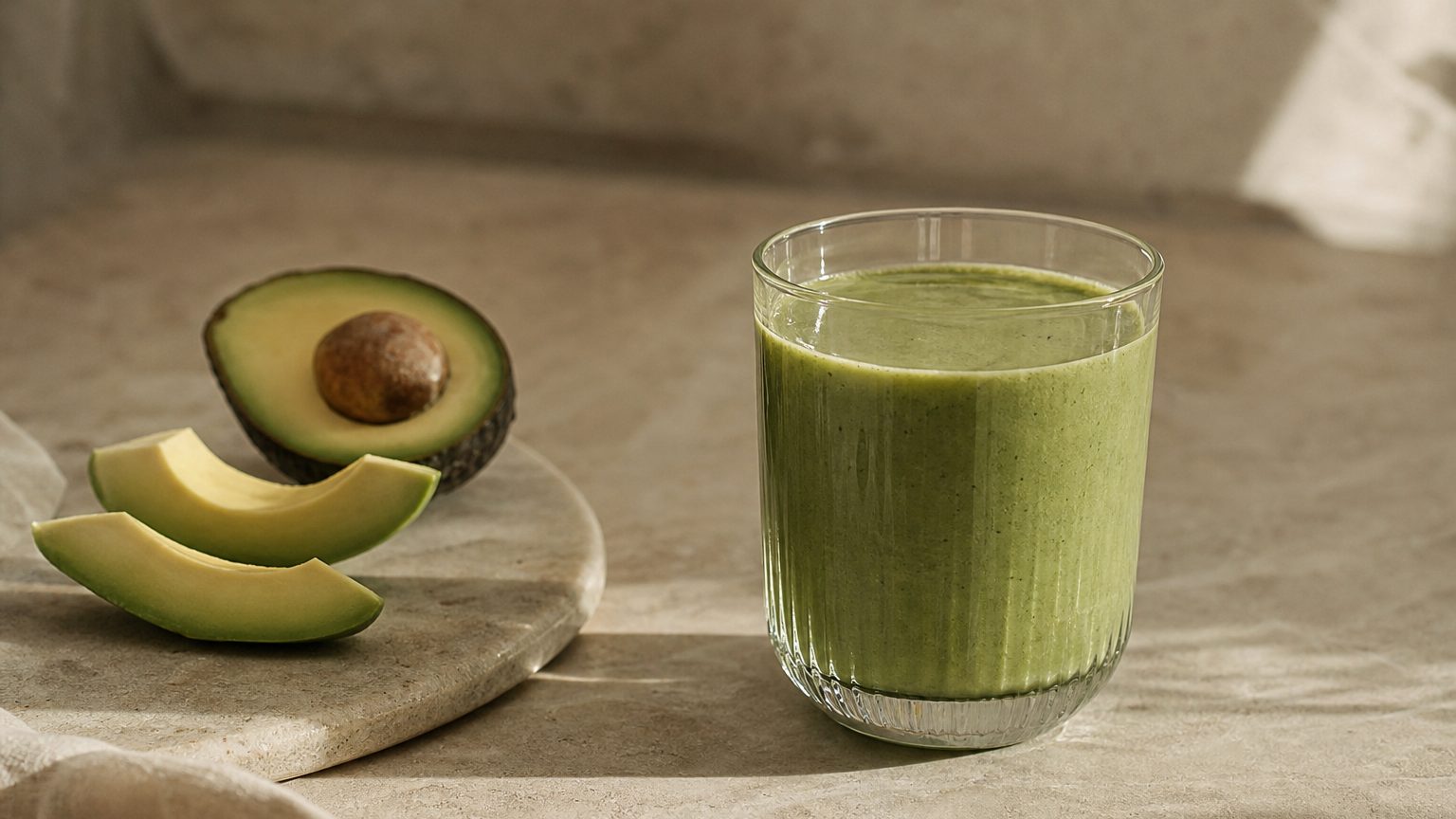
Most greens powders are keto friendly because one serving usually contains relatively few carbohydrates. The label settles the question, so check total carbohydrate, serving size and ingredients such as fruit powders or maltodextrin before adding a scoop to your day.
Key Takeaways
- Most powders fit: One serving is often low enough in carbohydrates to have little practical effect on ketosis.
- Total carbs come first: Use the Nutrition Facts or Supplement Facts panel, not a front-label keto claim.
- Certain ingredients add up: Fruit powders, maltodextrin, sugar and large amounts of root vegetables can raise the count.
- Net carbs need context: Fibre and sugar alcohols complicate the calculation because your body handles them differently.
- The full drink matters: Milk, fruit, juice and sweetened yogurt may add far more carbohydrates than the greens powder.
The Short Answer
Yes, most greens powders can fit into a ketogenic, or keto, eating pattern. Keto limits carbohydrates enough to encourage ketosis, a state in which your body produces molecules called ketones from fat. There is no single carbohydrate limit that works for everyone, but the serving of greens powder needs to fit within your personal daily allowance.
The most useful number is total carbohydrate per serving. Many greens powders provide only a few grams, making one scoop a small part of a low-carb day. At that level, the powder alone is unlikely to make a meaningful difference to ketosis for most people. Still, formulations vary. You cannot assume every green-colored powder has the same nutrition profile.
A product containing leafy greens, herbs, algae or grasses may be quite low in carbohydrates. Another formula may include substantial amounts of apple, banana, berry, beet or carrot powder. Sweeteners and processing ingredients can add more. Serving size matters too. Two scoops contain twice what one scoop provides.
Do not rely only on phrases such as "keto friendly," "no added sugar" or "greens blend." "No added sugar" does not mean carbohydrate-free, and "keto friendly" has no single legal nutrition definition. Turn the package around and check the actual numbers. In most cases, the carbohydrate amount is low enough to be a minor detail, but the panel is what confirms it.
Where the Carbs Hide
Greens powders begin with plants, and plants naturally contain carbohydrates. Leafy ingredients such as spinach, kale, wheatgrass and barley grass are commonly low in carbohydrates at a typical powder serving. However, removing water concentrates plant material. A scoop of dried produce is not nutritionally identical to the same weight of fresh produce.
Fruit powders are one of the first ingredients to watch. Apple, banana, mango and pineapple powders can improve flavor, but they also bring natural sugars. Berry powders may contribute less, depending on the amount used. Beet and carrot powders can raise the carbohydrate count as well, especially when they appear near the beginning of the ingredient list.
Added sugars may appear as cane sugar, coconut sugar, dextrose, fructose, glucose syrup or rice syrup. A label can also contain sweet ingredients such as fruit juice powder. These should be reflected in total carbohydrate, even when the packaging emphasizes natural ingredients.
Maltodextrin deserves special attention. It is a rapidly digested carbohydrate made from starch and is sometimes used as a carrier, bulking ingredient or processing aid in powdered products. It may not look like sugar on the ingredient list, but it contributes carbohydrate and can push a formula's total higher.
Creamers, cereal grasses combined with grain ingredients, inulin, gums and flavor systems may contribute carbohydrates too. Some are mostly fibre, while others are digestible. You do not need to identify every ingredient's chemistry. Start with total carbohydrate, then use the ingredient list to understand why that number is high or low. For a closer look at common blend components, see what ingredients are in super greens.
Net Carbs, Fibre and Sugar Alcohols
Net carbs are an informal estimate of the carbohydrates your body can digest and use readily. A common calculation subtracts dietary fibre from total carbohydrate. Some people also subtract all or part of the sugar alcohol amount. The basic idea looks simple, but the details are not standardized.
Fibre is a type of carbohydrate that your body does not digest in the same way as starch or sugar. Some fibre passes through the digestive tract, while some is fermented by gut bacteria. That is why low-carb eaters often subtract fibre when estimating net carbs. However, "net carbs" is not an official Nutrition Facts category, and manufacturers may calculate it differently.
Sugar alcohols make the maths less clear. These sweeteners include erythritol, xylitol, sorbitol and maltitol. They are carbohydrates, but their absorption and effects vary. Erythritol is absorbed and largely excreted without being metabolized for energy, so it is often fully subtracted. Maltitol is partly absorbed and should not automatically be treated as having no usable carbohydrate. Sugar alcohols can also cause gas, bloating or loose stools in some people.
For the most conservative approach, use total carbohydrate. If you track net carbs, subtract clearly listed dietary fibre and review the specific sugar alcohol rather than assuming every gram can be removed. Also check whether the net-carb claim is based on one scoop. A large serving, double serving or multiple supplements can change the total quickly.
The good news is that many unflavored or lightly flavored greens powders contain so little carbohydrate that complicated subtraction is unnecessary. If a serving has only a small total amount, the difference between total and net carbs may not materially change your day.
Reading the Panel Properly
You can evaluate a greens powder in less than a minute. Begin with serving size. Confirm whether the listed values apply to one scoop, two scoops or a measured number of grams. The scoop in the container can settle during shipping, so follow the label rather than estimating a heaped serving.
Next, find total carbohydrate. This number includes sugars, starches, fibre and sugar alcohols required to be included on the panel. Then look at the lines underneath it. Dietary fibre, total sugars, added sugars and sugar alcohols help explain where those carbohydrates come from.
| Label item | What to check |
|---|---|
| Serving size | Make sure the numbers match the amount you actually use. |
| Total carbohydrate | Use this as the clearest conservative number for your daily total. |
| Dietary fibre | This may be subtracted if you consistently track net carbs. |
| Added sugars | Low or zero is generally easier to fit into a keto day. |
| Sugar alcohols | Identify the type before deciding how much to subtract. |
| Ingredient list | Watch for fruit powders, maltodextrin, sugar and starch-based carriers. |
Read the ingredients in order. Ingredients are generally listed by weight, so an apple powder near the beginning matters more than a small amount near the end. Be cautious if the package provides a net-carb claim without showing enough information to check the maths.
Finally, compare products using equal serving sizes. One powder may appear lower in carbohydrates simply because its scoop is much smaller. A useful product is one you can take according to its directions without straining your daily carbohydrate plan. Clear numbers are more valuable than a large list of trendy ingredients.
Once you know what to check, LiveGood Organic Super Greens offers a straightforward daily option. This USDA certified organic greens powder is made to help fill nutrient gaps your diet may not provide, serving as 'a safety net for your health.' Mix one delicious scoop a day into water or a smoothie, following the label directions. It is $19.95 for members versus $34.95 retail, reflecting LiveGood's mission to "Provide the highest quality supplements in the world, at the lowest prices possible."
Fitting It Into a Keto Day
Start by recording the carbohydrates from one labeled serving. Add that number to your normal daily total, just as you would for vegetables, nuts, yogurt or a sauce. If you use net carbs, apply the same method across your foods instead of switching between total and net numbers when convenient.
What you mix with the powder often matters more than the powder itself. Water is the simplest option because it adds no carbohydrates. Unsweetened almond milk may also be relatively low, but check its label. Cow's milk, juice, coconut water, sweetened plant milk and flavored yogurt can add a meaningful amount. Smoothies made with bananas, dates, mango or large portions of berries can become high in carbohydrates quickly.
A lower-carb smoothie might use water or unsweetened plant milk, ice and a modest portion of lower-sugar fruit. Avocado, chia seeds or unsweetened nut butter can change the texture, but each ingredient still needs to fit your nutrition goals. Measure additions at least once. Smoothie portions are easy to underestimate.
Greens powder should complement meals rather than replace vegetables. Whole non-starchy vegetables provide water, texture, fibre and variety that a scoop cannot fully reproduce. Think of the powder as a convenient addition on busy days, not permission to remove whole foods from your routine.
You also do not need to chase ketone readings after every serving. Ketosis depends on your overall carbohydrate intake, metabolism, activity and other individual factors. Consistency across the day matters more than worrying about a small amount from one low-carb powder.
Follow the product's label directions rather than taking extra scoops. If you take prescription medication, are pregnant or breastfeeding, have a kidney or liver condition, or live with an existing medical condition, talk to your doctor before starting a supplement or making a major dietary change.
Frequently Asked Questions
Are greens powders keto friendly?
Yes, most greens powders are keto friendly when one serving fits your daily carbohydrate allowance. Check total carbohydrate rather than judging the product by its color or front-label claims. Formulas with leafy greens and grasses are often low in carbs, while products containing substantial fruit powder, sugar, maltodextrin or starch may require more careful planning.
How many carbs are in greens powder?
The carbohydrate amount varies by formula and serving size, but many greens powders contain only a few grams per scoop. Do not use a generic online estimate for a specific product. Read its Nutrition Facts or Supplement Facts panel, confirm the serving size and count the total carbohydrate from the amount you actually mix.
Will greens powder break ketosis?
One low-carbohydrate serving is unlikely to disrupt ketosis for most people, but no product can guarantee that outcome. Your response depends on your total daily carbohydrate intake, individual metabolism and serving size. Count the powder along with the drink and other ingredients used. Fruit, juice or sweetened milk may contribute much more carbohydrate than the powder itself.
What is net carbs?
Net carbs are an informal estimate of carbohydrates that are readily digested, usually calculated by subtracting dietary fibre from total carbohydrate. Some methods also subtract sugar alcohols, but these sweeteners are absorbed differently. Because there is no universal net-carb calculation, total carbohydrate is the more conservative number when a label does not clearly explain its maths.
Which ingredients add carbs to greens powders?
Fruit powders, maltodextrin, cane sugar, dextrose, juice powders, starches and larger amounts of beet or carrot powder can add carbohydrates to greens powders. Fibre ingredients and sugar alcohols also appear under total carbohydrate, although your body may handle them differently. The total carbohydrate line shows the amount, while the ingredient list helps explain its source.