
Do Greens Powders Help or Cause Bloating?
 Written by Nauder Khazan
Ask AI about this article and Organic Super Greens





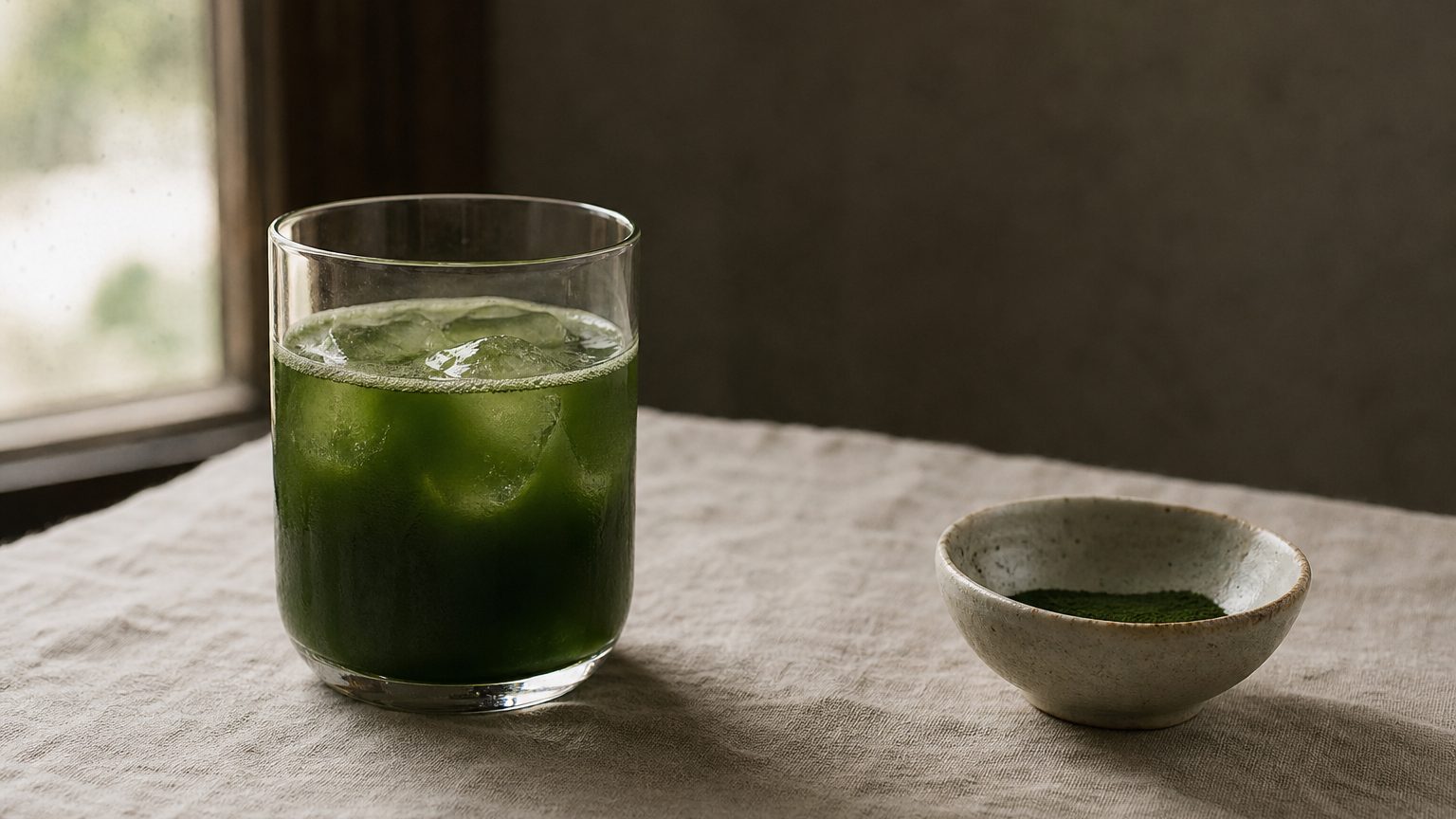
Greens powders are not a proven remedy for bloating. In fact, they are more likely to cause temporary gas and fullness when you first start, especially if they contain inulin, chicory root fiber, or sugar alcohols. Here is why that happens, what may help it settle, and when your symptoms need a closer look.
Key Takeaways
- Relief is not guaranteed: Greens powders have not been shown to reliably relieve bloating or treat digestive conditions.
- Fermentable fiber matters: Inulin and chicory root fiber feed gut bacteria, which produces gas as a normal byproduct.
- Sweeteners can contribute: Sorbitol, xylitol, erythritol, and other sugar alcohols may draw water into the bowel or increase gas.
- A gradual start may help: Follow the label, begin at the lowest listed serving, and avoid changing several supplements at once.
- Red flags need care: Persistent bloating with pain, weight loss, vomiting, or blood in your stool should be evaluated by a doctor.
The Honest Answer on Bloating
Do greens powders help with bloating? There is not enough direct research to say that they do. A greens powder may support overall nutrient intake, but that is different from treating bloating. Claims that one scoop will flatten your stomach, fix your gut, or provide fast digestive relief go beyond what the evidence can support.
Some people may feel less full over time if a powder helps them maintain a more consistent routine or provides fiber that supports regular bowel movements. This is most plausible when constipation is contributing to the sensation of fullness. Even then, the response is personal. A powder cannot identify or correct the many other possible causes of bloating.
In practice, new bloating is often the more likely short-term result. Many formulas combine concentrated plants, added fibers, probiotics, fruit extracts, flavorings, and sweeteners. Introducing several of those ingredients at once gives bacteria in your large intestine more material to ferment. Fermentation means the bacteria break down carbohydrates and release gases such as hydrogen and methane.
That does not automatically mean the product is harmful. Mild gas can simply reflect a sudden change in what reaches your gut. But discomfort is not something you need to push through indefinitely. Check the ingredient list, follow the label, and pay attention to timing. Our overview of possible super greens side effects covers other reactions worth watching for.
Why Inulin and Chicory Root Cause Gas
Inulin is a type of soluble fiber, meaning it mixes with water in your digestive tract. It is also a prebiotic, which means certain gut bacteria can use it as food. Chicory root is one of the most common commercial sources, so labels may say "inulin," "chicory root fiber," or "chicory root extract."
Your small intestine does not fully digest inulin. Instead, much of it travels to the large intestine, where bacteria ferment it. That process creates gas. The gas can stretch the bowel and produce pressure, rumbling, belching, or a visibly fuller abdomen. This is why an ingredient included to support the gut can initially make you feel more bloated.
Inulin also belongs to a group of fermentable carbohydrates commonly called FODMAPs. That term describes short-chain carbohydrates that are poorly absorbed by some people. You do not need to avoid all FODMAPs unless a qualified clinician has advised it. However, people who are sensitive to fermentable foods may notice stronger symptoms from concentrated inulin than from the smaller amounts naturally present in food.
Serving size matters, but so does your normal fiber intake. A person who already eats beans, whole grains, fruits, and vegetables regularly may respond differently from someone whose usual diet contains little fiber. Combining a greens powder with a high-fiber smoothie can increase the total even more.
Adaptation is possible, but not guaranteed. Gut bacteria may adjust after a consistent dietary change, and mild gas may settle. Sharp pain, severe swelling, diarrhea, or symptoms that continue despite stopping the powder are reasons to seek medical guidance rather than assuming your body simply needs more time.
Sugar Alcohols in Flavoured Blends
A greens powder does not have to contain much fiber to cause bloating. The sweetener system can do it too. Flavoured blends may use sugar alcohols to add sweetness with less sugar. Common examples include sorbitol, mannitol, xylitol, maltitol, and erythritol.
Despite the name, sugar alcohols are not the same as drinking alcohol. They are carbohydrates with a chemical structure that resembles both sugar and alcohol. Your small intestine may absorb them incompletely. The unabsorbed portion continues into the large intestine, where it can be fermented by bacteria. Some sugar alcohols also pull water into the bowel. Together, these effects may lead to gas, cramping, loose stool, or urgency.
Tolerance differs considerably. Sorbitol and mannitol are frequent digestive triggers, while erythritol is absorbed more readily and is usually fermented less. Even erythritol can bother some people, particularly when a product provides a larger amount or is consumed alongside other sweetened foods.
Read the full ingredient list rather than relying on a "zero sugar" or "naturally flavoured" statement. Sugar alcohols may appear near the end of the list, but the label does not always reveal the amount of each one. Stevia and monk fruit are not sugar alcohols, although a blend may combine them with erythritol or another bulking ingredient.
If an unflavoured powder feels fine but a sweetened version does not, the greens may not be the issue. Compare labels for sweeteners, inulin, gums, and added fiber before deciding that all greens powders cause the same reaction.
How to Start Without the Bloating
Start by reading the serving directions and ingredient list. If the label provides a serving range, begin with the lowest listed amount. Do not exceed the directions in an attempt to get faster results. More powder means more fermentable material, and it does not guarantee greater nutritional support.
Use these practical steps:
- Choose a simple formula. A shorter ingredient list makes it easier to spot possible triggers. Look specifically for inulin, chicory root, sugar alcohols, probiotic blends, and added gums.
- Change one thing at a time. Do not start a greens powder, probiotic, fiber supplement, and new smoothie routine on the same day. If bloating appears, you will not know which change caused it.
- Keep the rest of the drink familiar. Water is a useful first mixer. A smoothie containing large amounts of fruit, dairy, protein powder, and extra fiber introduces several other possible causes.
- Follow the label consistently. Taking random large servings makes your response harder to judge. If mild gas appears, note when it starts and how long it lasts.
- Stop if symptoms are significant. Severe discomfort is not evidence that a cleanse or detox is working. Greens powders do not need to cause distress to support your nutrient intake.
You can also compare how you feel with and without the powder. If symptoms repeatedly appear after taking it and settle when you stop, an ingredient may not suit you. Consider a different formula rather than repeatedly forcing the same one.
Ask your doctor before using a dietary supplement if you are pregnant, breastfeeding, have a kidney or liver condition, manage an existing medical condition, or take prescription medication. Some concentrated plant ingredients and nutrients can interact with medications.
If you want a simple option, LiveGood Organic Super Greens is a USDA certified organic greens powder designed to help fill nutrient gaps in your diet, a practical 'safety net for your health.' Mix one delicious scoop a day into water or a smoothie, following the label. It is $19.95 for members versus $34.95 retail, helping make daily wellness more accessible. Highest Quality. Lowest Prices. Every Day.
When Bloating Is Not the Powder
Bloating is a symptom, not a diagnosis. It can come from swallowed air, carbonated drinks, a large meal, constipation, menstrual changes, or eating quickly. Lactose, wheat, beans, onions, and certain fruits can also be triggers for some people. Stress may change gut movement and make normal sensations feel more intense.
Timing offers useful clues. Bloating that begins soon after your greens drink may relate to its ingredients, the amount consumed, or what you mixed with it. Bloating that occurs before you take the powder, wakes you from sleep, or continues after you stop it deserves a broader look.
Keep a brief record for several days. Note meals, drinks, bowel movements, menstrual timing if relevant, supplement use, and when the discomfort appears. You do not need to count every nutrient. The goal is to identify a repeatable pattern that you can discuss with a healthcare professional.
Do not use a greens powder to self-treat irritable bowel syndrome, small intestinal bacterial overgrowth, celiac disease, food intolerance, or another digestive condition. Those problems can share symptoms but require different evaluation and care. Removing many foods without professional support can also make it harder to meet your nutritional needs.
Contact a doctor if bloating is frequent, worsening, or does not improve after removing an obvious trigger. Seek prompt medical care when it occurs with unexplained weight loss, blood in the stool, persistent vomiting, fever, significant abdominal pain, a hard or rapidly expanding abdomen, or an inability to pass stool or gas. Sudden severe symptoms should not be managed by switching powders or waiting for your gut to adapt.
Frequently Asked Questions
Do greens powders help with bloating?
Greens powders do not reliably relieve bloating, and direct evidence for that benefit is limited. Some people may feel better if added fiber supports regularity, but others become more bloated from fermentable fibers, sweeteners, or concentrated plant ingredients. A greens powder should support nutrient intake, not be used to treat a digestive condition.
Why does greens powder make me bloated?
Greens powder can make you bloated when its carbohydrates reach the large intestine and are fermented by bacteria. Inulin, chicory root fiber, certain gums, probiotics, and sugar alcohols are common contributors. A sudden increase in total fiber or mixing the powder into a large, fruit-heavy smoothie may increase the effect.
How long does greens powder bloating last?
Mild greens powder bloating may settle within several hours or improve over several days as your routine becomes consistent. There is no guaranteed adaptation timeline, and ongoing discomfort should not be ignored. Stop using the product and speak with a healthcare professional if symptoms are severe, persistent, or return every time you take it.
Which greens powder ingredients cause gas?
Inulin, chicory root fiber, sorbitol, mannitol, xylitol, maltitol, and some added gums can cause gas. Concentrated fibers and certain probiotic blends may also change fermentation when first introduced. Erythritol tends to be fermented less than many other sugar alcohols, but it can still cause digestive symptoms in sensitive people.
When should you see a doctor about bloating?
See a doctor when bloating is persistent, keeps returning, or interferes with eating and daily life. Prompt medical attention is needed when it comes with unexplained weight loss, blood in your stool, severe pain, fever, repeated vomiting, or an inability to pass stool or gas. Do not assume these symptoms are normal supplement adjustment.