
Does Whey Protein Help With Muscle Soreness?
 Written by Ben Glinsky
Ask AI about this article and Whey Protein Isolate - With Colostrum





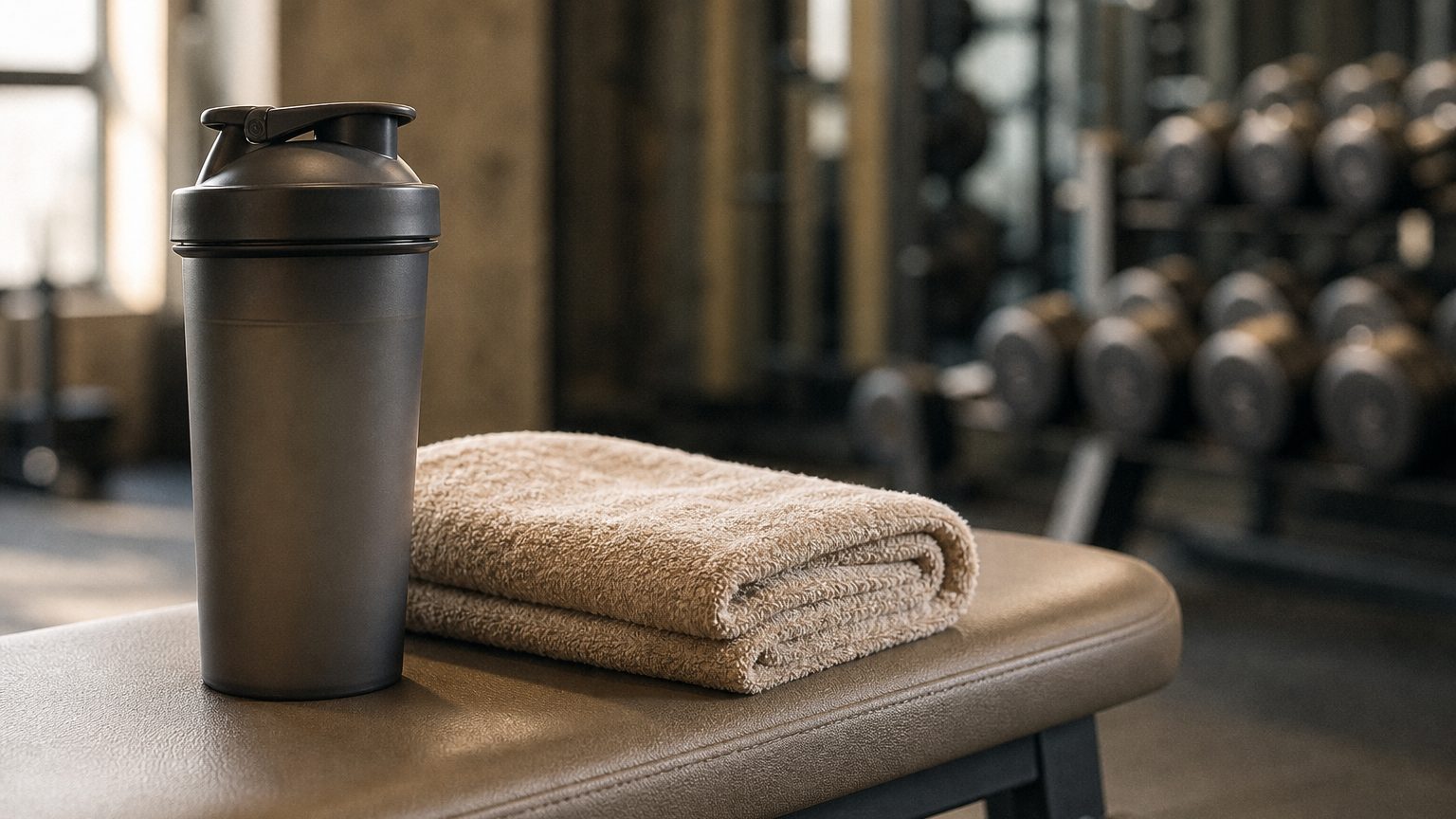
Whey protein supports muscle repair after exercise and may help strength recover, especially if your overall protein intake is low. But if you are asking whether it makes delayed muscle soreness feel noticeably better, the evidence is mixed. The difference starts with understanding what soreness is, and why it is not the same thing as recovery.
Key Takeaways
- Whey supports muscle repair: It provides all nine essential amino acids, including leucine, which helps start muscle protein synthesis.
- Soreness is a separate outcome: You can regain strength while still feeling sore, or feel fine before your muscle function has fully returned.
- DOMS evidence is mixed: Some protein trials show better recovery of strength or performance, but reductions in soreness are smaller and inconsistent.
- Daily intake matters most: Meeting your total protein needs is more important than drinking a shake within a narrow post-workout window.
- Recovery involves more than protein: Training load, sleep, hydration, calories, and your exercise experience all influence how you feel.
What DOMS Actually Is
Delayed onset muscle soreness, usually shortened to DOMS, is the aching and stiffness that can appear after a hard or unfamiliar workout. It often begins 8 to 24 hours after exercise, feels strongest around 24 to 72 hours later, and gradually fades over several days.
DOMS is especially common after eccentric exercise. An eccentric movement happens when a muscle produces force while lengthening. Lowering a dumbbell, walking downhill, descending stairs, and slowly lowering into a squat are familiar examples. New exercises and sudden increases in training volume can also cause more soreness than movements your body already knows.
You may have heard that soreness comes from lactic acid or tiny muscle tears. That explanation is too simple. Lactate produced during exercise clears relatively quickly, so it does not explain pain that peaks a day or two later. Exercise can disturb muscle fibers and nearby connective tissue, but the soreness you feel also involves chemical changes, temporary swelling, and increased sensitivity in local nerve endings.

DOMS commonly follows unfamiliar exercise and is often strongest one to three days after the workout.
This helps explain why soreness is not a reliable scorecard for workout quality. A productive session does not have to leave you struggling to sit down the next day. As your body adapts to a movement, the same workout usually causes less DOMS. That is called the repeated-bout effect, meaning previous exposure makes your muscles more prepared for similar work.
Severe pain, major swelling, unusual weakness, dark urine, or pain that gets worse instead of better is not typical DOMS. Stop training and seek medical care if you experience those symptoms.
Recovery of Function Versus Feeling Sore
Recovery can mean several different things. Researchers may measure strength, jumping ability, range of motion, fatigue, muscle proteins in the blood, or a person's soreness rating. These outcomes do not always improve at the same speed.
For example, you might still notice tenderness when walking downstairs even though your strength has nearly returned. The reverse can happen too. You may not feel very sore, yet your muscles may still produce less force than usual after a demanding session. This is why a protein supplement can support recovery without clearly changing the sensation of DOMS.
Whey supplies essential amino acids, the protein building blocks your body cannot make on its own. It is also rich in leucine, an amino acid that acts as one signal for muscle protein synthesis. Muscle protein synthesis is the process your body uses to build new muscle proteins. After resistance exercise, supplying enough amino acids helps support repair and adaptation.

Muscle repair and the sensation of soreness are related, but they do not always follow the same timeline.
That biological role is well supported. The harder question is whether it translates into less soreness that you can feel. Soreness ratings are subjective, meaning they depend partly on the person reporting them. Training history, pain sensitivity, expectations, sleep, and the exercise used in a study can all affect the answer.
So, does whey protein help with muscle recovery? It can help provide the raw materials needed for repair and may support the return of strength. Does it reliably make sore muscles hurt less? Current research does not justify that promise. Those are related questions, but they are not interchangeable.
What the Protein Trials Found
Trials of whey and other protein supplements do not produce one simple result. Some find that protein helps participants recover strength or physical performance after muscle-damaging exercise. Others find little difference between protein and a carbohydrate drink, especially when participants already eat enough protein.
Soreness results are even less consistent. In some studies, people taking protein report slightly lower soreness at certain time points. In others, soreness is no different from the comparison group. A Harvard Health summary discussed a trial in which protein drinks offered little advantage for post-exercise muscle pain or physical recovery over the tested period.
A systematic review of protein supplementation and exercise recovery also illustrates why broad claims are difficult. Studies differ in the amount and type of protein used, when it is taken, the participants' usual diets, and the workouts used to create muscle damage. Small studies can also make a chance result look more meaningful than it is.

Protein studies measure several recovery outcomes, and improvements in strength do not always mean less soreness.
Blood markers such as creatine kinase add another layer of confusion. Creatine kinase is an enzyme that can rise in the blood after demanding exercise. A lower reading does not automatically mean someone feels less sore or has fully recovered. Likewise, a higher reading does not tell you exactly how much pain that person feels.
The fairest conclusion is that whey can support the nutrition side of recovery. It may be more useful when it corrects a protein shortfall. Evidence that it consistently reduces DOMS itself is weaker, so view any soreness benefit as possible rather than guaranteed.
Total Daily Protein Beats Timing
Your total protein intake across the day usually matters more than hitting a tiny post-workout window. Exercise makes muscle more responsive to protein for many hours, so you do not need to panic if a shake is not ready the minute your last set ends.
For healthy adults who train regularly, sports nutrition research commonly studies daily intakes around 1.2 to 2.0 grams of protein per kilogram of body weight. Someone weighing 70 kilograms, about 154 pounds, would get 84 to 140 grams within that research range. Your needs vary with training, total calories, age, goals, and the rest of your diet. More is not automatically better.
A practical approach is to spread protein across three or four meals rather than saving most of it for dinner. Research often uses roughly 20 to 40 grams of high-quality protein in a meal or post-workout serving. Whey is convenient, but eggs, dairy foods, fish, poultry, soy, beans, and other protein-rich foods also count toward your daily total.
If you have eaten a protein-containing meal within a few hours of training, there is less urgency. If you trained before breakfast or will not eat for several hours, a post-workout shake may be useful. For more serving context, see how to take whey protein isolate and whether two scoops is too much.
Follow the product label rather than increasing servings simply because you feel sore. If you have kidney or liver disease, another existing medical condition, are pregnant or breastfeeding, or take prescription medication, talk to your doctor before using a protein supplement.
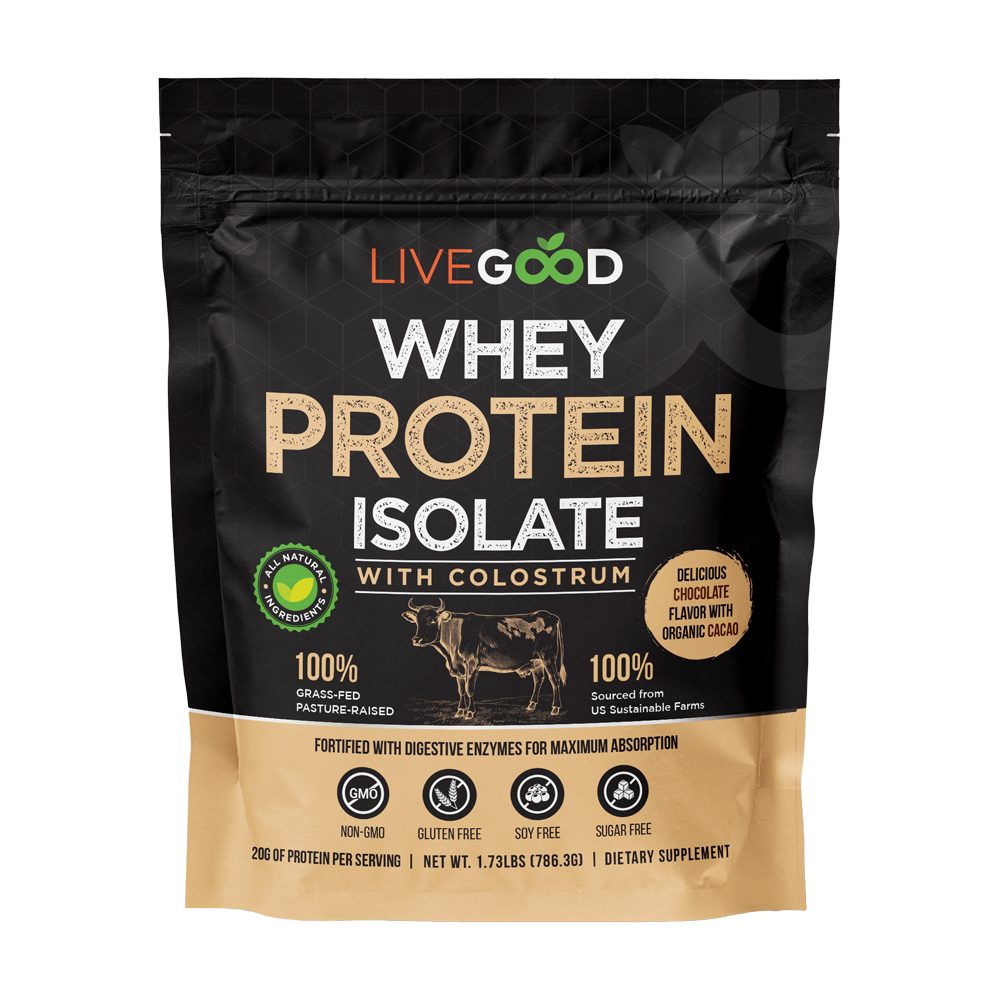
Whey Protein Isolate - With Colostrum offers 20 grams of clean protein with all nine essential amino acids in chocolate flavor made with organic cacao. It includes colostrum and digestive enzymes to support gut health, immune function, digestion, and nutrient absorption. The whey is 100% grass-fed, pasture-raised, and sourced from sustainable US farms. It is $39.95 for members versus $49.95 retail, supporting the idea that wellness should not be a luxury.
What Else Affects Soreness
Protein is only one part of recovery. Your biggest lever is often training progression. A sudden jump in weight, repetitions, downhill running, or unfamiliar movements is more likely to cause DOMS than a gradual increase. Start new exercises with less volume than you think you can handle, then build over the following weeks.
Sleep matters because many repair and adaptation processes occur during rest. Most adults should aim for a consistent schedule that allows roughly seven to nine hours. One poor night will not erase your workout, but repeated sleep loss can affect performance, appetite, coordination, and how difficult exercise feels.
Calories and carbohydrates also matter. Protein supplies amino acids, while carbohydrates help restore glycogen, the stored form of carbohydrate your muscles use during activity. If you regularly train hard while eating too little overall, recovery may feel slower even when your protein intake looks adequate.
Gradual training, steady nutrition, hydration, and consistent sleep all contribute to a practical recovery routine.
Hydration supports normal physical function, but drinking extra water is not a proven way to erase DOMS. Drink according to thirst and replace more fluid when heat or heavy sweating raises your needs. Gentle movement, such as walking or easy cycling, may temporarily reduce stiffness. Massage and foam rolling may provide short-term relief for some people, although effects vary.
Static stretching feels good to many people, but it does not reliably prevent post-workout soreness. Pain relievers can also carry risks and may not be appropriate for routine workout discomfort, so ask a healthcare professional if you are considering them frequently.
Finally, use soreness to guide your next session without treating it as the only signal. Mild tenderness may allow normal or lighter activity. If soreness changes your movement, reduces your range of motion, or makes your technique unstable, give that muscle group more time. Consistent training and steady nutrition usually matter more than any quick recovery trick.
Frequently Asked Questions
Does whey protein help muscle soreness?
Whey protein may support muscle repair, but it does not reliably reduce the discomfort of DOMS. Studies report mixed results for soreness ratings, even when protein supports muscle protein synthesis or strength recovery. A shake can be useful for meeting your daily protein target, especially after training, but it should not be treated as a remedy for pain.
How long does DOMS last?
DOMS usually improves within three to five days. It often starts 8 to 24 hours after an unfamiliar or demanding workout and feels strongest after one to three days. The timeline depends on the exercise, training volume, and your experience. Seek medical care for severe swelling, dark urine, major weakness, or pain that keeps worsening.
Should you take protein before or after training?
Either time can work because your overall daily intake matters more than a narrow timing window. A protein-rich meal before training supplies amino acids during the recovery period. Protein afterward is convenient if you exercised without eating or will not have a meal soon. Choose the timing that fits your routine and follow the supplement label.
Does protein speed up recovery?
Protein can support recovery by supplying amino acids needed to rebuild muscle proteins. Some research shows a faster return of strength or performance, particularly when supplementation corrects a low protein intake. That does not mean protein always shortens soreness or makes you ready for another hard workout immediately. Sleep, calories, hydration, and training load still matter.
How much protein do you need after a workout?
Research commonly uses about 20 to 40 grams of high-quality protein after exercise, but your daily total is more important than one serving. Needs depend on body size, diet, age, training, and goals. If you already ate a protein-rich meal near your workout, you may not need a shake right away. Follow label directions for supplements.