
2 Scoops of Whey Protein at Once: Too Much?
 Written by Ben Glinsky
Ask AI about this article and Whey Protein Isolate - With Colostrum





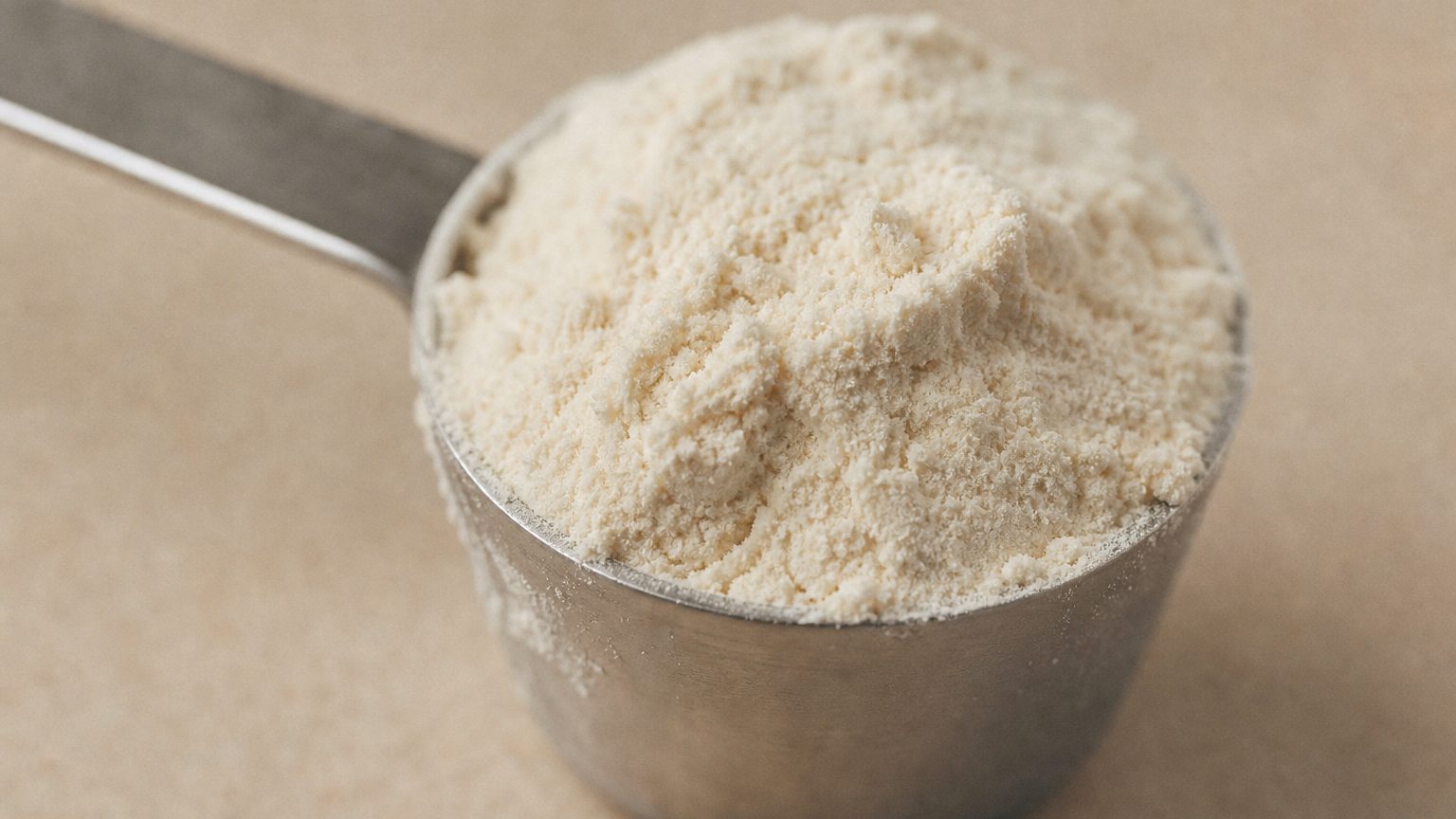
Yes, you can usually take 2 scoops of whey protein, but the 40-50 grams of protein they provide may be more than you need for muscle building in one sitting. For most healthy adults, your total daily protein intake matters more than the number of scoops in one shake. Here is how to decide whether one scoop, two separate scoops, or a double scoop fits your needs.
Key Takeaways
- Two scoops are usually safe: Most healthy adults can handle 40-50 grams of whey protein at once, although digestive comfort varies.
- One scoop is often enough: Muscle protein synthesis generally reaches a near-maximum response with about 20-40 grams of high-quality protein per meal.
- Extra protein is not wasted: Your body can use it for enzymes, hormones, tissue maintenance, or energy, but it may not produce additional muscle growth.
- Daily intake matters most: Count protein from meals, snacks, and supplements before deciding how many scoops you need.
- Health conditions change the answer: Ask your doctor before increasing protein if you have kidney or liver disease, are pregnant or breastfeeding, or manage another medical condition.
The Short Answer on Two Scoops
Two scoops of whey protein at once is generally fine for a healthy adult. Most whey powders provide around 20-25 grams of protein per scoop, so a double scoop commonly delivers 40-50 grams. Check your label because scoop sizes, protein content, calories, and serving directions vary.
The better question is whether you need that much at one time. If you just finished a strength workout and have not eaten for several hours, a larger shake may be practical. It may also help if your schedule makes regular meals difficult. But if you ate a protein-rich meal recently, the second scoop is unlikely to add much to the immediate muscle-building response.
Protein still has value beyond muscle growth. Your body uses amino acids, the smaller building blocks of protein, to maintain tissues and make enzymes, hormones, and immune-related compounds. Some amino acids may also be used for energy. That means the second scoop is not simply discarded, but it may be a less efficient way to use your protein budget.
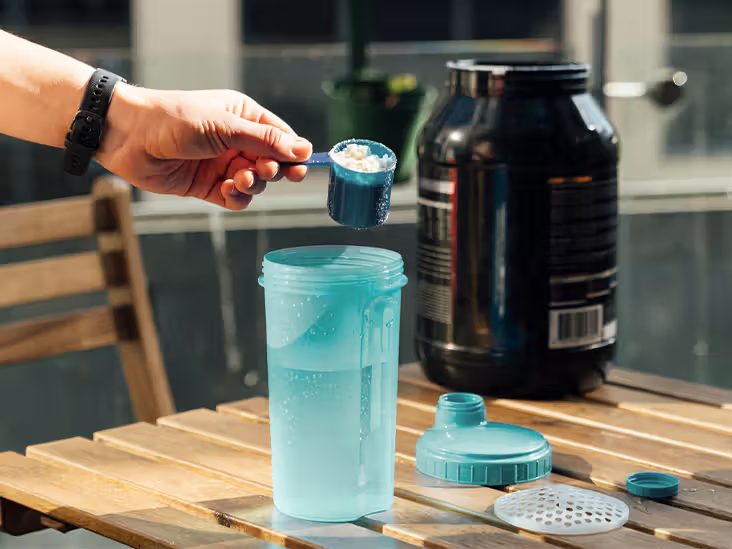
A two-scoop shake commonly supplies 40-50 grams of protein, so check the label before deciding how much you need.
Calories count too. Forty grams of protein contains about 160 calories before any carbohydrates or fat in the powder, milk, fruit, or other additions. If your shake contains 50 grams of protein, that protein alone provides about 200 calories. A double scoop can fit your routine, but it should fit your appetite, calorie needs, and daily protein target as well.
How Much Protein One Sitting Can Use
Your body can digest and absorb more than 20 or 30 grams of protein at once. The often-repeated claim that anything above a fixed amount is wasted confuses absorption with muscle protein synthesis.
Muscle protein synthesis is the process your body uses to repair and build muscle proteins. A meal containing high-quality protein turns that process on, especially when it supplies enough leucine. Leucine is an essential amino acid that acts like one of the main signals telling muscle tissue that amino acids are available.
For many adults, roughly 20-40 grams of high-quality protein produces a strong muscle protein synthesis response. The useful amount depends on body size, age, training, the meal's other foods, and how long it has been since you last ate. Larger adults, older adults, and people completing demanding full-body workouts may benefit from the upper part of that range.

Spreading whey across the day can create multiple protein-rich meals while reducing the size of each shake.
This is a plateau, not a hard limit. Once muscle protein synthesis is near its maximum response, another 20 grams does not necessarily create twice as much muscle. Your body can still use those amino acids for other tissues and normal body functions. It can also use them for energy, while nitrogen from amino acid breakdown is processed and removed in urine.
That is why splitting two scoops is often the more efficient choice. One scoop after training and another later with a low-protein meal can create two opportunities to stimulate muscle protein synthesis. You do not need perfect timing, though. A steady pattern of adequate protein across the day matters more than rushing to finish a shake immediately after exercise.
What Your Daily Total Should Look Like
Start with your daily target, then use whey to fill the difference between that target and what you get from food. Do not begin with an arbitrary number of scoops. For the full per-day calculation, including plant powders, see how many scoops of protein powder per day.
The general adult protein allowance is about 0.8 grams per kilogram of body weight per day. To convert pounds to kilograms, divide your weight in pounds by 2.2. A 165-pound person weighs about 75 kilograms, making the general baseline approximately 60 grams of protein daily.
That baseline is meant to cover basic needs for most adults, not necessarily to optimize training recovery or muscle development. According to a position stand published in the Journal of the International Society of Sports Nutrition, physically active adults commonly benefit from about 1.4-2.0 grams per kilogram per day. The same 165-pound person would land around 105-150 grams. Not everyone needs the top of that range.
A practical approach looks like this:
- Estimate your target based on body weight, activity, age, and goals.
- Track a normal day of meals before adding powder.
- Subtract your food protein from your daily target.
- Use only enough whey to close the remaining gap.
- Spread protein across three to five meals or snacks when possible.
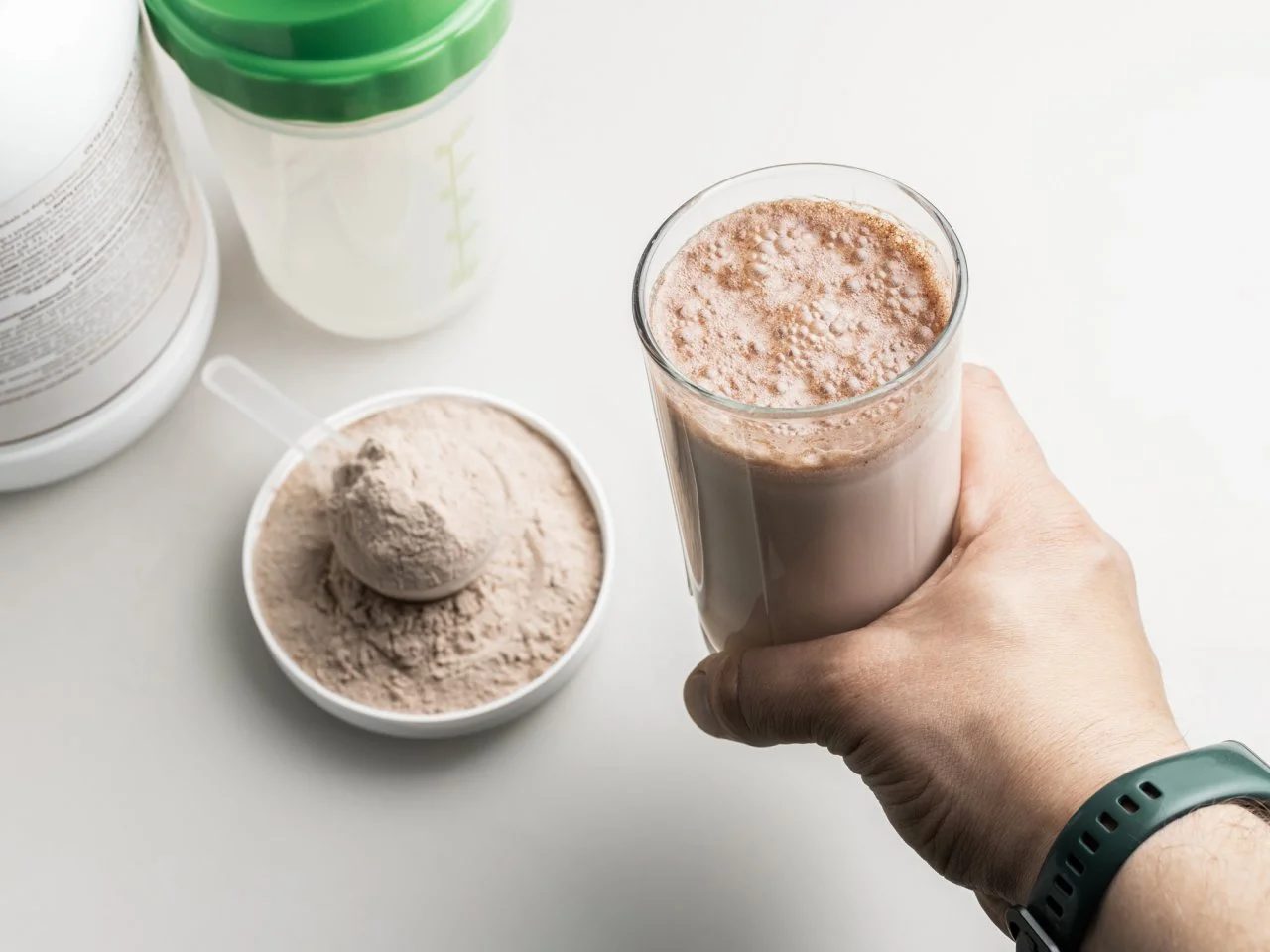
Your daily protein target should include food, snacks, and supplements rather than whey alone.
Suppose your target is 120 grams and food provides 95 grams. One 25-gram scoop closes the gap. If food provides only 70 grams, two scoops may be reasonable, preferably divided across the day. Whole foods should still provide much of your nutrition because they supply fiber, fats, carbohydrates, vitamins, and minerals that whey alone does not.
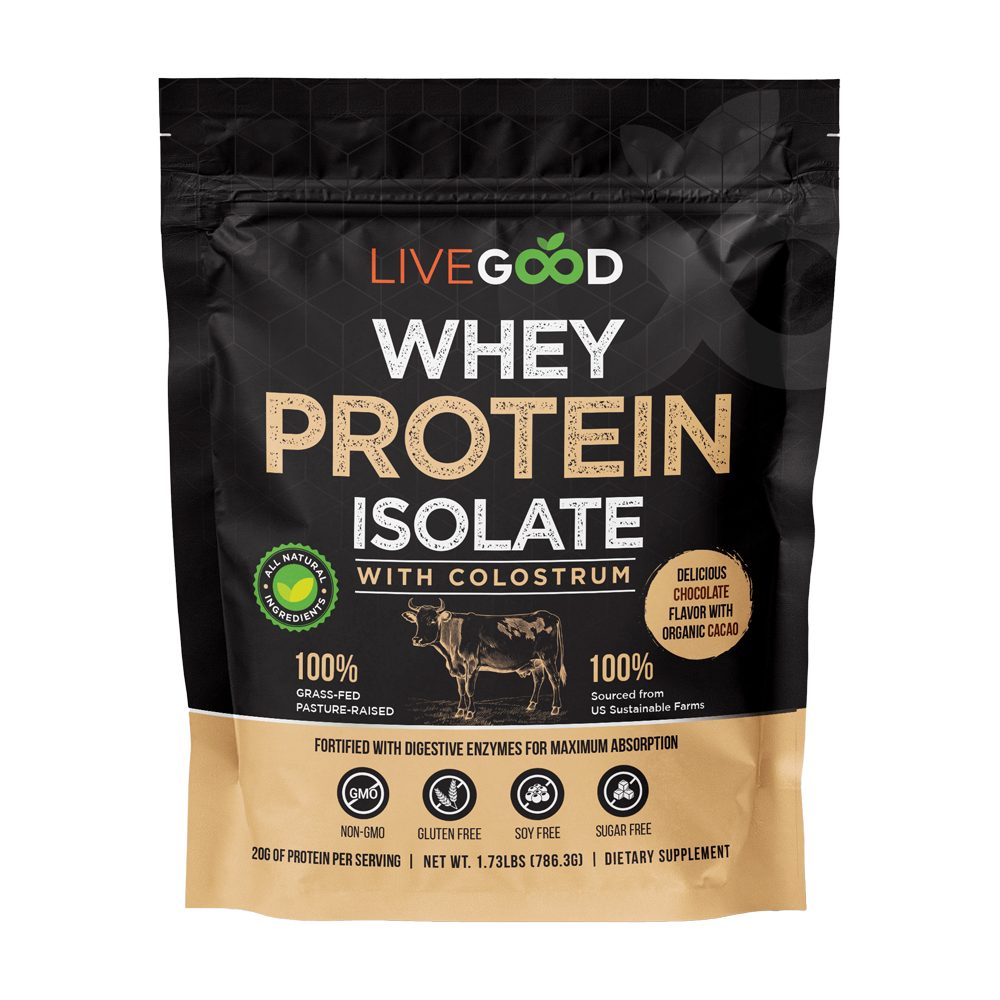
If one scoop fills your protein gap, LiveGood Whey Protein Isolate - With Colostrum provides 20 grams of protein and all nine essential amino acids. The chocolate formula uses organic cacao, 100% grass-fed, pasture-raised whey sourced from sustainable US farms, plus colostrum and digestive enzymes to support digestion, absorption, gut health, and immune health. It is $39.95 for members versus $49.95 retail, supporting LiveGood's mission to "Provide the highest quality supplements in the world, at the lowest prices possible."
When Two Scoops Does Make Sense
A double scoop can make sense when it fills a real protein gap and is comfortable for you to digest. Convenience is a valid reason. You do not have to force every gram of protein to come from cooking, especially on a busy day.
Two scoops may be useful when:
- You are a larger or highly active adult with a higher daily target.
- You regularly perform resistance training or demanding endurance exercise.
- You missed a meal and need a convenient source of complete protein.
- Your usual breakfast or snack contains very little protein.
- You follow a calorie-controlled eating plan and need a concentrated protein source.
- A registered dietitian has recommended a higher intake for your circumstances.

Two scoops can be practical on busy or highly active days when food does not cover your protein target.
Even in these situations, taking one scoop twice a day is often more practical than drinking two scoops at once. For example, have one scoop after a morning workout and the second with an afternoon snack. This spreads your intake, may feel easier on your stomach, and gives you another protein-rich eating occasion.
A two-scoop shake can still be appropriate after a long training session, during travel, or when your next meal is several hours away. It can also work for someone whose body size puts a normal meal serving near 40 grams of protein. The key is to treat powder as a flexible food supplement, not as a required workout ritual.
Follow the product's serving directions rather than assuming every scoop is identical. Also count milk, yogurt, nut butter, or other smoothie ingredients. A shake labeled as two scoops can become a much larger meal once those additions are included.
Signs You Are Overdoing It
There is no universal scoop number that suddenly becomes too much. Problems are more likely when whey consistently pushes your intake far beyond your needs, crowds out balanced meals, or causes symptoms.
Common signs that your current amount may not suit you include:
- Bloating, gas, cramping, or loose stools after shakes
- Constipation, especially if powder replaces fiber-rich foods
- Nausea or uncomfortable fullness from a large serving
- Unplanned calorie intake that works against your goals
- Depending on several shakes while eating few whole foods
- Regularly exceeding your target without a clear reason
Whey comes from milk. Lactose-sensitive people may tolerate whey isolate better than whey concentrate because isolate usually contains less lactose, but products differ. Whey is not appropriate for someone with a milk protein allergy unless a qualified healthcare professional says otherwise. Stop using a product and seek urgent care for trouble breathing, facial swelling, or another sign of a serious allergic reaction.
Digestive discomfort is a practical sign that your whey serving or product choice may need adjustment.
High protein intake has not been shown to damage healthy kidneys. Kidneys filter waste products created when your body processes protein, but greater filtration in a healthy person is not the same as kidney injury. The situation is different if kidney function is already impaired. People with kidney disease may need an individualized protein limit and should talk to their doctor or renal dietitian before using whey.
Ask your doctor before changing your protein intake if you have kidney or liver disease, another existing medical condition, take prescription medication, or are pregnant or breastfeeding. For everyone else, adjust gradually and pay attention to digestion. Consistency matters more than chasing the largest possible shake, and supplements should support a varied diet rather than replace it.
Frequently Asked Questions
Can you take 2 scoops of whey protein at once?
Yes, most healthy adults can take two scoops of whey protein at once. That usually supplies 40-50 grams of protein, depending on the label. Your body can digest it, but one large serving may provide more than is needed to maximize the immediate muscle-building response. Splitting the scoops between two meals or snacks is often more efficient and easier to digest.
Is two scoops of whey protein too much?
Two scoops is not automatically too much, but it may be unnecessary if your meals already meet your protein needs. Add up protein from food and supplements, then compare it with a target based on your body weight and activity. Reduce the serving if it causes bloating, replaces balanced meals, or adds calories you did not plan for.
How many scoops of whey protein per day is safe?
There is no single safe scoop limit because products and individual needs differ. For many healthy adults, one or two scoops can fit a balanced diet when used to close a measured protein gap. Follow the label, include all dietary protein in your total, and consult your doctor before increasing intake if you have kidney disease, liver disease, or another medical condition.
What happens if you drink too much protein powder?
Too much protein powder can cause bloating, gas, nausea, loose stools, constipation, or unwanted calorie intake. Heavy reliance on shakes may also crowd out fiber and micronutrients from whole foods. Extra protein is not converted directly into more muscle. Your body uses what it needs for tissues and other functions, may burn some for energy, and removes the resulting nitrogen waste.
Is whey protein bad for your kidneys?
Whey protein has not been shown to harm healthy kidneys when total intake is appropriate. Protein processing does increase the kidneys' workload, but that normal response is not evidence of damage in a healthy person. Existing kidney disease changes the calculation because protein may need to be limited. If you have reduced kidney function or related concerns, ask your doctor before taking whey.