
CBD and Dogs in Discomfort: What Owners Should Know
 Written by Ben Glinsky
Ask AI about this article and CBD Oil - For Pets (500mg Beef)






CBD oil for dogs is not a substitute for finding out why your dog is limping, stiff, restless, or uncomfortable. Canine research is still early, and any CBD product should be considered only with your veterinarian's guidance. Here is what the evidence covers, which safety risks matter most, and what to ask before giving your dog anything.
Key Takeaways
- Start with a diagnosis: Limping and other signs of discomfort can come from injuries, joint disease, infection, or another problem requiring veterinary care.
- Keep expectations realistic: Small canine studies have examined CBD, but the evidence is limited and does not establish it as a replacement for veterinary treatment.
- Avoid xylitol completely: This sweetener can cause life-threatening poisoning in dogs and may appear in products made for people.
- Check every medication: CBD can affect liver enzymes that process many prescription drugs, so ask your veterinarian before combining them.
- Verify the actual product: Choose a pet formula with a recent, batch-specific certificate of analysis and follow its label rather than guessing a serving.
Discomfort in a Dog Needs a Diagnosis
A limp is a symptom, not a diagnosis. It might follow a minor strain, but it can also point to a torn ligament, damaged paw, broken nail, arthritis, spinal problem, infection, or bone disease. Restlessness, panting, reduced appetite, reluctance to climb stairs, and changes in posture can also have many causes. CBD cannot tell you which one is affecting your dog.
Dogs often hide discomfort until a problem has become significant. Delaying an examination can allow an injury or illness to worsen, especially if your dog continues running or jumping. A veterinarian can watch your dog walk, examine the joints and spine, check the paws, and decide whether imaging or laboratory work is needed. That diagnosis determines whether the next step should be rest, rehabilitation, weight management, surgery, prescription medication, or another form of care.

A veterinary examination can help identify why a dog is limping or moving differently.
Seek urgent veterinary help if your dog cannot stand, will not put weight on a leg, cries when touched, has a swollen abdomen, struggles to breathe, seems disoriented, or develops symptoms after a fall or collision. Sudden weakness or dragging of the back legs is also an emergency.
Do not give ibuprofen, naproxen, acetaminophen, or another human pain medicine unless a veterinarian specifically directs you to do so. Several common human medicines can poison dogs. Starting CBD before an examination may also complicate the symptom history and delay appropriate care. The safest order is diagnosis first, a veterinary plan second, and a discussion of optional supplements after that.
What the Canine Research Covers
Research on CBD oil for dogs is growing, but it remains much smaller than advertising often suggests. CBD, short for cannabidiol, is one of many compounds found in hemp. It interacts with the endocannabinoid system, a network involved in signaling throughout the body. That biological interaction is interesting, but a plausible mechanism is not the same as proof that a supplement produces a clinical benefit.
Most canine trials have been small and short. Researchers have studied dogs with osteoarthritis using owner questionnaires, veterinary examinations, activity monitors, and mobility tests. Some trials reported differences in certain scores, while others produced less clear results. These studies may use different formulas, serving schedules, and outcome measures, making direct comparisons difficult. Owner observations can also be influenced by expectations.

Canine CBD studies remain small, so their findings should be interpreted cautiously.
Researchers have separately examined CBD in dogs with seizure disorders, often alongside prescription treatment. Those studies do not show that an over-the-counter CBD oil can treat seizures, and a dog with seizures needs veterinary supervision. The FDA has approved one CBD prescription medicine, Epidiolex, for certain seizure disorders in people. That approval does not apply to pet supplements.
Safety and absorption studies provide useful information about how dogs process CBD. Reported concerns include sleepiness, digestive changes, altered liver enzyme test results, and interactions with medication. Longer and larger studies are still needed.
Product quality adds another uncertainty. Independent testing has repeatedly found differences between some CBD labels and their actual cannabinoid contents. Research on an ingredient is not proof that every retail formula has the same composition or produces the same result. Honest guidance therefore starts with limited expectations, veterinary input, and verification of the specific bottle.
The Xylitol Danger in Human Products
Human CBD oil is not automatically safe for a dog. One of the biggest concerns is xylitol, a sweetener that may be used in flavored drops, gummies, sprays, dissolvable products, and other items made for people. It may also appear on a label as birch sugar.
Xylitol can trigger a rapid release of insulin in dogs. That can send blood sugar dangerously low, a condition called hypoglycemia. Signs may include vomiting, weakness, shaking, poor coordination, collapse, or seizures. Larger exposures can also damage the liver. Even a product that seems only mildly sweet can be dangerous, and you should not try to estimate safety based on taste.
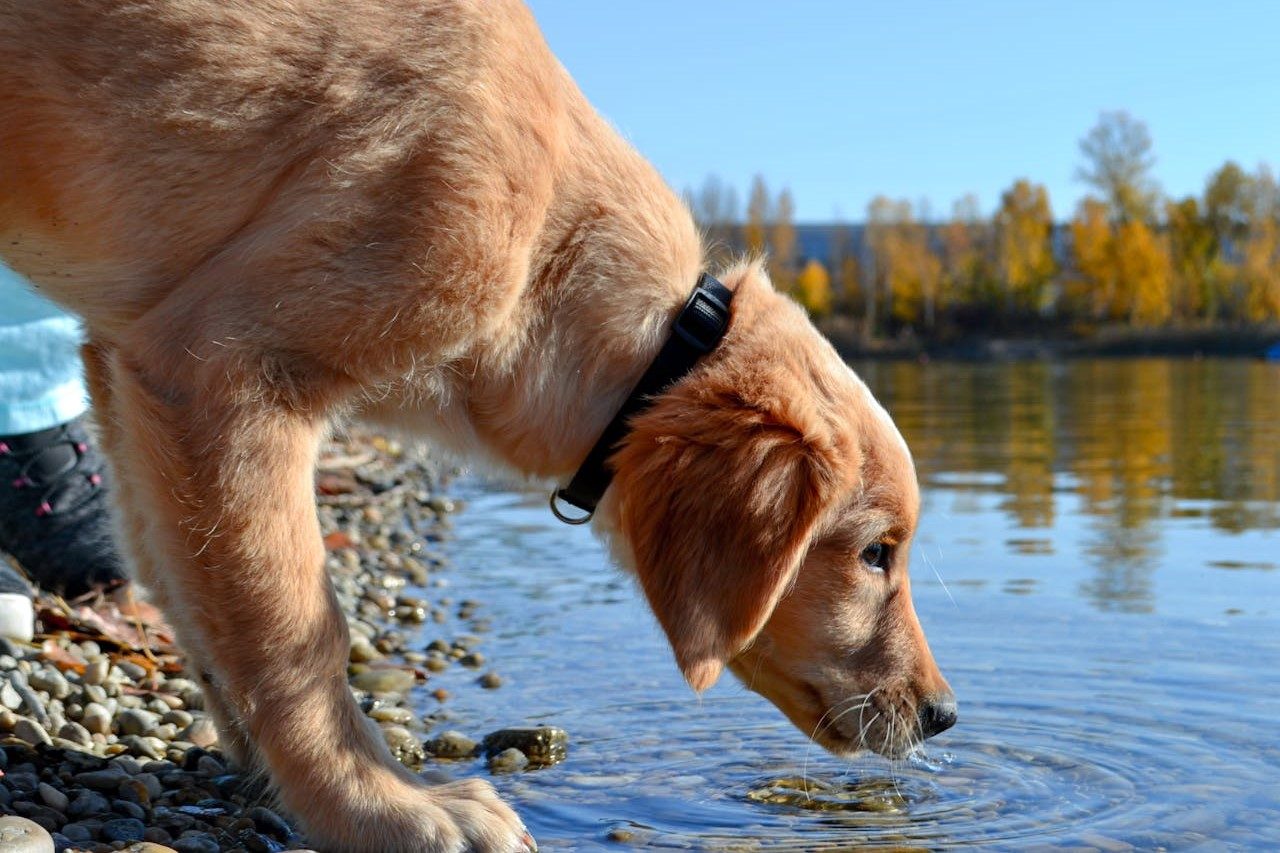
Check every ingredient label because xylitol and excessive THC can be dangerous for dogs.
If your dog consumes a product containing xylitol, contact a veterinarian or animal poison control service immediately. Do not wait for symptoms. Do not induce vomiting unless a veterinary professional tells you to, since the safest response depends on what was swallowed and your dog's condition. Bring the package or photograph the ingredient list so the veterinary team can identify the contents quickly.
Human products may create other problems too. Gummies can contain concentrated sugar, chocolate flavoring, or additional active ingredients. Some cannabis products contain enough THC to cause poisoning. Dogs are especially sensitive to THC, which may cause severe sleepiness, wobbling, urine leakage, an abnormal heart rate, or an exaggerated response to sound and touch.
A pet label reduces some avoidable risks, but it is not a guarantee of quality. Read the complete ingredient list every time. Confirm that xylitol is absent, check for additional active ingredients, and review a current certificate of analysis before use.
Interactions With Veterinary Medication
CBD can interact with medication because the liver uses enzyme systems to process many substances. One important group is known as cytochrome P450, often shortened to CYP450. If CBD changes how these enzymes work, another medication could remain in the body longer or be cleared differently than expected.
This matters for dogs taking prescription pain medication, anti-seizure drugs, sedatives, steroids, heart medication, or medicines that already require liver monitoring. It may also matter for over-the-counter products and other supplements. A list cannot cover every possible combination, so the absence of a drug from a short online list does not mean the combination is safe.
Do not choose between gabapentin and CBD, or between any prescription medicine and CBD, without your veterinarian. They are not interchangeable. A prescribed drug has a specific purpose, known directions, and a monitoring plan based on your dog's diagnosis. Stopping it suddenly could allow symptoms to return or create additional risks. CBD should never replace veterinary pain management or another prescribed treatment.
Possible unwanted effects associated with CBD exposure in dogs include sleepiness, loose stool, vomiting, changes in appetite, drooling, and unsteady movement. Liver enzyme values may also change. Contact your veterinarian if you notice a new symptom, especially after introducing a product or changing the label-directed amount.
Your veterinarian may recommend baseline blood work or follow-up testing, particularly if your dog has a liver or kidney condition, takes long-term medication, or uses several products. Bring a complete list of prescriptions, preventives, treats, and supplements. For people considering CBD, the same basic interaction warning applies: anyone taking prescription medication should ask a doctor first.
What to Ask Your Vet
A useful veterinary conversation is specific. Instead of asking only whether CBD is good or bad, explain what you have observed, when it began, and what makes it better or worse. Mention changes in walking, sleep, appetite, bathroom habits, play, and willingness to use stairs. Videos recorded at home can help because some dogs move differently in the clinic.
Ask these questions before choosing a product:
- What is the likely cause of my dog's discomfort?
- Does my dog need imaging, blood work, rest, rehabilitation, or prescription treatment?
- Could CBD interact with any current medicine, preventive, or supplement?
- Should liver values or other laboratory markers be checked?
- Which side effects should prompt me to stop and call the clinic?
- When should my dog be rechecked?
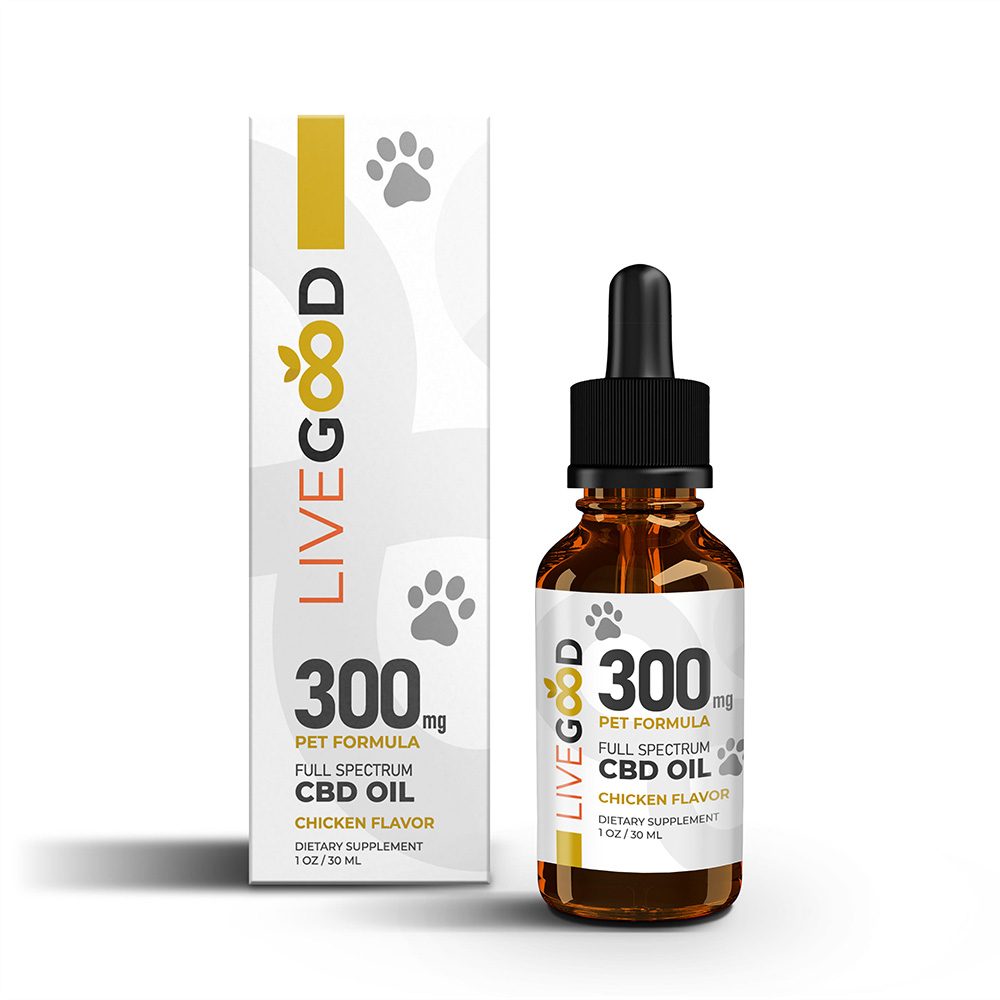
Bring the product label and batch-specific laboratory report to your veterinary appointment.
Show your veterinarian the exact product, not just the brand name. A useful certificate of analysis, or COA, is a laboratory report tied to the bottle's batch number. It should confirm how much CBD and THC the sample contained and screen for contaminants such as pesticides, heavy metals, microbes, and residual solvents. Avoid products that provide only a generic or expired report.
If your veterinarian approves a pet CBD oil, follow its weight-based label directions. Do not copy an amount from a study, social media post, or human product. Start low, go slowly, and change only one part of your dog's routine at a time. Our CBD dosing guide for dogs explains how to read weight-based directions without replacing personalized veterinary advice.
Keep a simple daily log of appetite, activity, stool, sleepiness, mobility, and medication timing. This gives your veterinarian more useful information than a general impression. It also helps you notice unwanted changes early.
If your veterinarian agrees that CBD fits your dog's plan, CBD Oil - For Pets (500mg Beef) is a beef-flavored, full-spectrum formula made with the same highest quality ingredients and processes as LiveGood's human formulas. Full-spectrum products contain trace THC, so follow the pet label exactly. Add it to food, use the label's weight-based directions, and start low and go slow. It is $12.95 for members versus $24.95 retail, reflecting "Highest Quality. Lowest Prices. Every Day."
Frequently Asked Questions
Can you give a dog CBD oil?
Yes, some owners can give a dog CBD oil after discussing the specific product and the dog's health with a veterinarian. Use a pet formula without xylitol, verify its batch-specific laboratory report, and follow the label. A dog that is limping or showing other signs of discomfort still needs an examination to identify the cause before any supplement is considered.
Does CBD help dogs with joint problems?
Evidence is not strong enough to promise that CBD will help a dog with a joint problem. A few small studies have reported changes in owner or veterinary assessment scores, but methods and results vary. Joint symptoms may come from several conditions, so your veterinarian should diagnose the cause and recommend proven care rather than using CBD as a replacement.
Is human CBD oil safe for dogs?
Human CBD oil is not automatically safe for dogs because it may contain xylitol, extra active ingredients, or more THC than intended for a pet. Xylitol can cause a rapid, life-threatening drop in blood sugar. If your dog consumes a human product, check the ingredients and contact a veterinarian or animal poison control service promptly rather than waiting for symptoms.
What are the side effects of CBD in dogs?
Possible side effects include sleepiness, loose stool, vomiting, appetite changes, drooling, and unsteady movement. CBD exposure may also change liver enzyme test results or affect how the body processes medication. Stop using the product and call your veterinarian if your dog develops a concerning symptom, becomes difficult to wake, collapses, or may have consumed THC or xylitol.
Should CBD replace vet-prescribed medication?
No, CBD should never replace medication prescribed by your veterinarian. Prescription drugs are selected for a diagnosed problem and may require a careful schedule, taper, or laboratory monitoring. Changing or stopping them without guidance can put your dog at risk. Ask the prescribing veterinarian whether CBD is appropriate alongside the current plan and what monitoring would be needed.