
Can You Build Muscle With Hemp Protein?
 Written by Ben Glinsky
Ask AI about this article and Organic Complete Plant-Based Protein





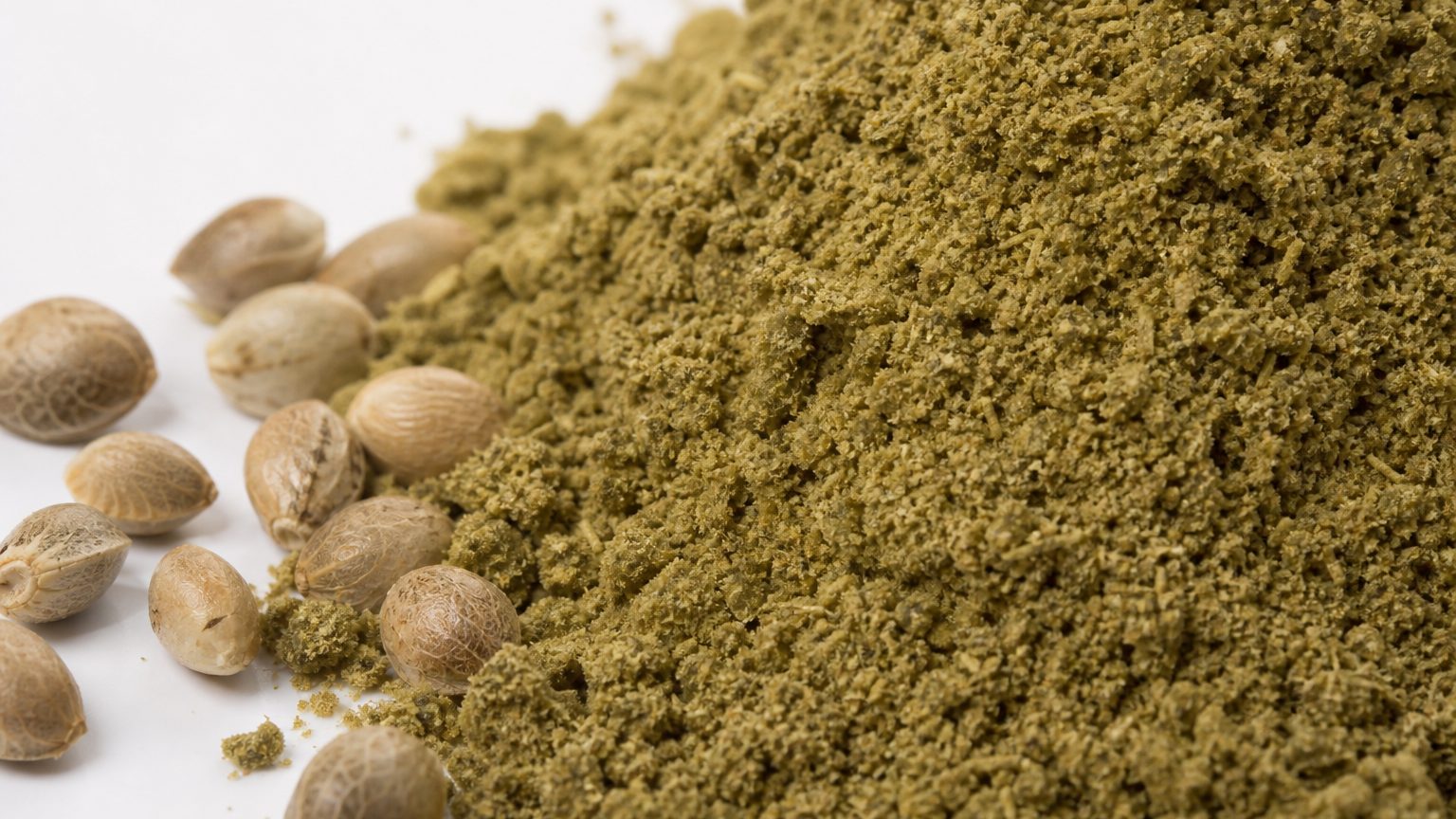
Yes, you can build muscle with hemp protein when you combine enough total protein with progressive resistance training. The catch is numerical: hemp usually provides less leucine and less protein per scoop than whey or a concentrated pea and soy blend, so one standard scoop may not be enough.
Key Takeaways
- Hemp can support muscle growth: It contains all nine essential amino acids your body must obtain from food.
- Leucine is the main limitation: A typical hemp serving may provide about 1.0-1.4 grams, below the roughly 2-3 grams often used to maximize the muscle-building response to a meal.
- Protein density varies: A 30-gram serving of hemp powder often contains 15-20 grams of protein, compared with about 23-25 grams in many isolates.
- The full meal counts: Hemp does not need to supply every gram of leucine if your meal also contains beans, soy, peas, grains, or another protein source.
- Consistency matters most: Adequate daily protein, regular strength training, sleep, and gradually increasing the training challenge matter more than choosing a fashionable powder.
Hemp Protein Is Complete, But
Hemp protein is made by pressing oil from hemp seeds and grinding the remaining seed material into powder. It is considered a complete protein because it contains all nine essential amino acids. These are amino acids your body cannot make in adequate amounts, so you must obtain them from food.
"Complete" does not mean that every essential amino acid appears in the ideal amount for muscle building. Hemp tends to be relatively low in lysine, and it supplies less leucine than whey protein. Leucine is an essential amino acid that acts as an important signal for muscle protein synthesis, the process your body uses to build new muscle proteins.
Research examining hempseed protein has found that its nutritional quality depends on both its amino acid balance and how well it is digested. One study of hempseed protein quality classified it as a useful but not exceptionally high-quality protein compared with more concentrated or better-balanced options. Processing methods and the amount of fiber left in the powder can also affect digestibility.
That does not make hemp ineffective. Your muscles respond to amino acids from your entire diet, not to a marketing category printed on one container. Hemp can contribute meaningful protein, particularly for someone who eats a plant-based diet or prefers its earthy flavor and less-refined composition. You simply need to look beyond the word "complete" and check the actual protein and leucine supplied by your serving.
For a broader explanation of amino acid quality, see complete vs. incomplete proteins.
The Leucine Threshold Explained
The leucine threshold is the approximate amount of leucine in a meal needed to strongly stimulate muscle protein synthesis. It is not a perfect on-off switch. Age, body size, training status, meal size, and the other amino acids present all influence the response. Still, roughly 2-3 grams of leucine per meal is a useful planning range for many adults.
Hemp protein generally contains about 6-7% leucine by protein weight. That means 20 grams of actual hemp protein may provide around 1.2-1.4 grams of leucine. By comparison, 24 grams of whey protein, at roughly 10-11% leucine, may provide about 2.4-2.6 grams.
You can use this formula with any powder:
Leucine per serving = grams of protein x leucine percentage
For example, a powder supplying 18 grams of hemp protein at 6.5% leucine would provide about 1.17 grams of leucine:
18 x 0.065 = 1.17 grams
To obtain 2.5 grams of leucine from hemp protein alone, you would need approximately 36-42 grams of actual hemp protein. If a powder is only 50% protein by weight, that could mean roughly 72-84 grams of powder. A more concentrated hemp product would require less powder.
You do not necessarily need that much hemp at once. Leucine and protein from the rest of the meal count too. Hemp blended with soy milk, pea protein, beans, or other protein-rich foods may reach the same practical target with a smaller amount of powder. Check whether the manufacturer publishes an amino acid profile, since the nutrition label usually lists total protein but not leucine.
Protein Density Per Scoop
Protein density tells you how much of a powder's total weight is protein. Hemp powders often retain fiber and some fat from the seed. Those nutrients can be useful in a balanced diet, but they leave less room for protein in each scoop.
The comparison below shows typical ranges rather than guaranteed label values:
| Powder type | Typical 30-gram serving | Estimated leucine |
|---|---|---|
| Hemp protein powder | 15-20 grams protein | 1.0-1.4 grams |
| Pea protein isolate | 22-25 grams protein | 1.8-2.1 grams |
| Soy protein isolate | 23-25 grams protein | 1.8-2.1 grams |
| Whey protein | 23-25 grams protein | 2.4-2.8 grams |
These differences explain why two scoops of the same size may not be nutritionally equivalent. A 30-gram scoop of hemp powder could provide only 15 grams of protein, while the same weight of whey or soy isolate could provide close to 25 grams. A concentrated pea and soy blend may also deliver more total protein per scoop than hemp alone.
Read the serving size and protein line together. If the serving weighs 30 grams and contains 15 grams of protein, the powder is 50% protein. If it contains 24 grams, it is 80% protein. The second product delivers more protein with less powder, regardless of how large the included scoop looks.
Protein density matters when appetite, calories, or digestive comfort are concerns. Large servings of hemp also bring more fiber, which may cause gas, fullness, or loose stools in some people. Start with the labeled serving and see how it fits into your full meal rather than assuming that more powder is automatically better.
How to Make Hemp Work for Muscle
Start with your total day, not your post-workout shake. A commonly used sports nutrition range for active adults is about 1.4-2.0 grams of protein per kilogram of body weight per day. For a 75-kilogram person, about 165 pounds, that equals 105-150 grams from all foods and supplements combined. Individual needs vary, so treat this as research context rather than a personalized prescription.
Next, spread protein across several meals. Four meals containing 25-35 grams of protein are often easier to manage than trying to catch up with one very large dinner. Each meal can include hemp, but the protein does not need to come entirely from powder.
When evaluating a hemp product:
- Find the serving weight in grams.
- Find the grams of protein in that serving.
- Look for a published amino acid profile.
- Multiply protein grams by the listed leucine percentage.
- Count the protein and leucine from the rest of the meal.
If one labeled serving provides 18 grams of protein and about 1.2 grams of leucine, combine it with a protein-containing meal instead of automatically doubling or tripling the powder. Soy milk, tofu, lentils, beans, peas, and higher-protein grains can all contribute amino acids.
Timing is flexible. Protein eaten within a few hours before or after training can support recovery, but there is no tiny window that closes immediately after your last set. Daily intake and a repeatable routine matter more. Follow the product label, and increase dietary fiber gradually if hemp feels heavy on your stomach.
Talk to your doctor or a registered dietitian before substantially changing protein intake if you are pregnant, breastfeeding, taking prescription medication, or living with a kidney, liver, or other existing medical condition.
Organic Complete Plant-Based Protein combines organic pea protein, which supplies all nine essential amino acids plus BCAAs, with organic hemp protein in a vanilla powder containing 26 vitamins and minerals. Mix it with water or blend it into a smoothie any time of day, while counting its protein toward your daily target. It is $39.95 for members versus $49.95 retail, reflecting LiveGood's mission: "Provide the highest quality supplements in the world, at the lowest prices possible."
Blending It With Other Plant Proteins
Blending hemp with another plant protein is often the easiest way to improve both protein density and amino acid balance. You keep hemp's nutty flavor and seed-derived fiber while obtaining more leucine and protein from a concentrated ingredient such as pea or soy protein.
Pea protein is especially useful because it generally provides more lysine and leucine than hemp. Soy is another complete plant protein with a higher protein concentration in isolate form. Rice protein can contribute additional sulfur-containing amino acids, although it is relatively low in lysine when used alone. There is no single required ratio. The nutrition label and amino acid profile matter more than whether the front of the package lists two, three, or five protein sources.
For a simple homemade approach, you could use a labeled serving of hemp powder as part of a smoothie containing soy milk, or combine a smaller amount of hemp with pea protein. You can also use hemp in oatmeal alongside soy foods, nuts, or seeds. The goal is not to create a chemically perfect shake. It is to build a meal that supplies enough total protein and a useful amount of leucine without becoming uncomfortably large.
A blend also makes the leucine calculation more practical. Suppose hemp contributes 15 grams of protein and about 1 gram of leucine, while pea protein contributes another 12 grams of protein and about 1 gram of leucine. Protein from soy milk or food could bring the meal into the commonly discussed 2-3 gram leucine range.
Remember that supplements support a routine. They do not replace resistance training, adequate food, sleep, or gradual progression. If you train consistently and meet your protein needs, hemp can be part of a muscle-building diet even if it is not the most concentrated option by itself.
Frequently Asked Questions
Can you build muscle with hemp protein?
Yes, you can build muscle with hemp protein when your overall diet supplies enough protein and you perform progressive resistance training. Hemp contains every essential amino acid, but it generally has less leucine and less protein per scoop than whey or concentrated plant blends. You may need a larger amount, a protein-rich meal, or a blend with pea or soy protein.
Is hemp protein a complete protein?
Yes, hemp protein is complete because it contains all nine essential amino acids. However, complete proteins are not automatically equal in quality or concentration. Hemp is relatively low in lysine and leucine compared with several other proteins. Its amino acid profile can still contribute to muscle growth when your diet supplies adequate protein from a variety of foods.
How much hemp protein do you need?
The amount depends on the powder's protein content and what else you eat. A typical 30-gram serving may supply 15-20 grams of protein and roughly 1.0-1.4 grams of leucine. Follow the label and count all protein in the meal. Reaching about 2-3 grams of leucine may require additional food or another protein source rather than more hemp powder alone.
Is hemp protein better than pea protein?
Neither is universally better, but pea protein is usually more efficient for muscle-focused servings. It tends to provide more protein, lysine, and leucine per scoop. Hemp often contributes more fiber and has a nutty, earthy taste. Combining the two can provide a more balanced amino acid profile while keeping the serving size manageable.
Does hemp protein contain THC?
Hemp seed protein contains negligible THC and should not make you feel high. Cannabinoids are concentrated mainly in the plant's flowers and resin, not inside the seeds used for protein. Trace contamination can occur during harvesting or processing, so athletes subject to drug testing should choose products with appropriate batch-specific testing and certification rather than assuming every hemp powder is identical.