
Complete vs Incomplete Proteins Explained
 Written by Nauder Khazan
Ask AI about this article and Organic Complete Plant-Based Protein





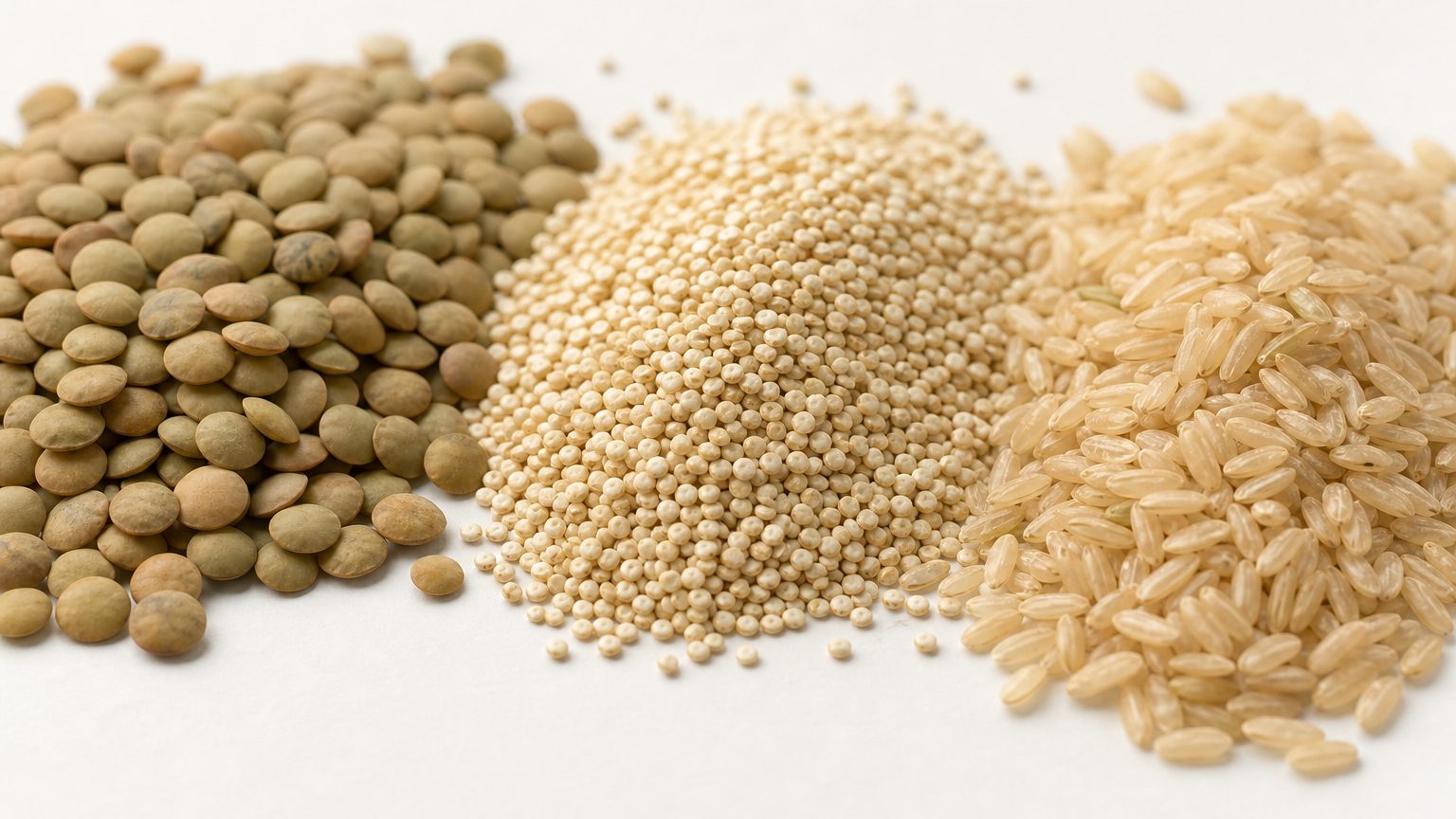
Complete proteins provide all nine essential amino acids in proportions that meet human needs. Incomplete proteins have less of one or more essential amino acids, but that does not make them poor foods. What matters most is getting enough total protein and a varied mix of amino acids across the day.
Key Takeaways
- Complete is a technical label: It means a protein supplies all nine essential amino acids in adequate proportions.
- Limiting does not mean missing: Most plant proteins contain every essential amino acid, but one may be present in a relatively low amount.
- Daily variety usually works: You do not need to combine complementary proteins at every meal.
- Plant diets can cover every amino acid: Legumes, grains, nuts, seeds, and complete plant sources can work together across the day.
- Total intake still matters: A perfect amino acid profile cannot make up for eating too little protein overall.
What Complete Protein Really Means
Protein is made from smaller compounds called amino acids. Your body uses amino acids to build and maintain muscle, skin, enzymes, hormones, and many other tissues and molecules. Of the 20 amino acids commonly used to build human proteins, nine are considered essential. Your body cannot make enough of them, so you must obtain them through food.
A complete protein contains all nine essential amino acids in proportions that meet a recognized human requirement pattern. Those amino acids are histidine, isoleucine, leucine, lysine, methionine, phenylalanine, threonine, tryptophan, and valine.
That definition is more precise than saying a complete protein simply "has all nine." Nearly every food protein contains at least some of each essential amino acid. The real question is whether the amount of each amino acid is high enough compared with the amount of protein you are eating.
Eggs, milk, Greek yogurt, fish, poultry, and meat are complete proteins. Soy foods and several other plant foods can also meet the definition. A complete label does not automatically mean a food is more nutritious, higher in protein, or better for you. It says nothing about fiber, vitamins, minerals, saturated fat, sodium, portion size, or how the food fits into your overall diet.
Likewise, "incomplete" is not a warning. Beans, oats, almonds, and many other foods given that label still contribute useful protein and valuable nutrients.
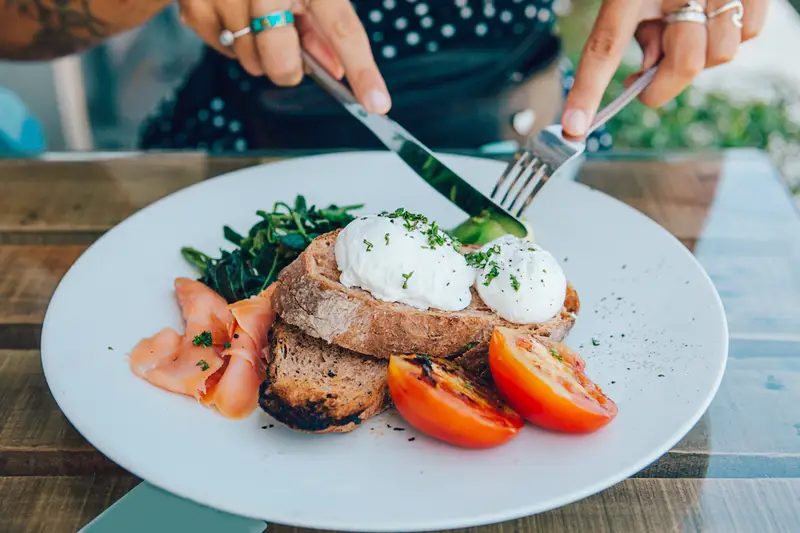
Complete proteins provide all nine essential amino acids in useful proportions, but the label does not describe a food's full nutritional value.
The Limiting Amino Acid Idea
The limiting amino acid is the essential amino acid available in the lowest proportion relative to your body's needs. It acts like the ingredient that runs out first in a recipe. If a recipe requires flour, water, and yeast, having extra flour cannot replace missing yeast. Protein building works in a similar way.
After you eat protein, digestion breaks it into amino acids and small chains called peptides. These enter an amino acid pool that includes recently absorbed amino acids and amino acids recycled as your body continually breaks down and rebuilds proteins. Cells draw from that pool to make new proteins.
If one required essential amino acid is relatively scarce, it can limit how much of a specific protein your body can make at that time. The other amino acids are not necessarily wasted. They may be used for other proteins and compounds, or broken down and used for energy. However, the body cannot store a large dedicated reserve of excess amino acids in the way it stores body fat.
In many grains, lysine is the limiting amino acid. Wheat, rice, and corn provide protein, but their lysine content is relatively low. Corn can also be low in tryptophan. Legumes such as beans, peas, and lentils tend to provide more lysine but less of the sulfur-containing amino acids methionine and cysteine. Methionine is essential, while cysteine can be made from methionine, so nutrition scoring systems often consider them together.
Protein quality also reflects digestibility, meaning how well protein is broken down and absorbed. This is why amino acid scores are more useful than a simple complete or incomplete label.
The limiting amino acid is the essential amino acid present in the lowest proportion relative to the body's needs.
Why Protein Combining Is Outdated
Complementary proteins are foods with amino acid patterns that help balance each other. The familiar example is rice and beans. Rice contributes methionine but is relatively low in lysine. Beans provide more lysine but are relatively lower in methionine. Other examples include lentils with bread, hummus with pita, or peanut butter with whole-grain bread.
These combinations are useful, affordable meal ideas. What is outdated is the rule that complementary foods must be eaten together at every meal. Your body maintains an amino acid pool and constantly recycles amino acids from normal protein turnover. If you eat grains at breakfast and legumes later in the day, their amino acids can still contribute to your overall needs.
The time window is not unlimited. Eating one balanced day does not compensate for weeks of very low protein intake. Still, most people eating enough calories and several protein-containing foods do not need to match amino acid charts meal by meal.
There is one practical nuance. If your goal is muscle growth or recovery, spreading meaningful servings of protein across meals can be useful. Each meal should ideally provide enough total protein and essential amino acids to stimulate muscle protein building. That is different from insisting that every plant-based plate contain a specific grain-and-bean pairing. Research and real-world experience show that people can build muscle on plant-based diets when energy, protein, training, and food variety are adequate.
If you want easy meal ideas, these plant-based vegan recipes rich in essential amino acids show how variety can happen naturally without complicated tracking.
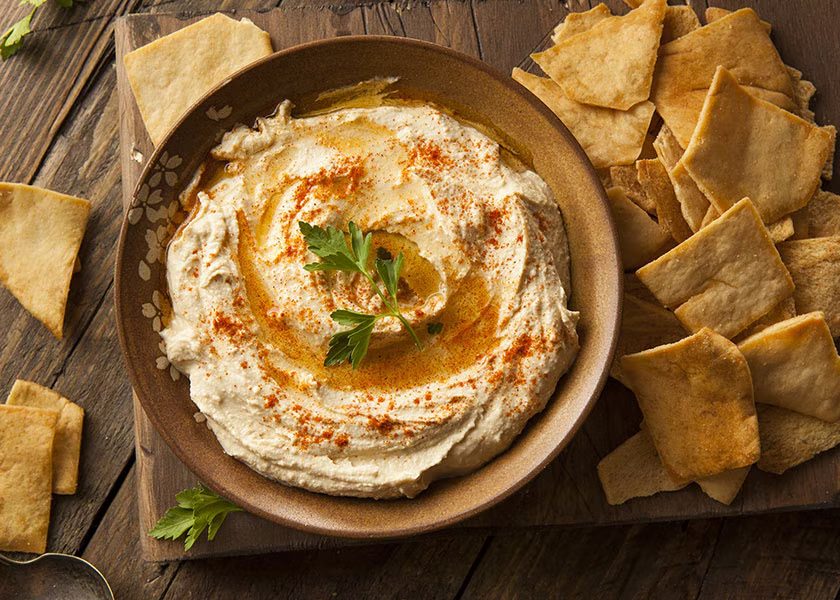
Rice and beans are complementary proteins, although they do not need to be eaten in the same meal.
Plant Sources That Are Already Complete
Animal foods are not the only complete proteins. Several plant foods provide all nine essential amino acids in proportions that can make a meaningful contribution to adult needs.
Common examples include:
- Soy foods, including tofu, tempeh, edamame, and soy milk
- Quinoa
- Buckwheat
- Amaranth
Soy is especially practical because many soy foods provide a substantial amount of protein per serving. Quinoa, buckwheat, and amaranth are complete by amino acid pattern, but the amount of protein in a typical cooked serving may be lower than in tofu, eggs, Greek yogurt, meat, or a concentrated protein powder. "Complete" describes balance, not quantity.
Pea and hemp proteins contain all nine essential amino acids, but their relative amounts differ. Pea protein is generally rich in lysine and branched-chain amino acids, or BCAAs, while methionine is more limiting. Hemp contributes protein but is often relatively low in lysine. Blending plant proteins can create a more balanced amino acid profile.
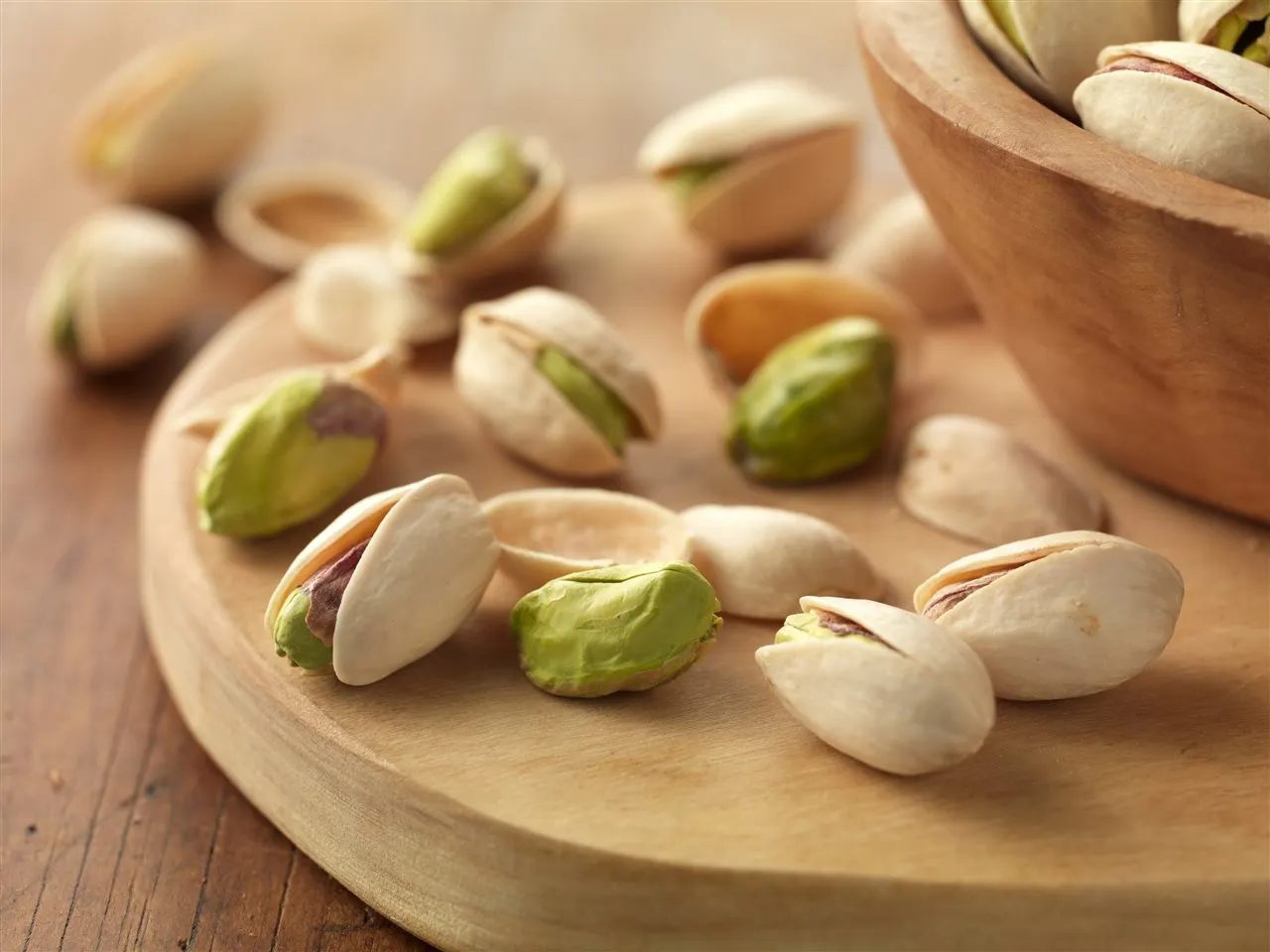
What about nuts? Almonds and many other nuts are not usually classified as complete because lysine is relatively limited. Peanuts are technically legumes, not nuts, and their sulfur-containing amino acids can be limiting. Peanut butter still contributes protein, but it should not be treated as a complete protein by itself. Pistachios may meet some adult amino acid scoring patterns, although serving size and total protein remain relevant.
You do not have to prioritize only complete sources. Lentils, chickpeas, oats, seeds, nuts, and whole grains can collectively provide an excellent amino acid mix.

Soy foods, quinoa, buckwheat, and amaranth are familiar examples of complete plant protein sources.
How Much and How Varied
For healthy adults, the basic Recommended Dietary Allowance is 0.8 grams of protein per kilogram of body weight per day, or about 0.36 grams per pound. A 150-pound adult would reach that baseline at roughly 54 grams. This is a general minimum designed to cover most healthy adults, not a personalized target for every goal.
Your needs may be higher if you train regularly, are trying to build or preserve muscle, are older, or are recovering from a period of low food intake. Rather than choosing a higher number on your own, consider your body size, activity, total calorie intake, and medical history. A registered dietitian can help set an individual target.
For everyday planning, use a few simple steps:
- Include a protein source at most meals. Examples include tofu, beans, lentils, eggs, yogurt, fish, poultry, or a protein powder.
- Rotate plant protein families. Eat some combination of legumes, whole grains, nuts, seeds, and soy foods across the day.
- Look beyond grams alone. A varied diet also supplies fiber, fats, carbohydrates, vitamins, and minerals.
- Spread intake through the day. Three protein-containing meals are generally more practical than trying to catch up with one very large serving at night.
- Eat enough overall. When calorie intake is very low, the body may use more dietary protein for energy instead of other functions.
You generally do not need to calculate individual amino acids. Pay closer attention if your diet is highly restricted, relies heavily on one staple food, or provides very little total protein. If you are pregnant, breastfeeding, take prescription medication, or have a kidney, liver, or other existing medical condition, talk to your doctor before making major dietary changes or using protein supplements.
A varied day of legumes, grains, nuts, seeds, and other protein foods can provide a balanced amino acid intake.
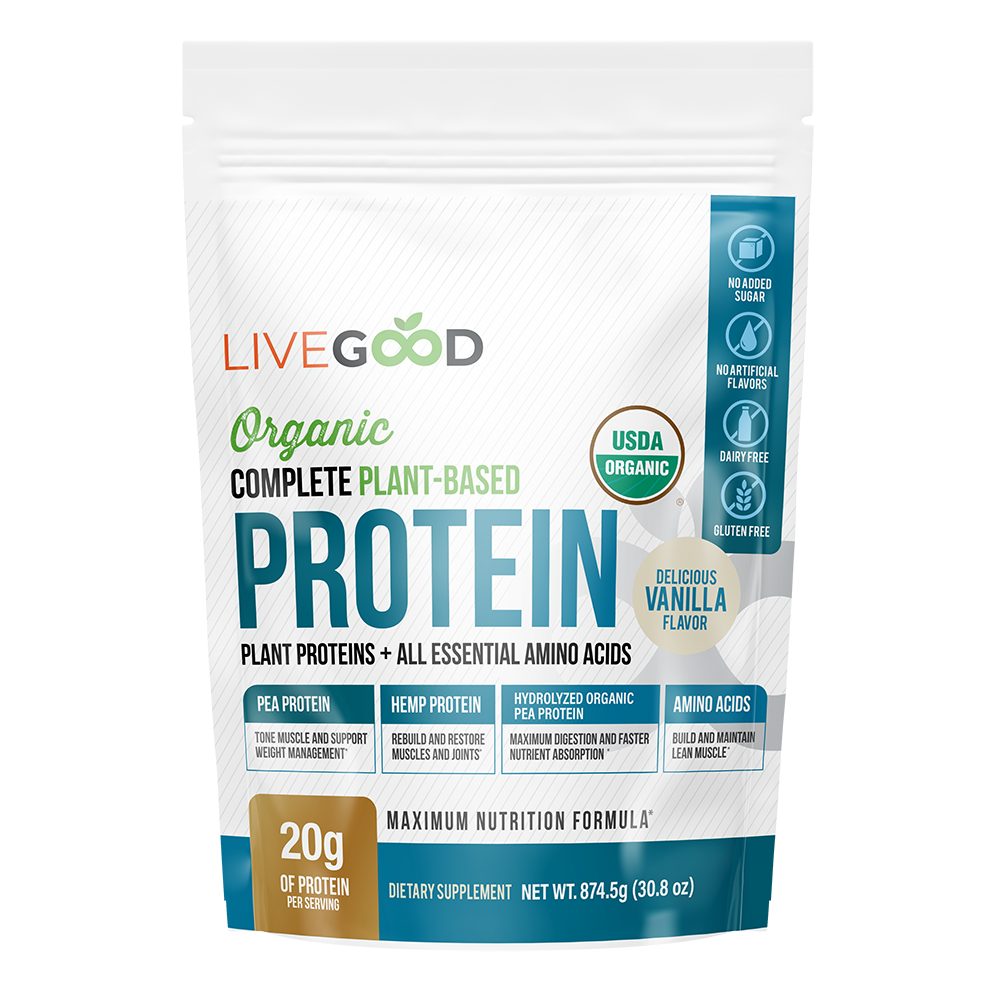
Organic Complete Plant-Based Protein is a vanilla powder built on organic pea protein, with all nine essential amino acids plus BCAAs, and organic hemp protein. It is also packed with 26 vitamins and minerals. Mix it with water or blend it into a smoothie any time of day when a protein-rich meal is not practical. It costs $39.95 for members versus $49.95 retail, helping make everyday wellness more accessible. Use it to support a consistent routine, not replace a varied diet.
Frequently Asked Questions
What is the difference between complete and incomplete protein?
A complete protein supplies all nine essential amino acids in proportions that match human needs, while an incomplete protein is relatively low in at least one. Incomplete does not usually mean an amino acid is entirely absent. The label is also not a complete measure of food quality, since protein amount, digestibility, fiber, fats, vitamins, and minerals matter too.
Do you need to combine proteins at every meal?
No, you do not need to pair complementary proteins at every meal. Eating varied protein sources throughout the day generally provides the amino acids your body needs. Rice and beans can be eaten together, but grains at one meal and legumes at another can also work. Total daily protein, adequate calories, and overall variety are more useful targets.
Which plant foods are complete proteins?
Soy foods, quinoa, buckwheat, and amaranth are commonly classified as complete plant proteins. Pea and hemp proteins contain all nine essential amino acids, although each has a different limiting amino acid and they may be blended for balance. Remember that a complete amino acid pattern does not guarantee a large amount of protein in a normal serving.
Is plant protein worse than animal protein?
No, plant protein is not inherently worse than animal protein. Some plant proteins are less digestible or lower in a particular essential amino acid, but sufficient portions and dietary variety can address those differences. Plant foods can also provide fiber and other nutrients. Animal foods often offer concentrated complete protein, so either approach can support adequate intake.
Which amino acid do plant diets usually lack?
A well-planned plant diet does not usually lack any essential amino acid, but lysine is often the one to watch when grains dominate the diet. Legumes and soy foods are useful lysine sources. Methionine may be limiting within individual legumes, while grains, nuts, and seeds can contribute more. Variety and enough total protein usually cover both patterns.