
Chronic Inflammation: What Actually Helps
 Written by Ben Glinsky
Ask AI about this article and Factor4 - Advanced Inflammation Management





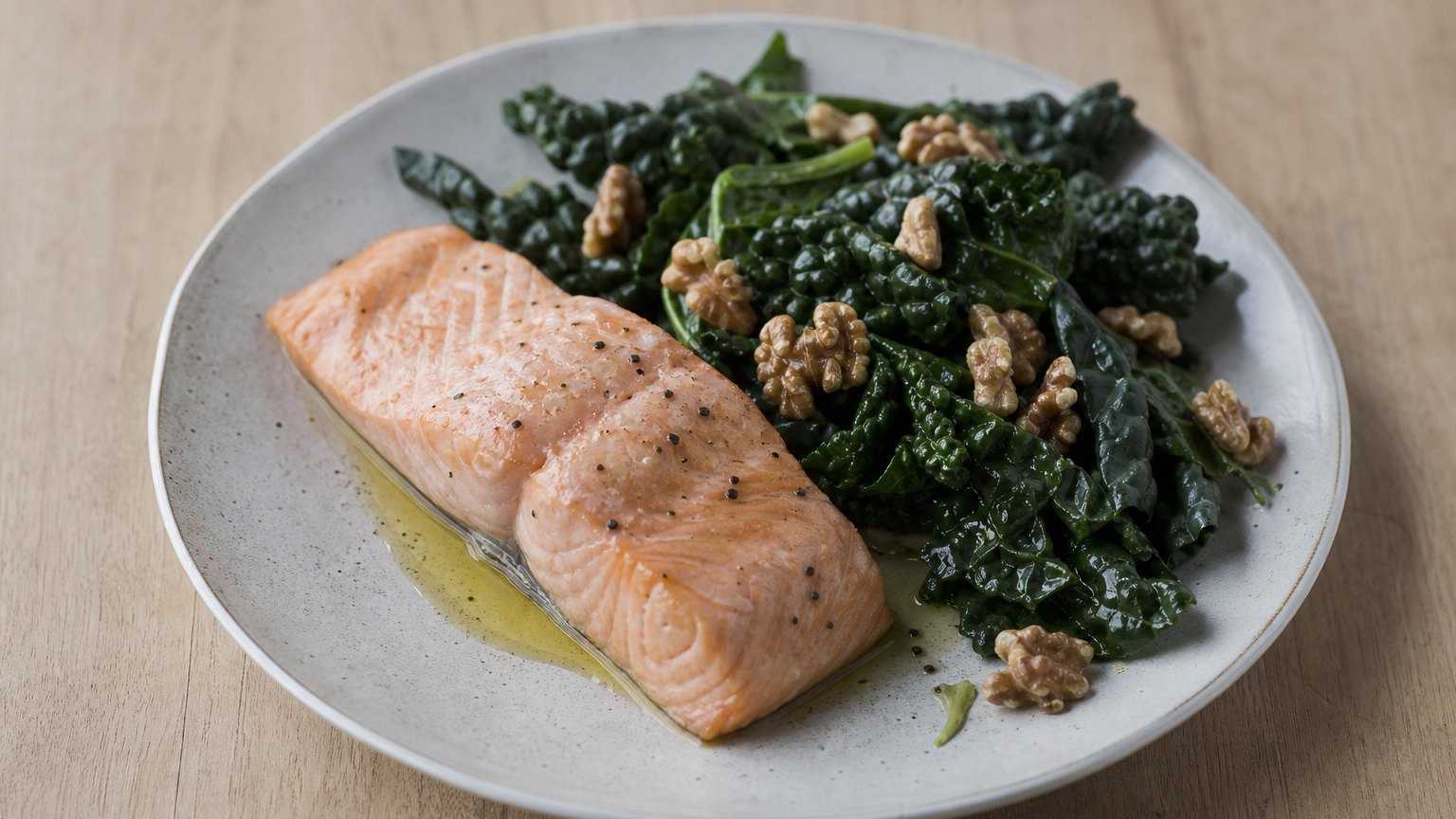
Reducing chronic inflammation starts with the basics: address the underlying cause, sleep consistently, move regularly, avoid smoking, limit alcohol, and build meals around minimally processed foods. These habits tend to improve inflammatory markers more reliably than any single food or supplement, while persistent symptoms deserve medical evaluation.
Key Takeaways
- Look for the cause first: Chronic inflammation can be linked to an infection, autoimmune disease, metabolic condition, smoking, excess body fat, or another ongoing problem.
- Prioritize repeatable habits: Sleep, activity, smoking cessation, moderate alcohol use, and gradual weight management have stronger evidence than quick fixes.
- Choose dietary patterns over superfoods: A varied, minimally processed diet matters more than adding one supposedly anti-inflammatory food or drink.
- Treat supplements as optional support: Research on individual ingredients is mixed, and supplements should not replace medical care or healthy routines.
- Skip detox claims: A detox cannot treat rheumatoid arthritis or another diagnosed inflammatory disease.
What Chronic Inflammation Actually Is
Inflammation is part of your immune system's normal response to injury, infection, or irritation. If you cut your finger, immune cells help control germs and begin repair. The resulting redness, warmth, swelling, and discomfort are signs of acute inflammation. This short-term response is useful and usually settles when the problem resolves.
Chronic inflammation is different. It is a lower-grade or ongoing immune response that can continue for months or years. Sometimes there is a clear reason, such as an autoimmune disease, a persistent infection, or continued exposure to cigarette smoke. In other cases, several factors contribute, including poor sleep, low physical activity, excess visceral fat, which is fat stored around internal organs, and a diet dominated by highly processed foods.
Chronic inflammation is not one disease, and it cannot be diagnosed from vague symptoms alone. Fatigue, aches, digestive changes, or trouble concentrating have many possible causes. They do not prove that your inflammatory markers are high. For a fuller symptom discussion, see 14 signs you might have chronic inflammation.
Doctors may measure markers such as C-reactive protein, or CRP, which rises when inflammation is active. However, CRP does not identify the cause by itself. Results must be interpreted alongside your symptoms, medical history, examination, and sometimes other tests. This is why a diagnosis matters more than trying to remove inflammation blindly.
Why 'Removing' It Is the Wrong Frame
Inflammation is not a toxin that can be flushed out. It is a biological process controlled by immune cells, chemical signals, blood vessels, and the tissues responding to a problem. Your body needs this process for healing and protection. The goal is not to eliminate inflammation completely. It is to resolve unnecessary inflammation while preserving a healthy response when you actually need it.
That makes detox language misleading. Teas, juice cleanses, fasting programs, foot pads, and colon cleanses have not been shown to remove chronic inflammation. Your liver, kidneys, lungs, digestive tract, and skin already process and eliminate normal waste. If one of these organs is not working properly, a commercial detox is not the solution. You need medical care.
The better question is, "What is keeping the inflammatory response active?" For one person, it may be smoking. For another, it may be untreated gum disease, sleep apnea, inflammatory bowel disease, rheumatoid arthritis, or another condition. Sometimes excess visceral fat contributes because fat tissue can release signaling molecules involved in inflammation.
This also explains why there is no reliable overnight fix. A balanced dinner or good night's sleep can support your health, but it cannot erase an ongoing disease process by morning. Focus first on removing modifiable drivers and getting unexplained symptoms evaluated. If you want additional practical ideas, read 11 ways to quickly reduce inflammation in your body, while keeping realistic expectations about the word "quickly."
What Moves Inflammatory Markers in Trials
Researchers often track CRP and cytokines, which are chemical messengers used by immune cells. These measurements help show whether an intervention changes inflammatory activity, but they are not the same as proving that someone feels better or that a disease has been treated.
Across clinical trials, the most dependable improvements tend to come from broad lifestyle changes rather than isolated ingredients. Regular physical activity can improve metabolic health and is often associated with lower inflammatory markers over time. Weight loss, when medically appropriate for someone with excess body fat, can also reduce signals released by visceral fat. The effect usually comes from steady changes, not crash dieting.
Smoking cessation is another major step. Tobacco smoke repeatedly exposes the body to irritating chemicals and is associated with ongoing inflammation and cardiovascular harm. If you smoke, getting support from a clinician, quitline, or evidence-based cessation program is more useful than adding an antioxidant supplement.
Alcohol deserves similar honesty. Heavy drinking can damage tissues and disrupt sleep, liver function, and gut health. If you drink, keep intake moderate or choose not to drink. Do not begin drinking because of claims that one type of alcohol is healthy.
Dietary patterns resembling Mediterranean-style eating may modestly improve some inflammatory markers. Sleep improvement can help too, especially when short sleep or untreated sleep apnea is part of the problem. Results vary, and no marker responds identically in everyone. The practical lesson is simple: work on several sustainable drivers together and judge progress over months, not days.
Sleep, Activity and Body Composition
Start with sleep because it affects nearly every other habit. Most adults need at least seven hours, although individual needs vary. Keep a fairly regular bedtime and wake time, make the room dark and quiet, and reduce late caffeine if it delays sleep. Loud snoring, gasping, morning headaches, or severe daytime sleepiness can point to sleep apnea. That condition requires evaluation, not a sleep supplement.
For activity, aim to build toward at least 150 minutes of moderate movement each week, plus muscle-strengthening work on two days. Moderate movement means your breathing becomes faster, but you can still speak in sentences. Brisk walking, cycling, swimming, dancing, and active household work all count. If that amount feels unrealistic, begin with five or ten minutes. Consistency matters more than an ambitious plan you abandon.
Avoid treating hard exercise as punishment. A demanding workout temporarily raises some inflammatory signals because your muscles are responding to stress and beginning repair. With adequate recovery, regular training generally supports healthier regulation over time. Increase gradually if you are new to exercise or returning after illness.
Body composition also matters, but shame does not help. Visceral fat is biologically active and can contribute to inflammatory signaling. If you carry excess weight, gradual fat loss through manageable food and activity changes may improve relevant markers. You do not need a rapid-loss cleanse. A doctor or registered dietitian can help if weight changes are difficult, you have a medical condition, or you have a history of disordered eating.
Choose one starting action this week. Set a stable wake time, take a ten-minute walk after lunch, or contact a smoking cessation service. Small actions become meaningful when repeated.
Dietary Patterns vs Single Foods
No berry, spice, oil, or drink can cancel an otherwise poor diet. Food research is more convincing when it examines the overall pattern. A practical anti-inflammatory eating pattern includes vegetables, fruit, beans, lentils, whole grains, nuts, seeds, olive oil, and fish, while limiting processed meats, sugary drinks, and heavily refined snack foods. Johns Hopkins Medicine offers a useful overview of this approach.
You do not need a rigid menu. Try building meals with three parts: a source of protein, a high-fiber plant food, and an unsaturated fat. That could mean salmon with brown rice and vegetables, lentil soup with whole-grain bread, or plain yogurt with berries and walnuts. Fiber feeds beneficial gut microbes, while minimally processed plant foods provide a wide mix of vitamins and protective compounds.
Omega-3 fats from salmon, sardines, trout, walnuts, chia seeds, and flaxseed can fit this pattern. Turmeric, garlic, ginger, and herbs are flavorful additions, but normal culinary amounts should not be presented as medical treatment. Green tea, coffee without excessive sugar, and water can be sensible drinks. None removes inflammation overnight.
Reduce highly processed foods by replacement rather than perfection. Swap soda for sparkling water, add beans to a familiar meal, or choose oats instead of a sugary pastry. One meal does not determine your health. What you eat most weeks matters more than an occasional dessert.
If you have inflammatory bowel disease, celiac disease, kidney disease, food allergies, or another condition affecting diet, generic food lists may be inappropriate. Ask your clinician or dietitian for guidance tailored to your diagnosis.
Factor4 - Advanced Inflammation Management, LiveGood's number two seller, was formulated by one of the world's top immunologists to support a healthy inflammatory response. LiveGood identifies it as the first and only inflammation management supplement combining fish oil, turmeric, Coenzyme Q10, and garlic in one bottle. These four ingredients are widely studied in inflammatory-response research. It is $19.95 for members versus $29.95 retail, helping make daily wellness support more accessible. Follow the label directions.
When You Need a Diagnosis, Not a Supplement
Persistent inflammation can reflect a condition that needs specific treatment. Make a medical appointment if you have unexplained symptoms lasting several weeks, repeated fevers, swollen or warm joints, ongoing diarrhea, blood in your stool, an unexplained rash, marked fatigue, or unintended weight loss. Seek urgent care for chest pain, trouble breathing, confusion, a severe allergic reaction, or rapidly worsening symptoms.
Rheumatoid arthritis is a clear example. It is an autoimmune disease in which the immune system attacks joint tissue and may affect other organs. Early treatment can help protect joints and function. A detox is not a treatment for rheumatoid arthritis, and relying on one can delay effective care. The same caution applies to lupus, inflammatory bowel disease, psoriasis, chronic infections, and other diagnosed conditions.
Your clinician may review your symptoms, medications, family history, sleep, dental health, smoking, alcohol use, and recent infections. Testing could include CRP, an erythrocyte sedimentation rate, or ESR, blood counts, and condition-specific tests. No single inflammation test provides every answer, and a mildly abnormal result may be temporary.
Supplements can also interact with treatment. Fish oil, turmeric, Coenzyme Q10, and garlic may be inappropriate with certain medicines or around surgery. Talk to your doctor before using a supplement if you take prescription medication, are pregnant or breastfeeding, have kidney or liver disease, have an existing medical condition, or are preparing for a procedure.
Once you know the cause, treatment becomes more focused. Lifestyle habits can support general health alongside medical care, but they should not be used to replace prescribed treatment. Consistency beats quick fixes, and an accurate diagnosis beats guessing.
Frequently Asked Questions
How do you reduce chronic inflammation?
You reduce chronic inflammation by addressing its cause and consistently improving sleep, activity, diet, smoking, alcohol use, and body composition where relevant. Start with one manageable change, then build from there. If symptoms continue or inflammatory markers remain elevated, work with a clinician to look for infection, autoimmune disease, sleep apnea, metabolic problems, or another underlying driver.
Can chronic inflammation be cured?
Chronic inflammation may resolve when its underlying cause can be removed or successfully treated, but there is no universal cure. The outlook depends on why it is happening. Inflammation linked to smoking or an untreated infection may improve after the driver is addressed. Autoimmune diseases often require ongoing management, and lifestyle changes should complement rather than replace medical treatment.
What foods reduce inflammation?
No single food reliably removes inflammation, but a Mediterranean-style eating pattern may improve some inflammatory markers. Build meals around vegetables, fruit, beans, whole grains, nuts, seeds, fish, and unsaturated fats such as olive oil. Limit sugary drinks, processed meats, and heavily refined foods. Your overall pattern across weeks matters more than one berry, spice, tea, or juice.
Do supplements help with inflammation?
Supplements may support a healthy inflammatory response, but evidence varies by ingredient, dose, population, and outcome measured. Research on compounds such as omega-3 fats and curcumin is not proof that every product produces the same result. Supplements cannot diagnose or treat an inflammatory disease. Follow label directions and discuss interactions with your doctor if you take medication or have a medical condition.
When should you see a doctor about inflammation?
See a doctor when unexplained pain, swelling, fever, digestive changes, rashes, fatigue, or weight loss persist for several weeks or interfere with daily life. Seek prompt care for severe or rapidly worsening symptoms. You should also get medical guidance if a test shows elevated inflammatory markers, since those results do not reveal the cause and need interpretation in context.