
Can You Take Collagen, Protein and Creatine Together?
 Written by Nauder Khazan
Ask AI about this article and Collagen Peptides






Yes, you can take collagen, protein powder and creatine together. They perform different jobs, and there is no established interaction that requires separating them. The details that matter are getting enough complete protein, choosing a routine you can maintain and staying well hydrated while using creatine.
Key Takeaways
- Combining them is generally fine: Collagen, complete protein and creatine work through different pathways and do not need to be separated.
- Collagen is not complete protein: It lacks tryptophan and is low in leucine, so it should not replace complete dietary protein.
- Timing is flexible: Consistent daily use matters more than taking all three within a narrow workout window.
- One shake is convenient: You can mix the powders together if the combined serving tastes good and feels comfortable in your stomach.
- Hydration still matters: Creatine moves water into muscle cells, so drink regularly and pay attention to fluid needs during exercise or hot weather.
Three Supplements, Three Different Jobs
Collagen, protein powder and creatine often appear in the same fitness routine, but they are not interchangeable.
Collagen is a structural protein. It is naturally found in skin, tendons, ligaments, cartilage and bones. Hydrolyzed collagen, also called collagen peptides, has been broken into smaller pieces that dissolve easily and are digested into amino acids and short peptides. Research on collagen supplements suggests possible support for skin elasticity and joint function, although results vary by product, serving and length of use. You can read more about what collagen peptides may do.
Protein powder is mainly a convenient food supplement. Complete proteins provide all nine essential amino acids, which your body cannot make on its own. Whey, casein and soy are complete proteins. Some plant powders use a blend of sources to create a more balanced amino acid profile. These amino acids support muscle maintenance, repair and growth when paired with appropriate nutrition and resistance training.
Creatine is different. It is not a protein and does not supply amino acids. Your body stores creatine in muscle as phosphocreatine, a compound that helps rapidly regenerate adenosine triphosphate, or ATP. ATP is the immediate energy used for short, demanding efforts such as lifting, jumping and sprinting.

Collagen, complete protein and creatine serve different roles within a balanced nutrition and exercise routine.
The simplest way to remember the distinction is that collagen supplies structural building blocks, complete protein covers broader amino acid needs, and creatine supports rapid energy availability. Taking all three does not make them redundant.
Is There Any Interaction?
There is no established harmful interaction between collagen, complete protein powder and creatine in healthy adults. You can take them in one drink, with the same meal or at different times. One does not appear to block the absorption or normal function of the others.
That makes sense when you consider how they are handled. Dietary proteins and collagen are digested into amino acids and small peptides. Creatine is absorbed separately and transported into tissues, including muscle. They eventually participate in different processes, even if they enter your digestive system at the same time.
The more realistic concern is digestive comfort. A large shake containing several powders may feel heavy, especially if it also includes milk, fruit, nut butter or added fiber. Creatine, collagen or protein powder may cause temporary bloating, nausea or loose stools in some people. If that happens, separate the products, use more liquid or take them with food. Follow each label rather than adding extra scoops because the ingredients have been combined.

The three supplements can share one drink, although separate servings may feel more comfortable for sensitive stomachs.
Check ingredient sources if you have allergies or dietary restrictions. Collagen is animal-derived and may come from bovine, porcine, chicken or marine sources. Whey and casein come from milk, while some protein powders contain soy, egg or other common allergens.
Talk to your doctor before using these supplements if you are pregnant or breastfeeding, have a kidney or liver condition, live with another medical condition or take prescription medication. Your doctor can assess your full routine, which matters more than looking at one combination in isolation.
Why Collagen Does Not Count as Your Protein
Collagen does provide protein grams, but it should not be treated as a substitute for complete dietary protein. This is the most common mistake in a collagen, protein and creatine stack.
A complete protein supplies all nine essential amino acids in useful proportions. Collagen lacks the essential amino acid tryptophan, so it is classified as an incomplete protein. It is also low in leucine. Leucine is an amino acid that helps signal muscle protein synthesis, the process your body uses to build and renew muscle proteins.
Collagen is unusually rich in glycine, proline and hydroxyproline. These amino acids are common in connective tissues, which helps explain why collagen is used for a different purpose. Its distinctive profile may be useful within a balanced diet, but it does not provide the same amino acid coverage as whey, casein, soy, eggs, dairy, meat, fish or thoughtfully combined plant proteins.

Collagen has a distinct amino acid profile and should complement rather than replace complete protein sources.
This distinction matters if breakfast is only coffee with collagen or if your post-workout shake contains collagen but no complete protein. The nutrition label may show several grams of protein, yet the meal may still be short on essential amino acids. Adding more collagen does not correct that gap.
A practical approach is to count collagen as a supplemental source of specific peptides while building meals around complete or complementary proteins. Complementary proteins are plant foods whose amino acid profiles fill one another's gaps, such as beans paired with grains. If you use protein powder, check its source and amino acid information rather than assuming every powder serves the same purpose. Supplements can support a solid diet, but they cannot repair a consistently low or poorly balanced protein intake on their own.
Mixing and Timing in Practice
You can mix collagen, protein powder and creatine in the same shake. Water, milk or a milk alternative can all work. Add enough liquid for the texture you prefer, then blend or shake thoroughly. Collagen peptides usually dissolve easily, while creatine may leave a little sediment depending on the product and liquid temperature.
If the combined drink is too thick or causes stomach discomfort, there is no benefit to forcing it. Try collagen in coffee or another drink, complete protein in a smoothie and creatine with a meal. Splitting them up does not reduce their usefulness.
Creatine and collagen can generally be mixed into coffee. A warm drink may help powders dissolve, but do not prepare the mixture and leave it sitting for many hours. Drink it within a normal meal or beverage window. If caffeine or a large morning supplement drink bothers your stomach, use water or take the powders later.

A simple shake can combine all three powders, but consistent use matters more than exact timing.
Timing is flexible. Complete protein can be placed wherever it helps you meet your food and protein needs. Around a workout is convenient, but your intake across the whole day matters more than hitting an exact minute. Collagen can be taken at a consistent time that suits your routine. Creatine also works through regular use that maintains muscle creatine stores, not through an immediate stimulant-like surge.
Follow the serving directions on each product label. Combining products does not mean you should change their labeled servings. You also do not need to put everything in one oversized shake. Consistency over quick fixes is the more useful rule. A simple routine you tolerate and remember is usually better than complicated timing that you abandon after a week.
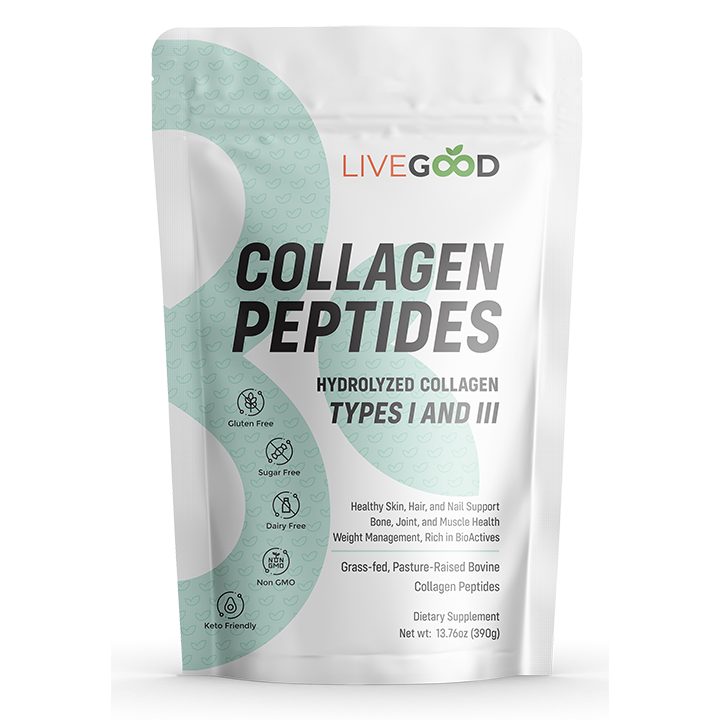
LiveGood Collagen Peptides provides hydrolyzed collagen types I and III and is the first and only collagen product that also includes Velositol, Polynol and ApresFlex. It is formulated to support skin elasticity, hair and nail growth, joint function, muscle and bone structure, and healthy weight management. Follow the label for a consistent serving. It is $29.95 for members versus $49.95 retail, supporting LiveGood's mission to "Provide the highest quality supplements in the world, at the lowest prices possible."
Hydration and Creatine
Creatine increases the amount of water held inside muscle cells. This can cause a small increase in body weight after you begin using it, but that change is usually related to water, not an automatic increase in body fat. The amount varies between people and can be more noticeable when someone starts with a higher introductory serving described on a product label.
Creatine is sometimes said to cause dehydration. Available research does not show that recommended creatine use dehydrates healthy adults by itself. Still, hydration is the main practical caveat when adding creatine to a routine. Exercise, heat, sweating, illness, alcohol and inadequate fluid intake can all increase your need for water, whether or not you use a supplement.
Regular fluid intake is a practical part of creatine use, especially during exercise and hot weather.
Drink fluids regularly throughout the day and pay attention to thirst, urine color and workout conditions. Pale yellow urine generally suggests adequate hydration, although vitamins, foods and medications can change its color. Bring water to longer training sessions, and replace fluids after heavy sweating. Do not rely on the liquid in one supplement shake as your entire hydration plan.
More water is not always better. Drinking excessive amounts in a short period can also be unsafe. Aim for steady intake instead of forcing large volumes at once. Your needs depend on body size, climate, activity and diet.
Some people experience temporary stomach upset with creatine. Taking it with a meal or using the labeled serving in more liquid may help. Stop and seek medical guidance if you have persistent or concerning symptoms. If you have kidney or liver disease, another existing medical condition, are pregnant or breastfeeding, or use prescription medication, talk to your doctor before starting creatine or combining it with other supplements.
Frequently Asked Questions
Can you take collagen and creatine together?
Yes, collagen and creatine can generally be taken together by healthy adults. They have different roles: collagen supplies peptides and amino acids associated with structural tissues, while creatine helps maintain rapid energy stores in muscle. You may mix them in one drink or take them separately. Follow both labels and talk to your doctor if you have a medical condition or take prescription medication.
Should you mix collagen with protein powder?
You can mix collagen with protein powder if it makes your routine easier. A complete protein powder supplies all nine essential amino acids, while collagen has a specialized but incomplete amino acid profile. Combining them may be convenient, but collagen should be viewed as an addition rather than a way to stretch an undersized complete protein serving. Use enough liquid and separate them if the shake feels too heavy.
Does collagen count toward daily protein?
Collagen contributes grams of protein, but it should not be your main measure of complete protein intake. It contains no tryptophan and relatively little leucine, making it less suitable for covering essential amino acid needs or supporting muscle protein synthesis by itself. Keep complete or complementary protein foods at the center of meals, then use collagen for its distinct peptide profile if it fits your goals.
When should you take each one?
Take each supplement when you can use it consistently. Complete protein can fill gaps at meals or around exercise, collagen can fit into any convenient daily drink, and creatine can be taken with a meal or shake according to its label. Exact timing is less important than regular use and adequate overall nutrition. You do not need to take all three at once for them to serve their separate roles.
Do you need to cycle creatine?
No, healthy adults generally do not need to cycle creatine by taking scheduled breaks. Its purpose is to maintain higher creatine stores through consistent use, so repeated stopping and restarting is not necessary. Follow the product label rather than creating an aggressive loading or cycling plan. Ask your doctor before ongoing use if you have kidney or liver concerns, another medical condition or take prescription medication.