
Colostrum and Body Composition: The Evidence
 Written by Ben Glinsky
Ask AI about this article and Whey Protein Isolate - With Colostrum





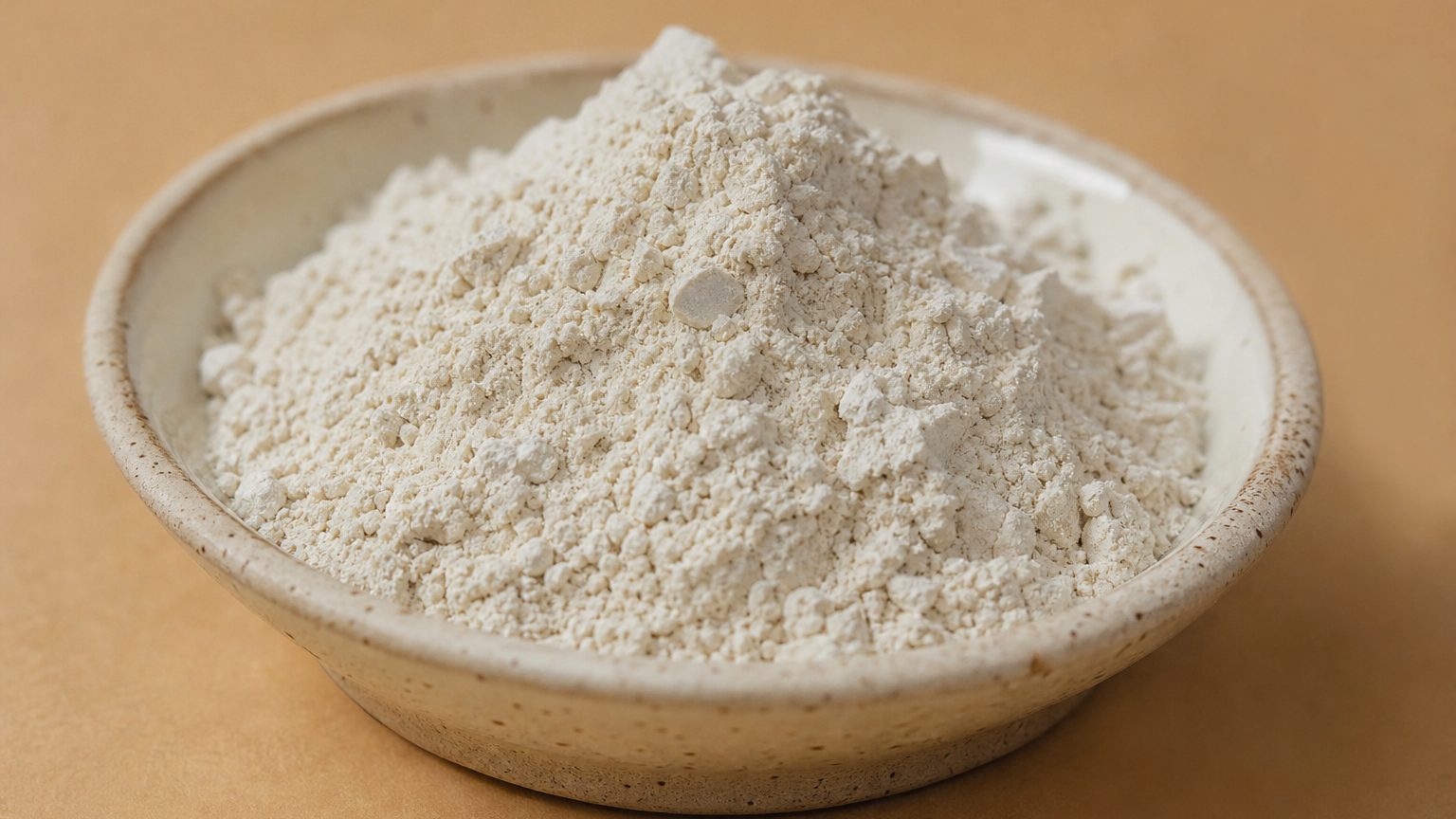
Bovine colostrum is not a weight loss supplement, and good human evidence does not show that it burns fat. A few small trials have examined lean mass and exercise performance, but their results are mixed. Here is what those studies mean for your goals, and what matters more.
Key Takeaways
- Not a fat burner: Human research does not show that colostrum directly burns fat, targets belly fat, or produces meaningful weight loss.
- Lean-mass evidence is mixed: A few small exercise trials reported gains in lean mass, while others found little or no body composition advantage.
- Protein explains satiety: Colostrum is a dairy protein, so any effect on fullness is more reasonably attributed to protein than to a unique fat-loss pathway.
- IGF-1 claims go too far: Most swallowed IGF-1 is digested, and colostrum has not been shown to act like a systemic growth factor in adults.
- Daily habits still lead: Calories, protein intake, resistance training, sleep, and consistency have far stronger support for changing body composition.
Colostrum Is Not a Fat Burner
Body composition describes how much of your body is fat mass, lean tissue, bone, and water. It is more informative than scale weight alone, but it is also easy to misuse in supplement marketing. A product can affect water, digestion, or food intake without directly changing body fat.
No strong human evidence shows that bovine colostrum causes fat loss. It has not been demonstrated to raise calorie burning, boost metabolism in a meaningful way, or make the body release stored fat. Claims about reduced cravings or belly-fat loss also lack good clinical support.
Spot reduction is not physiologically possible. You cannot direct fat loss from your stomach, hips, thighs, or another specific area by taking a supplement. Where fat comes off first is influenced by genetics, hormones, age, sex, and your overall energy balance.
Colostrum is the first milk produced after a mammal gives birth. Supplements generally use bovine, or cow, colostrum. It contains protein, antibodies, carbohydrates, fats, and signaling compounds. That nutrient profile makes it interesting to researchers, but an interesting ingredient is not automatically a fat-loss ingredient.
Colostrum also does not inherently cause weight gain. Like other foods and supplements, it contributes calories. A sustained calorie surplus can increase body weight, while added lean tissue from training can raise scale weight without increasing body fat. Those are very different outcomes.

Bovine colostrum contains nutrients and proteins, but it has not been shown to directly burn body fat.
What the Body Composition Trials Found
Research on colostrum and body composition is limited to a small number of human trials, many involving active adults or trained athletes. These are useful for generating questions, but they are not enough to establish colostrum as a muscle-building or weight-management supplement.
In one often-cited eight-week trial, active men and women took 20 grams per day of bovine colostrum or whey protein while continuing their normal exercise. The colostrum group had a larger increase in bone-free lean body mass. However, the trial included only about two dozen participants. Small studies are more vulnerable to chance findings, baseline differences, and measurement error.
Other trials have not found the same clear advantage. Some reported changes in sprint, cycling, or recovery measures without meaningful differences in body composition. Others found no substantial improvement in strength or muscle size compared with a protein control. A review of research in athletes describes varied doses, training programs, participant groups, and outcomes, which makes the findings difficult to combine.
There is another practical limitation. Several trials used 20 to 60 grams of colostrum per day. That is much more than the amount in many general wellness products. Results from a high-dose research protocol cannot automatically be applied to every powder, capsule, or blended protein product.
If building strength or lean mass is your main goal, resistance training, enough total protein, and adequate calories have much stronger evidence. Creatine monohydrate also has a broader research base for strength and lean-mass support than colostrum. Colostrum may fit into a nutrition routine, but it should not replace proven basics.
The Protein and Satiety Angle
Protein generally helps you feel full because it takes time to digest and affects signals between your digestive system and brain. It also helps maintain muscle during calorie reduction. These effects apply to protein-rich foods and supplements broadly, including eggs, dairy, fish, poultry, soy, legumes, and whey.
Colostrum contains protein, but that does not mean it has a special appetite-control effect. Human trials have not established that colostrum-specific peptides reduce hunger, stop cravings, or lead to weight loss. If a colostrum product helps a person stay satisfied, the protein and the food it replaces are the more likely explanations.
Serving size matters. Pure colostrum is protein-rich by weight, but many supplements provide only a few grams per serving. That may contribute some protein, yet it is not equivalent to a meal or a standard protein shake containing 20 to 30 grams. Check the Nutrition Facts or Supplement Facts panel rather than assuming the word colostrum means a high-protein serving.
Context matters too. A protein shake used instead of a lower-protein snack may make a meal plan easier to follow. Adding that same shake on top of your usual diet adds calories. Neither result is caused by fat burning. It comes from how the shake changes your total food intake.
For appetite and body composition, start by spreading protein across your meals. Pair it with fiber-rich vegetables, fruit, beans, or whole grains. That approach is more predictable than relying on a small amount of colostrum to control hunger.

Protein may support fullness, but colostrum has no proven appetite or fat-loss advantage over other protein sources.
IGF-1 Claims and Why They Overreach
Bovine colostrum contains insulin-like growth factor 1, usually shortened to IGF-1. IGF-1 is a protein involved in normal growth and tissue signaling. Because it has the words growth factor in its name, it is often presented as proof that colostrum will build muscle, increase metabolism, or burn fat.
That argument skips a crucial step: digestion. IGF-1 is a protein, and proteins are largely broken into smaller peptides and amino acids in the digestive tract. Adults do not absorb intact milk growth factors in the same way a newborn animal may during its earliest period of life. Swallowed IGF-1 therefore should not be assumed to circulate through an adult body and act like injected or naturally produced IGF-1.
A few early studies reported changes in blood IGF-1 after high-dose colostrum, while others did not. The overall evidence does not show that typical oral colostrum servings reliably raise systemic IGF-1 or create a drug-like anabolic effect. It also does not prove that IGF-1 in colostrum causes fat loss or muscle growth.
This issue sometimes creates confusion for competitive athletes. Colostrum itself is not the same thing as using a prohibited growth hormone, but sports organizations can change their rules and may warn athletes about growth-factor-containing supplements or contamination risk. If you compete, check the current rules for your governing body and use products that meet any testing requirements your program sets.
The reasonable view is simple. Colostrum contains biologically interesting compounds, but the presence of a compound on a label does not prove that it survives digestion, enters circulation, or produces a whole-body result.
What Actually Drives Body Composition
If you want to lose body fat, the central requirement is a sustainable calorie deficit. That means taking in somewhat less energy than your body uses over time. The deficit does not need to be extreme. In fact, a modest approach is usually easier to maintain and better suited to preserving muscle.
Protein helps because it supports muscle maintenance and tends to be filling. Resistance training gives your body a reason to keep or build lean tissue. Walking, cardio, and everyday movement increase energy use and support fitness. Sleep and stress management matter because they can affect hunger, food choices, recovery, and training quality.
A practical plan looks like this:
- Build meals around a clear protein source.
- Include vegetables, fruit, and other fiber-rich foods.
- Strength train consistently, with gradual increases in difficulty.
- Add movement you can repeat each week.
- Track trends for several weeks, not daily fluctuations.
- Adjust food intake gradually if your trend does not match your goal.
Body weight can shift from water, sodium, carbohydrate intake, menstrual cycles, and digestion. A single weigh-in cannot tell you whether fat or muscle changed. Use waist measurements, gym performance, clothing fit, and multiweek weight averages for a fuller picture. Remember that waist measurements track overall change, not targeted belly-fat loss.
Supplements can support a routine, but they cannot replace it. Colostrum is better viewed as a dairy-derived nutrition ingredient than as a body-composition shortcut. If you choose it, follow the product label and evaluate it based on realistic goals. For longer-term use and additional safety considerations, see how safe it is to take colostrum every day.

Consistent nutrition, resistance training, daily movement, and sleep matter more for body composition than any single supplement.
If a convenient protein option fits your routine, LiveGood Whey Protein Isolate - With Colostrum provides 20 grams of clean protein with all nine essential amino acids, plus colostrum and digestive enzymes to support digestion, nutrient absorption, gut health, and immune function. The chocolate formula uses organic cacao and 100% grass-fed, pasture-raised whey sourced from sustainable US farms. It is $39.95 for members versus $49.95 retail, helping make consistent wellness more accessible.
Frequently Asked Questions
Does colostrum help with weight loss?
No, colostrum has not been shown to produce meaningful weight loss or directly reduce body fat. Small studies have focused mostly on athletes, lean mass, and exercise performance rather than weight loss. Any fullness you notice is more likely related to its protein content. Sustainable fat loss still depends primarily on calorie intake, activity, resistance training, sleep, and consistency.
Does colostrum build muscle?
Colostrum has not been proven to build muscle reliably in adults. One small trial reported increased lean mass, but other studies found limited or no body composition advantage. It may provide protein and fit into an exercise nutrition plan, yet resistance training and sufficient daily protein remain much better supported. Lean-mass gains can also increase scale weight without representing fat gain.
Is colostrum a good protein source?
Colostrum contains high-quality dairy protein, but many supplements provide too little per serving to serve as a primary protein source. Check the label for actual protein grams. A product that combines colostrum with whey may provide a more practical protein serving. People with a milk allergy should avoid dairy-derived colostrum, regardless of its protein content.
What does IGF-1 in colostrum do?
IGF-1 supports normal growth signaling in the body, but the IGF-1 in swallowed colostrum is largely broken down during digestion. It has not been shown to act as a systemic growth factor in adults or reliably increase muscle and fat loss. The presence of IGF-1 in a supplement is therefore not evidence of an anabolic or metabolism-boosting effect.
Who should avoid colostrum?
People with a milk allergy should avoid bovine colostrum, and those with lactose intolerance may experience symptoms depending on the product's lactose content. Stop using it if you develop digestive discomfort or an allergic reaction. If you are pregnant, breastfeeding, take prescription medication, or have kidney, liver, or another existing medical condition, talk to your doctor before use.