
Cordyceps vs Reishi: Differences and Safety
 Written by Nauder Khazan
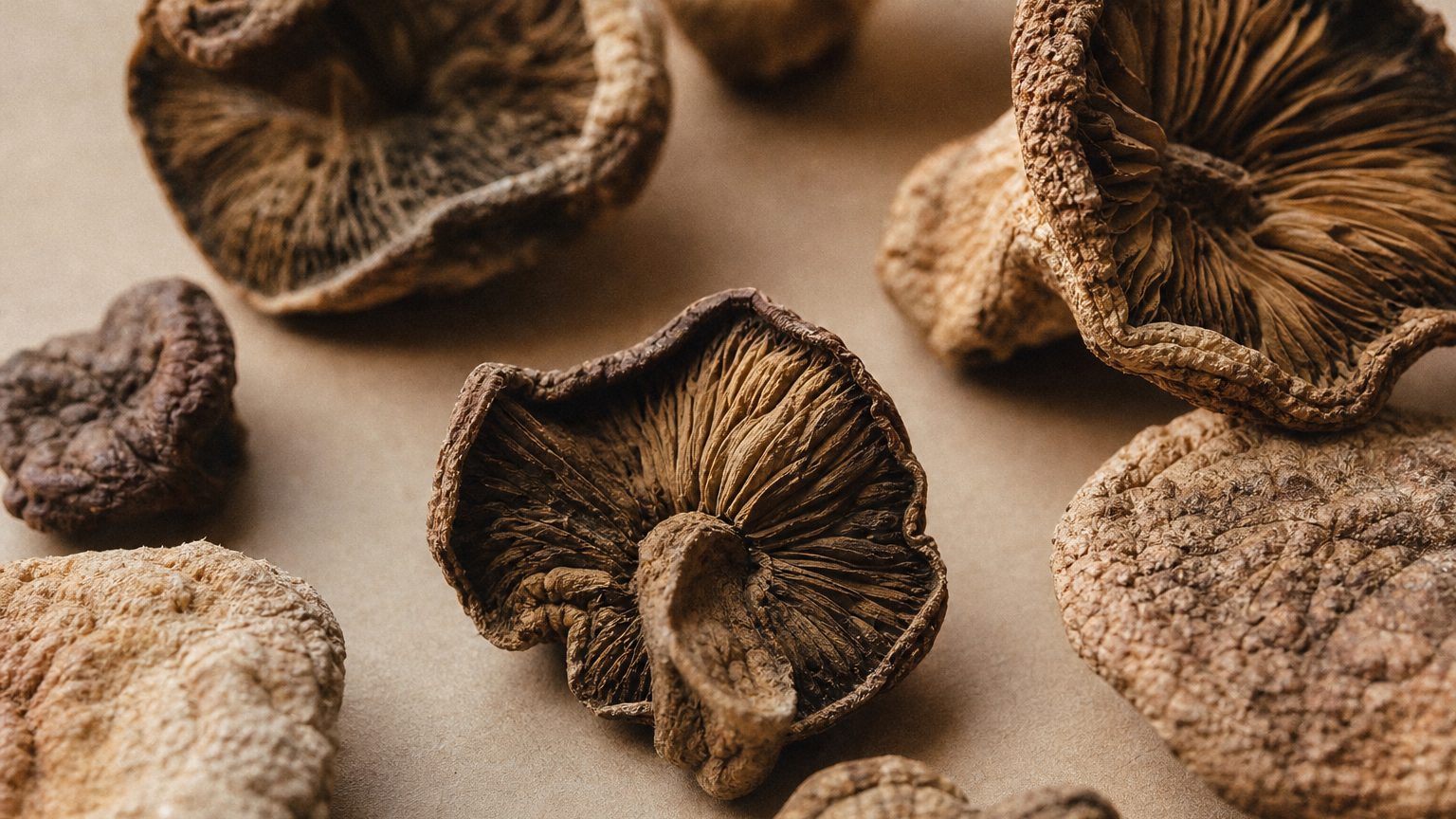
Lingzhi and reishi are two names for the same mushroom, while cordyceps is a different fungus with different traditional uses and research. Cordyceps is mainly studied for energy and exercise performance, while reishi research often focuses on immune function, stress, and quality of life. Here is what the evidence and safety information actually show.
Key Takeaways
- Lingzhi means reishi: Lingzhi is the Chinese name and reishi is the Japanese name for the same type of medicinal mushroom.
- Cordyceps research centers on performance: Small human studies have explored oxygen use, stamina, fatigue, and exercise capacity, with mixed results.
- Reishi research has different priorities: Studies often examine immune markers, stress, fatigue, sleep, and general quality of life, but strong clinical evidence is limited.
- Their safety profiles overlap: Both may affect bleeding and immune activity, which matters if you use blood-thinning or immune-modifying medication.
- Taking both is not well studied: There is no strong evidence that combining them works better than using either one alone.
Lingzhi and Reishi Are the Same Mushroom
Lingzhi and reishi are not competing supplements. They are regional names for the same medicinal mushroom. Lingzhi is the Chinese name, while reishi is the Japanese name most often used on supplement labels in the United States.
The botanical naming is slightly more complicated. Many products are labeled Ganoderma lucidum, but modern classification shows that several closely related Ganoderma species have historically been sold under the same name. Products in Asia may contain Ganoderma lingzhi or Ganoderma sinense. This does not automatically make a product unsafe, but it means the species and source should be stated clearly on the label.
Reishi usually grows on wood and forms a shiny, reddish-brown fruiting body. The fruiting body is the visible mushroom. Some supplements instead use mycelium, the thread-like fungal network that grows through a food source. Extract strength and composition can differ between these forms.
| Name | What it refers to |
|---|---|
| Lingzhi | The traditional Chinese name |
| Reishi | The commonly used Japanese name |
| Ganoderma | The fungal genus containing several related species |
| Fruiting body | The visible mushroom that releases spores |
| Mycelium | The underground or cultured fungal network |
This naming distinction matters when comparing cordyceps vs lingzhi. The real comparison is cordyceps vs reishi, not lingzhi vs reishi.
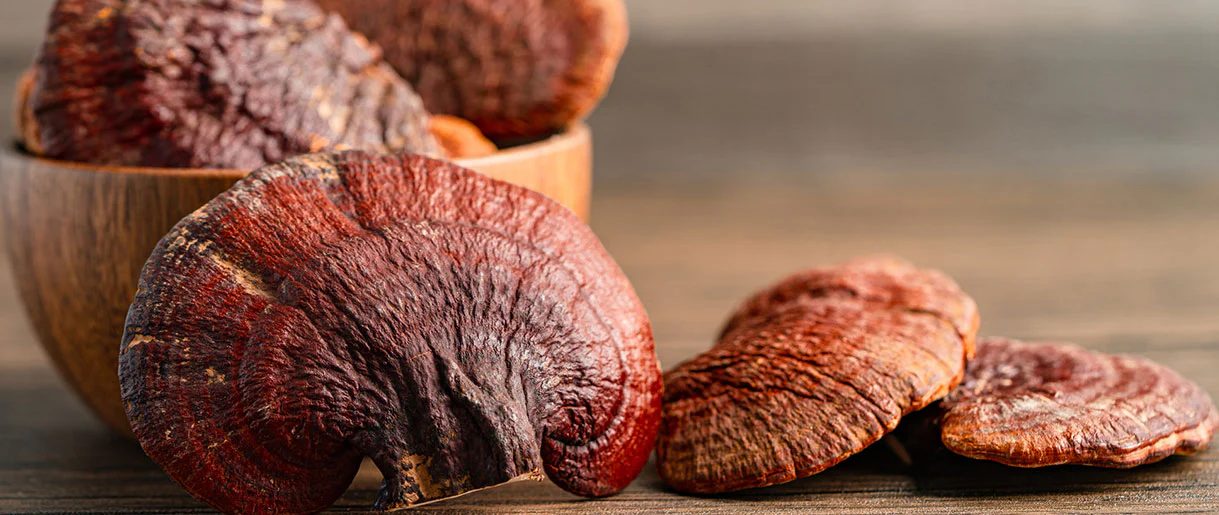
Lingzhi and reishi are two regional names for mushrooms in the Ganoderma group.
What Cordyceps Is Studied For
Cordyceps is a broad name for fungi that naturally grow on insects or other arthropods. The famous wild species from the Tibetan Plateau is Ophiocordyceps sinensis, formerly called Cordyceps sinensis. Wild material is scarce and expensive. Most cordyceps supplements use cultivated material, commonly CS-4 or Cordyceps militaris, rather than wild Ophiocordyceps.
CS-4 is a cultured mycelial form associated with much of the older human research. Cordyceps militaris is another cultivated species and can contain cordycepin, a compound studied in laboratory research. These forms are not interchangeable, so check which one a label identifies.
Human studies have mainly explored exercise performance, oxygen use, fatigue, and perceived energy. A few small trials suggest possible improvements in exercise capacity, particularly in older or less-trained adults. Other trials, including research involving trained athletes, have found little or no meaningful advantage. Differences in species, extracts, serving amounts, and study design make the results hard to compare.
Cordyceps is also studied for effects on immune and metabolic markers. A marker is a measurable sign in blood or tissue, not proof that someone feels better or avoids illness. Laboratory findings are useful for deciding what to study next, but they do not establish a medical benefit in people.
Despite its traditional reputation for vitality and libido, cordyceps has not been shown to work like Viagra. It should not be presented as a treatment for fatigue, sexual dysfunction, breathing conditions, or any other health condition.
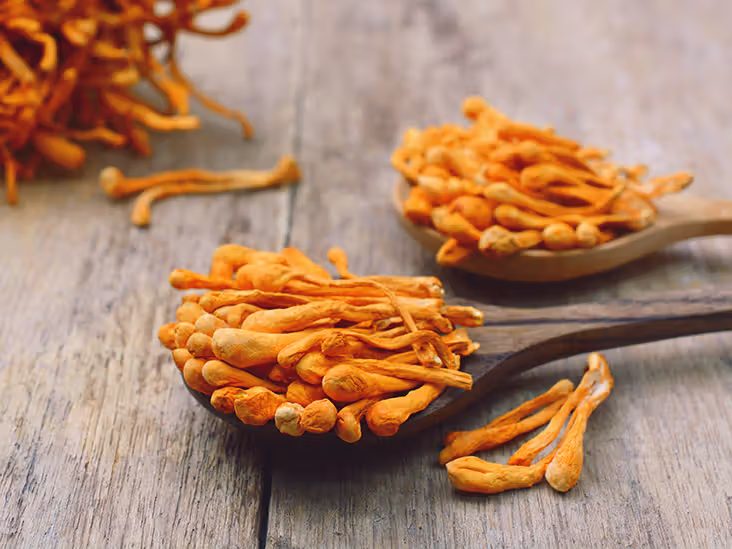
Most cordyceps supplements contain cultivated fungal material rather than rare wild Ophiocordyceps.
What Reishi Is Studied For
Reishi has a long history in Chinese herbal practice, where it was traditionally used to support vitality, calm, and longevity. Modern research focuses largely on its polysaccharides and triterpenes. Polysaccharides are complex carbohydrates, including beta-glucans. Triterpenes are naturally occurring compounds that contribute to reishi's bitter taste.
Researchers have examined how these compounds interact with immune cells. Some small human studies report changes in immune markers, but a changed laboratory value does not automatically mean stronger immunity or better health. Evidence is not strong enough to claim that reishi prevents infections or treats immune-related conditions.
Reishi has also been studied for fatigue, stress, sleep, and quality of life. The findings are limited by small groups, inconsistent extracts, and studies that do not always include a strong placebo comparison. Evidence for sleep support is especially thin. Reishi is often marketed as an evening mushroom, but it is not a proven sleep aid and does not make everyone feel relaxed.
If stress support is your main reason for considering reishi, our comparison of reishi and ashwagandha explains how their evidence and precautions differ.
The practical conclusion is modest. Reishi contains biologically active compounds, and early research gives scientists reasonable questions to pursue. However, its traditional reputation is much broader than the current human evidence. Honest, evidence-grounded education means keeping that difference clear rather than turning early findings into promises.
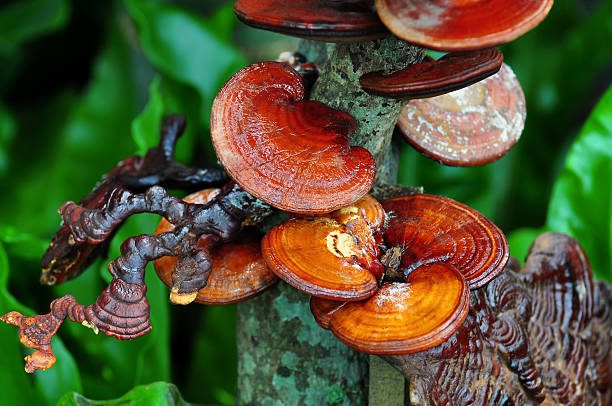
Reishi research examines compounds such as beta-glucans and triterpenes, but human evidence remains limited.
Safety and Interaction Differences
Cordyceps and reishi are often tolerated in short-term studies, but neither is risk-free. Cordyceps may cause nausea, diarrhea, stomach discomfort, dry mouth, or loss of appetite. Reishi may cause digestive upset, dry mouth, dizziness, headache, itching, or a rash. Anyone with a mushroom allergy should be cautious and stop using the supplement if signs of an allergic reaction appear.
Rare reports of liver injury have been associated with reishi products, including some powdered forms. Such reports cannot always prove that reishi itself caused the problem because contamination, misidentified species, and other ingredients may be involved. Still, unexplained dark urine, yellowing of the skin or eyes, severe fatigue, or persistent abdominal pain requires prompt medical attention. If you have a liver or kidney condition, talk to your doctor before using either mushroom.
Both mushrooms may affect platelet activity or blood clotting. That can matter if you take anticoagulants or antiplatelet drugs, commonly called blood thinners, or if you regularly use medicines that increase bleeding risk. Tell your surgical or dental team about every supplement you take before a procedure.
Cordyceps and reishi may also influence immune activity. Do not assume that immune stimulation is always helpful. Check with your prescriber if you take immunosuppressants, biologic drugs, transplant medication, or other medicine intended to change immune function.
Pregnancy and breastfeeding safety has not been established. Children and people with existing medical conditions also need individualized guidance. Reishi may additionally interact with medication affecting blood sugar or blood pressure. A doctor or pharmacist can review your full medication list, which is safer than relying on a generic interaction checker.

Cordyceps and reishi have overlapping precautions involving bleeding risk and immune-modifying medication.
Taking Them Together
Cordyceps and reishi can appear in the same mushroom blend, but that does not prove the combination is more effective. Few well-designed human trials have tested both together. We also do not know whether combining them changes how often side effects occur.
If your healthcare professional agrees that both are reasonable for you, follow each label's directions and avoid increasing servings to imitate a study. Research products may use a specific species, extraction method, or standardized compound level that a retail supplement does not match. More is not automatically better.
Introducing only one new supplement at a time can make reactions easier to identify. If you begin two at once and develop nausea, itching, dizziness, or another symptom, you may not know which one caused it. Keep a simple note of the product, serving, timing, medications, and any symptoms. Stop and seek medical guidance for a concerning reaction.
There is no established interaction between vitamin C and reishi for most healthy adults. However, the absence of a documented interaction is not proof that every combination is safe. This is especially relevant when vitamin C is part of a multi-ingredient formula or when you have kidney disease, iron-storage concerns, or take prescription medication.
Consistency matters more than expecting a quick fix. Neither mushroom replaces sleep, regular movement, balanced meals, or medical care. Before combining cordyceps and reishi, ask a doctor or pharmacist to review the exact species, extract, label directions, health conditions, and medications involved.
Combining mushroom supplements calls for careful label reading and a medication review with a healthcare professional.
Frequently Asked Questions
Is lingzhi the same as reishi?
Yes, lingzhi and reishi are regional names for the same medicinal mushroom. Lingzhi is the Chinese term, while reishi comes from Japanese usage. Labels may list Ganoderma lucidum or another closely related Ganoderma species, so check the scientific name and whether the supplement contains fruiting body, mycelium, or an extract.
What is the difference between cordyceps and reishi?
Cordyceps and reishi are different fungi with different research priorities. Cordyceps is mainly studied for exercise capacity, oxygen use, fatigue, and energy-related measures. Reishi research more often examines immune markers, stress, sleep, and quality of life. Evidence for both remains limited, and neither should be treated as a substitute for medical care.
Can you take cordyceps and reishi together?
Some people take cordyceps and reishi together, but the combination has not been studied well enough to confirm added benefits or long-term safety. Both may affect bleeding and immune activity. If your clinician approves the combination, follow label directions and consider introducing one supplement at a time so that side effects are easier to identify.
What are the side effects of cordyceps?
Cordyceps may cause nausea, diarrhea, stomach discomfort, dry mouth, or reduced appetite. Allergic reactions are also possible, especially if you are sensitive to mushrooms or molds. Cordyceps may influence bleeding and immune activity, so ask your doctor or pharmacist before using it with blood thinners, immunosuppressants, or other prescription medication.
Who should avoid these mushrooms?
Pregnant or breastfeeding people, children, and anyone with a mushroom allergy should avoid cordyceps or reishi unless a clinician specifically approves them. Medical guidance is also needed for bleeding disorders, upcoming procedures, liver or kidney conditions, immune-related conditions, or use of blood-thinning, immune-modifying, blood sugar, or blood pressure medication.