
Do You Need to Cycle Creatine?
 Written by Nauder Khazan
Ask AI about this article and Creatine + HMB





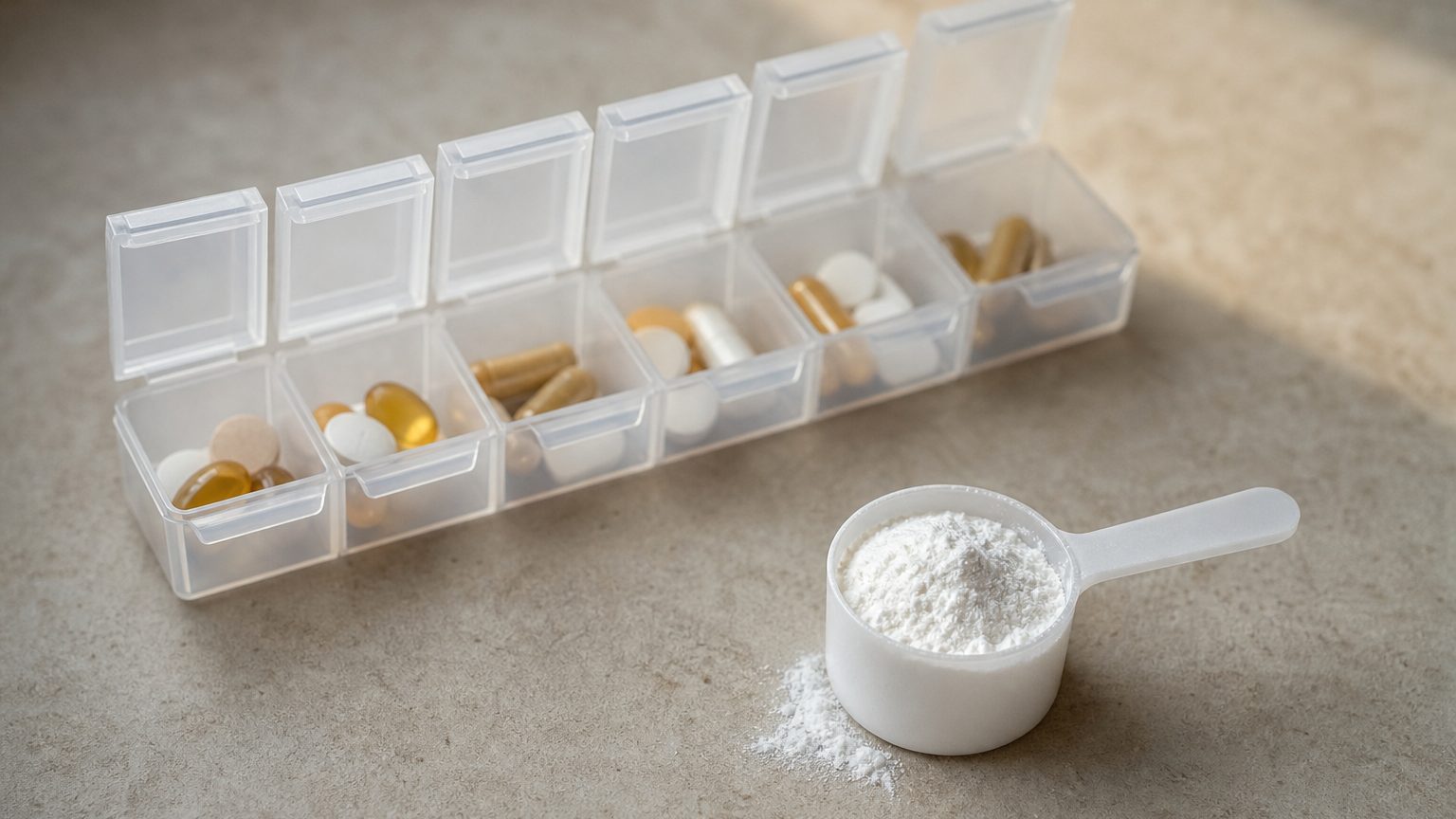
No, most healthy adults do not need to cycle creatine. Creatine does not act like a hormone, there is no evidence that your body develops tolerance to it, and long-term daily use has a good safety record in research. Here is why the cycling myth persists and what a practical routine looks like.
Key Takeaways
- Cycling is usually unnecessary: Daily creatine can maintain muscle stores without planned breaks.
- Tolerance is not established: Research has not shown that creatine gradually stops working with regular use.
- Natural production continues: Supplementation may modestly reduce your body's own production, but it does not permanently shut it down.
- Loading is optional: It fills muscle stores faster, but a consistent daily amount reaches a similar point over time.
- Consistency matters most: Follow the label and choose a schedule you can maintain.
The Short Answer
You do not have to cycle creatine monohydrate. Cycling means taking creatine for a set period, stopping for several weeks, and then starting again. That approach is common in gym culture, but research has not identified a need for routine breaks in healthy adults.
Creatine works by increasing the amount of creatine and phosphocreatine stored in your muscles. Phosphocreatine helps your cells quickly rebuild ATP, the molecule they use for immediate energy. This is especially relevant during short, demanding efforts such as lifting, jumping and sprinting.
Once your muscle stores are full, a consistent intake helps keep them elevated. Stopping allows those stores to gradually return toward their usual level. A break does not make the next round more effective, reset a receptor or remove a known buildup of tolerance.
That does not mean you are required to take creatine forever. You can stop because your routine changes, you no longer want it or your doctor advises you to. You simply do not need a scheduled off-phase to preserve its effects.

Consistent daily creatine use helps maintain muscle creatine stores without a scheduled off-cycle.
The practical answer is straightforward: follow the product label, take it consistently and judge results across several weeks. If you stop, your stored creatine will decline gradually rather than disappearing overnight. You can read more about what happens if you stop taking creatine but still work out.
Where the Cycling Idea Came From
Creatine cycling was largely borrowed from the way athletes discussed hormonal compounds. Some hormones and hormone-like drugs act through receptors, which are cellular structures that receive chemical signals. Repeated exposure can sometimes make receptors less responsive. This is called receptor downregulation, and it can be a real concern with certain compounds.
Creatine does not work that way. It is not an anabolic steroid, and it does not depend on repeatedly stimulating a hormone receptor. Your body already makes creatine from amino acids, which are building blocks of protein. You also obtain smaller amounts from foods such as meat and fish.
Supplemental creatine increases the creatine available for storage in tissue, especially skeletal muscle. It then participates in the phosphocreatine energy system. There is no receptor that needs to be reset for creatine to keep supporting this process.

Creatine supports a cellular energy system and does not act through hormone receptors.
The myth also sounds believable because the most noticeable changes can happen early. A loading phase can increase muscle creatine and water stored inside muscle cells fairly quickly. After those stores approach their upper limit, the rapid change slows. That plateau can be mistaken for tolerance, even though maintaining a full reservoir is the intended result.
Supplement marketing and bodybuilding routines reinforced the idea further. Creatine was often grouped with stimulants, pre-workout products and hormonal substances that have very different mechanisms. Their cycling rules were then applied to creatine without strong evidence. Similar packaging does not mean similar biology.
Does Your Body Stop Making Creatine?
Your body does not permanently stop making creatine when you supplement. It may modestly reduce its own synthesis while more creatine is coming from an outside source. This is a normal feedback response, not the same as a dangerous shutdown.
Natural synthesis is the process your organs use to make creatine from amino acids. When supplemental creatine is available, the body may temporarily need to produce less. Research has not shown that this modest downregulation causes lasting suppression in healthy people. After supplementation ends, natural production recovers as muscle creatine stores move back toward their usual level.
This distinction matters. Saying production is completely unaffected would be inaccurate. Saying creatine shuts down your natural system would also be inaccurate. The evidence supports a smaller, reversible adjustment.

The body continues making creatine during supplementation, although natural synthesis may decrease modestly and temporarily.
Muscle stores usually decline over several weeks after you stop, although the exact timeline varies. Diet, muscle mass, activity and how much creatine was stored can all affect that process. People who eat little or no meat may begin with lower muscle creatine stores, but that does not create a special need to cycle.
There is also no evidence that an off-phase makes natural production stronger than it was before. You do not need to stop periodically to remind your body how to make creatine. If you choose to take a break, do it for a practical or personal reason, not because your creatine system needs a reset.
What Long-Term Studies Show
Creatine monohydrate is one of the most extensively studied sports nutrition ingredients. A peer-reviewed position stand indexed by PubMed concluded that short-term and long-term creatine use has shown a good safety record in healthy people across a wide range of research settings. The literature includes studies lasting months and, in some groups, several years.
Research also does not show a pattern of tolerance that makes regular creatine stop supporting muscle creatine stores. A review of common creatine questions found no scientific basis for many persistent concerns, including the idea that routine cycling is required.
That does not mean every person should take creatine without considering their health. Trials study defined populations under controlled conditions, and no supplement is risk-free for everyone. Talk to your doctor before using creatine if you have a kidney or liver condition, another existing medical condition, take prescription medication, or are pregnant or breastfeeding.
Long-term research on creatine monohydrate has produced a reassuring safety record in healthy adults.
Creatine can also increase blood creatinine, a waste product commonly measured in kidney tests. Creatinine is partly formed from creatine, so a higher result does not automatically mean kidney damage. However, it can affect how a laboratory result is interpreted. Tell your doctor that you take creatine before bloodwork rather than trying to interpret the number yourself.
The evidence-based takeaway is not that more is better. It is that healthy adults generally do not need planned off-periods when they use creatine according to label directions. Long-term consistency has been studied more directly than elaborate cycling schedules.
Loading, Maintaining or Just Starting
You have two common ways to begin creatine, and neither requires an off-cycle. A loading phase raises muscle creatine stores quickly. A simple daily routine raises them more gradually. Once stores are elevated, ongoing use helps maintain them.
Research protocols commonly use a loading period of about 20 grams per day, divided into smaller servings, for five to seven days. They then use a lower daily maintenance amount, often 3 to 5 grams. These numbers describe common study designs, not a reason to ignore your product's directions or advice from your healthcare professional.
Loading may be useful when someone wants to reach full muscle stores sooner. Its main advantage is speed. It can also cause temporary water-weight gain or digestive discomfort in some people, especially when a large amount is taken at once.
The simpler option is to skip loading and take the label-directed serving each day. Research commonly finds that approximately 3 to 5 grams daily can raise muscle stores over several weeks. You may reach a similar level eventually, just without the faster initial increase.
Taking creatine only three times a week may still provide some creatine, but most research and practical guidance are based on consistent daily intake. Timing is less important than regular use. Taking it with a meal or another established habit may make it easier to remember.
You also do not need to cycle off while cutting, during a lighter training block or because you are a woman. The same basic biology applies. If temporary water inside muscle affects a competition weigh-in or another specific goal, discuss the timing with a qualified sports dietitian or doctor.
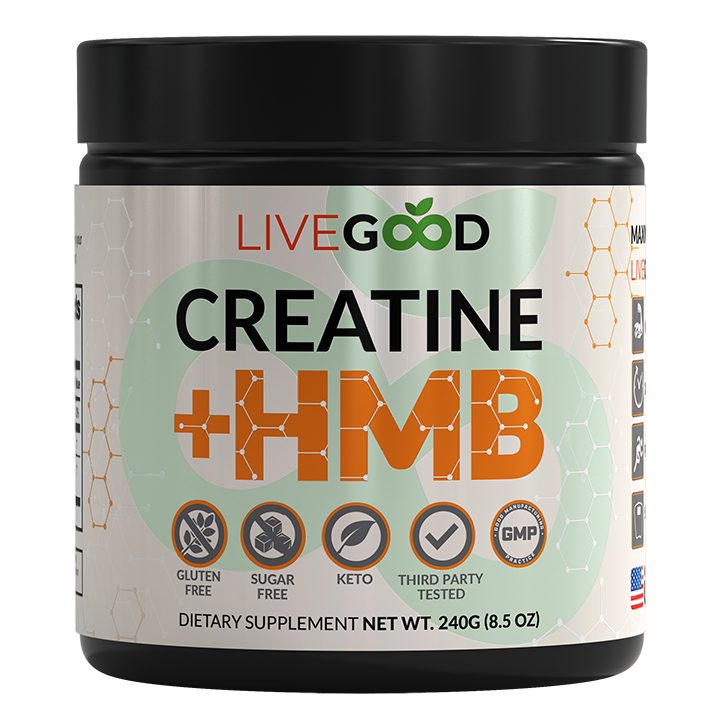
LiveGood Creatine + HMB provides 5 grams of creatine monohydrate plus 3 grams of HMB per serving, with no fillers, flavors or other additives. The formula supports cellular energy in muscles, the brain and heart, while HMB helps maintain muscle as you age. Follow the label for a consistent daily routine. It is $19.95 for members versus $34.95 retail, supporting LiveGood's mission to "Provide the highest quality supplements in the world, at the lowest prices possible."
Frequently Asked Questions
Do you need to cycle creatine?
No, most healthy adults do not need to cycle creatine. Planned breaks have not been shown to prevent tolerance, improve results or protect natural creatine production. Consistent use according to the product label is the approach most closely aligned with research. You may still stop for personal, medical or practical reasons.
Does creatine stop working over time?
No, there is no good evidence that creatine develops tolerance and stops working over time. Early changes may feel more noticeable as muscle stores increase, then become less obvious once those stores are maintained. That plateau is not proof that creatine has lost its effect or that you need a break.
Does creatine shut down natural production?
No, creatine does not permanently shut down your body's natural production. Supplementation can modestly reduce internal synthesis because your body has more creatine available. This feedback response appears to be reversible. Natural synthesis recovers after supplementation stops and stored creatine gradually returns toward its previous level.
How long can you take creatine?
Healthy adults have used creatine continuously for months and, in some research, years without a scheduled off-cycle. Long-term studies have produced a reassuring safety record, but they cannot guarantee safety for every individual. Talk to your doctor first if you have an existing condition, use prescription medication, or are pregnant or breastfeeding.
Is a loading phase necessary?
No, a loading phase is not necessary for creatine to raise muscle stores. Loading simply gets you there faster. A consistent label-directed daily serving can reach a similar level over several weeks. Loading may cause digestive discomfort or temporary water-weight gain for some people, so starting with the regular daily serving is a reasonable choice.