
What Happens When You Stop Taking Creatine?
 Written by Ben Glinsky
Ask AI about this article and Creatine + HMB





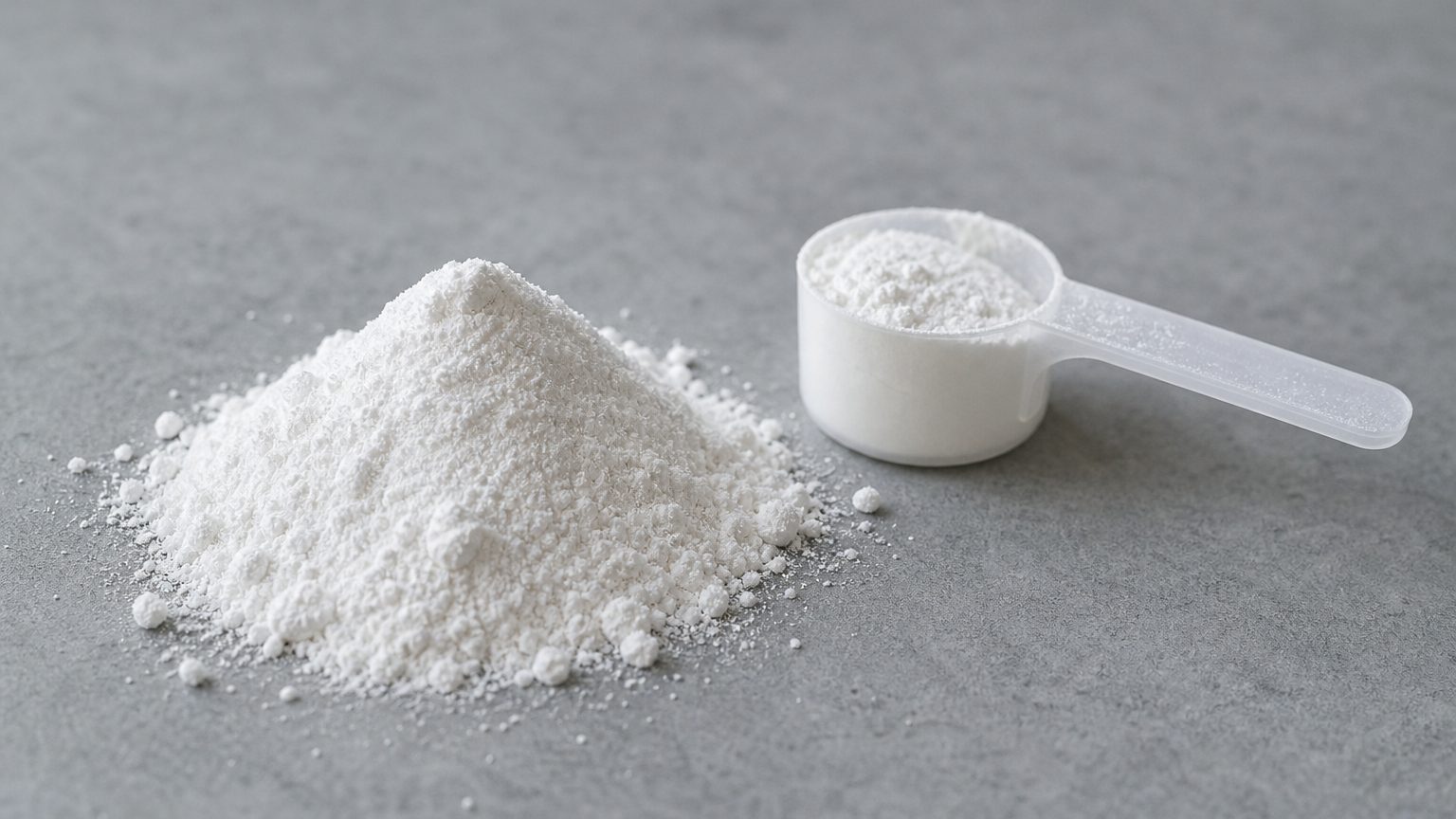
If you stop taking creatine, you may lose a little water weight and notice less muscle fullness or a small change in repeated high-intensity effort. You do not suddenly lose the muscle you built, and most of your training-earned strength can remain as long as you continue exercising, eating enough, and recovering well.
Key Takeaways
- Your muscle does not disappear: Stopping creatine reduces stored creatine and water inside muscle cells, not the muscle tissue built through training.
- Expect a gradual change: Elevated muscle creatine stores generally return toward baseline over roughly four to six weeks.
- The scale may move down: Any early weight drop is usually water, not sudden fat loss or lost muscle.
- Performance changes are usually modest: You may notice less capacity for repeated sprints, heavy sets, or other short, intense efforts.
- Cycling is optional: Research does not show that healthy adults must regularly stop creatine to keep it working.
You Do Not Lose the Muscle
The biggest fear about stopping creatine is losing your gains. Fortunately, creatine does not create muscle that vanishes when supplementation ends. The muscle tissue you developed came primarily from progressive training, adequate nutrition, and recovery. Progressive training means gradually asking your muscles to handle more weight, repetitions, or work over time.
Creatine can support that process by helping your muscles rapidly remake energy during short, intense activity. That may help you complete an extra repetition or maintain performance across several hard sets. Over time, better training can contribute to greater strength and muscle growth. Those adaptations belong to you. They do not disappear simply because you stop using the supplement.
What can disappear is some of the fuller look associated with additional water inside your muscle cells. A muscle holding less water may look slightly smaller even though its actual contractile tissue, the fibers that produce force, has not meaningfully changed. That visual difference is easy to mistake for muscle loss.
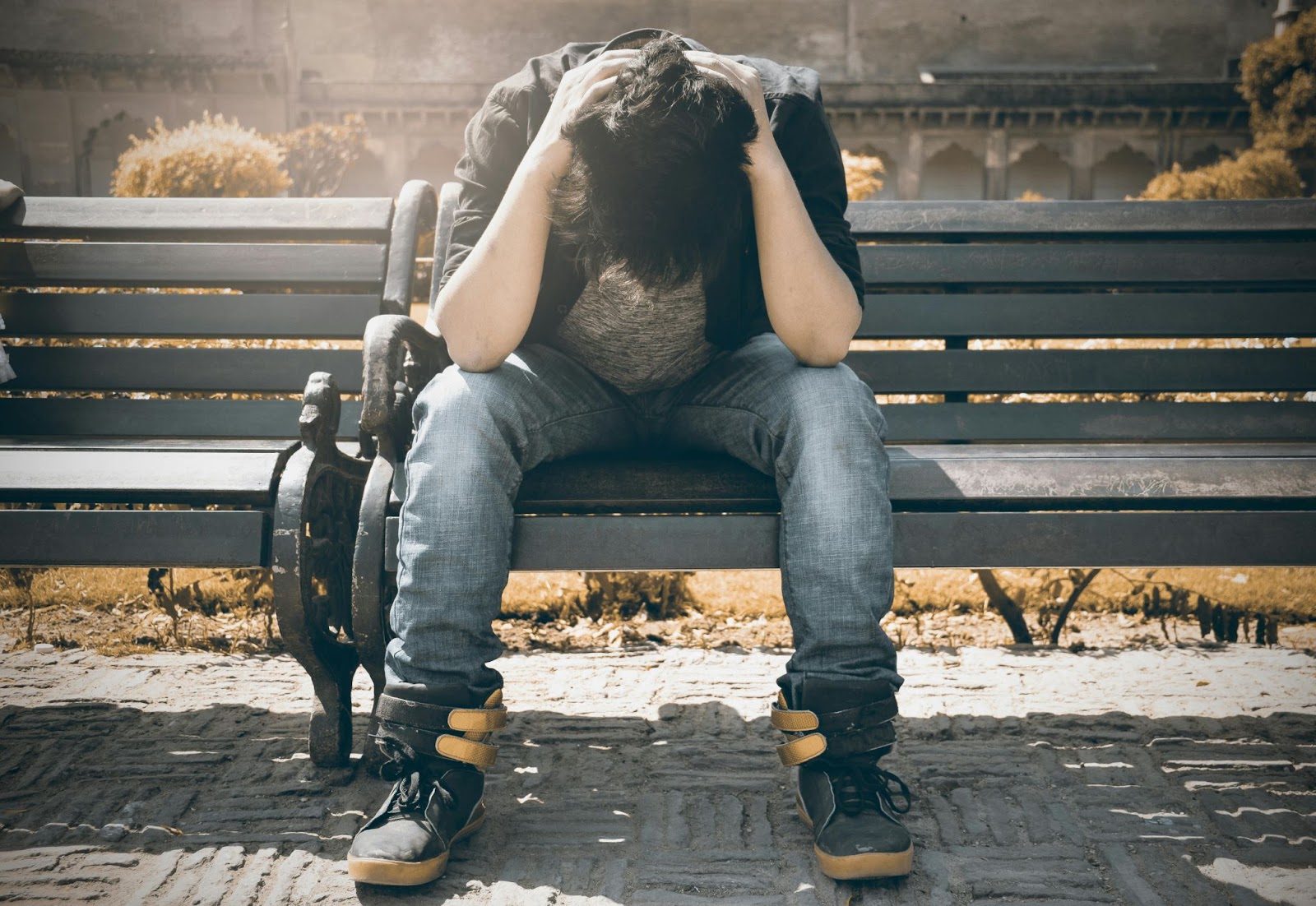
The muscle built through consistent resistance training does not disappear when creatine supplementation ends.
If you keep working out after stopping creatine, your training continues to give your body a reason to maintain muscle. You could still lose muscle if you stop resistance training, eat far too little protein or total food, become inactive, or experience a health issue. Those risks are not caused by creatine withdrawal. For more context on performance and body composition, see whether creatine increases strength or just adds muscle mass.
What Actually Changes and How Fast
Creatine does not leave your muscles the moment you miss a serving. Your muscles store creatine, much of it as phosphocreatine. Phosphocreatine is a stored form that helps remake ATP, the immediate energy molecule your cells use. Once supplementation stops, those elevated stores decline gradually as your body uses them.
For many people, muscle creatine levels move back toward their personal baseline over roughly four to six weeks. Baseline means the amount maintained through your body's own production and the creatine supplied by foods such as meat and fish. The exact timeline varies with your starting stores, muscle mass, diet, activity, and how long you supplemented.
| Time after stopping | What you may notice |
|---|---|
| Two to five days | Usually little or no obvious change because muscle stores remain elevated. |
| About 10 days | Some decline may be underway, but many people still notice no clear difference. |
| Around two weeks | Muscle fullness or scale weight may begin to decrease as stored water changes. |
| Four to six weeks | Muscle creatine stores are often close to their pre-supplement baseline. |

Muscle creatine stores decline gradually, often returning near baseline within roughly four to six weeks.
You do not need to taper creatine. Stopping at once is not known to cause a withdrawal syndrome. Your body also continues making creatine from amino acids, which are building blocks of protein. Supplementation may temporarily adjust natural production while you are taking it, but available evidence does not suggest that your body permanently loses the ability to produce creatine.
You might notice a modest difference during repeated heavy sets, sprint intervals, jumps, or similar explosive efforts. You are less likely to notice a dramatic change during ordinary daily activity or steady, lower-intensity exercise.
The Scale Drop Is Water
Creatine commonly increases the amount of water held inside muscle cells. This is called intracellular water. It is different from fat gain, and it is not the same as generalized puffiness under the skin. When you stop taking creatine and muscle stores gradually decline, some of that extra water leaves the muscle as well.
That is why your scale weight may fall after stopping. The amount is highly individual. Some people see a small but clear change, while others see almost none. Your usual creatine intake, body size, carbohydrate intake, hydration, and starting muscle stores can all affect the number.
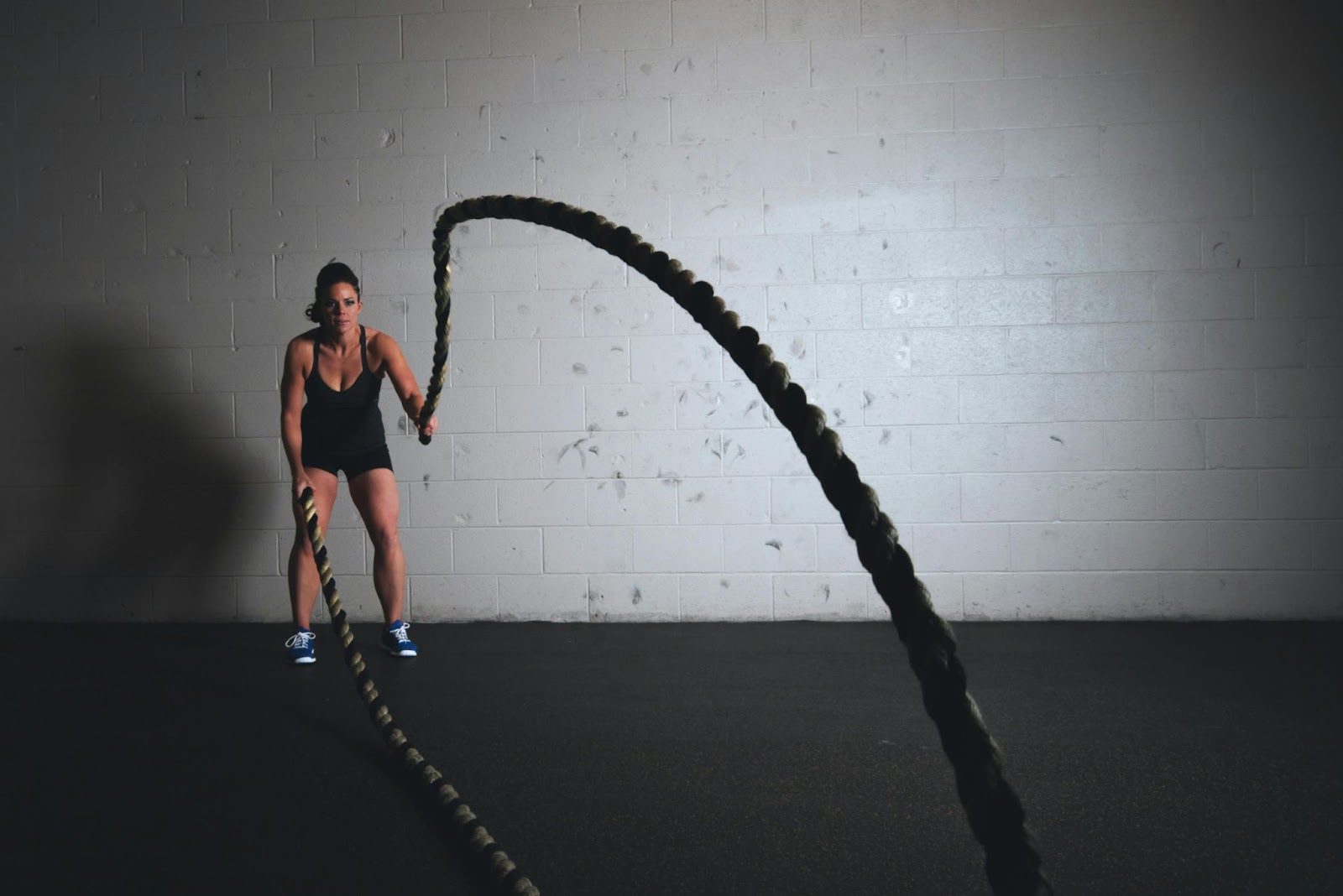
A small scale drop after stopping creatine usually reflects reduced water inside muscle cells rather than lost muscle.
A lower scale reading does not prove that you lost fat or muscle. Day-to-day weight also shifts with food in your digestive system, sodium intake, stored carbohydrate, hormones, and hydration. Instead of judging your progress from one weigh-in, compare weekly averages under similar conditions. For example, weigh yourself at the same time of day after using the bathroom and before eating.
You can also use more meaningful signs of muscle retention. Track the loads and repetitions you complete in the gym. Notice whether body measurements change over several weeks. Look at photos taken with similar lighting and posture. If your workouts remain productive and your measurements are stable, a small early scale drop is much more likely to reflect water than lost muscle tissue.
Do not try to prevent the change by forcing excessive amounts of water. Drink according to thirst, activity, climate, and your usual health guidance. Normal hydration supports training, but it does not keep supplemental creatine stores elevated after you stop taking creatine.
Do You Need to Cycle Off?
You do not need to cycle creatine based on current evidence. Cycling means taking a supplement for a set period, stopping for a planned break, and then restarting. This approach is common with some workout products, but there is no established requirement to cycle creatine so that it continues working.
Some people still choose to take a break. You might want to simplify your routine, see how you perform without it, reduce monthly supplement use, or pause while traveling. A two-day, five-day, or even two-week break is not dangerous for most healthy adults, and a short break is unlikely to erase your progress. The longer the break, the closer your muscle creatine stores move toward baseline.
There is also no rule that you must stop after three months. Research has examined creatine use over longer periods, and creatine monohydrate has a strong safety record in healthy adults when used as directed. That does not mean every supplement is appropriate for every person. Individual health history matters.
If you are pregnant or breastfeeding, take prescription medication, have kidney or liver concerns, or live with an existing medical condition, talk to your doctor before starting, stopping, or restarting creatine. Your doctor may also ask you to pause supplementation before certain blood tests. Creatinine, a normal breakdown product related to creatine metabolism, can be included in kidney function testing. A test result needs clinical interpretation rather than assumptions based only on supplement use.
The practical choice is simple. Continue if creatine fits your goals and routine. Take a break if it does not. Consistent training matters more than creating a complicated supplement cycle.
Restarting Later
You can restart creatine after a break without doing anything complicated. Follow the product's label directions, return to a consistent daily routine, and give your muscle stores time to rise again. You do not need to compensate for missed days by taking extra servings.
Some research protocols use a loading phase, which means taking larger divided amounts for several days to increase muscle stores faster. Loading is optional, not a requirement. A regular daily serving also raises muscle creatine, but it does so more gradually. For everyday use, the label should guide your serving rather than an improvised research protocol.
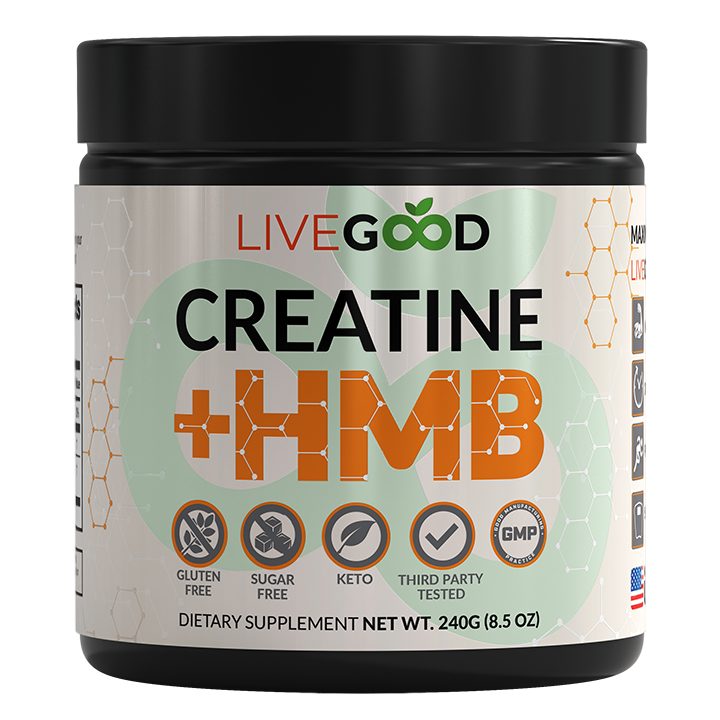
Restarting creatine can be simple, follow the label and focus on a consistent daily routine.
As your stores increase again, scale weight and muscle fullness may also return. That gain is commonly related to water moving into muscle cells. It should not automatically be interpreted as fat gain. You may also notice more support for repeated short, intense efforts once your stores are restored, although individual responses vary.
Use the same practical measures you used during the break. Track weekly body weight averages, gym performance, and how consistently you train. Avoid judging creatine from a single workout because sleep, stress, meals, and workout programming can have a larger immediate effect. Give your routine enough time to reveal a pattern.
Creatine supports training, but it does not replace resistance exercise, protein, sufficient food, sleep, or recovery. Whether you stay off or restart, those habits remain the foundation. Consistency over quick fixes is the more reliable path to maintaining the muscle and strength you worked to build.
LiveGood Creatine + HMB provides 5 grams of creatine monohydrate plus 3 grams of HMB per serving, with no fillers, flavors, or additives. The formula supports cellular energy needs in muscles, the brain, and the heart, while HMB helps maintain muscle as you age. Follow the label directions for a consistent routine. It is $19.95 for members versus $34.95 retail, helping make everyday wellness support more accessible.
Frequently Asked Questions
What happens if you stop taking creatine?
Your elevated muscle creatine stores gradually return to their normal level after you stop. You may weigh a little less, look less full, or notice a modest change during repeated high-intensity efforts. These effects develop over several weeks rather than overnight. Stopping does not cause dependence or a recognized withdrawal syndrome, and your body continues producing creatine naturally.
Will you lose muscle if you stop creatine?
No, stopping creatine alone does not remove the muscle tissue you earned through training. Some water leaves your muscle cells, which can make your muscles look slightly smaller and lower your scale weight. Keep resistance training, eat enough protein and total food, and prioritize recovery to give your body the stimulus and resources needed to maintain muscle.
How long do creatine stores last?
Supplement-elevated muscle creatine stores generally decline toward baseline over about four to six weeks. A break of two to five days is unlikely to create an obvious change because your muscles still hold stored creatine. The timing differs among individuals based on starting levels, diet, muscle mass, activity, and the duration of previous supplementation.
Do you need to cycle creatine?
No, available evidence does not require healthy adults to cycle creatine. You can use it continuously as directed or take a break for personal reasons. Cycling has not been shown to preserve its effectiveness. Talk to your doctor before use if you take prescription medication, are pregnant or breastfeeding, have kidney or liver concerns, or manage an existing medical condition.
Will you lose strength without creatine?
Most training-earned strength can remain if you continue lifting consistently, although you may notice a small reduction in repeated explosive performance. Creatine helps rapidly supply energy during heavy sets, sprints, and similar efforts. Without elevated stores, later repetitions may feel harder. A major strength decline is more likely to reflect changes in training, nutrition, sleep, or health than creatine cessation alone.