
Creatine for Cyclists: Dosage and What to Expect
 Written by Nauder Khazan
Ask AI about this article and Creatine + HMB





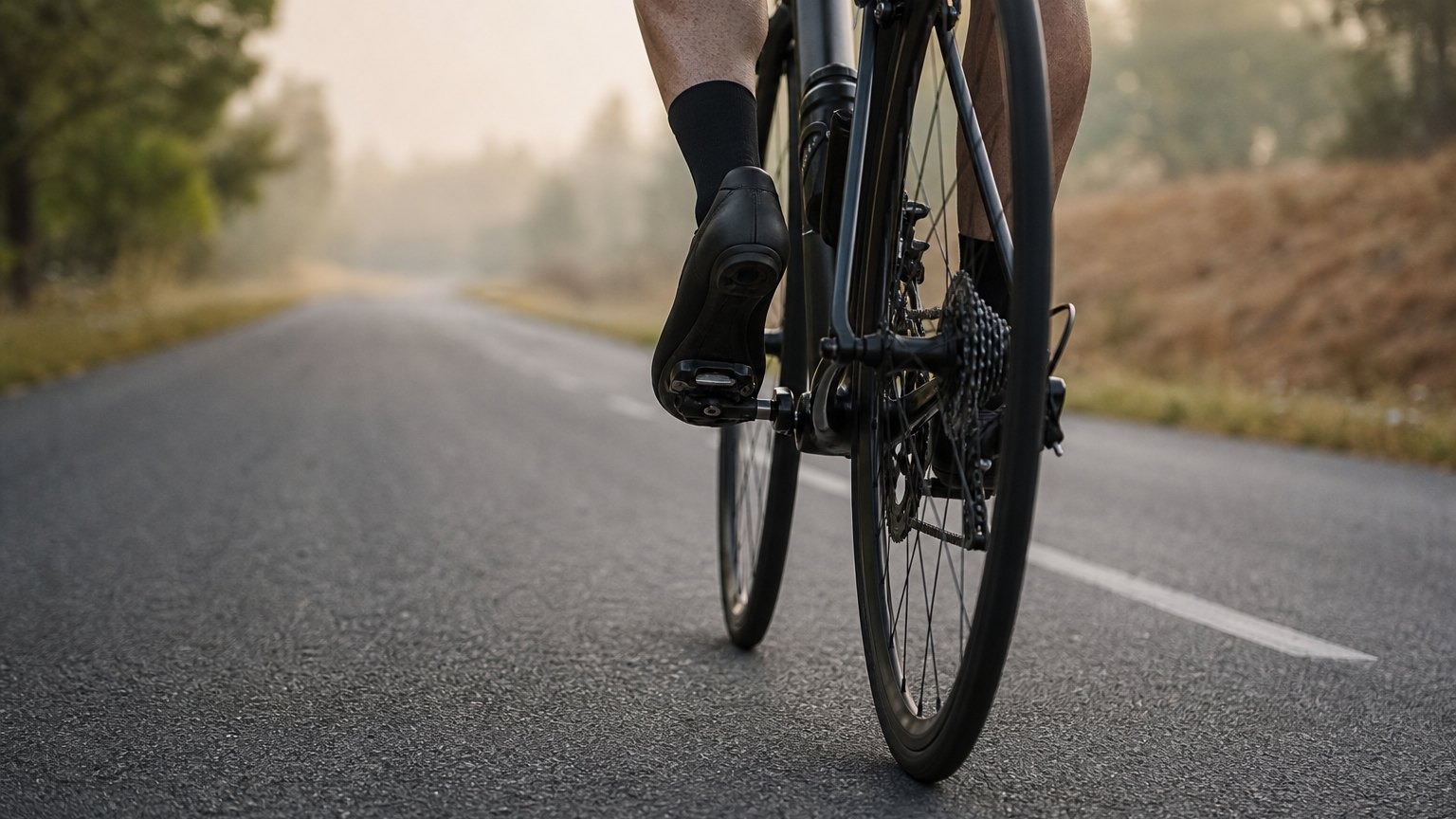
Creatine for cyclists is about improving short, intense efforts, not about cycling creatine on and off. It may support sprint power, attacks, and repeated climbs, but it does not reliably improve steady endurance, and added water weight can matter when you ride uphill. Here is how to weigh that tradeoff and use creatine realistically.
Key Takeaways
- Think short and intense: Creatine is most relevant to sprints, attacks, repeated surges, and strength training.
- Expect mixed endurance results: It does not consistently improve steady-paced riding or long time trials.
- Consider the added weight: Water stored with creatine may reduce power-to-weight benefits for dedicated climbers.
- Choose a simple daily routine: Research commonly uses 3-5 grams of creatine monohydrate per day, with loading optional.
- Judge it in your own riding: Track sprint repeatability, body weight, digestion, and climbing performance before race day.
What Creatine Does for Cycling Specifically
Creatine is a compound your body makes from amino acids, which are building blocks used throughout the body. You also get small amounts from meat and fish. Most creatine is stored in muscle, where it helps replenish adenosine triphosphate, or ATP. ATP is the immediately available energy your muscles use to contract.
During a hard sprint, your muscles spend ATP very quickly. Stored phosphocreatine, which is creatine attached to a phosphate group, helps rebuild that ATP for a few more seconds of intense work. Taking creatine monohydrate can increase the amount stored in muscle, although the size of the increase varies from person to person.
For a cyclist, that system matters when you jump out of a corner, close a gap, attack a short rise, or sprint for the line. It can also support the strength and power work you do away from the bike. Those adaptations may be useful even when the supplement does not directly make a long aerobic ride faster.
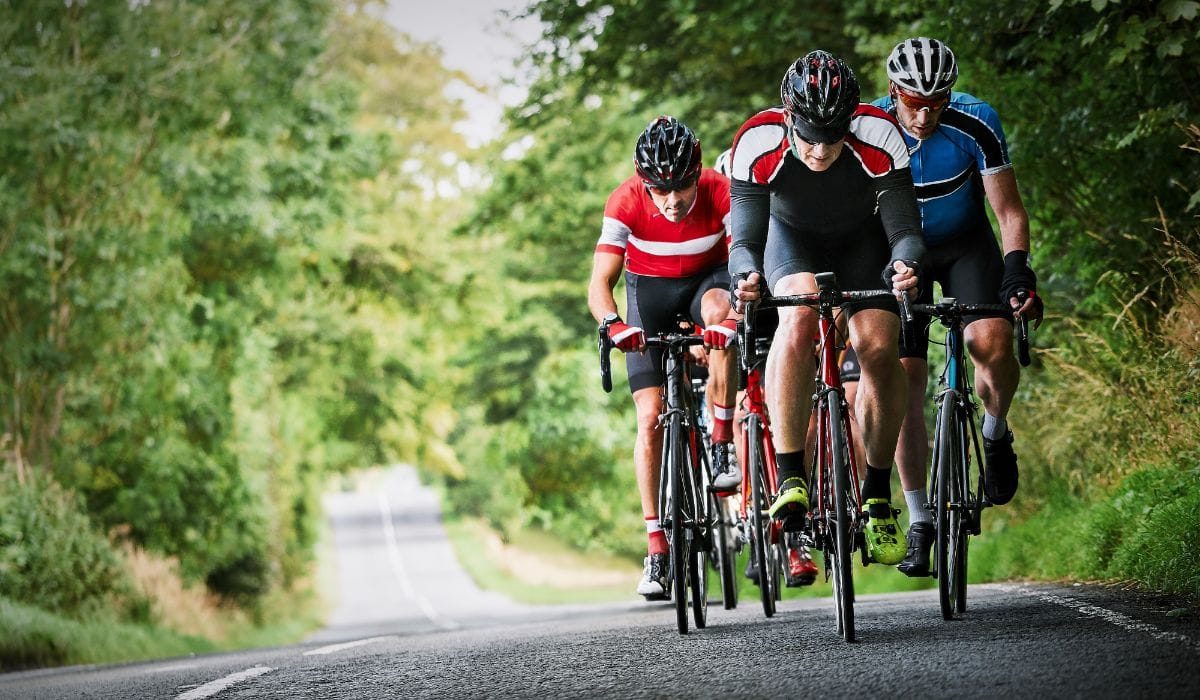
Creatine supports the rapid energy system cyclists use during brief, forceful efforts.
Cycling-specific research is less consistent than the broader research on strength and repeated high-intensity exercise. In a study of a simulated road race, creatine affected muscle metabolism but did not improve overall race performance. That distinction matters. A stronger finishing sprint and a faster total ride are not the same result, so expectations should match the demands of your event.
Sprints and Repeated Efforts vs Steady Endurance
Creatine fits efforts powered heavily by the phosphocreatine system. These are usually brief, forceful efforts lasting seconds rather than many minutes. Think standing starts, track sprints, repeated accelerations out of corners, short attacks, or surges over steep terrain.
The advantage may become more relevant when those efforts repeat with limited recovery. In a criterium, for example, you may accelerate dozens of times. A mountain bike race can demand frequent bursts after turns and obstacles. Cyclocross combines hard starts, repeated accelerations, running, and bike handling. Creatine may help support your capacity to train for those demands, but it cannot guarantee a faster race.
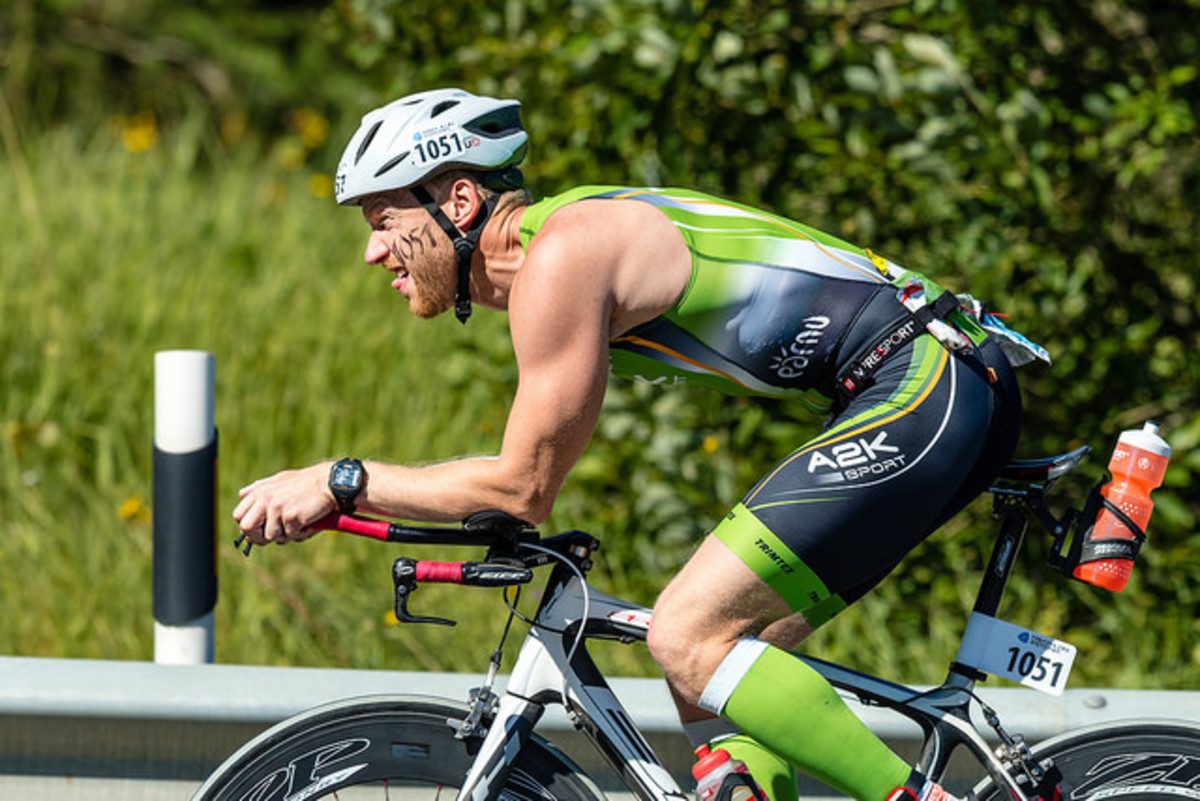
Repeated accelerations are more relevant to creatine than long stretches of steady riding.
Steady endurance relies much more on the aerobic energy system. Aerobic means your body uses oxygen to produce energy over longer periods. Creatine does not meaningfully expand that system in the way consistent endurance training does. Research has not shown a dependable improvement in maximal oxygen uptake, often called VO2 max, or in long, even-paced cycling performance.
Results from cycling studies remain mixed. Some protocols find better sprint output after prolonged exercise, while others find no improvement in the overall time trial. Added body mass can also cancel out a small power benefit, especially on climbs.
A practical way to think about it is simple. Creatine may help you produce or repeat brief high-power efforts. It is less likely to change the pace you can hold for several hours. If your races are decided by surges and sprints, that may still be valuable. If you mainly ride at a steady pace, the benefit may be difficult to notice.
The Water Weight and Power-to-Weight Tradeoff
Creatine draws additional water into muscle cells as muscle creatine stores rise. That water is not body fat, and it does not mean creatine has made you bulky. However, the scale may move upward. The change varies, but it can appear quickly during a loading phase and develop more gradually with a lower daily serving.
For a flat-road sprinter, a modest increase in body mass may be an acceptable trade for better support during explosive efforts. For a climber, the calculation is different. Climbing depends heavily on power-to-weight ratio, which is the amount of power you produce relative to your body weight. Any extra weight must be carried uphill.

Cyclists should weigh possible sprint support against the effect of added water mass on climbing.
That does not mean every climber should avoid creatine. If it helps you train with greater quality, preserve strength, or repeat short attacks, the benefit could matter. But a supplement that supports a stronger ten-second surge may still leave your long climbing time unchanged. It could even feel unhelpful if your body mass rises without a noticeable power benefit.
Test the tradeoff during training, not immediately before an important event. Record morning body weight under similar conditions. Compare repeated sprint sessions, short climbs, and longer steady climbs over several weeks. Try to keep sleep, carbohydrate intake, bike setup, and training load reasonably consistent so the comparison is useful.
Creatine has not consistently been shown to cause dehydration, but you should still follow your normal hydration plan. The extra water is mainly held inside muscle cells. Drink according to thirst, weather, ride duration, and your established sports nutrition plan rather than forcing excessive fluid.
Dosing: Loading vs Daily Maintenance
Creatine monohydrate is the most studied form. You do not need a special cycling formula, and taking more than the label directs is not a shortcut. Research protocols generally use either a brief loading phase followed by maintenance or one consistent daily amount.
| Approach | Research context | What to expect |
|---|---|---|
| Optional loading | About 20 grams daily, divided into four 5-gram servings for 5-7 days | Muscle stores rise faster, but water-weight and digestive changes may also appear sooner |
| Daily use without loading | Usually 3-5 grams daily | Saturation develops more gradually, commonly over about 3-4 weeks |
| Maintenance after loading | Usually 3-5 grams daily | Helps maintain increased muscle creatine stores |
These amounts describe common study methods, not personalized medical advice. Follow your product label. A loading phase is optional, and many cyclists prefer to skip it because a steady daily serving is simpler and may reduce the chance of stomach discomfort. Dividing larger amounts can also be easier on digestion.
Timing is much less important than consistency. You can take creatine with breakfast, after training, or with another regular meal. Pairing it with food may feel better if it bothers your stomach. Taking it immediately before a ride does not create a stimulant-like surge because the goal is to build and maintain muscle stores over time.

A consistent label-directed serving is simpler than relying on precise pre-ride timing.
Talk to your doctor before using creatine if you take prescription medication, including lisinopril, or if you are pregnant, breastfeeding, or have a kidney condition, liver condition, or another existing medical condition. Stop and seek professional advice if you experience persistent digestive symptoms or another concerning reaction.
LiveGood Creatine + HMB provides a full 5 grams of creatine monohydrate plus 3 grams of HMB per serving, with no junk fillers, flavors, or additives. Used according to the label, it is formulated to support muscles, normal brain and heart function, and healthy muscle maintenance with age. It costs $19.95 for members versus $34.95 retail, helping make a clean daily routine more accessible because wellness should not be a luxury.
Who Benefits Most
Creatine is most likely to fit cyclists whose training or competition includes repeated high-power work. Track sprinters are an obvious example, but the list is broader. Criterium racers repeatedly accelerate out of corners. Cyclocross and mountain bike riders face short climbs, restarts, technical features, and sharp changes in pace. Road racers may need to bridge gaps, respond to attacks, and sprint after several hours of riding.
Gravel riders can also encounter repeated bursts, especially on rolling courses or loose surfaces where maintaining momentum requires extra force. The benefit is less certain for riders doing long, evenly paced events with few accelerations.

Creatine may be most relevant when a ride includes frequent attacks, climbs, corners, or sprints.
Cyclists who combine riding with resistance training may have another reason to consider creatine. Resistance training means using weights, machines, or body weight to challenge muscle strength. Research on creatine more consistently supports strength and training capacity than it supports endurance performance. That can be useful during an off-season strength block or for riders trying to maintain muscle as they age.
Vegetarians and vegans may respond more noticeably because their diets generally contain little preformed creatine. That does not mean every plant-based cyclist will benefit, or that meat-eaters cannot. Starting muscle stores and individual response differ.
Dedicated climbers should be more selective. So should riders who already struggle to meet an event's weight-related goals. If you try creatine, give yourself enough training time to assess sprint power, climbing feel, body weight, and digestion. The right question is not whether creatine works in general. It is whether its specific effects match your riding and priorities.
What It Will Not Do
Creatine will not replace aerobic training. It does not build the deep endurance needed for a century ride, long time trial, or sustained mountain climb. Those abilities come primarily from consistent riding, progressive training, adequate recovery, and enough time at suitable intensities.
It will not replace carbohydrates during long rides either. Carbohydrates are a major fuel source for moderate and hard cycling. Creatine supports a different, short-duration energy system. You still need an appropriate fueling plan before, during, and after longer sessions.
Creatine is also not an instant pre-workout. A single serving shortly before a ride is unlikely to produce an obvious feeling. Muscle stores rise through repeated use, so any useful effect is more likely to emerge across training sessions than during the hour after your first serving.
Do not expect it to guarantee recovery, prevent soreness, or eliminate fatigue. Recovery depends on training load, calories, protein, carbohydrate, sleep, stress, and rest. Research on creatine suggests possible recovery-related benefits in some settings, but findings vary and should not be treated as a promise.
Finally, creatine will not automatically make you gain large amounts of muscle. Added water can increase scale weight, and strength training may support gradual muscle growth, but creatine alone does not create a bodybuilder's physique. Use it as one small part of a well-built routine. Honest tracking matters more than hype. If your sprint repeatability improves and the added weight does not hurt your climbing, it may fit. If nothing meaningful changes, you do not need to keep taking it.
Frequently Asked Questions
Should cyclists take creatine?
Some cyclists may benefit from creatine, especially those doing sprints, attacks, criteriums, mountain biking, cyclocross, or resistance training. It is less compelling for steady endurance riding and may add water weight. Consider your event demands, test it during training, and follow the label. Talk to your doctor first if you use prescription medication or have an existing medical condition.
Does creatine help endurance cycling?
Creatine does not consistently improve steady endurance performance or long time trials. Its main cycling role is supporting short, intense efforts and the ability to repeat them. That may still help in an endurance event containing attacks, steep surges, or a finishing sprint, but research does not show a dependable increase in aerobic capacity or overall race speed.
How much creatine should a cyclist take?
Research commonly uses 3-5 grams of creatine monohydrate daily, following an optional loading phase of about 20 grams daily in divided servings for 5-7 days. Follow the directions on your product rather than exceeding its serving. Loading raises muscle stores faster, while consistent daily use without loading usually reaches similar saturation more gradually.
Does creatine weight gain hurt climbing?
Creatine-related water weight can affect climbing if the added mass is not matched by a useful increase in power. The impact varies by person, route, and dose. A sprinter may accept that tradeoff, while a dedicated climber may not. Test creatine well before an event and compare body weight, climbing pace, and repeated-effort performance under similar conditions.
When should cyclists take creatine?
Cyclists can take creatine at any convenient time because daily consistency matters more than taking it immediately before or after a ride. Breakfast, a post-training meal, or another repeatable time can all work. Taking it with food may reduce stomach discomfort. Follow the product label and allow several weeks to evaluate a non-loading routine.