
Creatine for Strength and Stamina: What It Does
 Written by Nauder Khazan
Ask AI about this article and Creatine + HMB





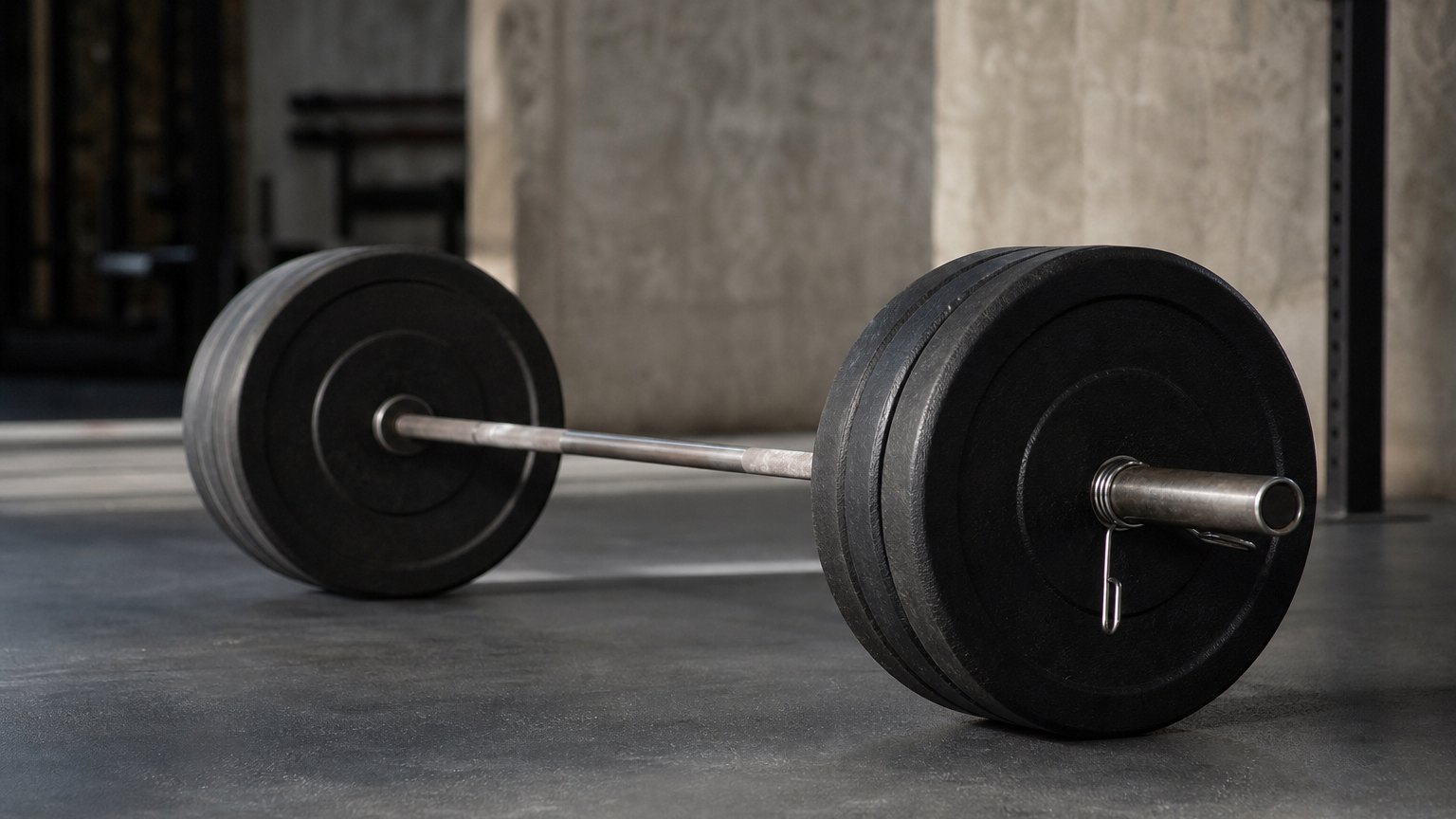
Creatine can increase stamina when you mean repeating short, hard efforts with less drop-off in power. It is much less likely to help if you mean running, cycling, or swimming at a steady aerobic pace for longer. The difference comes down to how your muscles produce energy.
Key Takeaways
- Define stamina first: Creatine is most useful for repeated bursts of intense activity, not continuous aerobic exercise.
- Expect strength and power support: It can help you complete hard sets, sprints, jumps, or intervals with less decline in output.
- Think in seconds: The phosphocreatine system rapidly restores ATP during brief, demanding efforts.
- Keep endurance expectations modest: Creatine usually does little for steady running or cycling and may add temporary water weight.
- Use it consistently: Daily intake matters more than taking creatine immediately before a workout.
Strength and Stamina Are Not the Same Question
People use the word stamina in two different ways. One person may mean getting through five hard sets at the gym. Another may mean running for an hour without slowing down. Creatine is much better suited to the first goal.
Here is the practical distinction:
| What you mean | Examples | Likely creatine value |
|---|---|---|
| Repeated high-intensity stamina | Weightlifting sets, sprints, hills, jumps, hard intervals | Often useful |
| Steady aerobic endurance | Easy running, long rides, continuous swimming | Usually small or unclear |
| Mixed-sport stamina | Soccer, basketball, tennis, martial arts | Potentially useful for repeated bursts |
Strength is the amount of force you can produce. Power is how quickly you can produce that force. Muscular stamina is your ability to repeat demanding contractions before your output falls. Aerobic endurance is your ability to sustain activity using oxygen over a longer period.
Creatine mainly supports the first three. It can help your muscles maintain high output across repeated brief efforts, especially when rest periods are limited. That may let you perform another repetition, preserve sprint speed, or complete more quality work during training.
It does not act like caffeine, and you may not feel a sudden energy rush. Its value comes from gradually increasing stored creatine in muscle. That is why the clearest answer to "does creatine increase stamina?" is yes for repeated intensity, but probably not much for steady endurance.
The Phosphocreatine System Explained
Every muscle contraction requires adenosine triphosphate, usually shortened to ATP. ATP is a small molecule that provides immediately usable energy inside your cells. Your muscles store only enough ready-to-use ATP for a few seconds of very hard work.
To keep going, your body must rebuild ATP from a lower-energy molecule called ADP. One of the fastest ways it does this is through phosphocreatine. Phosphocreatine is creatine with an attached phosphate group. It donates that phosphate to ADP, quickly turning it back into ATP.
Think of ATP as cash in your pocket and phosphocreatine as a small emergency reserve. The reserve is limited, but it can be accessed almost instantly. This makes it valuable during a heavy lift, short sprint, explosive jump, or another effort lasting only several seconds.
Taking creatine monohydrate can increase the amount of creatine and phosphocreatine stored in your muscles. Larger stores do not give you unlimited energy. They simply help replenish ATP during brief, intense work before slower energy systems take over.
This explains why creatine is not equally effective for every activity. The phosphocreatine system contributes heavily when intensity is high and duration is short. During a long, easy run, your body relies much more on oxygen-based metabolism, which turns carbohydrates and fats into energy at a slower but sustainable rate.
A peer-reviewed review of creatine research found the most consistent performance benefits in high-intensity exercise and training, which fits this energy-system explanation.
What Creatine Does for Repeated Efforts
Creatine's effect may be most noticeable when you perform several demanding efforts close together. The first sprint or set might not change much. The advantage is more likely to appear as you repeat the task and would normally begin losing speed, force, or repetitions.
Examples include:
- Several sets of squats or presses
- Repeated 10- to 30-second sprints
- Short hill intervals
- Jumping or throwing drills
- Stop-and-start team sports
- High-intensity circuits with brief rest periods
The effect is usually modest, not dramatic. A research review reported improvements in high-intensity exercise performance commonly falling within a broad range of roughly 5% to 15%, depending on the activity, training status, protocol, and outcome measured. Some studies find smaller changes or no meaningful difference. Individual response also varies.
Those small workout improvements can still matter over time. If creatine helps you preserve the quality of later sets, you may accumulate more productive training. More quality work can support strength and muscle gains when paired with a well-designed program, enough food, protein, sleep, and recovery.
Creatine does not replace training. It also cannot make every workout feel easy. Poor sleep, inadequate nutrition, illness, heat, and overly aggressive programming can outweigh any supplement effect.
Your baseline diet may affect your response. People who eat little or no meat and fish sometimes begin with lower muscle creatine stores, so they may experience a larger increase after supplementation. Other people naturally start with higher stores and notice less change.
Why Steady-State Endurance Is Different
Steady-state endurance means maintaining a manageable pace for an extended period. Examples include an easy 10K run, a two-hour bike ride, or continuous lap swimming. During these activities, your muscles rely mainly on aerobic metabolism, which uses oxygen to produce ATP from carbohydrates and fats.
Creatine does not directly improve oxygen delivery, aerobic capacity, or the efficiency of this long-duration energy system. As a result, research generally finds little consistent improvement in time-trial performance or the ability to keep going at a steady pace.
There can still be a role for endurance athletes. Runners and cyclists often include sprints, hills, hard intervals, gym sessions, and finishing surges. Creatine may support those high-intensity parts of training even if it does not help the steady portion of a race. It may also support strength development from resistance training, which some endurance athletes use for durability and power.
The tradeoff is water weight. Creatine draws water into muscle cells, especially during the first days of a loading protocol. This is not the same as gaining body fat, but extra mass can matter in distance running or uphill cycling. Some athletes consider the added training support worthwhile, while others do not.
If running is your main activity, see our detailed guide to creatine for runners. Cyclists can review creatine dosage and benefits for cyclists. For either sport, judge creatine across several comparable sessions rather than expecting one serving to make you go farther that day.
Age and Response: Older Adults
Older adults can respond to creatine, particularly when supplementation is combined with resistance training. Age does not shut down the phosphocreatine system. Muscles still need ATP for lifting, climbing stairs, rising from a chair, and other demanding movements.
Research in older adults has examined strength, lean tissue, and physical function. Overall, the findings suggest creatine may add to some of the benefits of resistance training. Results are not uniform, however. Some trials report meaningful improvements, while others find little difference compared with training alone.
The exercise component matters. Creatine may help you perform more high-quality training, but it does not provide the same stimulus as lifting weights. Two or three appropriately designed resistance sessions per week, adjusted for your ability and recovery, are likely to matter more than the supplement itself.
Older adults should also keep the word stamina specific. Creatine may support repeated chair stands, strength sets, short stair climbs, or other tasks requiring brief muscular effort. It should not be expected to substantially increase long-duration walking endurance on its own.
Potential brain benefits are also being studied because the brain uses creatine in cellular energy production. This area is promising but less established than the evidence for muscle performance. Creatine should not be presented as a treatment for memory problems or age-related cognitive conditions.
If you are older and new to exercise, consider working with a qualified trainer or physical therapist. Talk to your doctor before using creatine if you have an existing medical condition or take prescription medication.
Dosing for Either Goal
Creatine monohydrate is the most studied form. Most research uses one of two approaches. A loading protocol commonly provides about 20 grams per day, divided into four smaller servings, for five to seven days. A maintenance amount of 3 to 5 grams per day follows. The alternative is to take 3 to 5 grams daily without loading.
Both approaches can increase muscle creatine stores. Loading works faster, often within about a week. A consistent daily amount usually takes around three to four weeks to produce similar saturation. Follow the directions on your product label rather than increasing the serving to chase faster results.
Timing is less important than consistency. You can take creatine before or after exercise, with a meal, or at another convenient time. Choose a schedule you can repeat every day, including rest days. Creatine is not a short-lived pre-workout stimulant.
Loading is optional and may be more likely to cause temporary stomach discomfort or a quick increase in water weight. Taking smaller servings with food can be easier for some people. Normal hydration habits are generally sufficient unless heat, illness, or long training sessions increase your fluid needs.
Creatine monohydrate has a strong safety record in studies of healthy adults when used in researched amounts. Still, talk to your doctor before use if you are pregnant or breastfeeding, have kidney or liver conditions, have another existing medical condition, or take prescription medications. A clinician can help you decide whether creatine fits your health history.
For either strength or stamina, track relevant outcomes such as repetitions, later-set performance, sprint times, or interval consistency. Do not rely only on how energized you feel.
LiveGood Creatine + HMB provides a full 5 grams of creatine monohydrate plus 3 grams of HMB per serving, with no junk fillers, flavors, or additives. The formula supports cellular energy in muscles, the brain, and the heart, while helping maintain muscle and cognitive function with age. It is $19.95 for members versus $34.95 retail, reflecting LiveGood's mission to "Provide the highest quality supplements in the world, at the lowest prices possible."
Frequently Asked Questions
Does creatine increase stamina?
Yes, creatine can increase stamina for repeated short, intense efforts such as lifting sets, sprints, jumps, or hard intervals. It helps muscles rapidly restore ATP, the energy used during powerful contractions. It is less useful for maintaining an easy or moderate pace over a long period because aerobic exercise relies mainly on a different energy system.
Does creatine help endurance?
Creatine offers limited benefit for steady aerobic endurance, so it is unlikely to make an easy run or long ride substantially longer. It may still help endurance athletes perform sprints, hills, intervals, finishing surges, and strength sessions. Any benefit must be weighed against temporary water weight, especially in activities where carrying extra mass affects performance.
How much strength can creatine add?
Creatine research often reports strength or high-intensity performance improvements in the range of roughly 5% to 15%, but that is not a guaranteed personal result. The effect depends on your training, diet, starting muscle creatine stores, exercise selection, and study duration. Some people gain less or notice no clear difference. Consistent resistance training remains the main driver of strength.
Does creatine work for older adults?
Yes, older adults can respond to creatine, especially when they combine it with progressive resistance training. Studies suggest it may support improvements in strength, lean tissue, and some physical tasks, although findings are mixed. Creatine does not replace exercise or medical care. Older adults with health conditions or prescription medications should talk to their doctor before using it.
How long before creatine works?
A loading protocol can raise muscle creatine stores in about five to seven days, while a steady daily serving commonly takes three to four weeks. You may notice better later-set performance before seeing changes in strength or muscle. Those longer-term results depend on training and usually require several weeks or months. Follow your product label, and focus on daily consistency rather than exact timing.