
Creatine vs BCAAs: Which Is Worth Taking?
 Written by Nauder Khazan
Ask AI about this article and Creatine + HMB





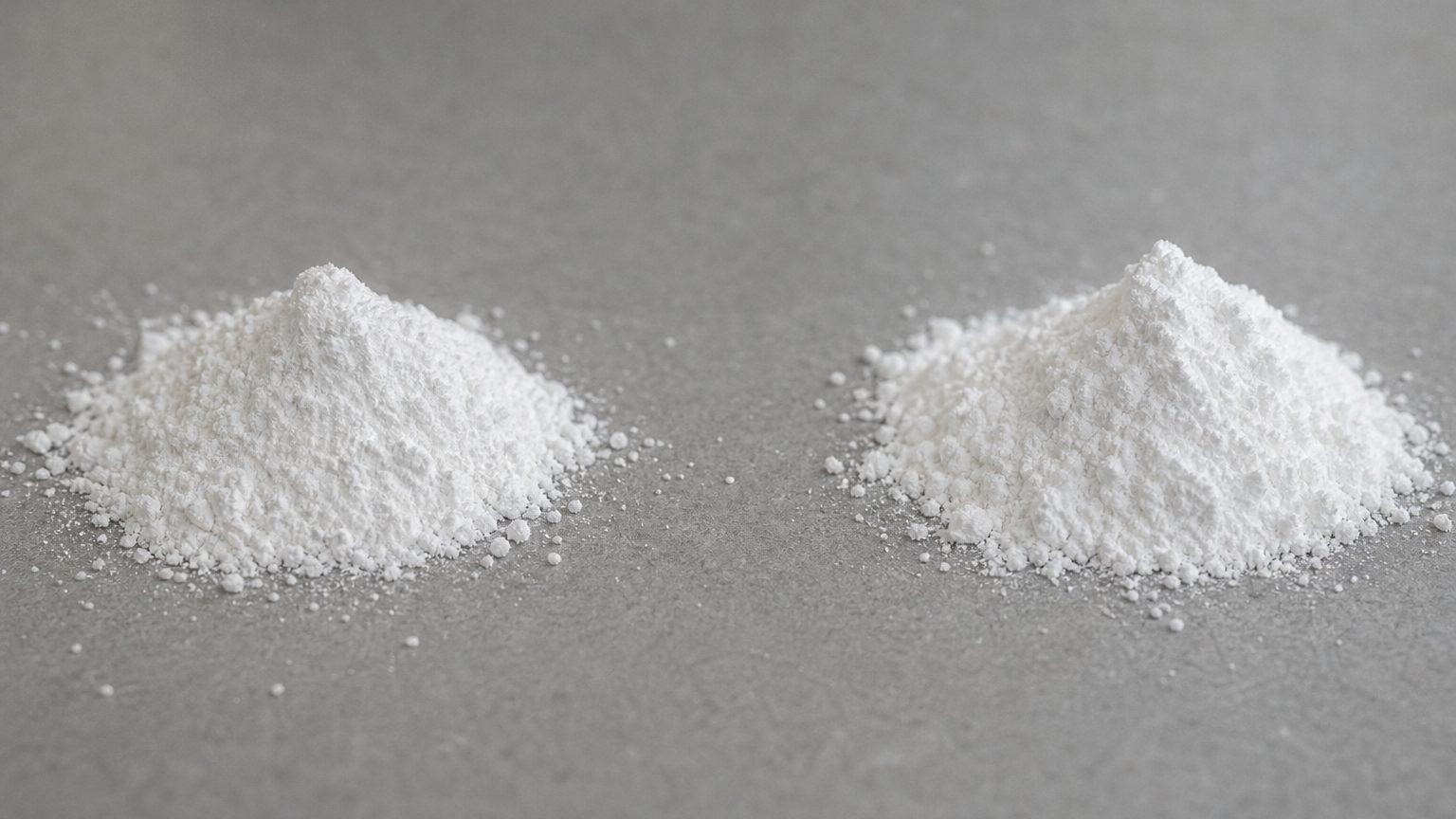
If you are choosing between creatine vs BCAAs, creatine is usually the better investment. Creatine has decades of consistent evidence for strength, power, and training progress, while BCAAs offer little for muscle growth when you already eat enough protein. Here is why they are not interchangeable, plus the limited situations where BCAAs may still be useful.
Key Takeaways
- Creatine has stronger evidence: Creatine monohydrate consistently supports strength, power, and gains from resistance training.
- BCAAs are incomplete: They provide only three amino acids, not all the building blocks required to make muscle tissue.
- Protein changes the comparison: If you eat enough complete protein, extra BCAAs are unlikely to add meaningful muscle growth.
- A few exceptions exist: BCAAs may be convenient when complete protein is temporarily unavailable or poorly tolerated.
- You can take both: They are generally compatible, but combining them does not make BCAAs necessary.
They Are Not Equivalent Options
Creatine and BCAAs are often placed side by side because both appear in the workout supplement aisle. That does not mean they perform the same job. Creatine is not a BCAA, and BCAAs are not a form of creatine.
Creatine is a compound your body makes from three amino acids. Most of it is stored in muscle, where it helps supply quick energy for demanding efforts such as lifting, sprinting, and jumping. A creatine supplement increases the amount available in those energy stores.
BCAA stands for branched-chain amino acids. The three BCAAs are leucine, isoleucine, and valine. They are essential amino acids, meaning your body cannot make them and must get them from food. However, they are only three of the nine essential amino acids and three of the twenty amino acids commonly used to build proteins in the body.
That difference leads to the clearest verdict. Creatine adds something that can improve your capacity for repeated high-intensity work. BCAAs add three building blocks that are probably already present if you eat meat, fish, eggs, dairy, soy, or enough varied plant protein.
For most people interested in strength or muscle, the practical order is simple: establish resistance training, eat enough total protein, and then consider creatine monohydrate. A BCAA powder ranks much lower unless your diet or workout situation creates a specific gap.
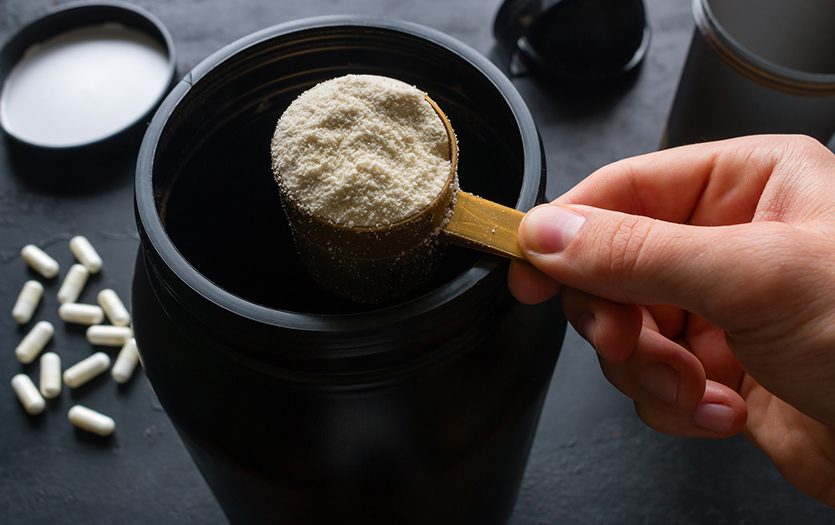
Creatine supports rapid energy recycling, while BCAAs supply only three of the amino acids found in complete protein.
What Creatine Actually Does
Your cells use ATP, short for adenosine triphosphate, as an immediate source of energy. During a hard set of squats or a short sprint, ATP is used very quickly. Stored creatine helps your body regenerate ATP, allowing your muscles to maintain high effort for a little longer.
That may mean an extra repetition, slightly more training volume, or better repeated sprint performance. One workout will not transform your results. Over weeks and months, however, those small improvements can support greater strength and lean mass gains when paired with progressive training. Progressive training means gradually asking your muscles to do more through added weight, repetitions, or difficulty.
Creatine monohydrate is the honest baseline for this comparison. It is the most studied form, and more expensive variations have not consistently shown that they outperform it. A commonly researched daily intake is 3 to 5 grams, including in the long history of research on creatine and exercise performance. Follow your product label rather than assuming more will work better.
Creatine also draws water into muscle cells. Your scale weight may rise during the first days or weeks, particularly if you begin with a higher loading intake. That increase is primarily water held inside muscle, not body fat. Some people experience mild stomach discomfort, especially when taking a large amount at once.
Timing is less important than consistency. Creatine does not work like caffeine, and you do not need to feel it immediately. Taking it at a convenient time each day allows muscle stores to build and remain elevated.

Consistent creatine monohydrate use can support repeated high-intensity exercise when paired with regular training.
Why BCAA Evidence Is Weak
Leucine, one of the three BCAAs, helps switch on muscle protein synthesis. Muscle protein synthesis is the process your body uses to create new muscle proteins. That sounds convincing, but switching on the process is not the same as supplying everything needed to complete it.
Think of leucine as a signal to begin construction. The body still needs the other essential amino acids as building materials. A BCAA supplement supplies leucine, isoleucine, and valine, but leaves out six other essential amino acids. Complete proteins supply all nine.
This is why results from BCAA supplements are often unimpressive in people who already consume enough protein. Their bloodstream and muscles already have access to BCAAs from food. Adding another isolated serving may create a signal without adding a complete set of materials. A serving of whey, dairy, eggs, soy, meat, fish, or a thoughtfully combined plant protein usually offers more complete nutritional support.
Some studies report less perceived soreness after BCAA use, but findings are mixed and study quality varies. A small change in soreness also does not prove that someone built more muscle or recovered faster in a way that improved later performance. Claims that BCAAs meaningfully reduce fatigue, preserve muscle during dieting, lower cortisol, or promote fat loss are also not supported consistently enough to make broad promises.
Essential amino acid supplements, often called EAAs, are more complete than BCAAs because they provide all nine essential amino acids. Even then, regular food or a complete protein powder may be more filling and useful for meeting your total daily protein needs.

Complete protein provides all nine essential amino acids, making it more useful for muscle building than isolated BCAAs.
The Narrow Case for BCAAs
BCAAs are not useless. They are simply unnecessary for many people who buy them. Their clearest advantage is convenience in situations where you cannot comfortably consume a complete protein source.
For example, someone training for a long time with limited access to food may prefer a light BCAA drink over a shake that feels heavy. A person with a poor appetite might also find flavored amino acids easier to consume around exercise. Even in these cases, the benefit is likely to be modest, and an EAA product or complete protein is generally a more complete option.
BCAAs may also help fill a temporary gap for someone whose meals contain very little high-quality protein. The better long-term response is usually to improve the meals. Spread complete protein across the day and include a useful serving after training when practical. Plant-based eaters can meet their needs through foods such as soy, beans, lentils, peas, grains, nuts, seeds, and complete plant protein blends. They do not automatically need BCAA supplements.
During a calorie deficit, adequate total protein and resistance training matter more for maintaining muscle than isolated BCAAs. BCAAs are also not a direct weight-loss supplement. If your diet restricts protein because of a medical condition, do not add concentrated amino acids without talking to your doctor.
Finally, taste and hydration can matter. If a BCAA drink encourages you to drink during a long workout, some perceived benefit may come from the fluid and flavor rather than the amino acids themselves. For another comparison involving muscle maintenance, read HMB vs BCAA: Which One Wins for Muscle Growth and Recovery?.

BCAA drinks may offer convenience during long workouts, but they do not replace adequate daily protein.
Taking Them Together
You can generally take creatine and BCAAs together because they use different pathways and do not cancel each other out. The more useful question is whether you have a reason to pay for both.
Creatine works through gradual storage in muscle, so consistency matters more than taking it immediately before or after exercise. Use it according to label directions at whatever time you can maintain. Mixing it into water, a smoothie, or a post-workout protein shake is practical. Drink normal amounts of fluid throughout the day, especially when exercising in hot conditions.
If BCAAs fit one of the limited situations described above, they are commonly used before or during training. That timing makes sense for convenience, not because there is a proven narrow window that creates extra muscle. If you eat a protein-rich meal near your workout, the meal already supplies BCAAs along with the other essential amino acids.
Combining the supplements does not create a special synergy. Creatine can still support high-intensity training without BCAAs, and BCAAs do not improve creatine absorption. A complete protein shake containing creatine will make more sense for most lifters than combining creatine with an isolated BCAA powder.
Both can cause digestive discomfort in some people. Stop using a product if you have a concerning reaction. Talk to your doctor before using either supplement if you are pregnant or breastfeeding, take prescription medication, have kidney or liver concerns, or have an existing medical condition. Also tell your clinician that you use creatine before blood testing, since creatine use can affect creatinine measurements without automatically indicating kidney damage.
Creatine and BCAAs can be mixed together, although most people do not need both supplements.
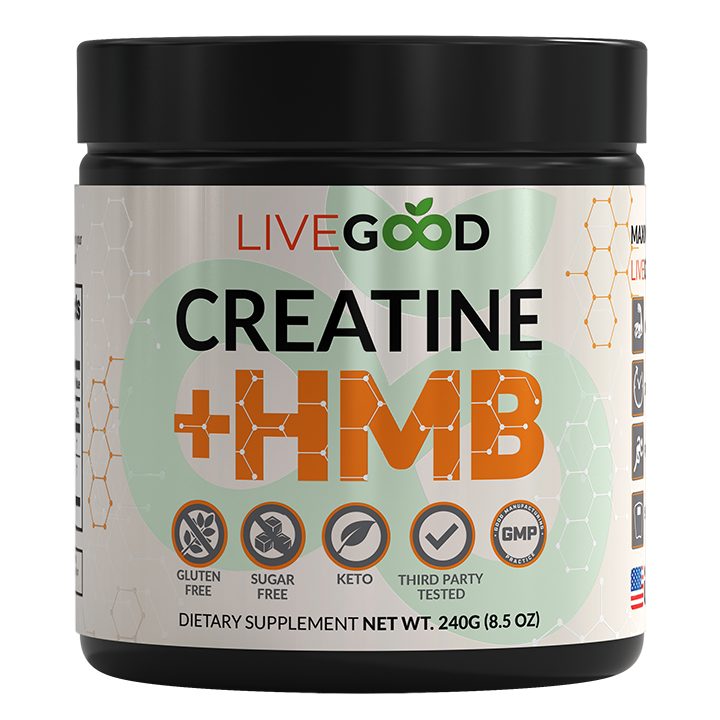
If creatine fits your goals, LiveGood Creatine + HMB provides a full 5 grams of creatine monohydrate plus 3 grams of HMB per serving, with no junk fillers, flavors, or additives. Follow label directions and use it consistently. The formula supports muscles, brain, and heart, while helping maintain muscle and cognitive function with age. It costs $19.95 for members versus $34.95 retail, supporting LiveGood's mission to "Provide the highest quality supplements in the world, at the lowest prices possible."
Frequently Asked Questions
Is creatine or BCAA better?
Creatine is the better choice for most people seeking more strength, power, or muscle from training. Its evidence is broader and more consistent, especially for creatine monohydrate. BCAAs may be convenient when complete protein is unavailable, but they usually add little if your diet already supplies adequate protein and all nine essential amino acids.
Can you take creatine and BCAAs together?
Yes, most healthy adults can take creatine and BCAAs together, but using both is rarely necessary. Creatine can be taken daily according to label directions, while BCAAs are typically used around training. If you already eat a protein-rich meal or drink a complete protein shake, adding isolated BCAAs is unlikely to provide much extra value.
Do BCAAs work if you eat enough protein?
BCAAs are unlikely to meaningfully improve muscle growth when you already consume enough complete protein. Protein-rich foods provide the same three BCAAs plus the other essential amino acids needed to construct tissue. Research on soreness and fatigue is mixed, so a BCAA drink should not be expected to produce obvious recovery or performance improvements.
Which is better for building muscle?
Creatine is generally better for supporting muscle gain because it can improve repeated high-intensity performance and help you complete more productive training. It still requires resistance exercise and adequate protein. BCAAs alone cannot provide all the essential amino acids needed to build muscle, making complete protein a more useful nutritional foundation.
Do you need to cycle creatine?
No, creatine does not generally need to be cycled. Research commonly studies regular daily use, and maintaining muscle creatine stores depends on consistency rather than planned breaks. Follow the product label and discuss ongoing use with your doctor if you take prescription medication, are pregnant or breastfeeding, have an existing medical condition, or have kidney or liver concerns.