
Do Nootropics Actually Work?
 Written by Nauder Khazan
Ask AI about this article and Energy and Focus Patches






Yes, some nootropics work, but usually in modest and specific ways. Caffeine has the strongest evidence for alertness, caffeine paired with L-theanine may support steadier attention, and creatine shows emerging promise under mental stress or sleep loss. Most herbs and trendy compounds deserve a much lower grade.
Key Takeaways
- Caffeine earns the top grade: It reliably increases alertness and can improve attention and reaction time, although too much can cause jitters and poor sleep.
- L-theanine works best with caffeine: The pairing has more consistent evidence than L-theanine alone for supporting calm, focused attention.
- Creatine is promising, not proven: Cognitive benefits appear more likely during sleep deprivation, high mental demand, or low dietary creatine intake.
- Most herbs earn mixed grades: Bacopa, ginkgo, ginseng, and similar ingredients rely on small, inconsistent, or product-specific studies.
- Drugs are a separate category: Racetams and prescription stimulants should not be treated as ordinary dietary supplements.

Nootropics include familiar substances, herbal supplements, synthetic compounds, and prescription medicines with very different evidence profiles.
What Nootropic Actually Means
A nootropic is any substance used with the goal of supporting a mental skill such as alertness, attention, memory, or motivation. That broad modern definition includes your morning coffee, herbal supplements, synthetic chemicals, and prescription medicines. Putting all of them under one label makes the category sound more unified than it really is.
The word was coined in the 1970s. Its original definition described a substance that could support learning and memory while offering a high level of safety. Today's marketing rarely follows that strict definition. A product may be called a nootropic simply because it contains ingredients associated with energy or focus.
That is why asking whether nootropics work is a little like asking whether exercise equipment works. A treadmill, a tennis racket, and a resistance band do different jobs. In the same way, caffeine and bacopa should not be judged as if they have the same effects, evidence, or risks.
It also helps to define what "work" means. Feeling more awake is different from performing better on a memory test. A study may find a small improvement in reaction time without finding better accuracy, reasoning, or long-term memory. That result can be real without being dramatic.
No supplement has been shown to make healthy people more intelligent. A fair evaluation looks at the exact ingredient, the outcome measured, the people studied, and the size of the effect. It also asks whether multiple well-designed human trials reached similar conclusions.
The Ingredients With Real Evidence
Caffeine gets the clearest passing grade. It blocks adenosine, a brain chemical that builds up while you are awake and contributes to sleepiness. Human research consistently finds that caffeine can increase alertness and support attention, vigilance, and reaction time. Effects often become noticeable within 30 to 60 minutes, but sensitivity varies widely.
The tradeoff is familiar. More caffeine does not always mean better performance. High intake can produce shakiness, a racing heartbeat, irritability, headaches, or difficulty sleeping. Regular use can also lead to tolerance, meaning the effect feels weaker over time. Stopping suddenly may cause withdrawal symptoms such as headaches and fatigue.
L-theanine is an amino acid naturally found in tea. On its own, its cognitive evidence is limited. Paired with caffeine, however, several human trials suggest modest support for attention and task switching, which means moving efficiently between different mental tasks. Some people also find that the combination feels smoother than caffeine alone, although it does not eliminate caffeine's risks.
Creatine earns a developing-evidence grade. Your body uses creatine to help recycle cellular energy, including energy used by the brain. Research suggests cognitive benefits may be more apparent during sleep deprivation, intense mental demand, aging, or low dietary creatine intake. People who eat little or no meat may start with lower creatine stores. Results in well-rested, healthy adults are less consistent, so creatine is promising rather than a universal focus enhancer.
These ingredients offer practical support, not a dramatic mental transformation. The strongest evidence in this category belongs to the least exotic options.

Caffeine has the strongest evidence for alertness, while L-theanine and creatine offer more specific or emerging support.
The Ones With Mixed or Thin Evidence
Most herbal nootropics land in the mixed or thin evidence tiers. That does not mean none can help. It means the available studies are often too small, too short, or too inconsistent to support confident promises.
Bacopa monnieri is a useful example. Some human trials report modest support for certain memory tasks after consistent use for several weeks. Other studies find little difference, and results may depend on the extract and its active-compound content. It is not an immediate stimulant, so judging it after one serving makes little sense.
Ginkgo biloba has been studied extensively, but evidence for meaningful cognitive benefits in healthy adults remains inconsistent. Panax ginseng and rhodiola rosea may help some people feel less mentally fatigued under demanding conditions, yet the studies vary in formulation, dose, duration, and quality. Lion's mane has interesting early research, but strong human evidence for everyday cognitive performance is still lacking.
Choline sources, including citicoline and alpha-GPC, have biological roles related to acetylcholine, a chemical messenger involved in attention and memory. A plausible mechanism is not the same as a proven real-world benefit. Evidence in healthy, well-nourished adults is limited and does not justify claims of a major mental upgrade.
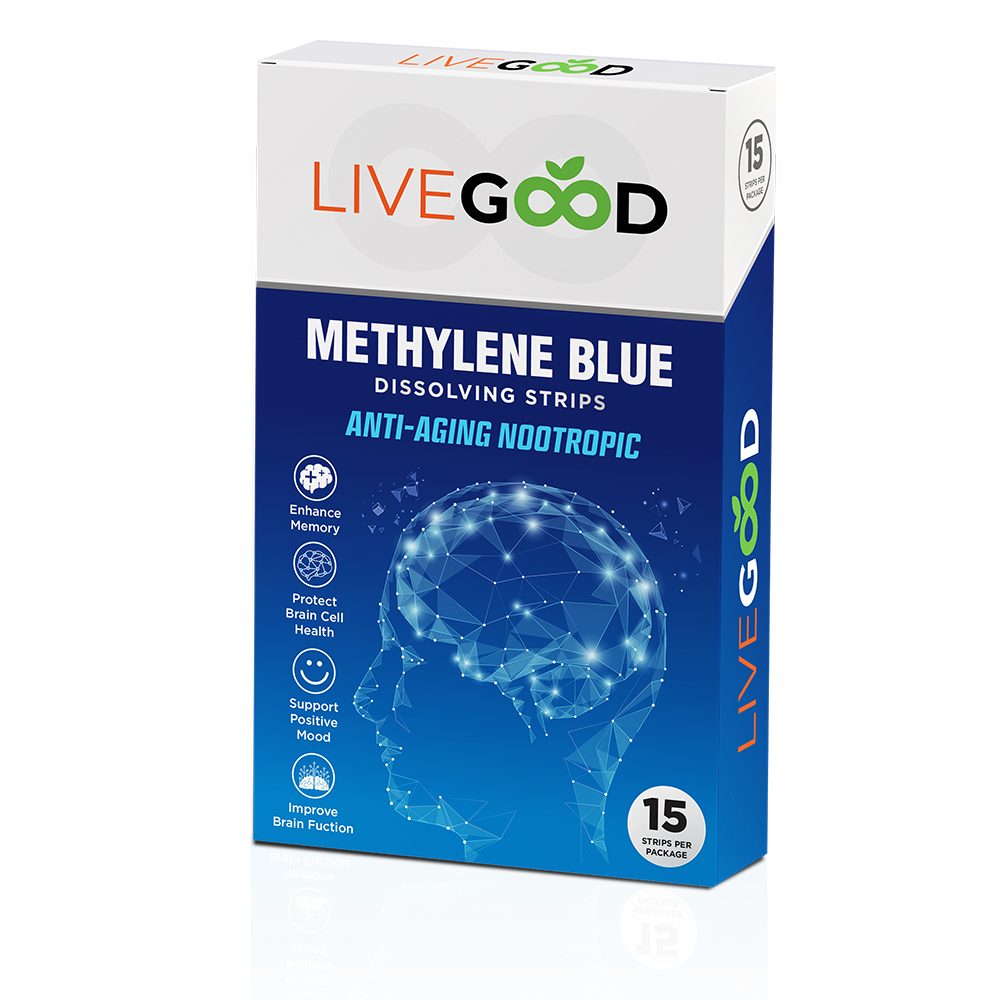
Methylene blue also appears in online nootropic discussions. It is not an everyday nutrient, and evidence for routine cognitive use by healthy people is not established. Read more about the evidence and safety questions in Should You Take Methylene Blue Every Day?.
Be cautious with proprietary blends, especially when the label does not reveal individual ingredient amounts. If you cannot tell what is in a serving, you cannot meaningfully compare it with research.

Popular herbal nootropics often have encouraging early studies but inconsistent evidence in healthy adults.
Where Prescription Drugs Enter the Picture
The term "nootropic" often blurs the line between supplements and drugs. That distinction matters. Prescription stimulants are prescription medicines, not dietary supplements. Their medical use should not be used as proof that they are suitable cognitive enhancers for healthy people.
Racetams, including piracetam and aniracetam, are synthetic compounds rather than herbs, vitamins, or minerals. Their legal and regulatory status differs by country. In the United States, products marketed as dietary supplements cannot automatically be assumed to meet the standards applied to approved medicines. Evidence for meaningful benefits in healthy adults is limited, and reliable long-term safety information is lacking.
How long a racetam lasts also depends on the specific compound, formulation, and person. Online estimates for aniracetam are especially difficult to apply because product quality may vary and controlled human data are sparse. A precise timeline can create more confidence than the evidence supports.
Modafinil and stimulant medicines are also frequently called nootropics online. They can affect wakefulness or attention, but they come with medical considerations that do not apply to coffee or a standard dietary supplement. Grouping these substances together can hide important differences in strength, side effects, dependence potential, and oversight.
The practical rule is simple: do not evaluate a prescription medicine as if it were another supplement ingredient. "Smart drug" is a marketing-friendly phrase, not a medical safety category. If a product contains a compound you do not recognize, check whether it is actually a dietary ingredient before considering its claims.

Prescription medicines and racetams should not be evaluated as if they were ordinary dietary supplements.
Sleep and the Boring Fundamentals
Sleep, exercise, adequate nutrition, hydration, and care for underlying health conditions outperform any supplement discussed here. They are not exciting, but they affect more parts of mental performance and have much stronger real-world relevance.
Sleep is the first place to look. Losing sleep slows reaction time, weakens sustained attention, and makes learning more difficult. Caffeine can temporarily mask sleepiness, but it does not restore the mental functions lost to inadequate sleep. Taking it late can also delay your next night's sleep, creating a cycle in which you need more stimulation the following day.
Regular physical activity supports blood flow, mood, sleep quality, and overall brain health. Balanced meals matter too. If you regularly skip breakfast or lunch, what feels like a need for a nootropic may be low energy from going too long without food. Dehydration can also make concentration harder.
Before trying an ingredient, choose one outcome you can observe. You might track afternoon alertness, mistakes during a repeated task, or your ability to stay focused for a set period. Keep sleep, caffeine intake, meals, and work conditions as consistent as possible. Change one product at a time and follow its label directions. Otherwise, you will not know what helped or what caused a side effect.
Talk to your doctor before using supplements if you take prescription medications, are pregnant or breastfeeding, have kidney or liver conditions, or have another existing medical condition. Seek medical guidance when ongoing concentration or fatigue problems interfere with daily life. A supplement should support a healthy routine, not delay an appropriate health evaluation.

Sleep, movement, hydration, and balanced nutrition provide a stronger foundation than any nootropic supplement.
For a convenient, non-oral option, LiveGood Energy and Focus Patches are transdermal patches designed to deliver a blend of highly absorbable vitamins, minerals, and botanical extracts through the skin into the bloodstream. They support sustained energy, with effects beginning in about 30 minutes, and can be worn for up to eight hours. Follow the label directions. They are $14.95 for members versus $29.95 retail, reflecting "Highest Quality. Lowest Prices. Every Day."
Frequently Asked Questions
The usefulness and safety of a nootropic depend on the exact ingredient, the desired outcome, and the person taking it.
Do nootropics actually work?
Some nootropics work for specific outcomes, but the overall category is inconsistent. Caffeine reliably supports alertness and attention, while caffeine paired with L-theanine may offer a smoother focus effect. Creatine has promising cognitive research under demanding conditions. Many herbal and synthetic options have small, mixed, or inadequate human trials, so results should not be generalized to every product labeled "nootropic."
Which nootropic has the best evidence?
Caffeine has the most consistent human evidence for healthy adults. It can increase wakefulness and support reaction time, vigilance, and attention, although the effect is temporary. The caffeine and L-theanine combination also has reasonable evidence for modest attention support. Creatine is worth watching, particularly in studies involving sleep loss or low dietary creatine intake, but its cognitive findings are less consistent.
Is caffeine a nootropic?
Yes, caffeine fits the modern definition of a nootropic because it changes alertness and certain aspects of mental performance. It is also the most widely used option in the category. That does not make it risk-free. Excess caffeine may cause restlessness, headaches, a fast heartbeat, or disrupted sleep, and people differ greatly in how strongly and how long they respond.
Are nootropics safe?
Nootropic safety depends entirely on the ingredient, amount, product quality, and your health. Even familiar caffeine can cause side effects, while many herbs can interact with medicines. Synthetic compounds may have limited long-term safety data. Talk to your doctor before use if you take prescription medications, are pregnant or breastfeeding, have kidney or liver conditions, or live with an existing medical condition.
What works better than nootropics?
Consistent sleep, regular exercise, nutritious meals, hydration, and addressing underlying health concerns work better than nootropic supplements for most people. These basics support multiple parts of physical and mental performance rather than producing one temporary effect. A well-chosen supplement may complement that foundation, but it cannot replace recovery, movement, adequate nutrition, or appropriate care when persistent symptoms need evaluation.