
Should You Take Methylene Blue Every Day?
 Written by Ben Glinsky
Ask AI about this article and Methylene Blue Nootropic Dissolving Strips






For most people, daily methylene blue is not something to start on your own. There is no established safe daily consumer dose, and repeated use brings medication interactions, cumulative exposure, and dose-dependent risks into the picture. Here is what you should review with a doctor before considering any schedule.
Key Takeaways
- Do not self-dose daily: No safe daily consumer dose has been established for methylene blue.
- Check every medication: Methylene blue can cause potentially life-threatening serotonin syndrome with SSRIs, SNRIs, and MAOIs.
- Know the major exclusions: Do not use it during pregnancy or if you have G6PD deficiency.
- Treat frequency as part of the dose: A small amount taken repeatedly is a different exposure pattern from a one-time dose.
- Use professional guidance: Therapeutic doses of methylene blue are prescription medicine, not a casual wellness experiment.

Daily methylene blue use deserves a medication and health review before the first serving.
The Short Answer on Daily Use
You should not begin taking methylene blue every day unless a doctor who knows your health history and medication list recommends that schedule. Daily self-dosing is difficult to justify because researchers have not established a safe, effective daily consumer dose for general wellness.
Methylene blue has a long history in medicine. At therapeutic doses, it is a prescription medicine used under clinical supervision, including for methemoglobinemia, a blood disorder that reduces normal oxygen delivery. That medical role does not automatically make an over-the-counter oral product appropriate for everyday use.
Daily use is also a different question from whether methylene blue has interesting biological properties. You can read more background in the benefits of methylene blue, but early or limited research on an ingredient does not establish that taking it every day will help a healthy person. It also does not define a safe long-term schedule.
An every-other-day or occasional schedule is not automatically safe, either. The right decision depends on the amount per serving, product quality, other medicines and supplements, pregnancy status, G6PD status, and kidney or liver health. Your reason for taking it matters too.
If you are considering methylene blue, start with a medication and risk review, not an online drop-count formula. Liquid concentrations vary, so the same number of drops can represent very different amounts.

Medical use of methylene blue does not establish a safe daily schedule for general wellness.
Why Daily Dosing Changes the Risk Picture
Taking something once creates one period of exposure. Taking it every day creates repeated exposure and repeated opportunities for side effects or interactions. This does not necessarily mean methylene blue builds up in the body indefinitely. It means frequency becomes part of the safety calculation, alongside the amount in each serving.
Methylene blue is dose-dependent. In plain language, its effects and risks can change as the dose rises. More is not better, and a dose that causes no obvious problem once may not tell you how repeated use will affect you. Long-term safety evidence for routine consumer use remains limited.
Expected effects can include blue or green urine, stool, saliva, or staining in the mouth. Color changes alone do not show that a product is working, and they do not prove the schedule is safe. Other reported side effects include nausea, stomach discomfort, headache, dizziness, sweating, and changes in blood pressure or heart rate. Confusion, breathing trouble, severe weakness, fever, or unusual agitation require prompt medical attention.
Product concentration and purity also matter. Industrial, aquarium, or laboratory-grade methylene blue is not made for human consumption and may contain unsuitable impurities. Even a product intended for oral use should have a clearly stated amount per serving and complete directions.
People with kidney or liver conditions need medical guidance because those organs help process and remove substances from the body. There is not enough evidence to assume that unsupervised long-term oral use is harmless to the liver or kidneys.

Serving amount, frequency, concentration, and product quality all shape the risk of repeated exposure.
The Interactions That Matter Most
The most urgent interaction involves serotonin, a chemical messenger used by the brain and nervous system. Methylene blue can inhibit monoamine oxidase, an enzyme that helps break down serotonin. Combining it with medicines that also increase serotonin can push serotonin activity to a dangerous level.
This reaction is called serotonin syndrome. It can be potentially life threatening. The highest-concern medication groups include selective serotonin reuptake inhibitors, or SSRIs, serotonin-norepinephrine reuptake inhibitors, or SNRIs, and monoamine oxidase inhibitors, or MAOIs. These include many medicines prescribed for depression, anxiety, and other conditions.
Other prescription and nonprescription products may also affect serotonin. Examples can include certain pain medicines, migraine medicines, cough products, and herbal supplements. A brand name alone may not make the risk obvious, so give your doctor and pharmacist a complete list of everything you take.
Warning signs of serotonin syndrome can include agitation, confusion, heavy sweating, diarrhea, fever, a fast heartbeat, tremor, muscle twitching, or rigid muscles. Symptoms can progress quickly. Seek emergency care if these develop after taking methylene blue with a serotonin-affecting medicine.
Do not stop an antidepressant, skip doses, or create your own washout period so you can try methylene blue. Some medicines remain in the body for days or weeks, and suddenly stopping them can cause withdrawal symptoms or a return of the condition being managed. Any medication change belongs with the prescribing clinician.
Methylene blue may also affect some medical tests and monitoring equipment. Tell healthcare professionals about recent use before surgery, emergency treatment, or laboratory testing.

A pharmacist or doctor can identify serotonin-related medication interactions that may not be obvious from brand names.
Who Should Not Take It At All
Do not use methylene blue during pregnancy. Safety has not been established for consumer use in pregnancy, and medical exposure can carry risks to the developing baby. If you are breastfeeding, avoid it unless a qualified clinician who understands the exposure has specifically advised you.
People with glucose-6-phosphate dehydrogenase deficiency, usually shortened to G6PD deficiency, should not take methylene blue. G6PD is an enzyme that helps protect red blood cells. Without enough of it, methylene blue can trigger haemolysis, also spelled hemolysis, which is the rapid breakdown of red blood cells. Severe hemolysis can cause anemia, jaundice, dark urine, shortness of breath, weakness, or other serious complications.
You should also avoid unsupervised use if you take an SSRI, SNRI, MAOI, or another medication that increases serotonin. A doctor's review is necessary even if the doses are taken at different times of day.
Children should not be given methylene blue as a wellness supplement unless a pediatric specialist directs it. People with anemia, significant heart problems, kidney or liver conditions, or a history of severe medication reactions also need individualized medical advice.
Finally, no one should swallow methylene blue sold for staining, chemistry, aquarium care, or other industrial purposes. Labels such as laboratory grade describe a technical use or purity standard. They do not mean that a product has been manufactured and evaluated for human consumption.

Pregnancy, breastfeeding, G6PD deficiency, and certain medications can make methylene blue unsuitable.
What to Ask a Doctor First
Bring the actual product label to your appointment instead of asking about methylene blue in general. The clinician needs to see the amount per serving, other ingredients, directions, and intended frequency. If you use a liquid, bring the bottle because concentrations and drop sizes can differ.
Ask these practical questions:
- Does anything on my medication or supplement list raise serotonin?
- Do I need testing for G6PD deficiency before considering this product?
- Do my kidney, liver, blood, or heart conditions change the risk?
- Is there evidence for the specific reason I want to take it?
- Does the proposed frequency create concerns about repeated exposure?
- Which side effects mean I should stop and seek care?
- Could it interfere with an upcoming procedure or medical test?
Tell the clinician about prescription drugs, over-the-counter medicines, herbs, pre-workout products, sleep aids, migraine treatments, and cough medicine. Include products you take only occasionally. An interaction can still matter even if two products are not swallowed at the same moment.
You should also ask how success would be measured. A blue mouth, colored urine, or a noticeable sensation is not a reliable safety or effectiveness test. If there is no clear goal and no reasonable way to monitor it, routine exposure may not make sense.
Do not increase the amount or frequency because you do not feel anything. Follow the product label and your clinician's instructions. There is no universal number of drops, milligrams, or days that can be called a safe daily consumer plan for everyone.
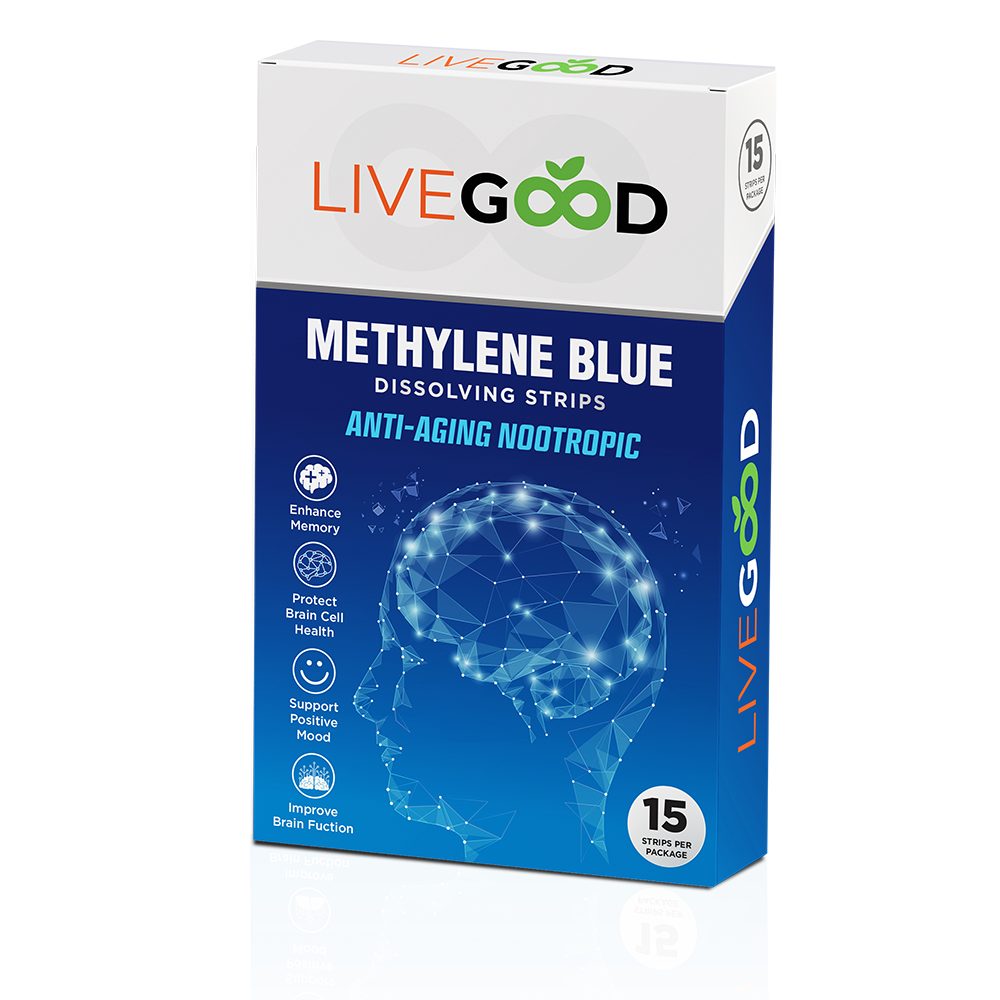
Bring the complete product label and medication list when discussing methylene blue with a healthcare professional.
If a clinician has reviewed your medications and risk factors, Methylene Blue Nootropic Dissolving Strips offer 15 strips per box, used every other day for a 30-day supply, rather than as a daily-use product. The formula is designed to support oxygen delivery to brain cells and mitochondrial function. It is $14.95 for members and $29.95 retail. Do not use it if you are pregnant, breastfeeding, G6PD deficient, or taking an MAOI, SSRI, or SNRI without consulting a physician. Follow the label.
Frequently Asked Questions
Should you take methylene blue every day?
No, you should not start taking methylene blue every day without a doctor's guidance. There is no established safe daily consumer dose for general wellness. Repeated use changes total exposure and creates more opportunities for dose-related effects and medication interactions. A clinician should review the exact product, your health history, and everything you take before recommending any schedule.
Is methylene blue safe for long term use?
Long-term safety for routine, unsupervised consumer use has not been established. Medical use occurs for specific reasons and under professional supervision, which is different from taking an oral product indefinitely. Risk may depend on the dose, frequency, formulation, medications, G6PD status, and kidney or liver health. Do not assume that tolerating several servings proves long-term safety.
What are the side effects of methylene blue?
Methylene blue can cause blue or green urine, stool, saliva, or mouth staining, along with nausea, stomach discomfort, headache, dizziness, or sweating. More serious reactions can include serotonin syndrome or red blood cell breakdown in people with G6PD deficiency. Seek urgent help for fever, confusion, severe agitation, rigid muscles, breathing trouble, or profound weakness.
Can methylene blue interact with antidepressants?
Yes, methylene blue can interact dangerously with antidepressants, especially SSRIs, SNRIs, and MAOIs. The combination may cause serotonin syndrome, a potentially life-threatening buildup of serotonin activity. Do not stop or pause an antidepressant to use methylene blue. Ask the prescribing clinician and pharmacist to review the combination, including how long the medication remains in your body.
How much methylene blue is too much?
There is no single consumer cutoff that defines too much methylene blue for everyone. Risk depends on the amount, concentration, frequency, medications, medical conditions, and G6PD status. Liquid drop counts are especially unreliable because concentrations vary. Any amount associated with concerning symptoms or a contraindicated medication combination may be too much and requires prompt medical advice.