
HMB Side Effects: What the Research Shows
 Written by Nauder Khazan
Ask AI about this article and Creatine + HMB





HMB appears to be well tolerated by most adults at the amounts commonly used in clinical trials. Digestive symptoms can occur, but research has not identified a consistent pattern of serious HMB side effects. The reassuring record also has limits, since most studies are short and involve selected groups of participants.
Key Takeaways
- Generally well tolerated: Trials using common HMB amounts have not found a clear pattern of frequent or serious side effects.
- Digestive effects are possible: Bloating, nausea, or stomach discomfort may occur, although they are not consistently linked to HMB.
- Long-term evidence is limited: Most safety data comes from studies lasting weeks or a few months, not many years.
- Extra caution may be appropriate: Talk to your doctor if you are pregnant, breastfeeding, taking prescription medication, or managing a kidney, liver, or other medical condition.
- The label still matters: Follow product directions and check combined supplements for duplicate ingredients.
What HMB Is and Why Safety Comes Up
HMB stands for beta-hydroxy beta-methylbutyrate. Your body makes a small amount when it breaks down leucine, an essential amino acid found in protein. Essential means your body cannot make leucine on its own, so you need to get it from food.
HMB supplements provide a more concentrated amount than your body would normally produce from dietary leucine. Products commonly contain calcium HMB, which is HMB attached to calcium, or HMB free acid, a different form intended for absorption. Both forms have been studied, although they should not automatically be treated as identical in every situation.
Safety questions come up because concentrated supplements can affect the body differently from nutrients consumed in food. People also take HMB daily, combine it with creatine or protein, and sometimes use it for months. That makes dose, duration, other ingredients, and personal health relevant.
Research on HMB has examined muscle-related outcomes in athletes, older adults, people beginning resistance training, and certain clinical populations. Results for those outcomes are mixed. That is separate from safety. A supplement can be well tolerated without reliably producing the desired result.
HMB is also different from branched-chain amino acid products, even though it comes from leucine. Our comparison of HMB and BCAAs explains the practical differences.
HMB is a compound your body makes from leucine, although supplements provide it in a more concentrated form.
When assessing side effects, the useful question is not whether HMB is natural. It is whether controlled studies found more unwanted symptoms or abnormal health markers among people taking it.
What Trials Actually Report
The overall safety signal is reassuring. In controlled trials, HMB groups have generally not experienced more serious adverse events than comparison groups. An adverse event is any unwanted health issue recorded during a study, whether or not the supplement caused it.
A peer-reviewed review of HMB research concluded that HMB has shown a good safety profile at commonly studied intakes. Many studies have used approximately 3 grams per day. That figure describes research practice, not a personalized recommendation.
An eight-week controlled safety study assessed blood counts and markers related to liver and kidney function in adults using HMB. Researchers did not find harmful changes attributable to HMB at the amounts studied. This is useful evidence, but eight weeks cannot answer what happens after years of uninterrupted use.
Digestive complaints such as bloating, nausea, gas, or loose stools are sometimes discussed by supplement users. Trials have not established these as common, distinctive HMB side effects. When symptoms occur, it can be difficult to separate HMB from a large serving, added sweeteners, flavoring agents, other supplements, or an unrelated meal.

Controlled trials generally report good HMB tolerability at commonly studied amounts, with no clear pattern of serious side effects.
Muscle cramps are not a well-established direct effect of HMB either. Cramps have many possible causes, including strenuous exercise, fatigue, heat, and hydration changes. There is also no consistent evidence that HMB raises testosterone or blood pressure. Still, studies designed around training outcomes may not track every possible hormonal or cardiovascular change in detail.
HMB itself is not known for causing water retention. If an HMB product also contains creatine, a small increase in water held inside muscle cells may occur. That is associated with creatine and is not the same as digestive bloating or generalized swelling.
The Limits of the Safety Data
A good tolerability record is not the same as proof of zero risk. Most HMB studies last several weeks to a few months. Some longer studies exist, but there is not enough high-quality evidence to describe the effects of continuous use across many years.
Study participants are also selected. Trials may exclude people with significant kidney or liver disease, pregnant participants, or those taking certain medications. A result in healthy adults cannot automatically be applied to everyone. Research in older adults or clinical populations may use HMB as part of a nutritional drink containing protein, vitamins, or other ingredients, making it harder to isolate HMB's role.
Sample size is another issue. Many HMB studies include dozens of participants rather than thousands. That can identify common problems, but it may miss a rare side effect. Studies also vary in the form of HMB, daily amount, diet, exercise program, and method used to collect symptoms.

Most HMB safety research lasts weeks or months, leaving important questions about continuous use over many years.
Safety reporting is not equally detailed in every trial. Some researchers perform blood tests and record every complaint. Others focus mainly on strength, body composition, or physical performance. If a paper states that no serious adverse events occurred, that does not necessarily mean every episode of mild bloating or headache was actively measured.
Interactions are another gap. No widely recognized pattern of HMB interactions has been established, but formal interaction studies are limited. Absence of a known interaction does not guarantee compatibility with every prescription medicine or supplement.
The honest conclusion is narrow but useful. HMB has generally been tolerated at common trial amounts over the periods studied. Evidence is much thinner for long-term use, unusually high intakes, pregnancy, breastfeeding, children, and people with significant medical conditions.
Who Should Be Cautious
If you are a generally healthy adult, HMB's trial record is reassuring. Some people should still get individualized guidance before using it.
Talk to your doctor before taking HMB if you have kidney or liver disease. Current studies do not show that common trial amounts damage healthy kidneys or livers, but people with existing organ conditions are not as well represented. Your doctor may consider your diagnosis, laboratory results, diet, medications, and the complete supplement formula.
You should also talk to your doctor if you take prescription medication. HMB does not have a long list of established drug interactions, but interaction research is incomplete. This is especially relevant when you use several medications or supplements at once.
Pregnant or breastfeeding people should avoid starting HMB without medical guidance because there is not enough safety research for these stages. The same caution applies to children and teenagers unless a qualified clinician specifically recommends and supervises its use.
Calcium HMB contributes some calcium. The amount depends on the formula. If your doctor has asked you to control calcium intake, or if you already use several calcium-containing products, review the Supplement Facts panel with them.
Sex-specific HMB side effects have not been clearly established for men or women. The main difference is that pregnancy and breastfeeding create additional safety concerns. Claims that HMB consistently raises testosterone are also not supported by strong evidence.
Stop using a supplement and seek medical advice if you develop persistent vomiting, severe abdominal pain, unusual swelling, breathing difficulty, a rash, or another concerning reaction. Those symptoms are not typical HMB effects, but they should not be dismissed. Sudden breathing difficulty or swelling of the face or throat requires urgent medical care.
Sensible Use
Start with the product label. Follow its serving directions rather than increasing the amount because a study or online post used more. Around 3 grams per day is common in HMB research, but the right decision for you depends on the formula, your health, and guidance from your healthcare professional.
HMB is often taken daily in studies, including on days without training. That research pattern does not prove everyone needs it on off days. If you choose to use HMB, consistency with the labeled directions is more sensible than frequently changing the serving based on each workout.
Check every ingredient in the product. Powders and pre-workout blends may contain creatine, caffeine, amino acids, sweeteners, or minerals in addition to HMB. If you use several products, compare their Supplement Facts panels so you do not unintentionally duplicate ingredients.
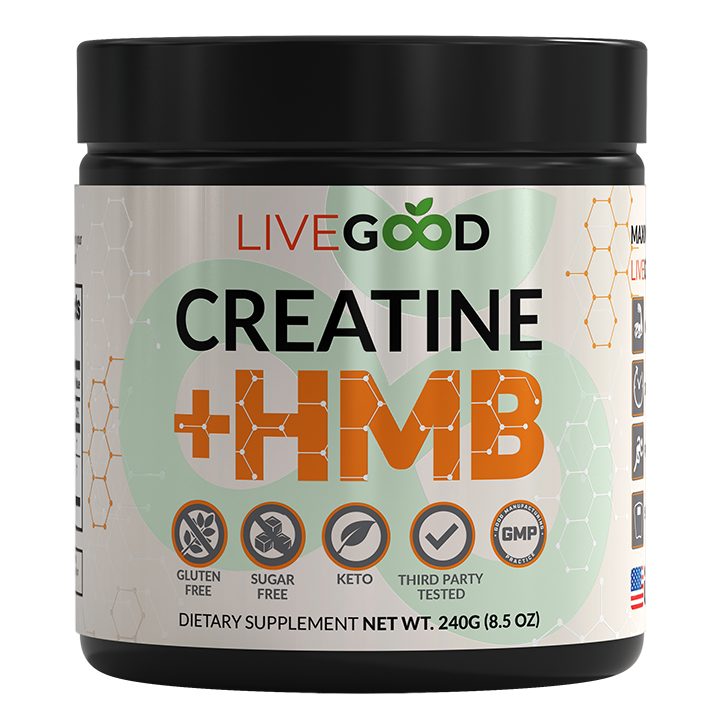
Reading the complete Supplement Facts panel helps you identify HMB amounts and any additional active ingredients.
If you notice bloating or stomach discomfort, consider whether you introduced other supplements or changed your diet at the same time. Taking a labeled serving with a meal may feel gentler for some people, if the product directions allow it. Stop use and contact your doctor if the problem is severe, persistent, or keeps returning.
Do not assume every change on the scale is caused by HMB. HMB has not been shown to characteristically cause fluid retention. A combined creatine product may increase water stored within muscle cells, while sodium intake, carbohydrate intake, menstrual cycles, and hydration can also influence body weight.
Keep expectations grounded. HMB does not replace adequate protein, resistance exercise, sleep, or recovery time. Research on performance and body composition is mixed, and a supplement's tolerability does not guarantee a noticeable benefit. Consistent daily habits matter more than quick fixes.
Finally, evaluate how you feel and whether the product still fits your goals. Long-term HMB safety remains less certain than short-term tolerability. Periodic conversations with your doctor are sensible if you plan ongoing use, particularly if your health or medication list changes.
LiveGood Creatine + HMB contains a full 5 grams of creatine monohydrate plus 3 grams of HMB per serving, with no fillers, flavors, or additives. It is formulated to support muscles, brain, and heart function while helping maintain muscle and cognitive health with age. Follow the label directions. The member price is $19.95 versus $34.95 retail, supporting LiveGood's mission to "Provide the highest quality supplements in the world, at the lowest prices possible."
Frequently Asked Questions
Does HMB have side effects?
HMB can cause side effects, but clinical trials have not identified a consistent pattern of frequent or serious problems at commonly studied amounts. Some users report bloating, nausea, or other digestive discomfort. These symptoms may also come from additional ingredients or unrelated dietary changes. Stop taking the product and seek medical guidance if a reaction is severe or persistent.
Is HMB safe to take long term?
HMB appears well tolerated in studies lasting weeks or months, but its safety over many years is not well established. A limited number of longer studies cannot account for every population or rare effect. Follow label directions and talk to your doctor about ongoing use, especially if you have an existing medical condition or take prescription medication.
Does HMB cause bloating?
HMB is not clearly established as a common cause of bloating, although individual digestive reactions are possible. Added sweeteners, flavoring agents, large servings, or other ingredients may be responsible when an HMB blend causes discomfort. HMB also has not been shown to characteristically cause water retention. Persistent bloating deserves medical advice rather than repeated self-testing.
Can HMB affect the liver or kidneys?
Studies in generally healthy adults have not found harmful liver or kidney changes from HMB at common trial amounts, but the evidence has limits. People with existing kidney or liver conditions are not adequately represented in much of the research. If you have either condition, talk to your doctor before taking HMB and do not use normal trial results as personal clearance.
Who should avoid HMB?
Pregnant or breastfeeding people and children should avoid HMB unless a qualified healthcare professional specifically recommends it. Anyone with kidney, liver, or another existing medical condition should talk to their doctor first. The same applies if you take prescription medication because formal interaction research is limited. Avoid any product containing an ingredient that has previously caused you an allergic reaction.